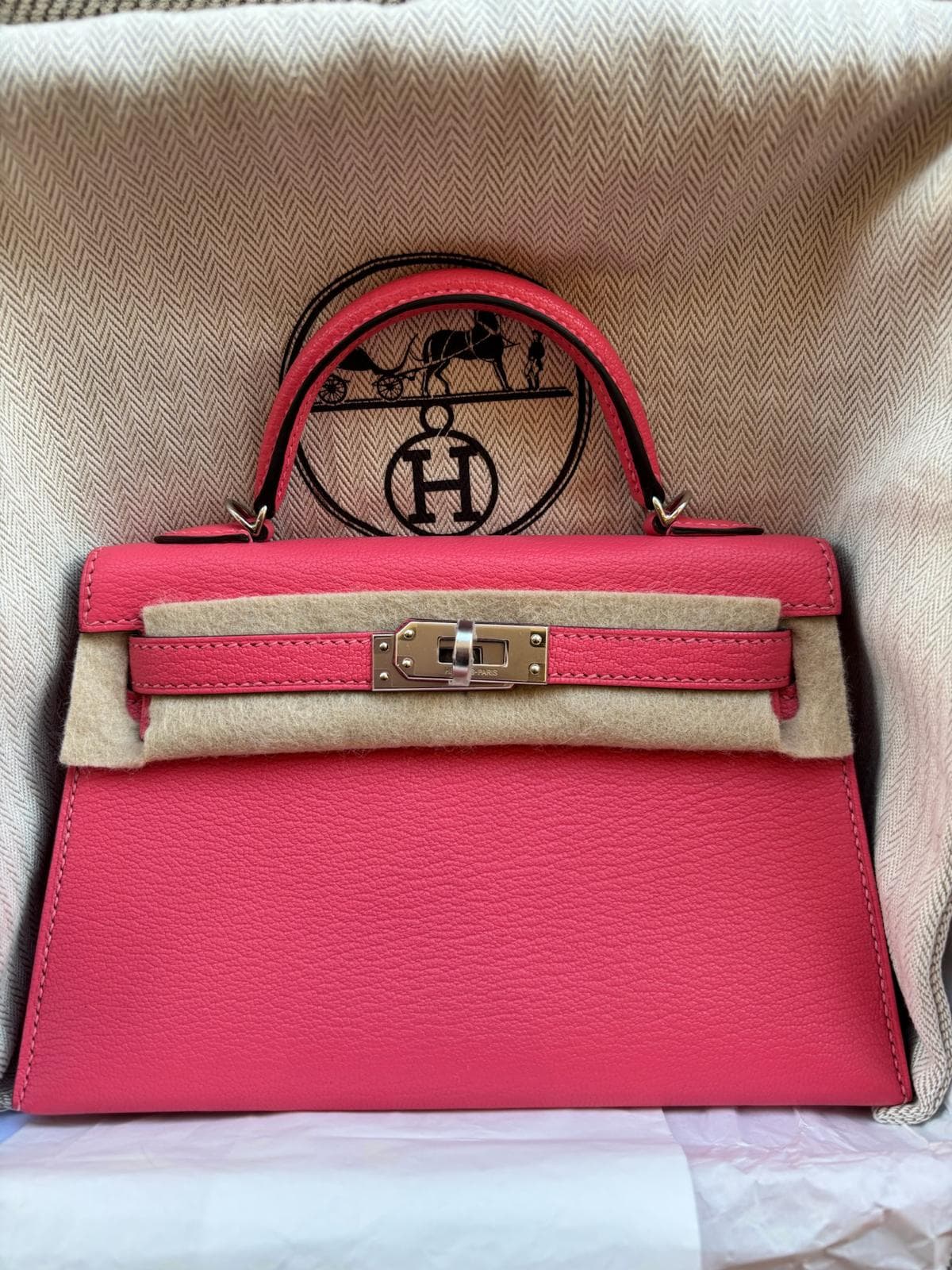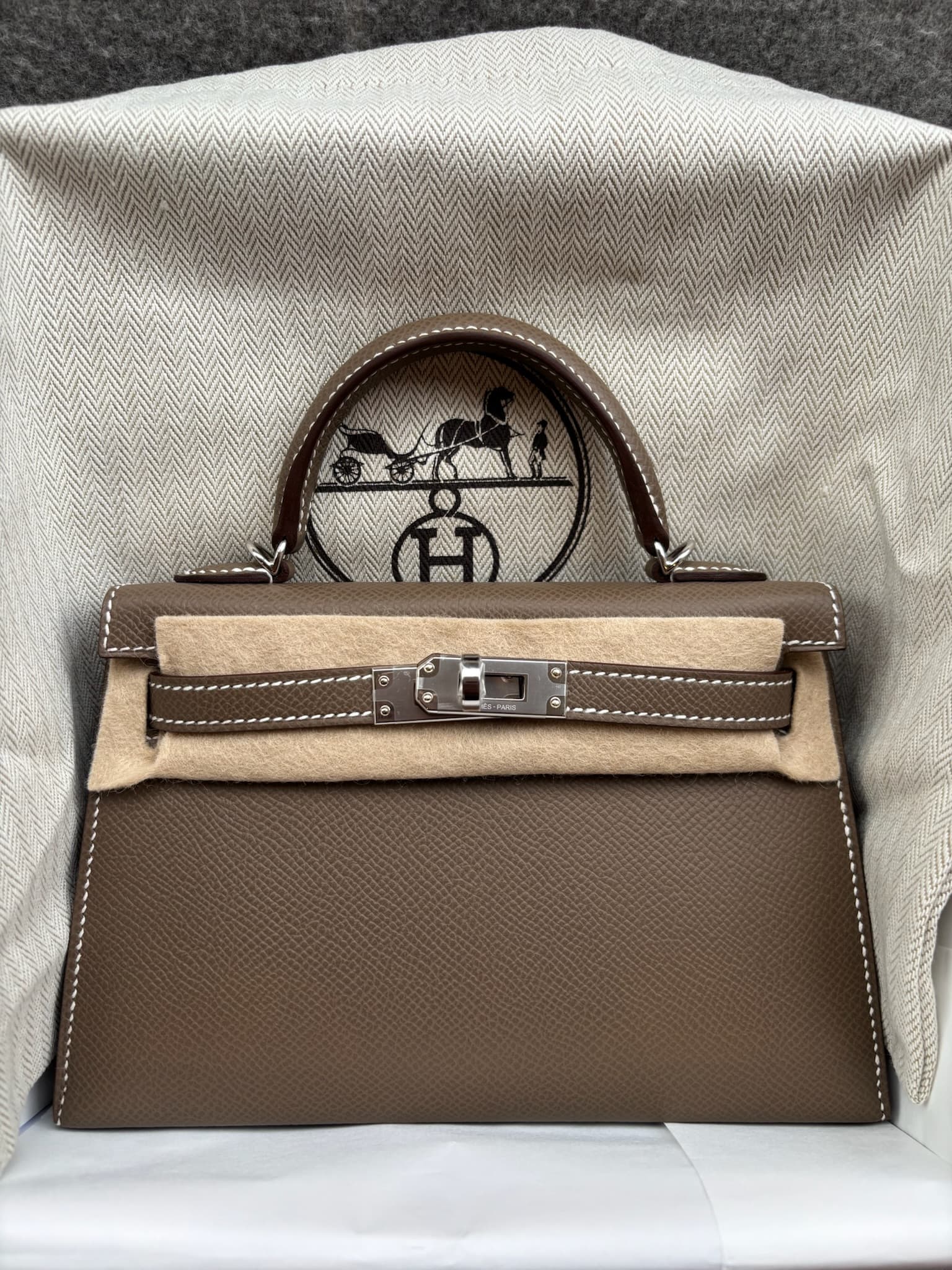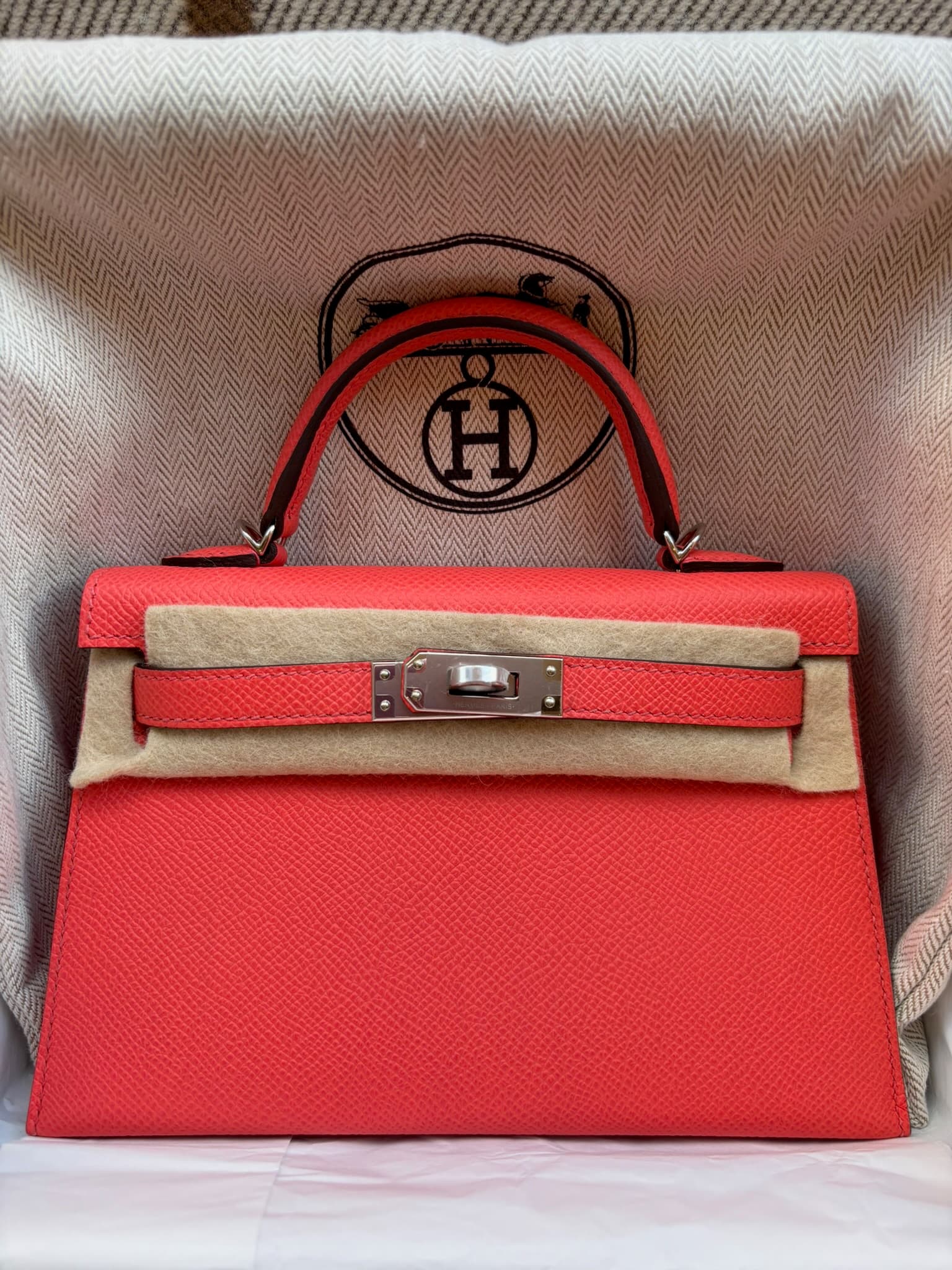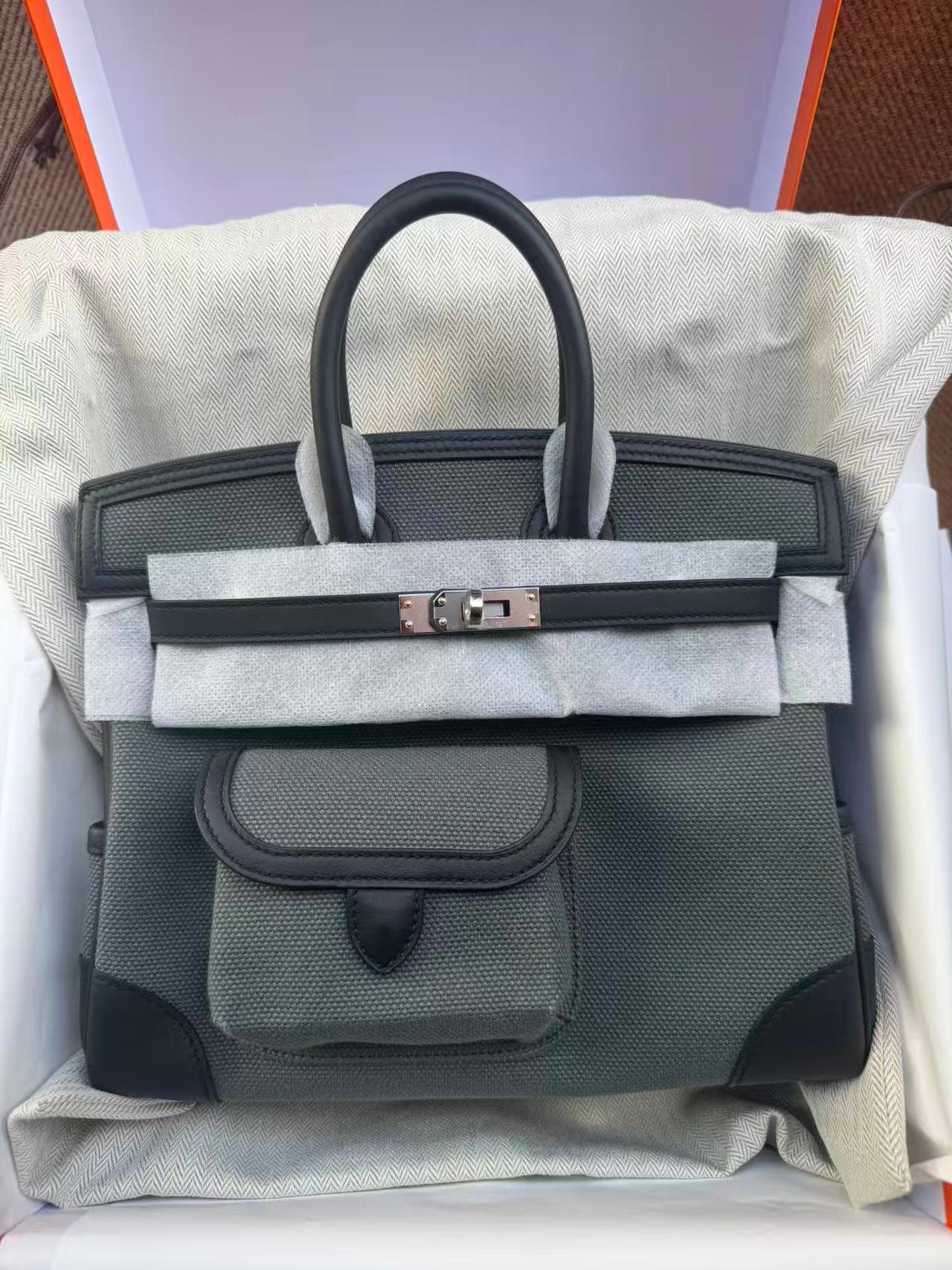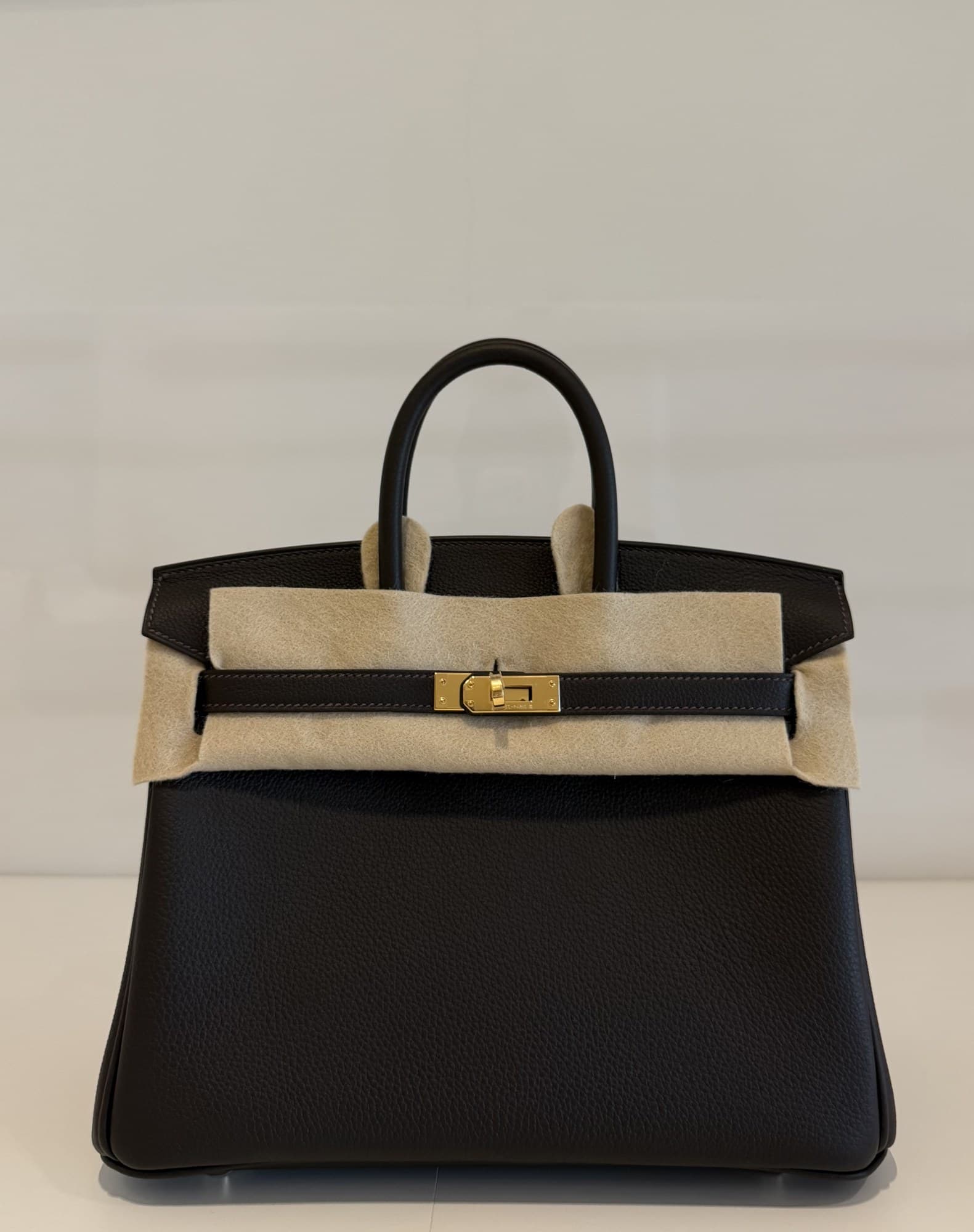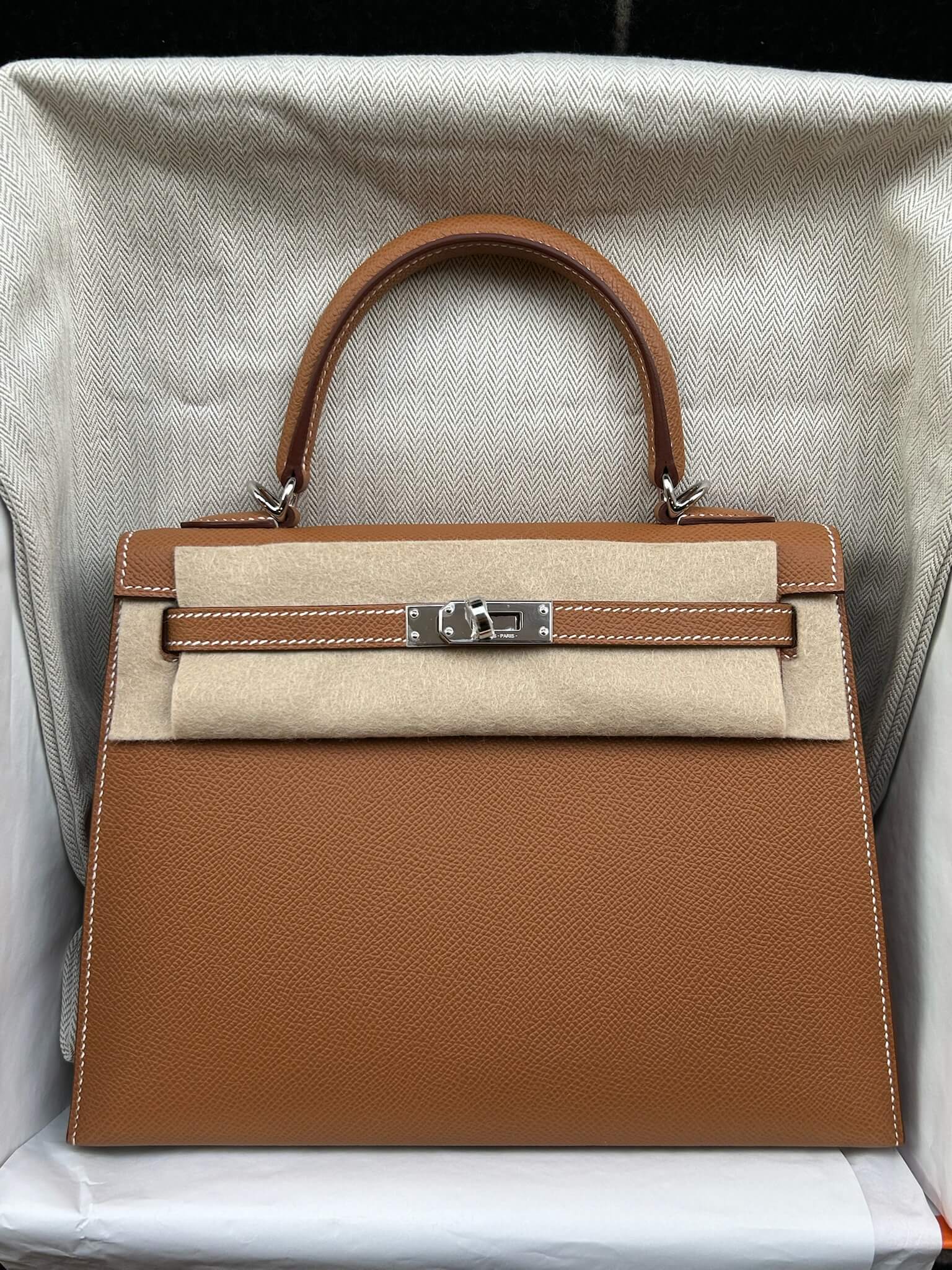
Timing matters in the pre-owned Hermès market. While Birkins and Kellys are remarkably resilient assets that hold value year-round, the secondary market does follow seasonal patterns that can affect how quickly your bag sells and the price it achieves. Understanding these patterns can help you optimise both timing and strategy when selling a pre-owned Hermès piece.
This analysis examines the seasonal dynamics of the pre-owned Hermès market in 2026, covering peak demand periods, quieter windows, and the external factors that influence buying behaviour.
The Annual Cycle
The pre-owned Hermès market follows a broadly predictable annual pattern, driven by a combination of retail calendar events, seasonal spending behaviour and collector psychology.
January to March: The New Year Surge. The first quarter is typically one of the strongest periods for pre-owned Hermès sales. Several factors converge. Hermès implements its annual retail price increase in January, which immediately raises the floor price for pre-owned pieces. Buyers who were waiting for year-end bonuses or holiday cash gifts enter the market with fresh budgets. New Year resolutions and fresh-start psychology drive purchases. Additionally, buyers who could not secure a retail allocation during the previous year's holiday season turn to the secondary market.
During this period, demand is particularly strong for classic configurations — Birkin 25 and 30 in neutral colours — as buyers make considered, long-term purchases. Premiums tend to be at their highest for the year.
April to June: Sustained Strength. The second quarter maintains strong momentum, supported by spring and summer wardrobe refreshes, wedding season (bags are increasingly popular gifts and accessories for wedding events), and the approach of summer travel. Lighter colours — Craie, Rose Sakura, Gold — tend to see increased demand during this period as buyers seek pieces that complement summer wardrobes.
This is also a strong period for consignment platforms and auction houses, with major spring sales at Christie's and Sotheby's generating publicity and market activity.
July to August: The Summer Lull. The summer months typically see a modest softening in market activity. Many collectors are travelling, and purchasing decisions are deferred. This is not a dramatic decline — the Hermès market does not experience deep seasonal troughs — but sale times may be slightly longer and premiums slightly lower than in the first half of the year.
For sellers, the summer lull can actually present an opportunity. With fewer pieces coming to market, well-priced bags in desirable configurations can stand out and attract buyers who are still actively shopping.
September to October: The Autumn Recovery. Market activity picks up as summer ends and buyers return to their regular routines. September is a strong month for fashion-conscious buyers making autumn wardrobe decisions. Darker colours — Noir, Bleu Nuit, Vert Cypress — see increased demand.
October marks the beginning of the pre-holiday buying window. Buyers who want a bag for the holiday season or as a gift begin their search early, knowing that desirable pieces sell quickly.
November to December: Holiday Peak. The final two months of the year are the strongest period for the pre-owned Hermès market. Holiday gift-giving drives significant demand, particularly for new-condition pieces with full packaging. The anticipation of Hermès January price increases motivates buyers to purchase before the new year, when both retail and resale prices will rise.
Auction houses schedule their marquee sales during this period. Sotheby's and Christie's handbag auctions in November and December routinely achieve headline-grabbing results, which in turn stimulates private market activity.
External Factors
Beyond seasonal patterns, several external factors can influence the timing of a sale.
Hermès price increases. The announcement of annual price increases — typically in January, occasionally with a mid-year adjustment — creates a window of opportunity for sellers. In the weeks before a price increase, buyers accelerate purchases to lock in current prices. In the weeks after, the new higher retail price establishes a new floor for pre-owned values.
Currency movements. Significant currency fluctuations can affect cross-border demand. A weak pound makes UK-sourced bags attractive to international buyers, potentially driving higher prices. A strong pound has the opposite effect.
Economic conditions. Broad economic uncertainty can cause buyers to pause, but historically the Hermès market has been remarkably resilient during downturns. During the 2020 disruption, Hermès resale values dipped briefly before recovering quickly — holding value better than virtually every other luxury brand.
Social media and celebrity. Specific bags can see demand spikes following celebrity sightings or viral social media moments. These are unpredictable but can create short-term windows where certain colours or models achieve above-average premiums.
Practical Selling Strategy
For sellers looking to maximise value, here is a practical framework.
If you need to sell quickly, list during January–March or November–December. These are the highest-demand periods, and well-priced bags in classic configurations sell fastest.
If you can wait for the right price, list your bag two to four weeks before an expected Hermès price increase. The anticipation drives urgency among buyers.
If you are selling a seasonal colour, sell as soon as possible after the colour is discontinued from retail production. Scarcity value is highest immediately after discontinuation, before the market has fully absorbed existing supply.
If you are selling a store-fresh bag with full packaging, time your sale for the holiday season (November–December). Gift buyers pay the highest premiums for pristine, fully packaged pieces.
Choosing Your Sales Channel
Timing is important, but so is choosing the right channel. Your three main options are direct sale to a specialist dealer, consignment through a platform, and auction.
For most sellers, direct sale to a specialist dealer offers the best balance of speed, certainty and value. You receive a firm offer, payment is prompt, and the transaction is private. The trade-off is that a dealer offer will be below the maximum retail price, because the dealer needs margin.
Consignment offers potentially higher sale prices but takes longer and carries uncertainty. Your bag may sit unsold for weeks or months. Commission typically ranges from 15% to 30%.
Auction is best suited to rare, exceptional or exotic pieces where competitive bidding may drive prices above market value. For standard configurations, auction rarely exceeds a direct sale once fees are factored in.
What to Do Before You Sell
Regardless of timing, preparation maximises your return. Several steps make a meaningful difference to the price you achieve.
Condition check. Examine your bag thoroughly before listing. Look for corner wear, handle darkening, hardware scratches, interior marks, colour transfer and odours. Minor issues that are addressed before sale — professional cleaning, careful buffing of light marks — can add hundreds of pounds to the final price.
Documentation and packaging. Gather all original accessories: box, dust bag, ribbon, care booklet, rain cover, lock and keys, clochette, and receipt if available. A complete set adds 5–15% to the resale price. If you have the original receipt, this provides provenance that buyers value, particularly for high-value pieces.
Photography. If you are selling privately or through consignment, invest time in high-quality photographs. Photograph the bag from all angles in natural, diffused light — front, back, both sides, base, top, interior, hardware close-ups, blind stamp, and any areas of wear. Buyers make purchasing decisions based on photographs, and poor photography costs sellers money.
Market research. Check current asking prices and recent sold prices for your specific configuration — model, size, colour, leather, hardware and condition. This gives you a realistic expectation of what your bag is worth and helps you identify the right price point.
If you would rather hold out for the stronger season without carrying the bag yourself, consignment solves it: the bag sits in our Chelsea Harbour showroom and on byjull.com for sixty days at a payout figure agreed in writing before listing, and you are paid within seven working days of the sale. How that works, and why the figure is higher than an outright offer, is on Consign your Hermès with JULL.
The Bottom Line on Timing
The best time to sell a Hermès bag is when you are ready to sell and the market conditions are favourable. For most configurations, the difference between peak and trough periods is 5–10% — meaningful, but not dramatic enough to justify holding a bag for months waiting for the perfect window.
If your bag is a classic colour in a popular size, it will sell well at any time of year. If your bag is a seasonal colour or less common size, timing your sale to coincide with peak demand periods — Q1 or Q4 — can make a genuine difference.
At JULL, we buy outright or sell on consignment for a fixed payout agreed before listing. Send photos of your bag via WhatsApp: we reply within 24 hours, with both figures within two working days. Outright, payment is usually made the same day the bag is checked in person.
If you are selling rather than buying, see how JULL buys Hermès bags: a firm offer within 24 hours, outright or on consignment.