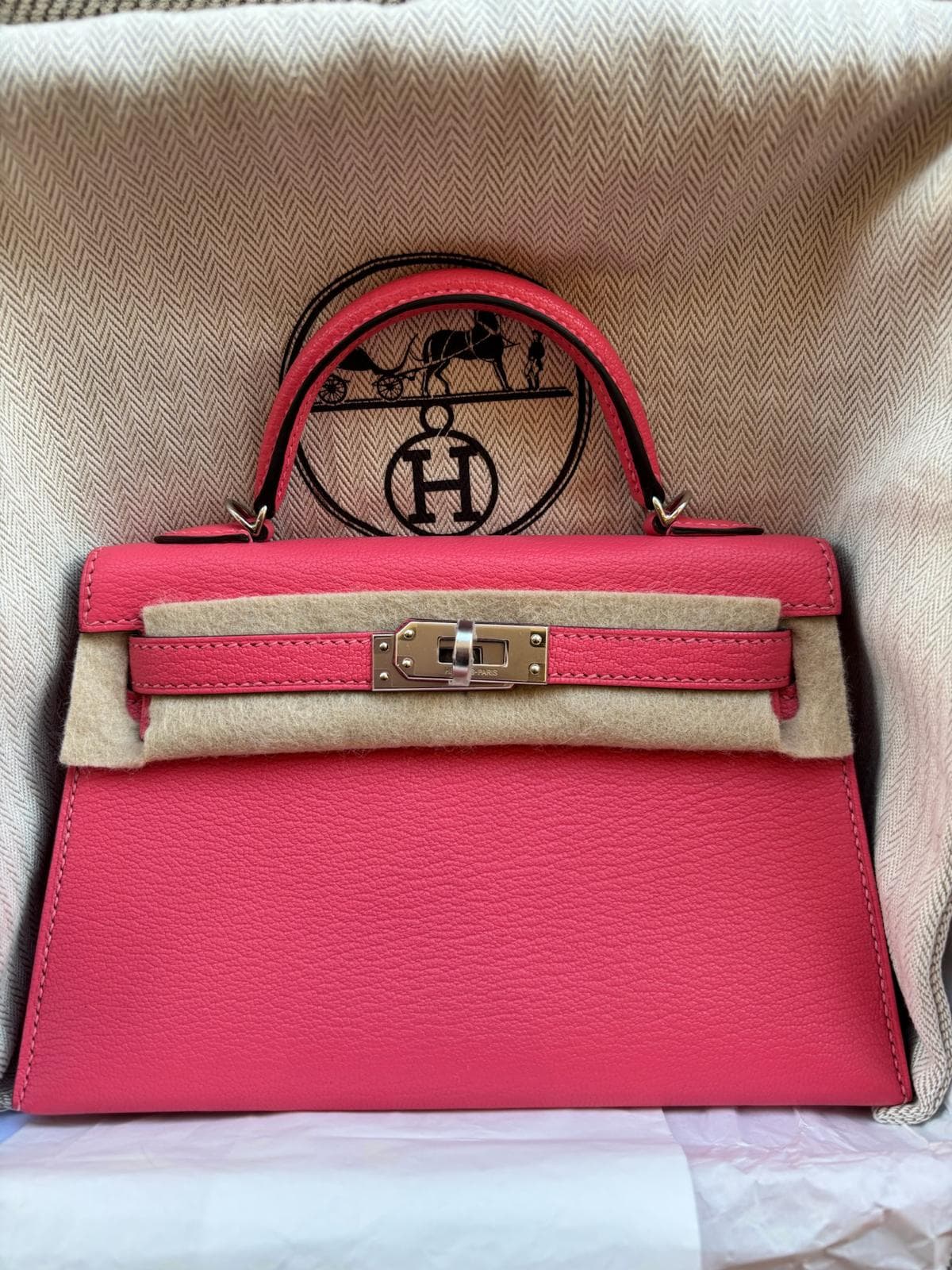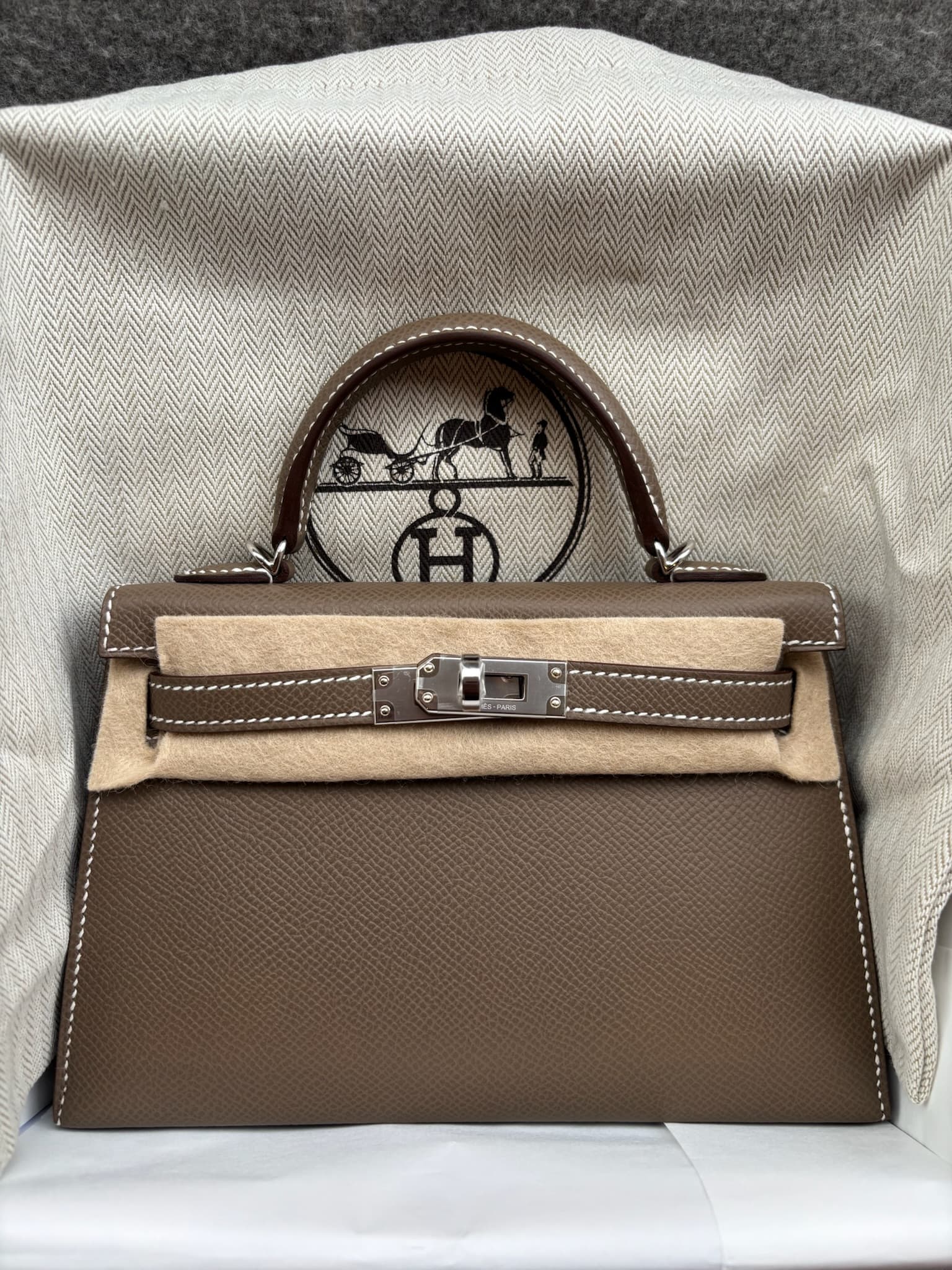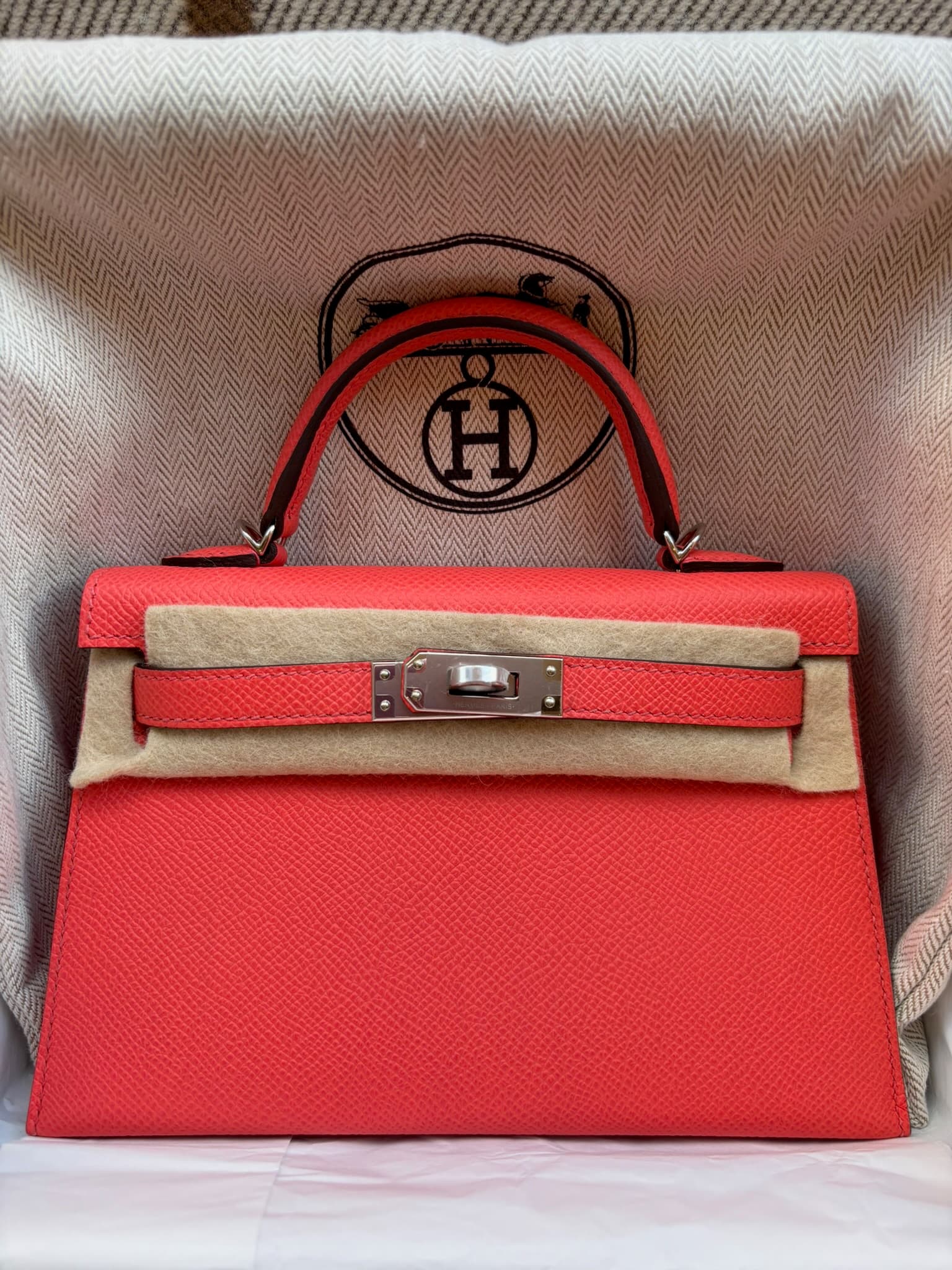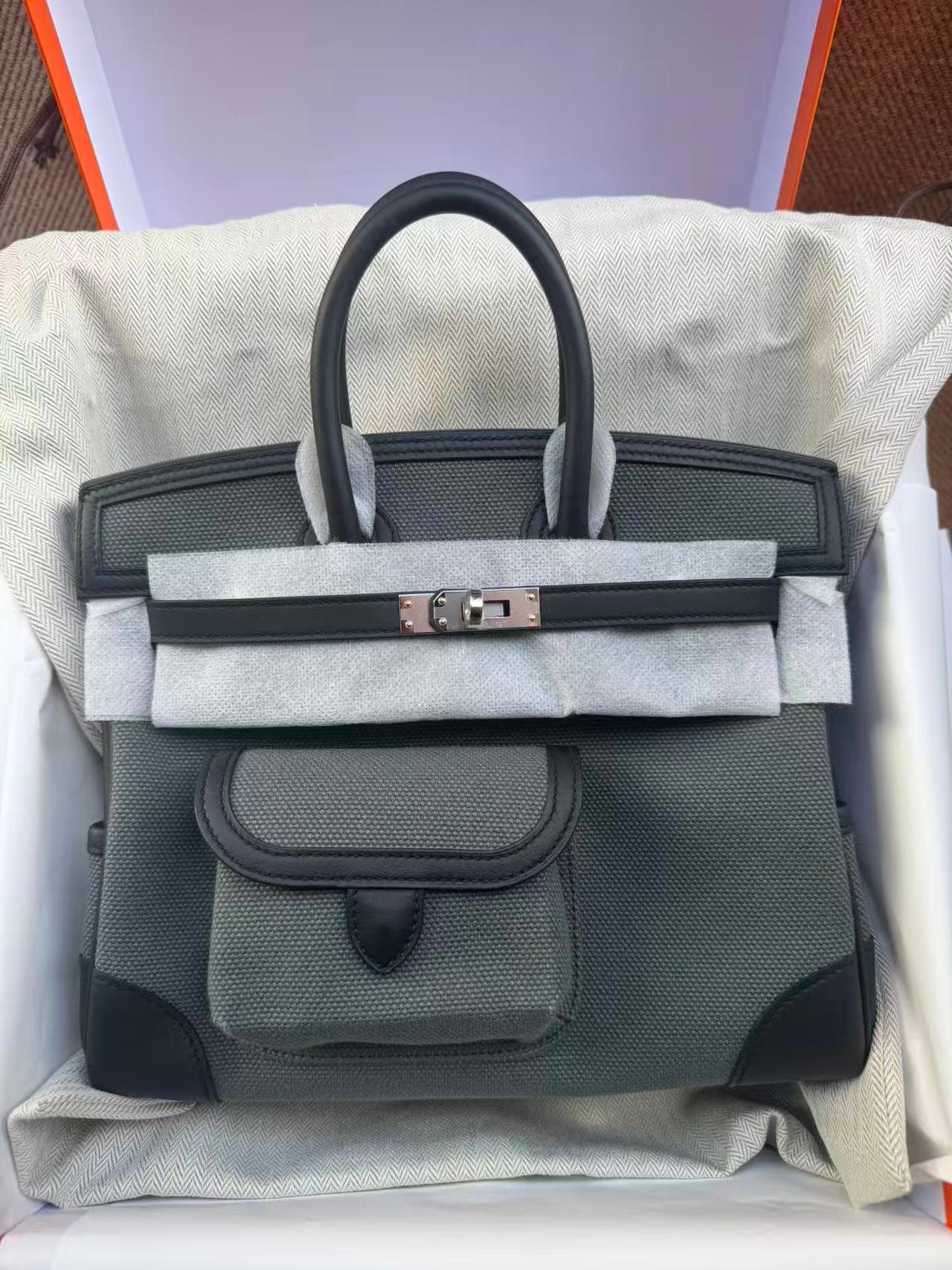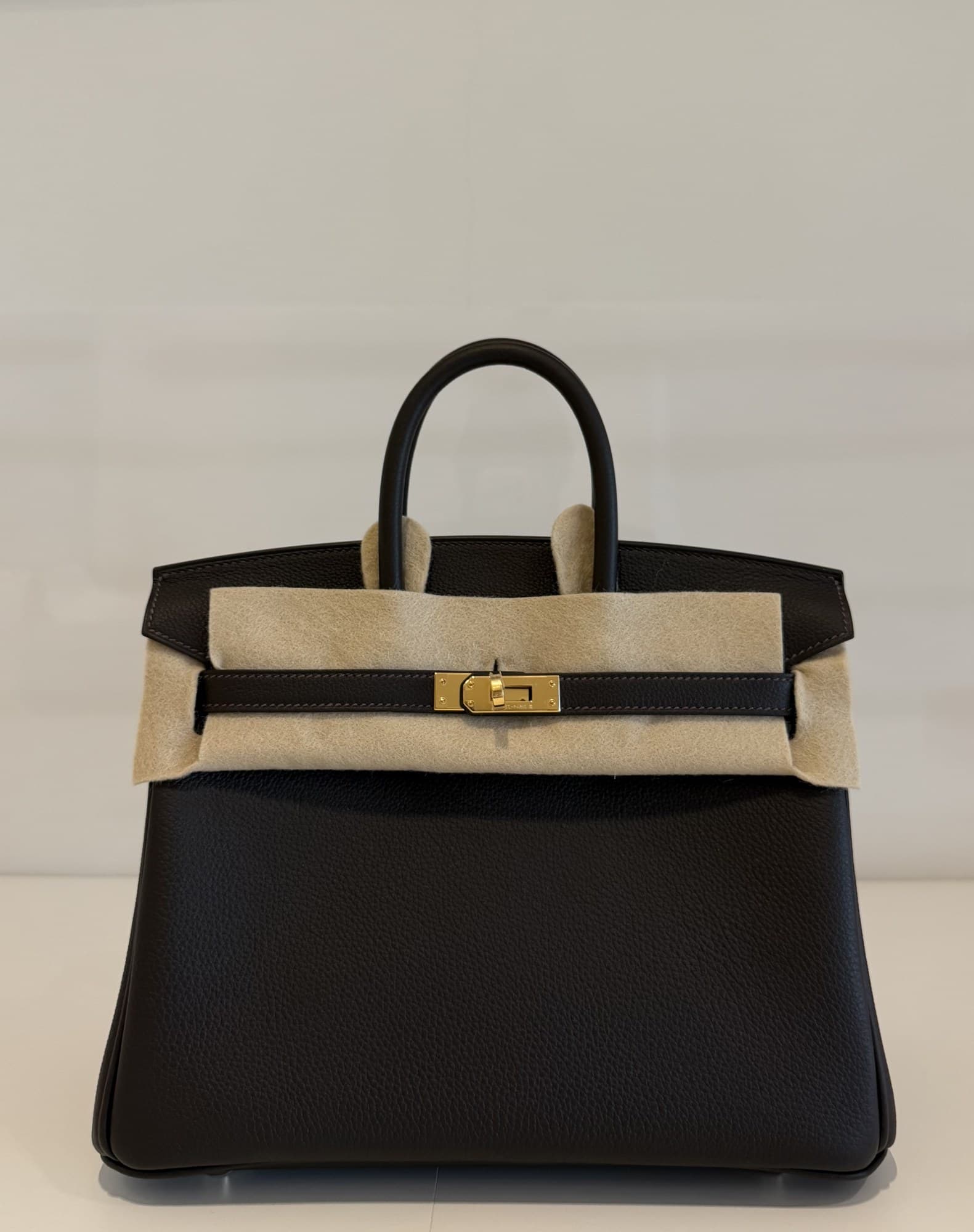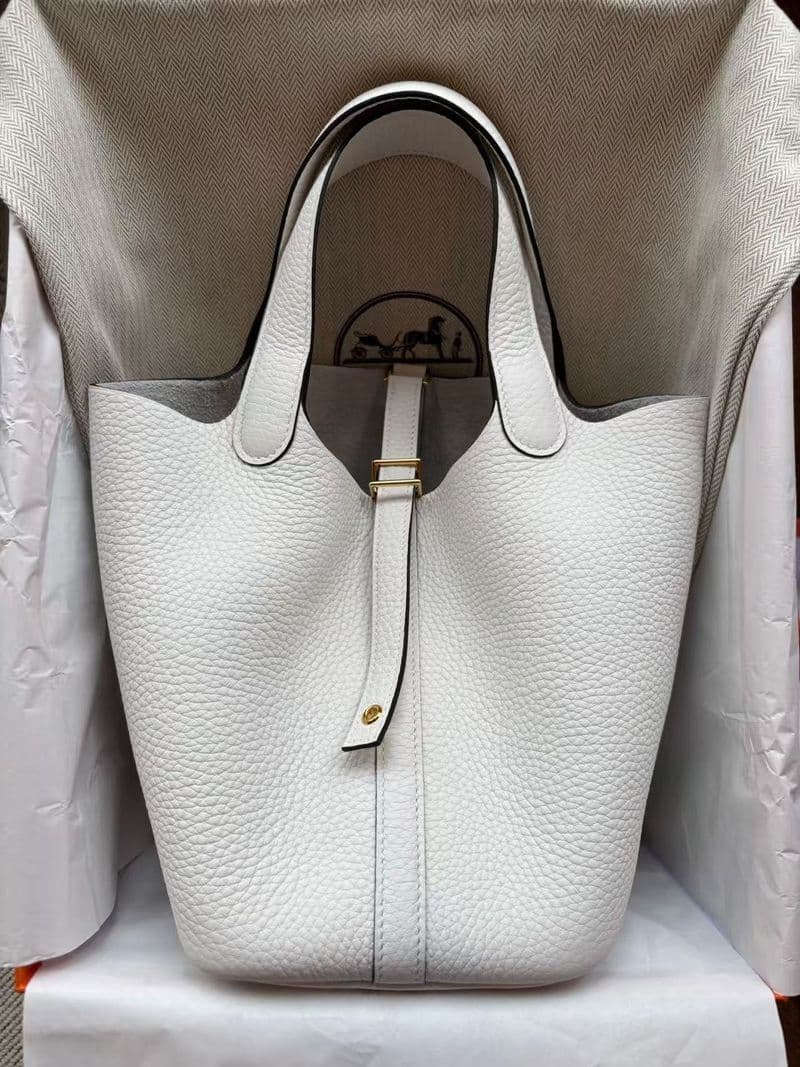
Authentication is the most critical skill in the pre-owned Hermès market. With counterfeit Birkins and Kellys becoming increasingly sophisticated — some now produced in factories using genuine leather and high-quality hardware — knowing what authentic Hermès looks like is essential before making any purchase.
This guide covers the 14 authentication markers that professional authenticators examine when assessing a pre-owned Hermès bag. While no single marker is conclusive on its own, taken together they form a comprehensive picture of authenticity.
1. The Blind Stamp
Every Hermès bag carries a blind stamp — a small, embossed marking pressed into the leather that indicates the year of manufacture and the artisan who made the bag. The stamp consists of a letter (indicating the year) enclosed in a shape (circle, square or no enclosure, depending on the era).
Authenticators check that the stamp matches the correct format for its claimed year, that the font is consistent with genuine Hermès stamps, and that the depth and clarity of the embossing are correct. Counterfeit bags frequently use incorrect fonts, wrong letter-shape combinations, or stamps that are too deep or too shallow.
The blind stamp is typically located on the front strap of a Birkin, under the front flap of a Kelly, or on the strap of a Constance. Its exact position varies by model and era.
2. The Artisan Stamp
Adjacent to the blind stamp, there is usually a smaller stamp indicating the individual artisan who crafted the bag. This is typically a single letter or a two-character code. Authenticators cross-reference this stamp with known Hermès artisan marks for consistency.
3. Saddle Stitching
This is one of the most reliable authentication markers. Hermès uses saddle stitching — a hand-sewing technique where two needles pass through the same hole from opposite sides, creating a diagonal stitch pattern. Because it is done by hand, each stitch has a very slight, natural variation in angle and spacing. The stitches lean slightly to the left on the front and slightly to the right on the back.
Machine stitching, used in counterfeits, produces perfectly uniform stitches with no variation. Under magnification, the difference is immediately obvious to a trained eye. The stitch count per centimetre should also be consistent with Hermès standards — typically 5 to 5.5 stitches per centimetre in standard leathers.
The thread itself matters. Hermès uses a waxed linen thread that has a distinctive sheen and consistency. Counterfeit thread is often too shiny, too thick, or too uniform in colour.
4. Leather Quality
Hermès leathers are among the finest in the world, and their quality is difficult to replicate. Authenticators assess the grain pattern, consistency, suppleness and scent of the leather.
Togo leather should have a consistent, natural-looking pebbled grain with slight variation — not a perfectly uniform stamped pattern. Clemence should be softer and more matte than Togo. Epsom should have a rigid, pressed-grain texture that is lightweight. Box calf should have a smooth, mirror-like finish.
The leather should feel dense and substantial, not thin or papery. Genuine Hermès leather has a distinctive, clean scent — often described as warm and slightly sweet. Chemical or plastic smells indicate synthetic materials or poor-quality leather treatment.
5. Hardware Weight and Finish
Hermès hardware — clasps, turn-locks, rivets, studs, padlocks — is made from solid metal and plated in gold or palladium. It should feel heavy and solid in the hand, with smooth edges and no rough casting marks.
The plating should be even and consistent, with no bubbling, peeling or discolouration (though some wear is normal on pre-owned pieces). The engraving on hardware — particularly on the front clasp and padlock — should be clean, precise and properly centred.
Counterfeit hardware is often lighter, with visible casting seams, uneven plating, or poorly executed engravings. The padlock is a particularly useful marker — genuine Hermès padlocks have a specific weight, feel and mechanism that counterfeits rarely replicate perfectly.
6. The Sangles (Straps)
The front straps of a Birkin or the closure strap of a Kelly should be cut from a single piece of leather with consistent grain direction. The edges should be painted or burnished to a smooth, rounded finish — not raw or rough.
The strap holes should be cleanly punched and evenly spaced. The metal hardware attachments should sit flush against the leather with no gaps or misalignment.
7. Interior Lining and Pockets
The interior of a Hermès bag is lined in matching leather (Chèvre goatskin in most models). The lining should be smooth, evenly applied, and the same colour tone as the exterior or a complementary colour.
The interior zip pocket should have a smooth-running zip with properly finished edges. The zip pull should bear the Hermès stamp. Some counterfeits use fabric linings or cheap leather substitutes that feel thin and plasticky.
8. The Clochette and Keys
Every Birkin and Kelly comes with a clochette — a small leather strap that holds the padlock and two keys. The clochette should be made from the same leather as the bag, with properly finished edges and consistent stitching.
The two keys should be identical, stamped with a number that matches the padlock, and fit smoothly into the lock mechanism. The key shape and cut should be consistent with genuine Hermès keys for that era.
9. The Feet
Birkin bags have four metal feet on the base. These should be evenly positioned, properly seated, and made from the same metal finish as the other hardware. The feet should be smooth and rounded, with no visible tool marks or rough edges.
The placement of the feet should be symmetrical and consistent with Hermès specifications for that size of bag.
10. Edge Painting
The edges of the leather — on straps, gussets and handles — should be finished with a smooth, even layer of edge paint (also called burnishing). Hermès edge painting is applied by hand in multiple layers and should be consistent in colour, thickness and smoothness.
Counterfeit edge painting is often uneven, bubbled, cracked or a slightly different shade from the body of the bag. Under magnification, genuine Hermès edge painting shows a smooth, multi-layered application with no drips or gaps.
11. Handle Construction
Birkin handles are rolled from a single piece of leather and should feel firm, evenly rounded, and consistent in diameter from end to end. The attachment points where the handles meet the body of the bag should be reinforced with rivets that sit flush and are properly aligned.
Kelly handles follow a similar standard of construction, though the single top handle has a different attachment mechanism.
12. Symmetry and Proportions
Hermès bags are made to precise specifications. The proportions — height, width, depth — should match the known measurements for that model and size. Any deviation suggests either a counterfeit or a damaged piece.
Symmetry is critical. The bag should sit evenly on a flat surface. The hardware should be centred. The stitching lines should be parallel. The sangles should hang evenly.
13. The Dustbag, Box and Accessories
Authentic Hermès bags come with a dustbag (previously orange, now cream/beige), a box (orange with brown ribbon), tissue paper, care cards and sometimes a rain cover. The dustbag should have the correct Hermès logo format for its era, and the fabric should feel substantial and well-finished.
While accessories are not part of the bag itself, they provide supporting evidence of authenticity. However, accessories can be separately purchased or counterfeited, so they should never be the sole basis for authentication.
A note on paperwork while you have the box open: Hermès has never issued authenticity cards, and a bag that arrives with one is a bag to walk away from. What the house does and does not provide — and why there is no serial number to look up — is in our guide to Hermès authenticity cards and serial numbers.
14. Overall Craftsmanship Assessment
Beyond individual markers, experienced authenticators assess the overall quality and consistency of the piece. Genuine Hermès bags exhibit a level of craftsmanship that is difficult to replicate in totality — even when individual elements are well-copied.
The bag should feel cohesive. The leather, stitching, hardware, proportions and finishing should all work together in a way that reflects the hand of a single skilled artisan. Counterfeits, even good ones, typically have inconsistencies across these elements that reveal themselves under careful examination.
Why Professional Authentication Matters
While this guide provides a foundation for assessment, professional authentication requires years of experience and physical examination of the actual bag. Photographs alone are insufficient for definitive authentication — many of the markers described above require touch, weight assessment and close inspection under magnification.
At JULL, every bag we buy and sell is physically examined in our London workroom by hand. We check every marker described in this guide, by hand — hardware, blind stamp, stitching, leather and construction, against Hermès' own standards. We reject any piece that does not pass. Our authenticity guarantee covers every bag we sell — without exception.
If you are considering purchasing a pre-owned Hermès bag from any source, we strongly recommend professional authentication before completing the transaction. The cost of authentication is negligible compared to the risk of purchasing a counterfeit piece worth a fraction of its claimed value. For the Birkin specifically, our shorter guide to how to tell if a Birkin is real puts these checks in the order we use them.
Frequently Asked Questions
How do you authenticate a Hermès bag?
Read every detail together: the heat stamp and blind stamp, the hand saddle stitching, the weight and engraving of the hardware, the leather grain and smell, the edge paint and the proportions. A genuine bag agrees with itself; a counterfeit usually gets one or two details wrong.
Do Hermès bags come with an authenticity card?
No. Hermès does not issue authenticity cards or certificates, and there is no serial number to look up. A bag sold with a card is a warning sign.
Can a Hermès bag be authenticated from photos?
Photos can show that a bag is wrong, but they cannot confirm it is right. Weight, smell, stitching under magnification and the feel of the hardware need the bag in hand.
What is the most reliable sign of a real Hermès bag?
There is no single one. Hand saddle stitching and a blind stamp that agrees with the leather, colour and hardware of its year are among the hardest details to fake, but the verdict comes from all of them together.
How are bags checked at JULL?
Every piece is inspected by hand before it is listed, by our founder Guilherme Ribeiro, who spent three years working for Hermès. The blind stamp and condition are published on each listing, every bag can be seen in our Chelsea Harbour showroom or on a live video call, and you are welcome to have it examined by an independent authenticator of your choice before the balance is paid.