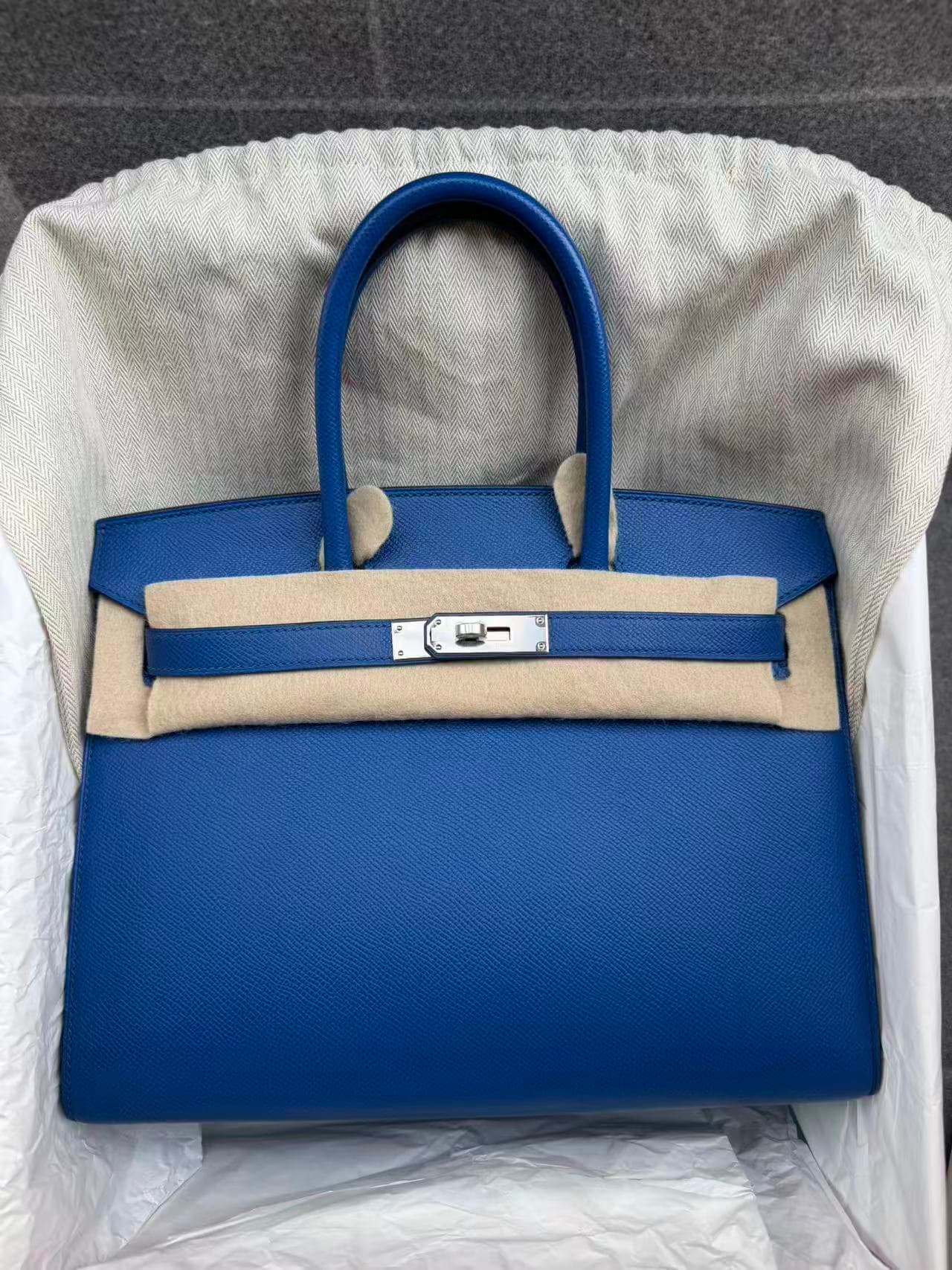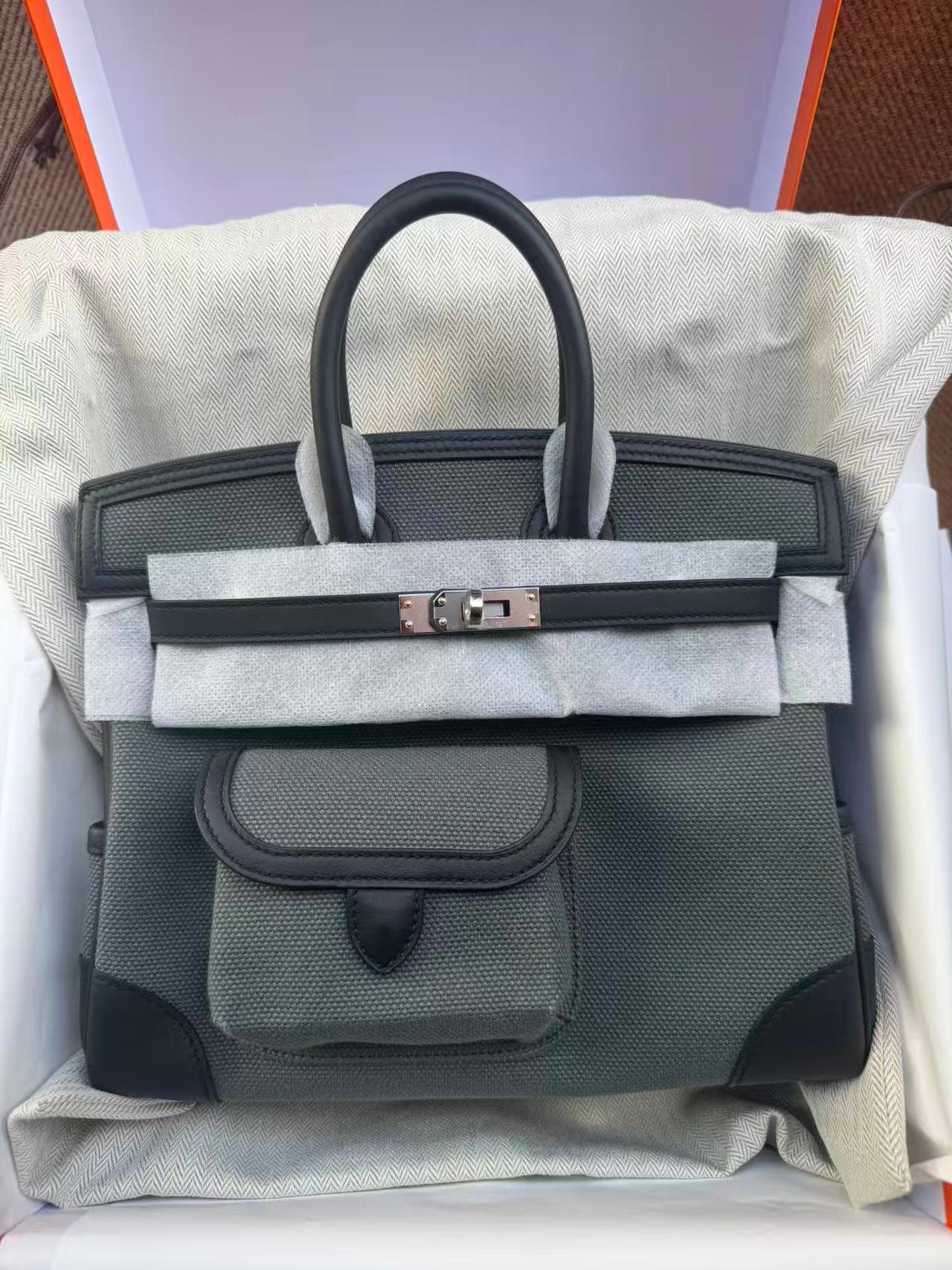
The Hermès Birkin has long been considered one of the most desirable luxury goods in the world — a handmade object that holds its value on the secondary market in a way that virtually no other consumer product can match. In a market where luxury brands routinely discount, dilute and overproduce, the Birkin remains an anomaly: a bag whose pre-owned prices regularly exceed its retail cost.
But with prices at all-time highs, increasing scrutiny on Hermès allocation practices, and a growing number of alternatives in the pre-owned luxury space, the question for 2026 is whether the Birkin still deserves its reputation as the smartest buy in luxury.
How Birkin Prices Have Moved
Over the past decade, Birkin prices on the pre-owned market have trended steadily upward. The Knight Frank Luxury Investment Index, which tracks several collectible categories including handbags, has consistently listed luxury handbags among its strongest categories since the index began including them.
Sotheby's reported that handbag and accessories auction sales grew significantly in 2025 compared to the previous year, with Birkins and Kellys accounting for the vast majority of lots.
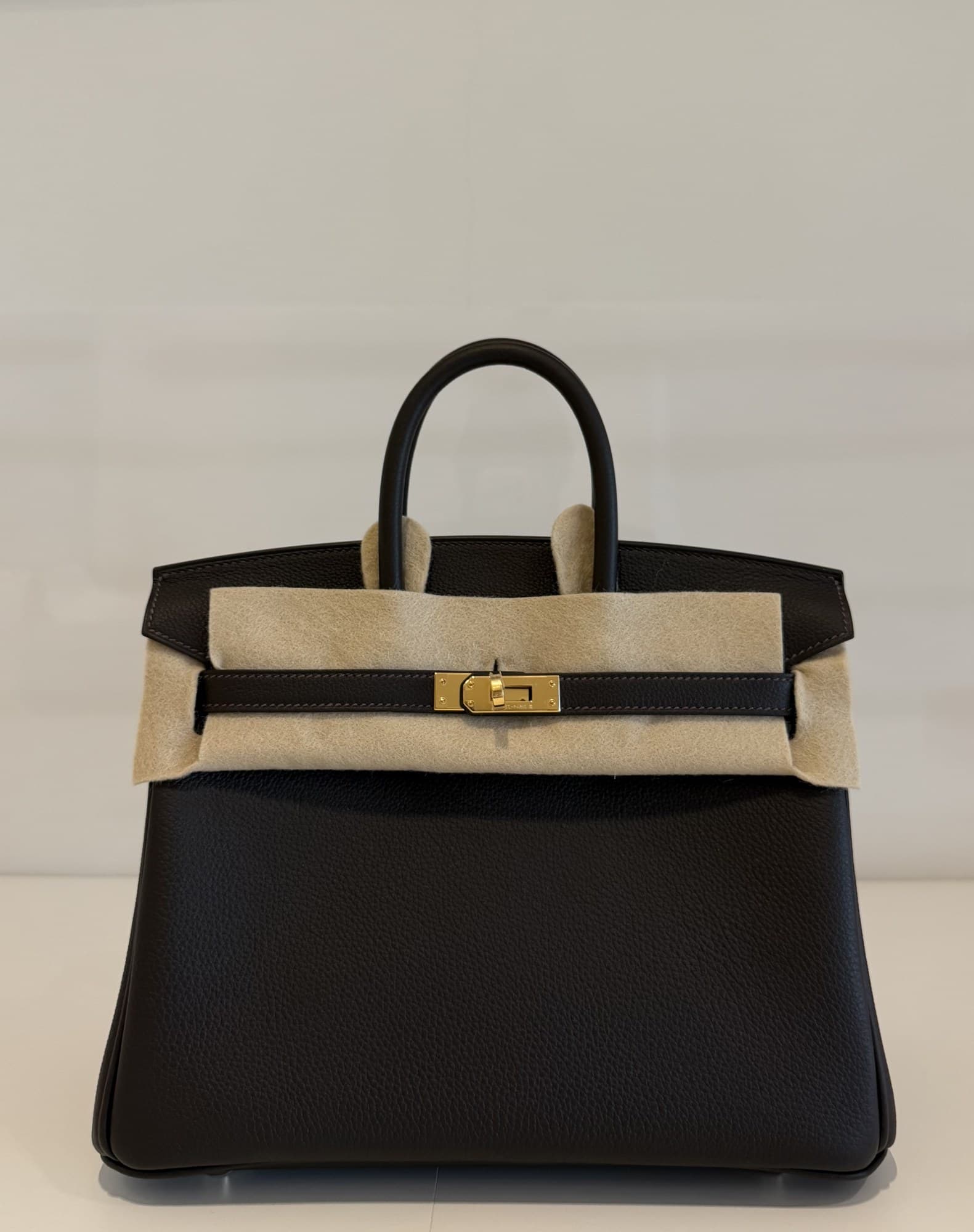
Certain configurations have held value particularly well. The Birkin 25 in Noir Togo with gold hardware — the most liquid configuration in the market — has seen consistent price growth over the past decade. Exotic skin Birkins, particularly in Niloticus crocodile, have also shown strong value retention for store-fresh examples.
Why the Birkin Holds Its Value
Several structural factors combine to make the Birkin uniquely resilient.
Extreme production scarcity. Each Birkin is handcrafted by a single artisan in France, requiring approximately eighteen hours of work. Hermès deliberately limits production to preserve quality and exclusivity. The brand maintains a strict allocation system that prioritises long-standing clients with significant purchase histories. Waiting times of two years or more are common, even for established clients.
Absolute pricing discipline. Hermès has never offered sales, discounts, outlet pricing or promotional events. The retail price moves in one direction only — upward. Annual increases of 5–8% have been consistent for over a decade. This means the replacement cost of a Birkin rises every year, providing a floor price for the secondary market.
Permanent excess demand. Hermès produces fewer bags than the market demands. This is not artificial scarcity — it is a genuine constraint of a handmade production model. The gap between supply and demand creates a permanent premium on the pre-owned market, where buyers who cannot access retail allocation are willing to pay above retail for immediate availability.
Cultural permanence. The Birkin has transcended fashion to become a cultural symbol. It is referenced in music, film, literature and art. Each new generation of collectors discovers the Birkin, adding demand without any corresponding increase in supply.
Durability. A well-maintained Birkin lasts decades. The saddle stitching is stronger than machine stitching and will not unravel. The leathers — Togo, Clemence, Epsom — age gracefully with proper care. This means Birkins retain functional value even after years of use, supporting resale prices across all condition grades.
2026 Market Performance
In 2026, the pre-owned Hermès market remains exceptionally strong. Several Hermès handbag models currently trade above their retail prices on the secondary market.
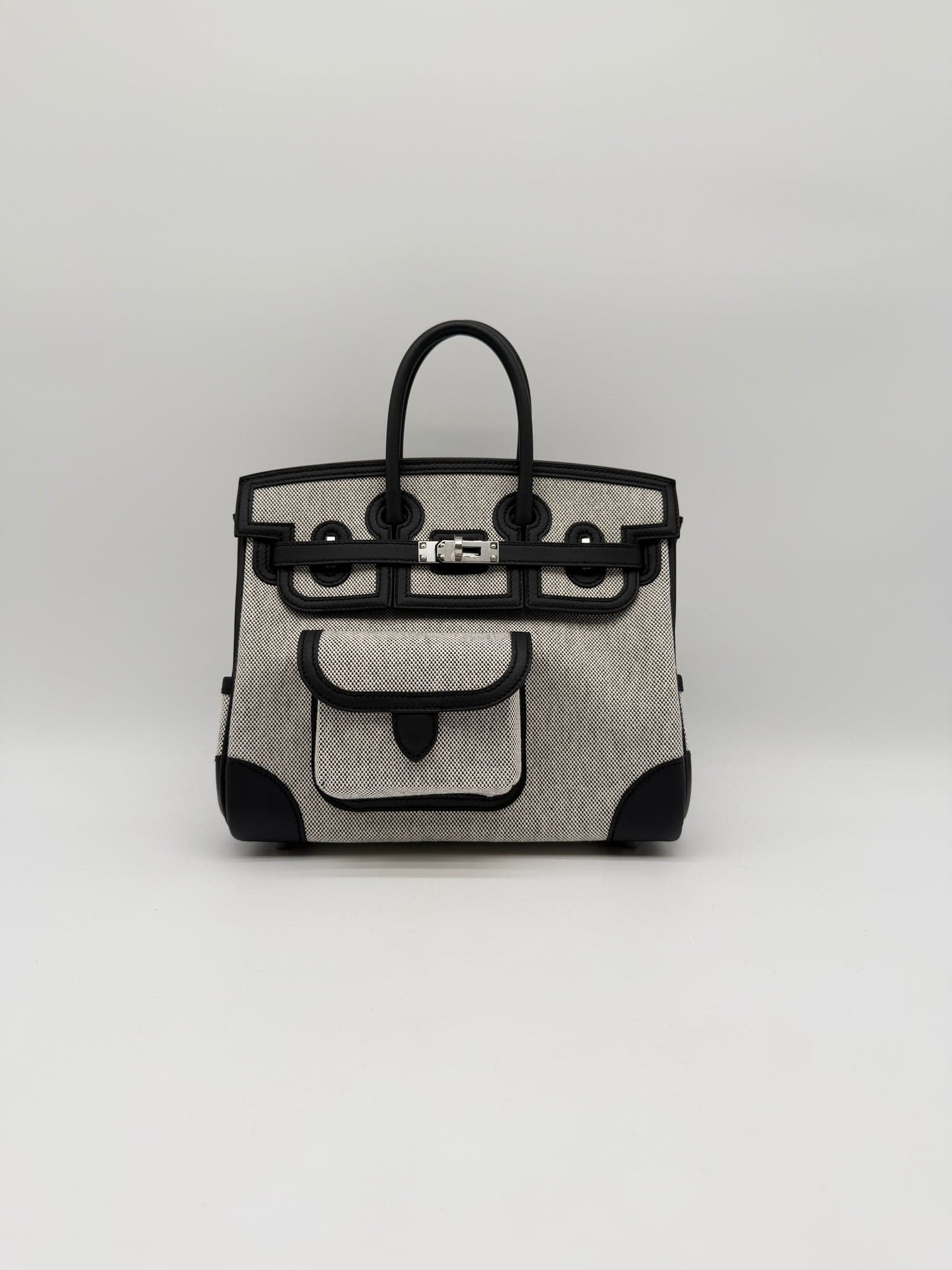
The Kelly Mini II leads at approximately 200–280% of its original retail price, driven by acute scarcity and enormous demand. The Birkin 25 Sellier achieves approximately 150–180% of retail. The standard Birkin 25 in classic colours and gold hardware achieves approximately 130–170% of retail. The Constance 18 reaches approximately 130–160% of retail.
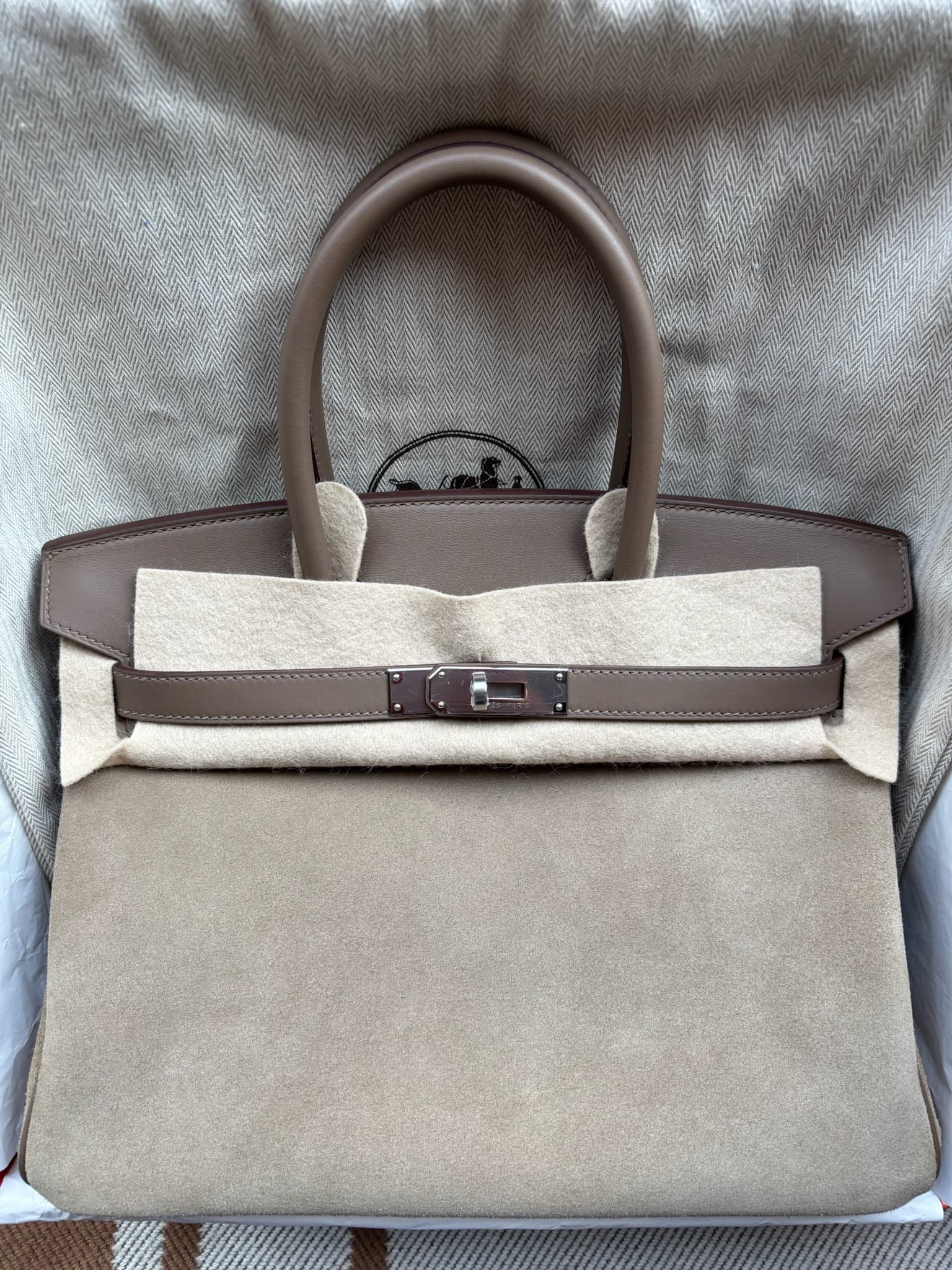
For Birkin buyers specifically, the 25 and 30 sizes in neutral colours — Noir, Gold, Étoupe, Craie — with gold hardware remain the strongest performers. These configurations sell fastest and at the most consistent premiums, making them the most sought-after on the secondary market.
Larger sizes — particularly the Birkin 35 and 40 — trade at smaller premiums or at retail-equivalent prices. This reflects the market's strong preference for compact bags, which has been the dominant trend for several years and shows no signs of reversing.
Which Configurations Hold Value Best
Not all Birkins hold value equally. Size, colour, leather and hardware all affect resale performance.
Size: The Birkin 25 holds value most consistently, followed by the 30. The 35 and 40 trade at lower multiples of retail. The Birkin 25 Sellier — a more structured version with exposed seams — commands a premium over the standard Retourné construction.
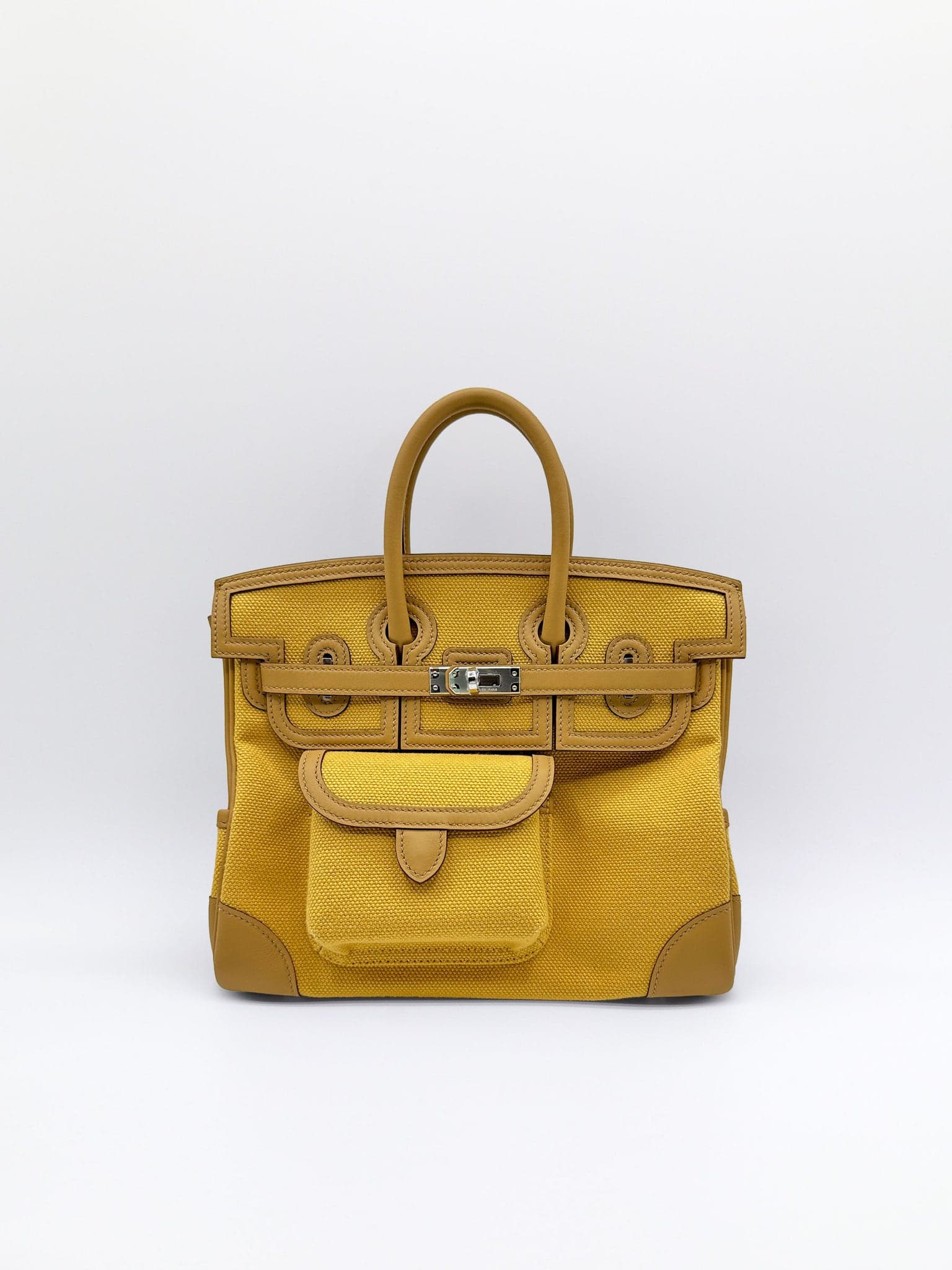
Colour: Noir (black), Gold (tan), Étoupe (grey-brown), and Craie (cream) are the four most liquid colours. They sell fastest and at the most consistent premiums. Bleu Nuit, Rouge Casaque and seasonal colours can achieve high premiums initially but carry more liquidity risk — they may take longer to sell and attract a narrower pool of buyers.
Leather: Togo is the benchmark — it combines scratch resistance, durability and a beautiful grain that appeals to the widest audience. Clemence performs well but is slightly less liquid. Epsom is increasingly popular for its lightweight rigidity. Swift and Box calf are niche leathers that appeal to connoisseurs but trade less frequently.
Hardware: Gold hardware (GHW) commands a small but consistent premium over palladium (PHW) — typically 5–10%. Rose gold hardware (RGHW) is newer and less liquid but increasingly sought-after.
For a detailed comparison of how Birkin pricing compares to Kelly pricing, see our guide at byjull.com/journal/how-much-does-birkin-cost-2026.
The Pre-Owned Advantage
For buyers who value their time, the pre-owned market offers a distinct advantage over retail: immediate availability. Rather than waiting years on a boutique wishlist — with no guarantee of receiving the colour, leather or size you want — you can acquire the exact piece you want today.
Many pre-owned Birkins in the 30 and 35 sizes are available at or below current retail prices, particularly in less common colours or leathers. Given that retail prices increase annually, buying pre-owned at today's retail price means acquiring a bag before the next price increase.
For highly sought-after configurations — the Birkin 25 in classic colours — pre-owned prices typically exceed current retail. The premium reflects market demand for bags that are extremely difficult to obtain through the boutique.
Risks to Consider
Pre-owned luxury is not without risk, and buyers should be aware of several factors.
Market sentiment. The pre-owned luxury market is ultimately driven by consumer demand. A significant economic downturn could reduce demand for luxury goods, including Hermès. That said, the Hermès secondary market has historically been more resilient than other luxury brands during downturns.
Condition. A Birkin used heavily without proper care will lose value faster than one kept in excellent condition. Storage, cleaning and handling all matter. A single deep scratch can reduce a bag's market position by thousands of pounds.
Selling timelines. While the Birkin is one of the most liquid items in luxury resale, selling a bag takes days or weeks, not seconds. Achieving the best price may require patience and the right selling channel.
Counterfeits. The counterfeit market for Hermès bags is sophisticated and growing. Buying from unvetted sources carries risk of overpaying for a fake. Always buy from a specialist dealer with a documented authentication process.
JULL is a specialist in new, unworn and pre-owned Hermès, not a financial advisor. Pre-owned handbag values can rise or fall over time, and condition has a direct effect on resale price. We recommend buying a Birkin because you want to own and use the bag — never on the assumption of a future financial return.
The Verdict
In 2026, the Hermès Birkin remains one of the most compelling luxury purchases available. The structural factors that support its value — handmade production scarcity, absolute pricing discipline, permanent excess demand — are intact and show no signs of weakening.
For buyers seeking a combination of aesthetic pleasure and enduring quality, the Birkin 25 in a classic colour with gold hardware remains the benchmark. It is the most sought-after, most consistently valued, and most widely recognised piece in the luxury market.
At JULL, every pre-owned Birkin we offer is personally authenticated in our London workroom and available for immediate purchase or sourcing. Contact us to discuss your requirements.
If you are selling rather than buying, see how JULL buys Hermès bags: a firm offer within 24 hours, outright or on consignment.