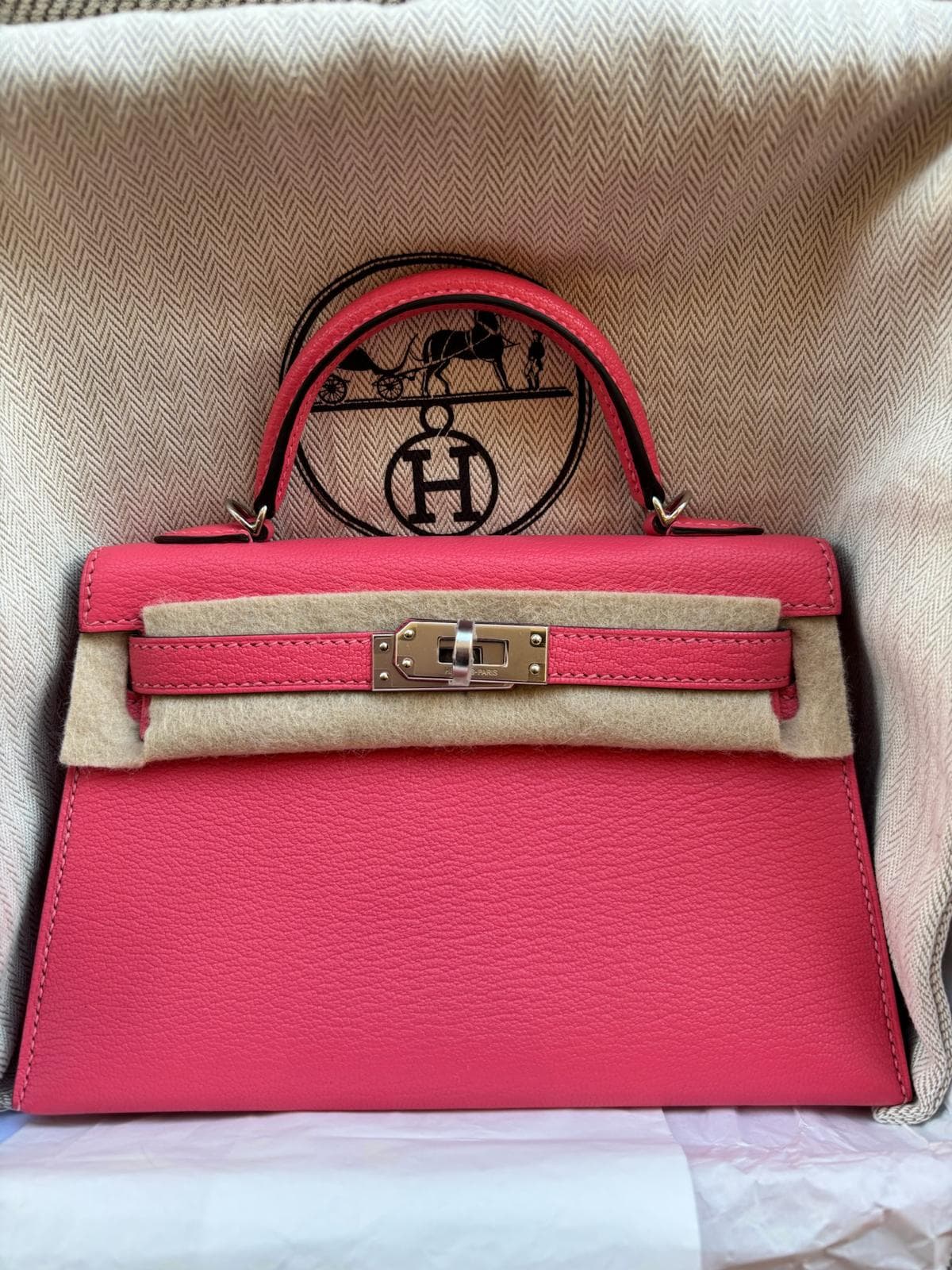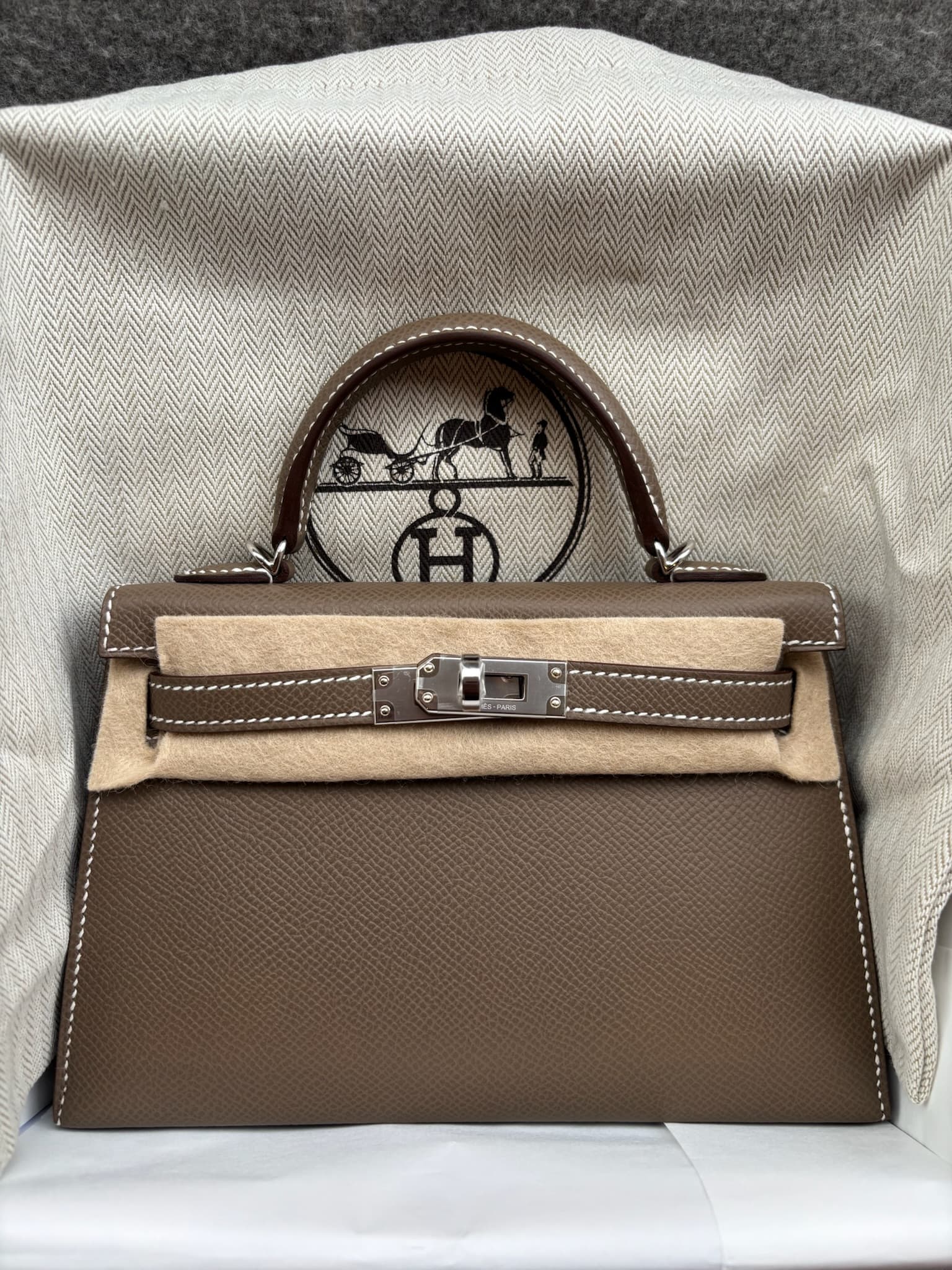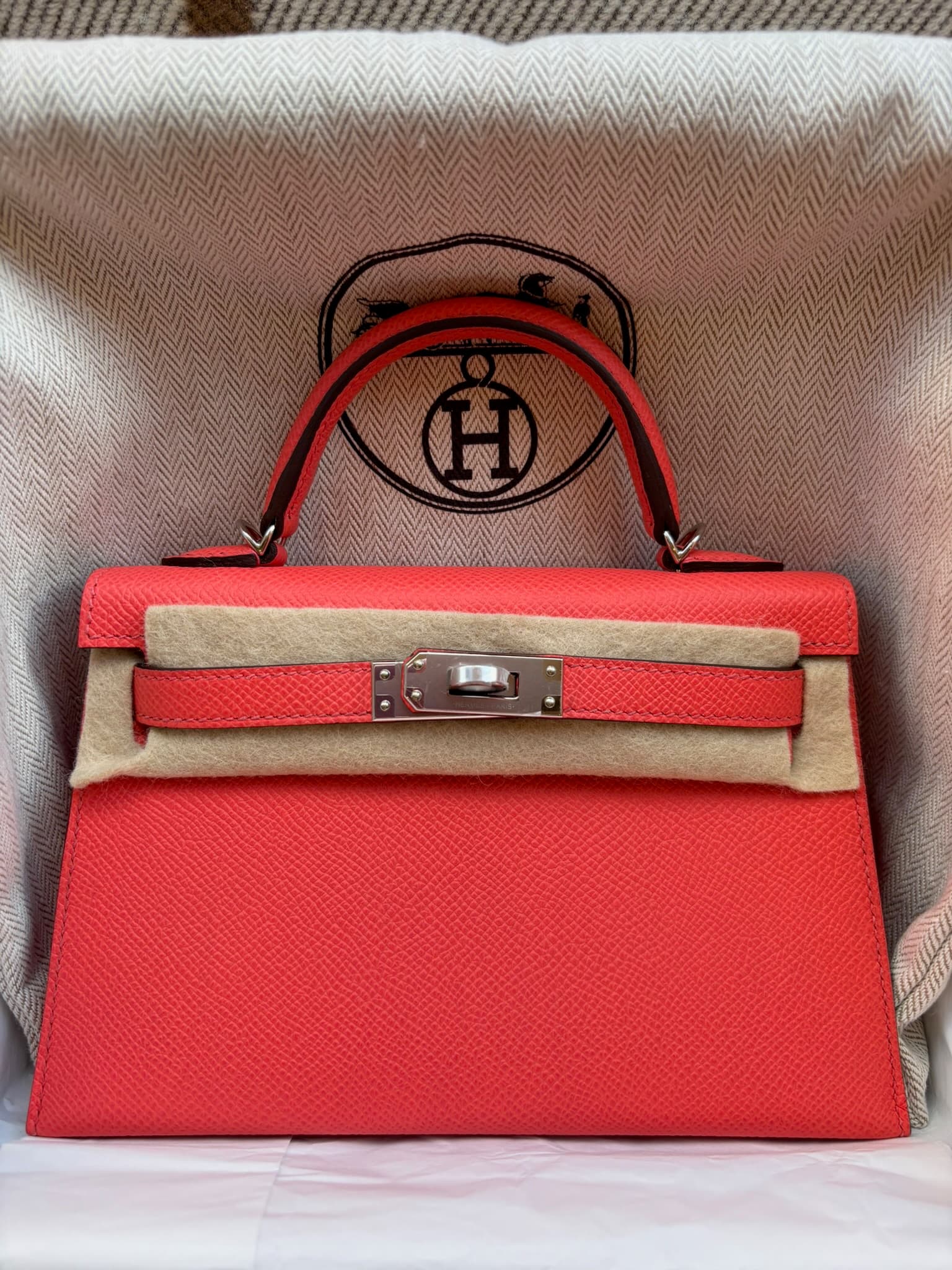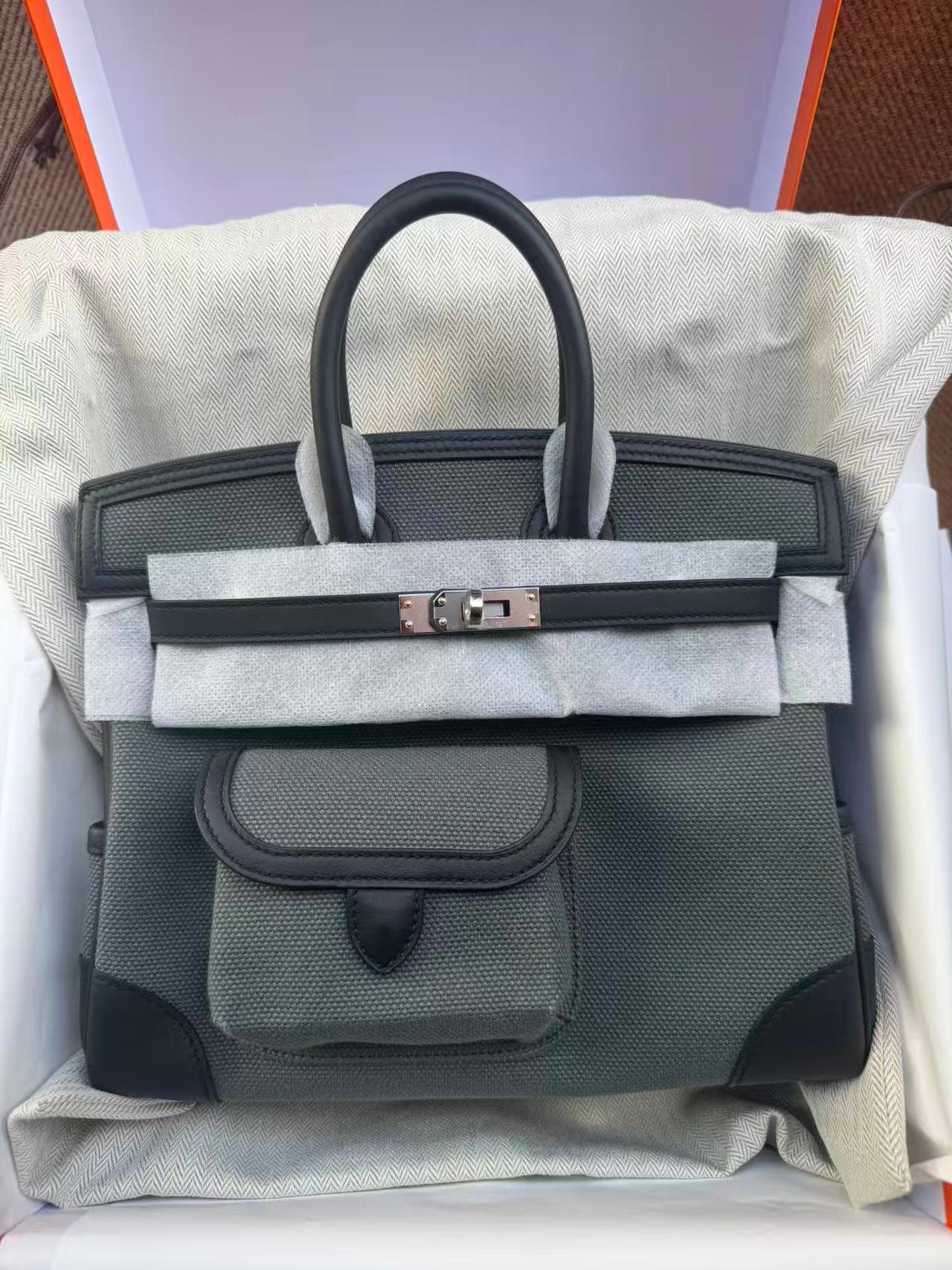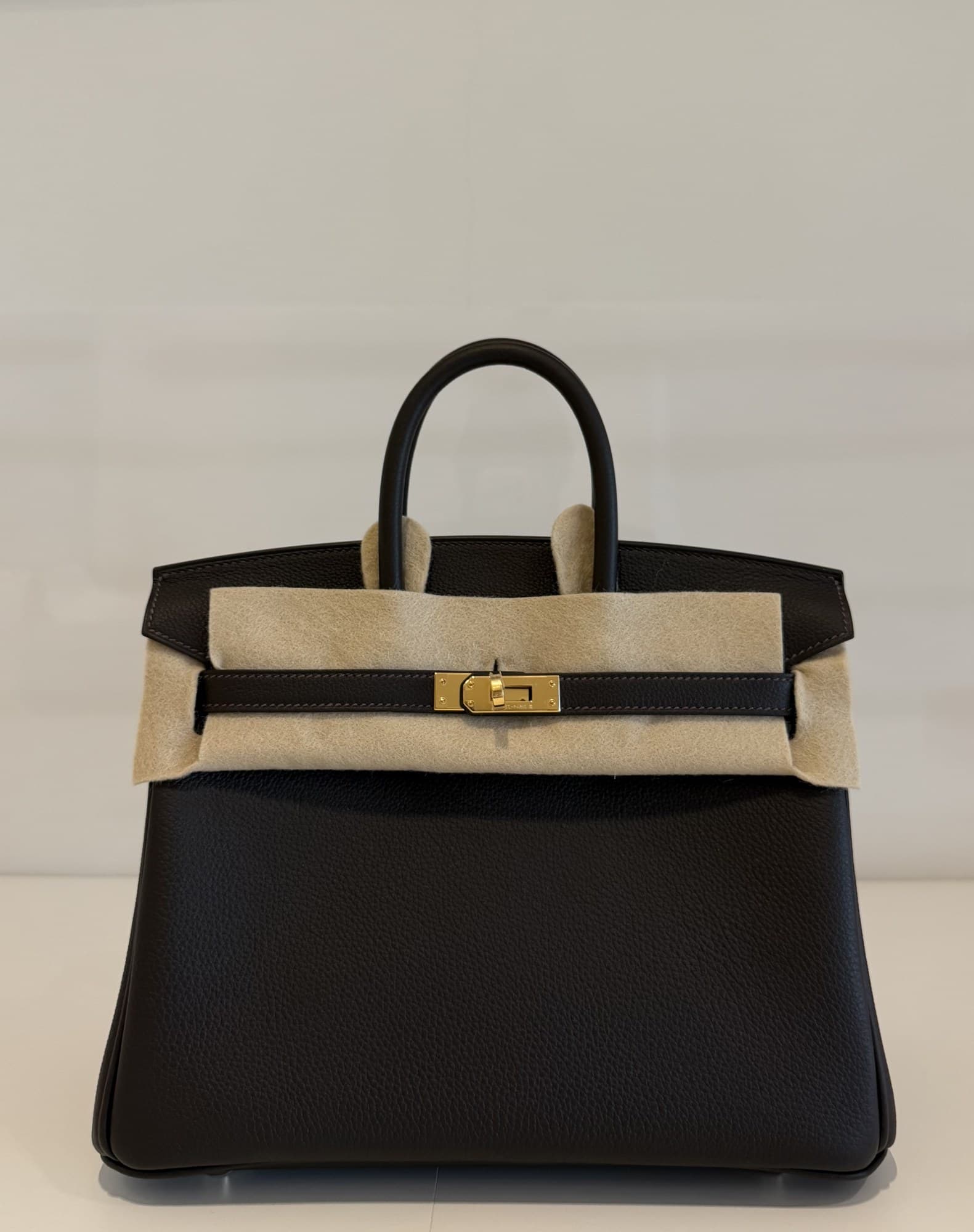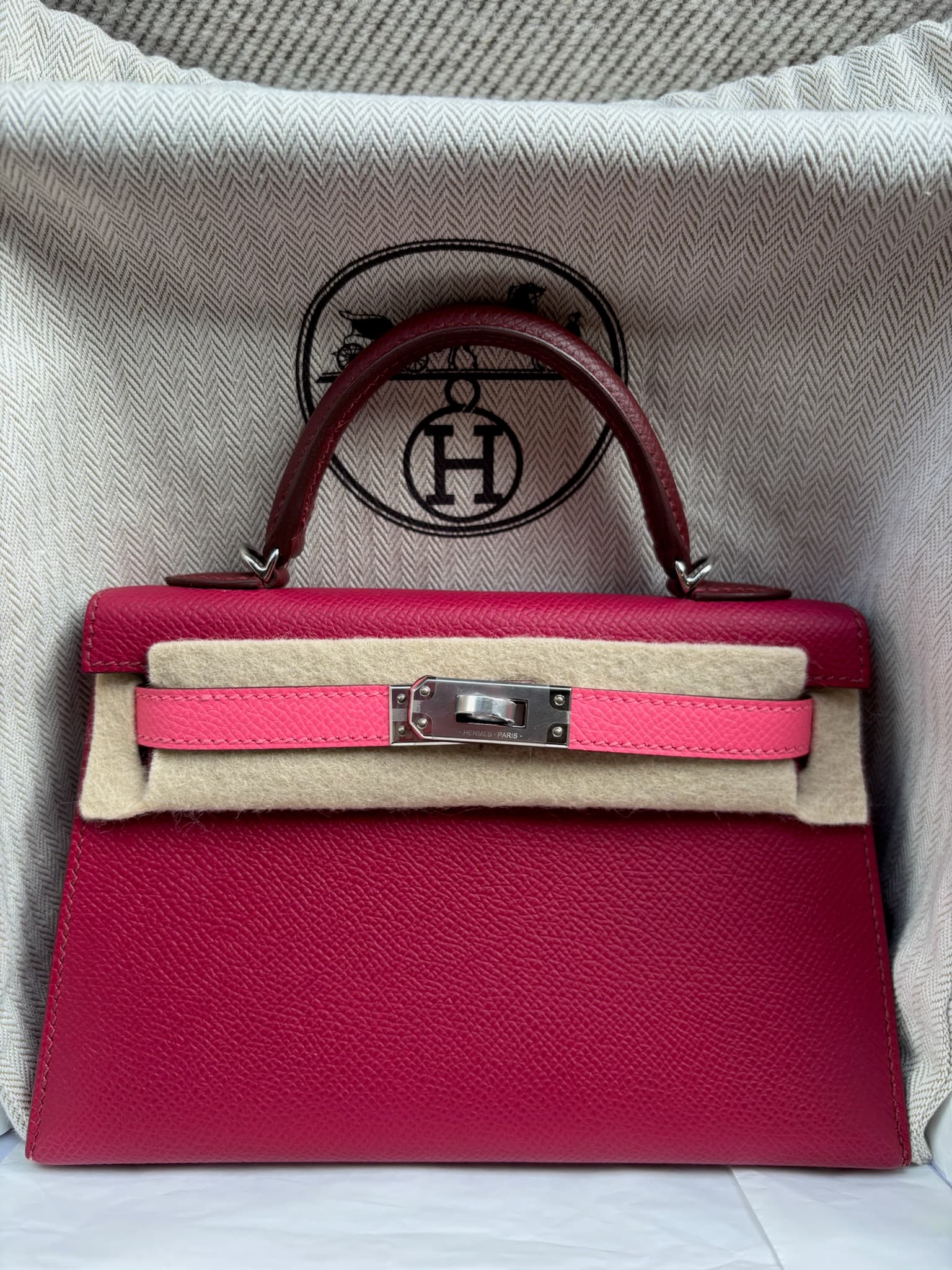
A Hermès bag is one of the finest leather goods ever produced. Whether you own a Birkin, Kelly, Constance or Picotin, the craftsmanship that goes into each piece — approximately 48 hours of hand-stitching by a single artisan — deserves care that matches its quality. Proper maintenance does not merely preserve appearance; it directly protects the resale value of your piece.
This guide covers everything you need to know about Hermès bag care, from daily handling to long-term storage, leather conditioning, hardware maintenance and professional restoration services.
Daily Care and Handling
The most effective Hermès leather care begins with simple daily habits that prevent damage before it occurs.
Always handle your bag with clean, dry hands. Natural oils, hand cream and sanitiser residue transfer easily to untreated leather, leaving dark marks that are difficult or impossible to remove — particularly on lighter colours such as Craie, Nata and Rose Sakura. If you have just applied hand cream, wait until it has fully absorbed before touching your bag.
Be mindful of what you place inside your bag. Loose pens, uncapped lipsticks and leaking bottles are responsible for more interior damage than almost any other cause. Use a bag organiser or small pouches to contain items that could spill, leak or scratch. Hermès bags are not lined with plastic — the interior leather or chevre lining will absorb liquids immediately and permanently.
Avoid placing your bag directly on the floor. Hard floors can scratch hardware and bases, whilst wet or dirty surfaces can stain leather on contact. A bag hook or a small silk scarf placed beneath the bag on a table protects the base from scratches and moisture.
Rotate your bags regularly. Using the same bag every day accelerates wear on handles, corners and closure hardware. If you own multiple Hermès pieces, rotating them weekly gives each bag time to rest and allows any minor compression from use to recover naturally.
How to Clean Your Hermès Bag
Cleaning a Hermès bag requires a gentle approach. The leathers used by Hermès — Togo, Clemence, Epsom, Swift, Box Calf and others — are premium skins that respond poorly to harsh chemicals or abrasive cleaning methods.
For surface dust and light dirt, use a soft, lint-free cloth — microfibre works well — and gently wipe the exterior in the direction of the grain. This should be done weekly, or after any outing where the bag was exposed to dust, pollen or urban pollution. London's atmosphere deposits a fine layer of particulate matter that can dull leather over time if not regularly removed.
For light marks on grained leathers such as Togo and Clemence, a slightly damp cloth — barely moist, never wet — can be used with gentle circular motions. Allow the area to air-dry completely away from direct heat. Never use a hairdryer, radiator or direct sunlight to speed drying, as heat warps leather and causes irreversible cracking.
For smooth leathers such as Box Calf and Swift, avoid water entirely. These leathers show every mark, scratch and water spot immediately. A dry, soft cloth is the safest option. Box Calf develops a distinctive patina over time — this is considered desirable and is part of the leather's character.
Never use baby wipes, household cleaners, alcohol-based products or leather wipes designed for furniture or car interiors. These products contain chemicals that strip natural oils from Hermès leather, causing dryness, discolouration and cracking. The damage is typically irreversible.
Leather Conditioning
Hermès leathers are finished to an exceptionally high standard and do not require frequent conditioning. Over-conditioning is one of the most common mistakes owners make — it can darken leather, clog pores and create an unnatural sheen.
For Togo and Clemence leathers, a light application of a quality leather conditioner once or twice a year is sufficient. Use a product specifically designed for fine luxury leather. Apply a small amount to a soft cloth, work it gently into the leather in circular motions, and allow it to absorb for several hours before buffing with a clean cloth.
For Epsom leather, conditioning is rarely necessary. This leather has a coated finish that resists moisture and maintains its appearance with minimal intervention.
For Swift leather, conditioning should be approached with extreme caution. Swift is a particularly absorbent leather and will darken noticeably if over-conditioned. Test any product on an inconspicuous area first.
For exotic skins — crocodile, alligator and ostrich — do not attempt to condition at home. These skins require specialist products and techniques. Always consult a professional.
Hardware Care
Hermès hardware — whether gold-plated (GHW), palladium (PHW) or rose gold (RGHW) — is plated metal that requires careful handling to maintain its finish.
Keep hardware dry. Water, particularly hard water common in many parts of London and the south-east of England, leaves mineral deposits that can dull or mark plating over time.
Avoid contact with perfume, hairspray and cleaning products. Chemical sprays are a leading cause of hardware tarnishing and pitting. Always apply perfume and hairspray before putting on your bag.
Do not polish hardware with abrasive cloths or metal polishes. The plating on Hermès hardware is thin by design — aggressive polishing removes the plating permanently. A soft, dry cloth is all that is needed for regular maintenance.
Be cautious with the turn-lock closure. The Birkin's iconic turn-lock and the Kelly's rotating clasp are precision mechanisms. Forcing them when misaligned puts stress on the hardware and can cause plating wear around the mechanism.
Protecting Your Bag from Rain and Water Damage
British weather is unpredictable, and rain is one of the most common causes of damage to Hermès bags in the UK. Different leathers react to water in different ways.
Togo and Clemence are among the most water-resistant Hermès leathers. Light rain will typically bead on the surface and can be blotted away with a dry cloth without leaving marks. Prolonged exposure will cause darkening and water spots.
Swift and Box Calf are highly susceptible to water damage. Even a few drops of rain can leave visible marks. If you own a bag in Swift or Box Calf, avoid carrying it in uncertain weather entirely.
Epsom offers good water resistance due to its coated finish, but is not waterproof.
If your bag does get wet, blot — never rub — the affected area with a dry, absorbent cloth. Stuff the bag with acid-free tissue paper to maintain its shape as it dries, and leave it in a well-ventilated room at room temperature. Do not use heat of any kind.
For rainy days in London, consider carrying your bag inside a larger tote, or simply choose a different bag. No amount of protective spray is worth the risk — many sprays marketed for luxury leather actually cause more harm than the water they claim to repel.
Preventing Colour Transfer
Colour transfer — where dye from clothing, other leather goods or printed materials migrates onto your bag — is a serious concern, particularly for light-coloured Hermès bags.
Dark denim is the most common culprit. The indigo dye used in jeans transfers readily onto lighter leathers, especially Clemence and Swift, with body heat and friction accelerating the process. Be conscious of how your clothing contacts the bag, particularly where it sits against your hip.
Newspaper and magazine print can transfer onto leather during transit. Never wrap your bag in newspaper or place printed materials directly against the exterior.
If colour transfer occurs, do not attempt to remove it yourself with household products. The stain is typically embedded in the leather fibres and requires professional treatment. Contact a specialist as soon as possible.
How to Store Your Hermès Bag
Proper storage is critical for maintaining the shape, leather quality and hardware condition of your Hermès bag.
Always stuff your bag before storing it. Use acid-free tissue paper, bubble wrap or a purpose-made bag pillow to fill the interior and maintain the bag's structure. Avoid using newspaper — the ink transfers.
Store each bag in its Hermès dust bag. The orange cotton dust bag is specifically designed to allow air circulation whilst protecting against dust and light. If you no longer have the original, a breathable cotton pillowcase is an acceptable alternative.
Never store your bag in plastic. Plastic bags, cling film and sealed containers trap moisture, creating conditions for mould growth. Mould on Hermès leather is extremely difficult to remove and can permanently damage both the surface finish and the leather structure beneath.
Store bags upright, not stacked. Stacking puts pressure on lower bags, causing dents, creases and hardware impressions that may become permanent.
Avoid direct sunlight and heat. Ultraviolet light fades leather colour, whilst heat dries and cracks it. Store your bags in a cool, dark cupboard or wardrobe.
Control humidity. Ideal storage humidity for leather is between 40% and 60%. In centrally heated London homes, winter humidity often drops below 30% — a small hygrometer in your storage area helps you monitor conditions.
The Hermès Spa Service
Hermès offers an in-house refurbishment service known informally as the Hermès spa service. This is a professional restoration carried out at Hermès workshops in France, using the same materials, dyes and techniques employed during original manufacture.
The spa service can address scuffs, scratches, colour fading, light stains, dried-out leather, hardware re-plating, re-stitching of worn seams and structural repairs. To access the service, bring your bag to any Hermès boutique — the Hermès Bond Street boutique in London is the most convenient option for UK-based clients. Turnaround times typically range from six to twelve weeks. Costs generally range from £200 to £800 for standard services.
The spa service is available only for authentic Hermès products. This service is one of the unique advantages of owning genuine Hermès — it effectively means your bag can be periodically renewed to near-original condition throughout its lifetime.
Common Hermès Bag Care Mistakes
Over-conditioning leather, which darkens colour and creates an unnatural finish. Less is always more with Hermès leather.
Storing bags in plastic, which traps moisture and leads to mould.
Using inappropriate cleaning products — baby wipes, household sprays, furniture polish — which strip natural oils and damage finishes.
Neglecting hardware, allowing tarnish and corrosion to set in through prolonged contact with moisture or chemical products.
Ignoring minor damage. Small scratches, stains and worn corners are far easier and cheaper to address when fresh.
A well-maintained Hermès bag retains the vast majority of its resale value. A Birkin 25 in excellent condition can achieve 20–30% more than an identical bag in fair condition.
At JULL, we assess hundreds of pre-owned Hermès bags each year, and the difference between a well-cared-for piece and a neglected one is immediately apparent. Contact us via WhatsApp to discuss your requirements.