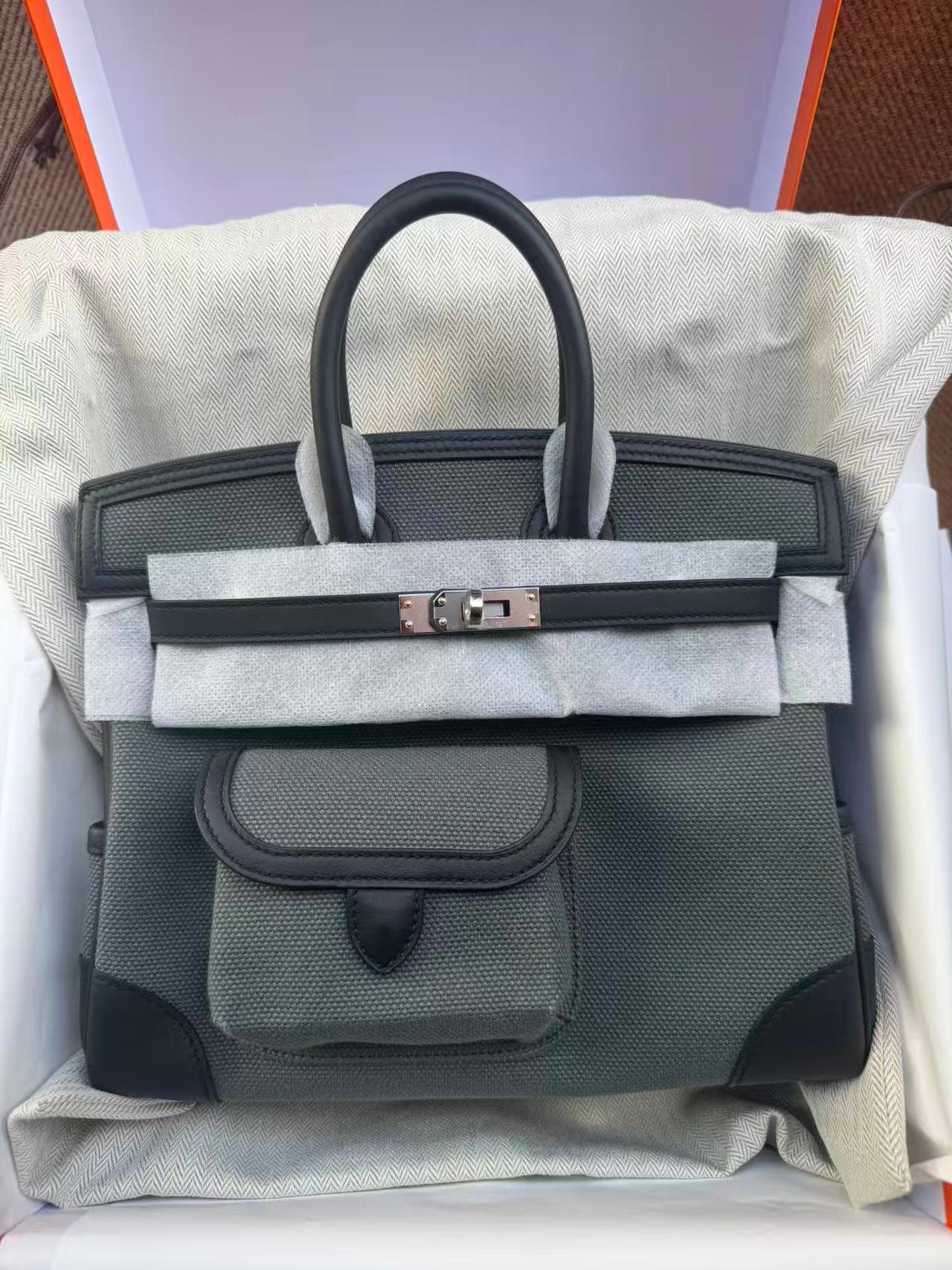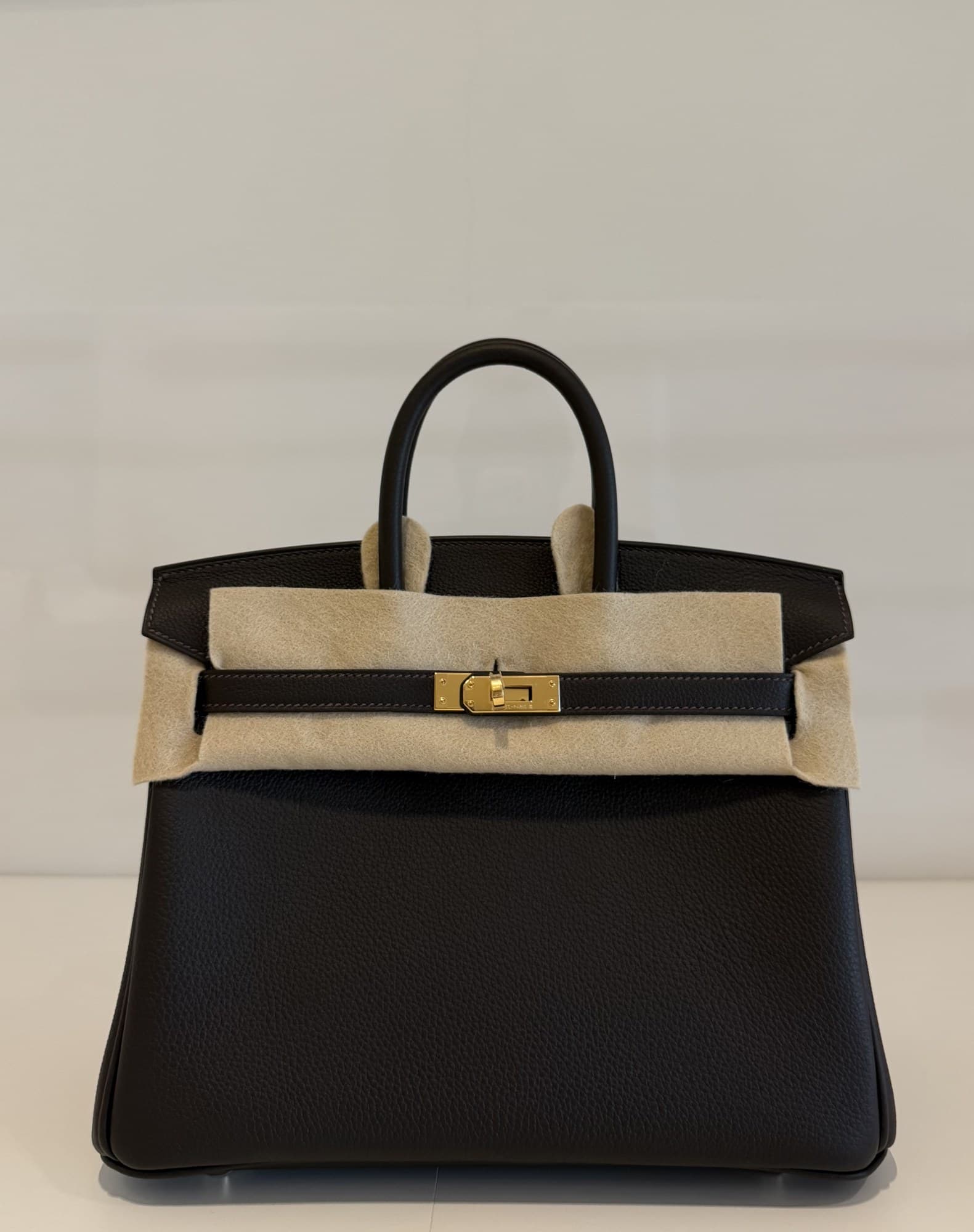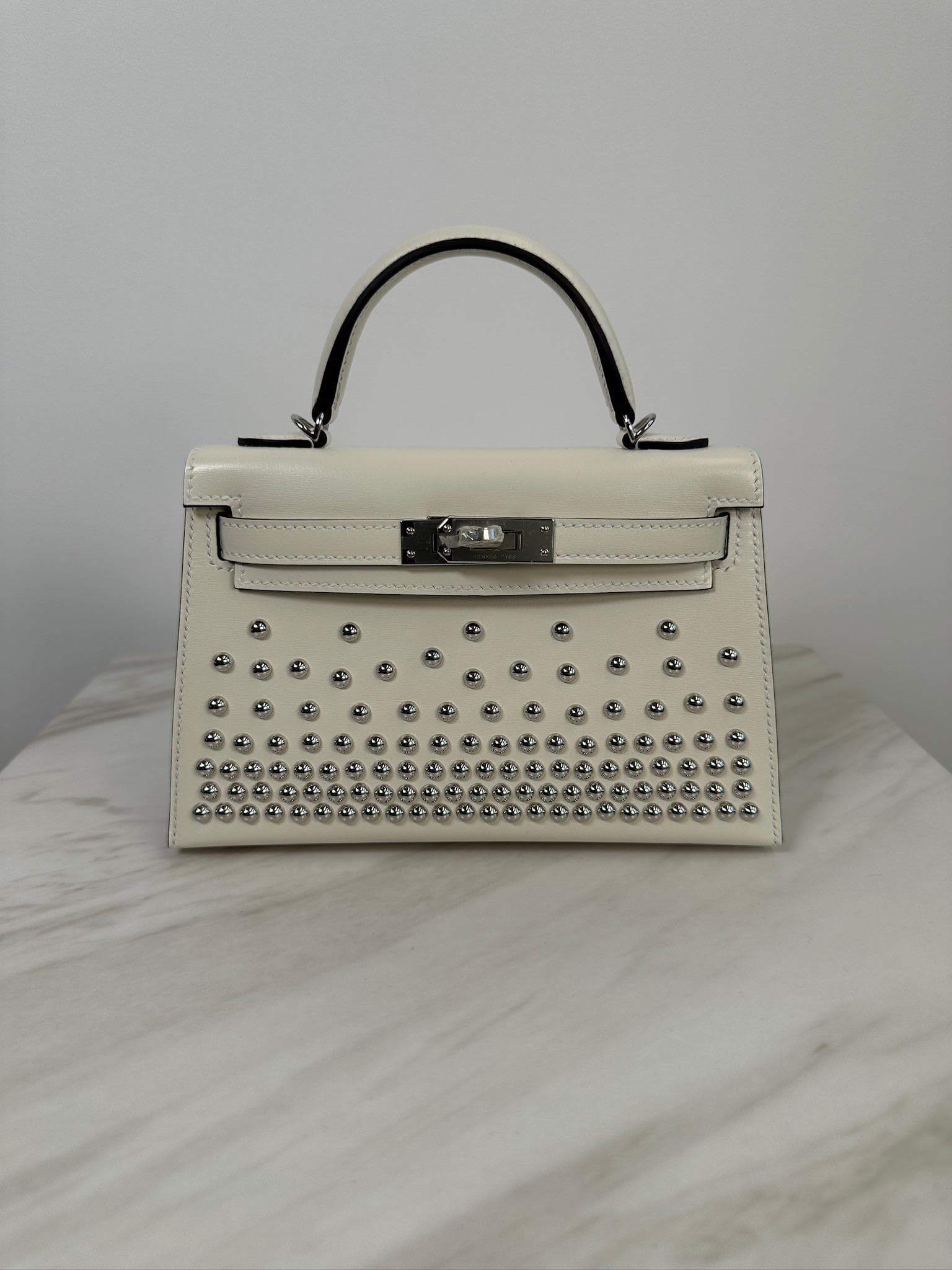
Buying a Hermès bag — whether a Birkin, Kelly, Constance, Mini Kelly or Picotin — is one of the most significant purchases in the luxury market. Prices range from several thousand pounds for a Picotin to well over £100,000 for rare exotic Birkins. At these price points, mistakes are costly, and the margin for error is unforgiving.
Over the years, we have seen buyers — both first-time purchasers and experienced collectors — make avoidable errors that cost them thousands of pounds, left them with inauthentic products, or resulted in bags they could not resell at reasonable prices. This guide covers the ten most common Hermès buying mistakes and provides practical advice on how to avoid each one.
1. Buying Without Proper Authentication
This is the single most expensive mistake a buyer can make. The counterfeit Hermès market has become extraordinarily sophisticated. Modern fakes use genuine leather, high-quality hardware, accurate stitching patterns and convincing packaging. Some counterfeits are so accomplished that they fool casual buyers, social media authenticators and even some resellers who lack specialist training.
A fake Birkin 25 purchased for £10,000–£15,000 is worth nothing. Worse, attempting to resell it — even unknowingly — exposes the seller to legal liability and reputational damage.
How to avoid it: Only purchase from sellers who provide documented, transparent authentication. This means a multi-point physical inspection by a trained specialist, not a cursory photograph review or an algorithm-generated certificate. At JULL, every bag undergoes a comprehensive hands-on authentication in our London workroom, examining over 30 individual markers before listing.
2. Overpaying on the Wrong Platform
The pre-owned Hermès market includes a wide range of selling platforms: specialist dealers, consignment stores, auction houses, peer-to-peer marketplaces and social media sellers. Prices for identical bags can vary by 20–40% across these channels.
How to avoid it: Research current market prices before committing. Compare prices across at least three reputable sources for the specific model, size, colour, leather, hardware and condition grade you are seeking. For UK buyers purchasing from overseas sellers, remember that VAT at 20% and any applicable customs duty will be charged on import.
3. Choosing the Wrong Size or Colour for Resale
If you are buying a Hermès bag with any consideration for future resale value, size and colour selection are critical.
Size preferences: The Birkin 25 and 30 are the strongest performers. The 35 trades at significantly lower premiums. For the Kelly, the 25, 28 and Mini are strongest.
Colour preferences: Neutral colours — Noir, Gold, Étoupe, Craie — are the most liquid. Bold and seasonal colours can achieve high initial premiums but carry more liquidity risk.
How to avoid it: If resale value matters, prioritise classic colours and popular sizes. If you are buying purely for personal enjoyment, choose whatever speaks to you — but do so with open eyes about the resale implications.
4. Ignoring Condition Grades
Condition is one of the most significant determinants of pre-owned Hermès pricing. The difference between a bag in excellent condition and one in good condition can be 15–30% of the total price.
Common condition issues that significantly affect value include: corner wear, handle darkening, scratches on hardware, interior stains, colour transfer from clothing, scratches on leather, dried-out or cracked leather, and odours.
How to avoid it: Request detailed photographs of all six sides, the base, handles, hardware, interior, blind stamp and any areas of concern. If buying in person, examine under strong, natural light. Understand the condition grading system used by your seller — there is no universal standard.
5. Not Checking Blind Stamps
Every authentic Hermès bag carries a blind stamp — a small embossed marking indicating the year of production and the artisan who made the bag. The blind stamp is a critical authentication marker and provides important provenance information.
How to avoid it: Before purchasing, ask to see the blind stamp and verify it is consistent with the claimed age of the bag. Hermès uses a letter-based dating system: each letter corresponds to a specific year. If a seller cannot locate or clearly photograph the blind stamp, this is a warning sign.
6. Buying from Unverified Sellers
The democratisation of online selling means anyone can list a Hermès bag for sale. Instagram, WhatsApp groups, Facebook Marketplace, Depop and other platforms are full of listings from individuals with no authentication credentials and no accountability.
The proliferation of superfake counterfeits means that even well-intentioned sellers may unknowingly list inauthentic products they themselves were deceived into purchasing.
How to avoid it: Verify your seller's credentials. Established pre-owned Hermès specialists will have: a physical business address, a documented authentication process, a returns policy, verifiable client testimonials, and years of trading history. For significant purchases, buying from an authenticated specialist in London, such as JULL, provides peace of mind.
7. Not Understanding How Hermès Allocation Works
Many first-time buyers walk into a boutique expecting to purchase a Birkin or Kelly directly. They are invariably disappointed.
Hermès does not operate a waitlist or reservation system. Instead, it operates an allocation system where sales associates offer bags to clients based on their purchase history and relationship. To be offered a Birkin or Kelly, you typically need to spend £5,000–£20,000+ on non-bag purchases over multiple visits.
How to avoid it: If you want a specific bag now, the pre-owned market is the realistic option. If you choose the boutique route, approach it authentically — build a genuine relationship, purchase items you actually want.
8. Impulse Buying Seasonal Colours
Hermès releases new seasonal colours twice a year, and the excitement can drive impulsive decisions. A colour that looks stunning in boutique lighting or on social media may prove difficult to integrate into your wardrobe — and difficult to resell.
How to avoid it: Before purchasing a seasonal colour, ask yourself: does this colour work with at least 70% of my wardrobe? Would I still want this in three years? Consider exploring the colour in a more affordable model — a Picotin or silk scarf — before committing to a Birkin or Kelly. For first-time buyers, a classic neutral is almost always the smarter choice.
9. Neglecting Packaging and Documentation
Original Hermès packaging — the orange box, dust bag, ribbon, care booklet, rain cover, lock and keys, clochette, and receipt — adds tangible value. A complete set can add 5–15% to the resale price.
How to avoid it: When buying pre-owned, confirm exactly what packaging is included. When you own a Hermès bag, store all original packaging carefully. For exotic skin bags, the CITES certificate is particularly important — without it, the bag cannot be legally sold across international borders.
10. Not Researching Current Market Prices
The pre-owned Hermès market is dynamic. Prices fluctuate based on season, demand, new releases, economic conditions and fashion trends. A price that was fair six months ago may be significantly above or below current market value.
How to avoid it: Research current prices across multiple reputable dealers, auction results and trusted resale platforms. Be aware that asking prices are not selling prices. Auction results, which are publicly available, provide the best indication of actual transaction prices.
Understanding the current market also helps you recognise genuine opportunities. A bag priced 10–15% below market value from a reputable, authenticated source represents genuine value.
Making the Right Choice
Buying a Hermès bag should be an informed, considered decision — not an emotional impulse. The bags themselves are extraordinary objects: handcrafted from the finest materials, designed to last decades, and among the very few consumer products that consistently appreciate in value.
Avoid these ten common mistakes, and you will be well-positioned to make purchases that you are genuinely satisfied with for years to come.
At JULL, we guide buyers through the pre-owned Hermès market with transparent pricing, rigorous authentication and honest, expert advice. Contact us via WhatsApp to discuss your requirements.