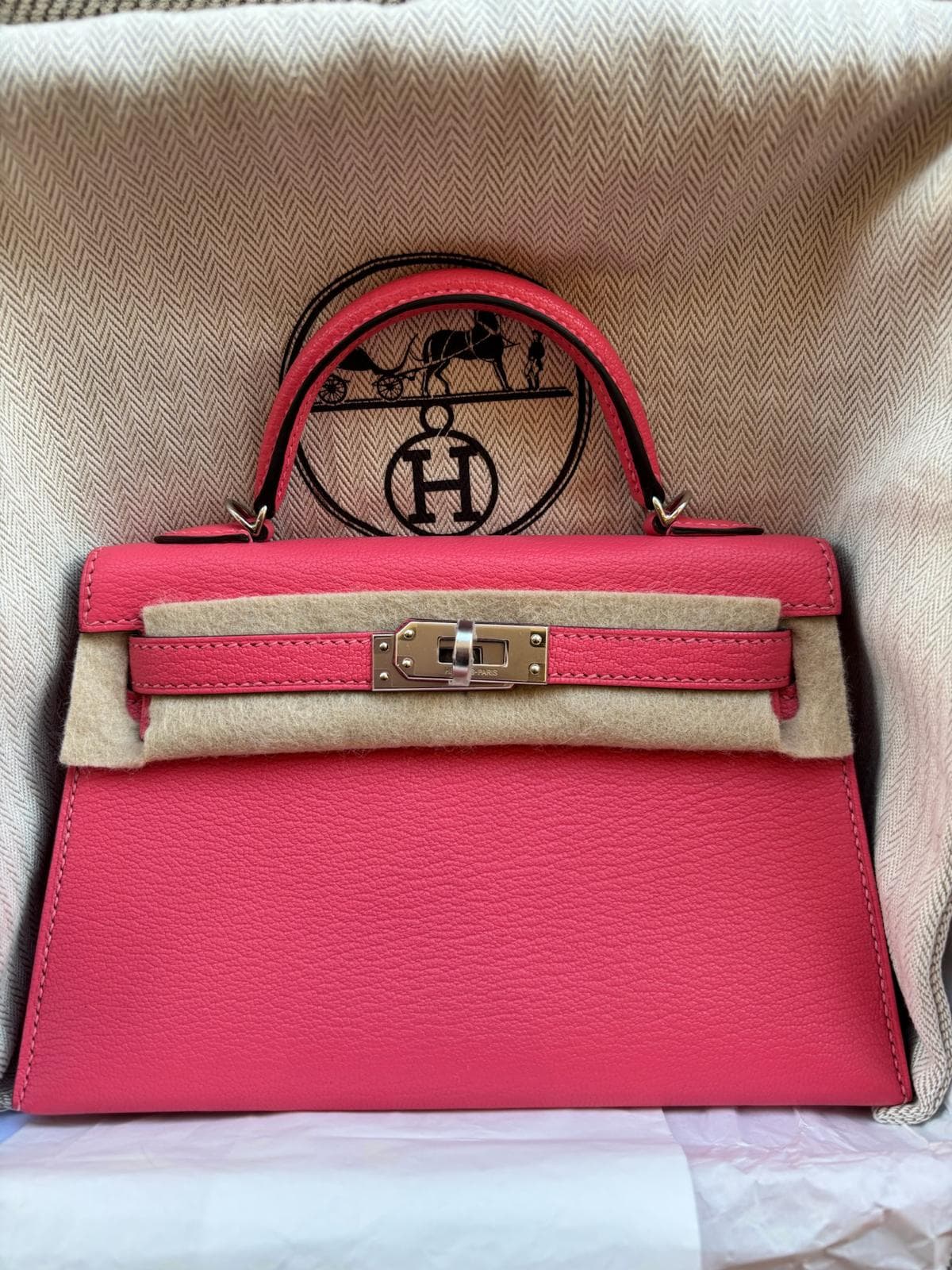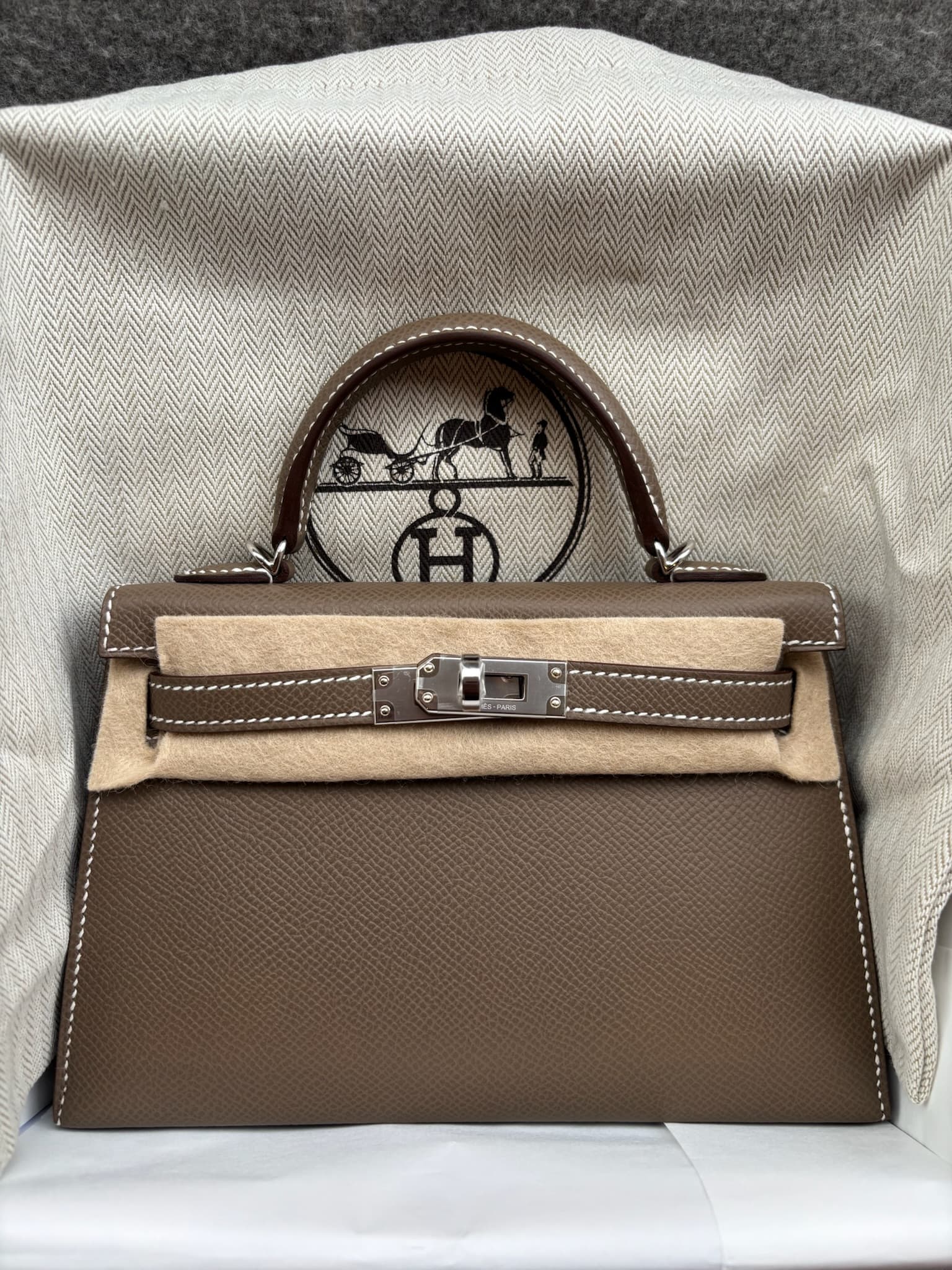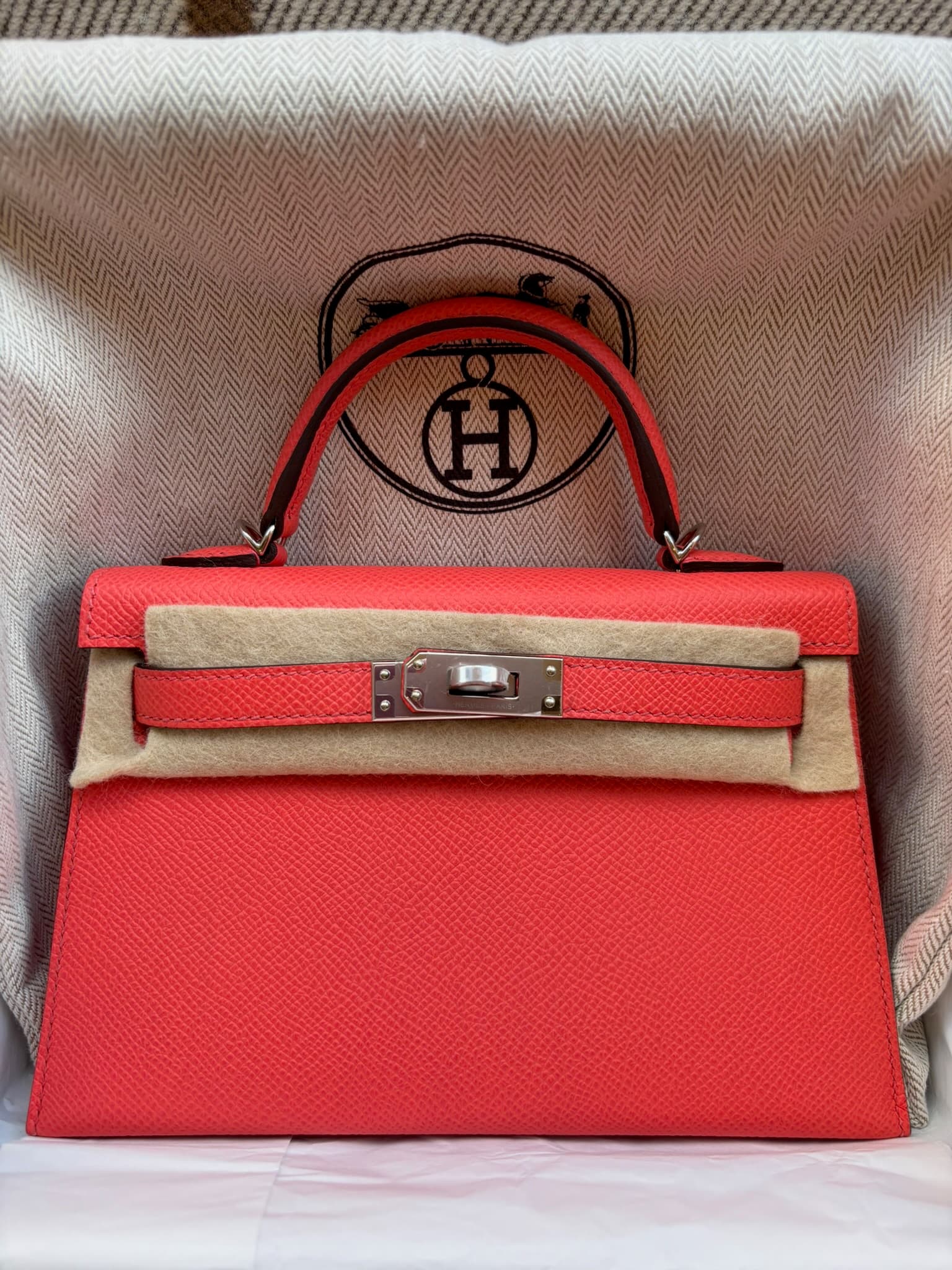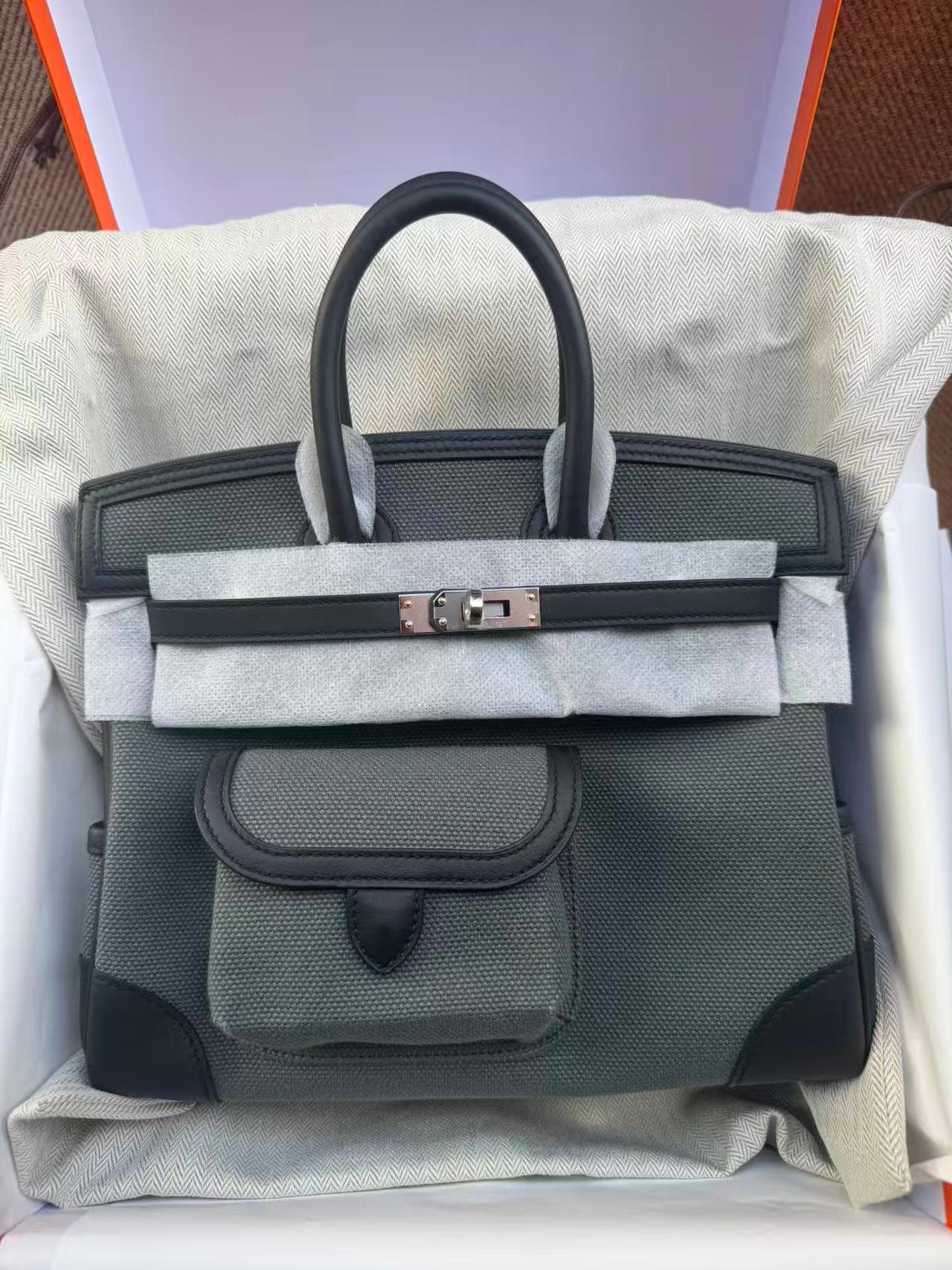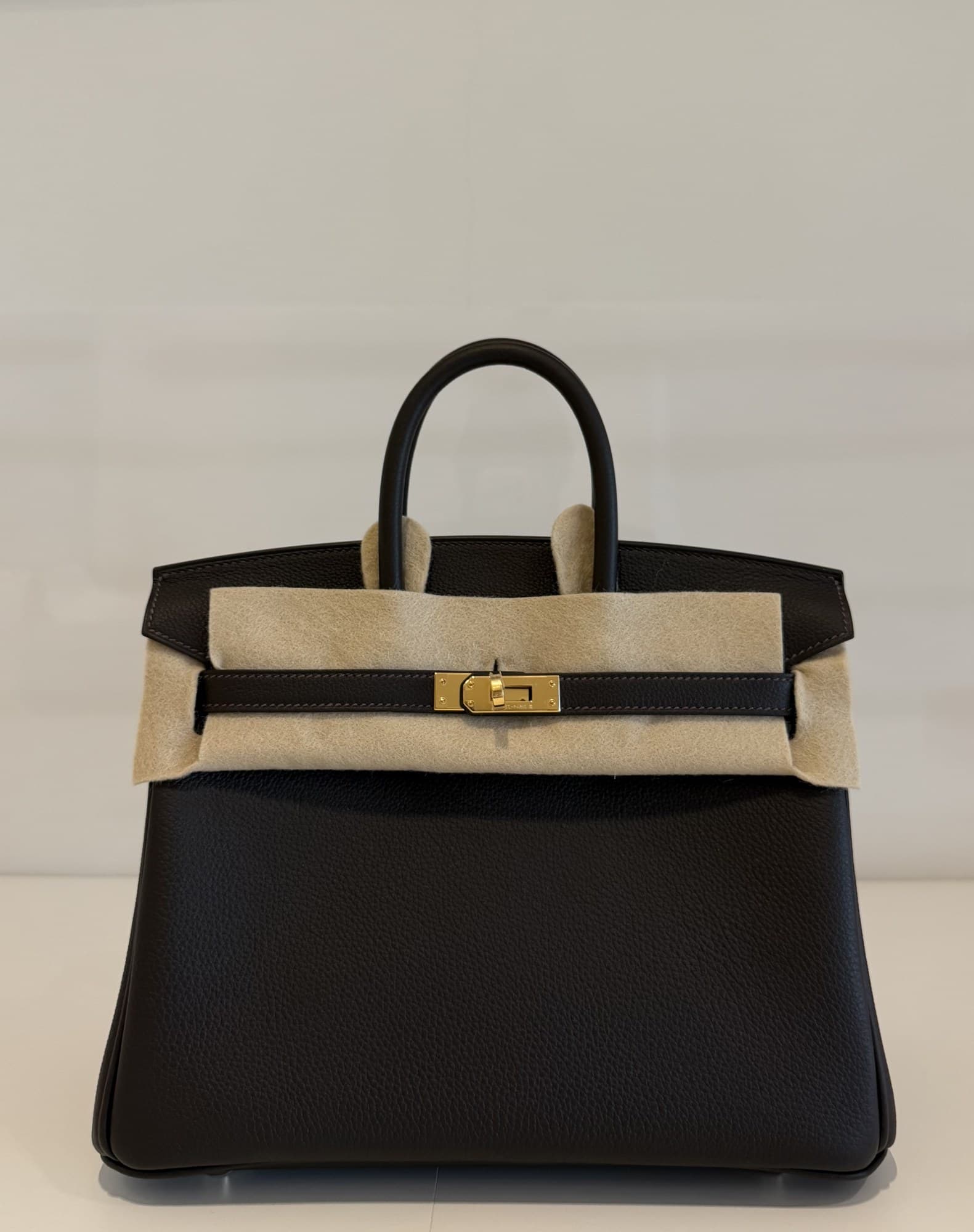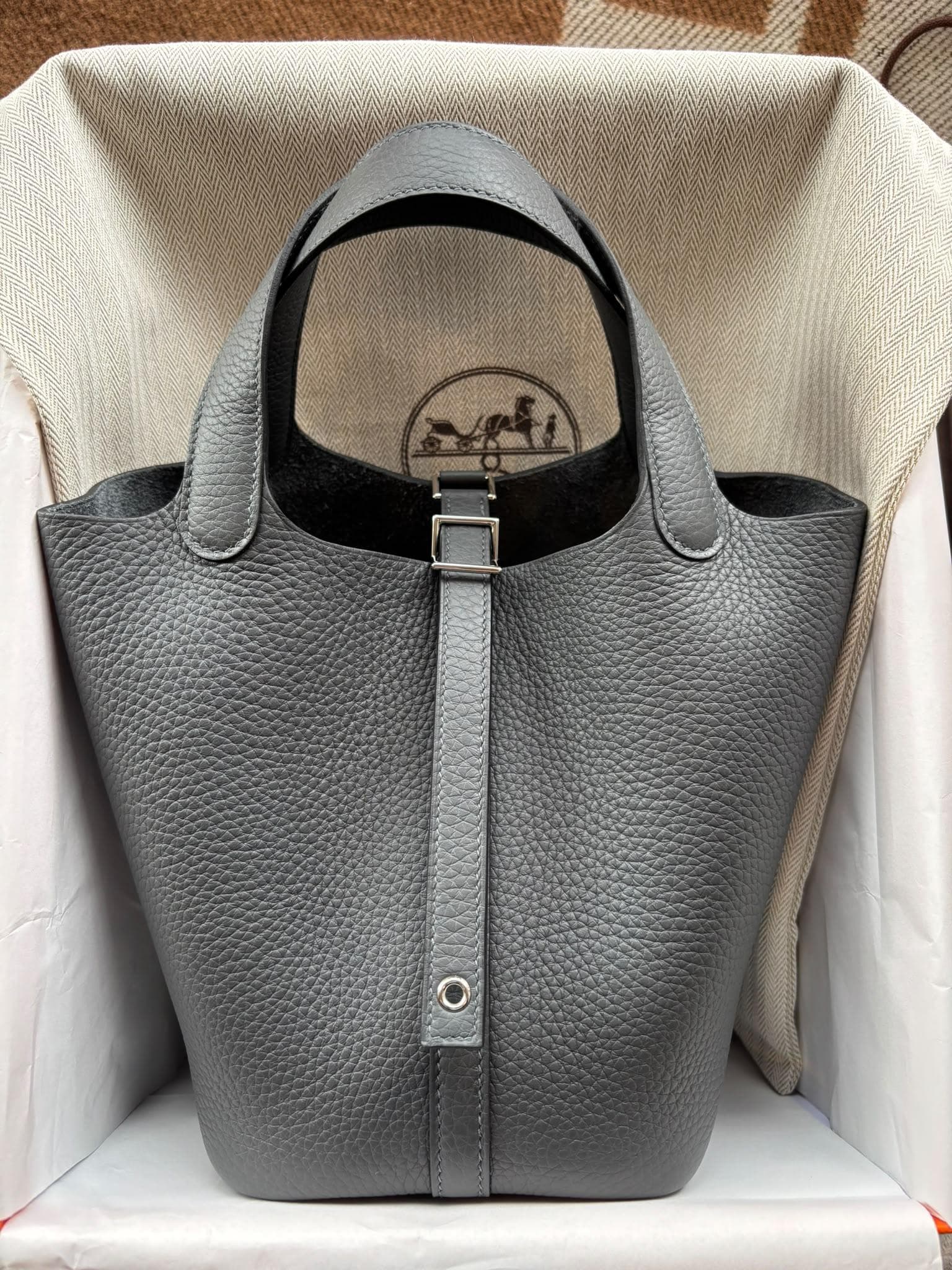
A Hermès Birkin 25 in Togo leather retails for approximately £8,500 in 2026. A Kelly 25 Sellier costs a similar amount. On the pre-owned market, both regularly sell for double or triple that figure. To anyone outside the world of luxury handbags, these prices seem extraordinary — even absurd.
Yet Hermès continues to grow. Revenue reached over €13 billion in 2024, with leather goods accounting for more than 40% of total sales. The brand's waiting lists are longer than ever. And on the secondary market, Hermès bags are among the only consumer products that consistently appreciate in value.
So what justifies the price? The answer is more nuanced than either side suggests.
48 Hours, One Artisan, One Bag
The single most important factor in the price of a Hermès bag is the craftsmanship involved. Each Birkin and Kelly is handmade by a single artisan — from start to finish — in one of Hermès' workshops in France. There is no assembly line. One person makes your bag, and that person has typically trained for two to five years before being permitted to work on a Birkin or Kelly.
The construction of a single Birkin takes approximately 48 hours of skilled hand labour. Every stitch is made using the saddle-stitch technique — a method inherited from Hermès' origins as a harness and saddlery workshop in 1837. Saddle stitching uses two needles and a single waxed linen thread, with each stitch passing through the leather in opposite directions. The result is a seam that will not unravel if a single stitch is cut. Each stitch is pulled to exactly the same tension by hand.
This method is slower and more expensive than machine stitching by orders of magnitude. But it produces a seam that will last decades — not years.
Leather Sourcing and Tanneries
Hermès sources leather from a carefully controlled network of tanneries, several of which it owns outright. The brand acquired the Annonay tannery in 2012 and the Montereau tannery in 2015, giving it direct control over quality and supply.
The leathers are selected to extraordinarily strict standards. Togo — the most popular leather for Birkins and Kellys — is a baby bull calf leather. Each hide is inspected for imperfections, and only hides meeting Hermès' standards are accepted. Rejection rates are high.
Clemence, Swift, Epsom, Box calf and Barenia each have their own sourcing requirements. Exotic leathers — Niloticus crocodile, Porosus crocodile and ostrich — are sourced from specialist farms, with each hide individually graded for scale symmetry, colour consistency and structural integrity.
This vertically integrated supply chain is expensive to maintain. But it ensures quality control at every stage, from raw hide to finished product.
No Mass Production — by Design
Hermès produces approximately 70,000 to 80,000 Birkins per year. This may sound substantial until you consider that Louis Vuitton produces millions of bags annually, and Chanel produces hundreds of thousands of its Classic Flap bags each year.
The constraint is genuine — a consequence of the handmade production model. You cannot significantly increase output when each bag requires 48 hours from a single artisan. Hermès has been expanding workshop capacity, but each new workshop takes years to staff because each artisan requires years of training.
This production limitation creates permanent pricing power. When demand exceeds supply, there is no incentive to discount. Hermès increases retail prices by approximately 5–8% annually, and the market absorbs these increases without any reduction in demand.
The Allocation System
Unlike virtually every other luxury brand, you cannot walk into an Hermès boutique and purchase a Birkin or Kelly on request. These bags are distributed through an allocation system that prioritises clients who have established a relationship and built a purchase history across other categories — scarves, jewellery, homeware, ready-to-wear.
This system creates an experience of anticipation and achievement. It also drives secondary market premiums — buyers who cannot navigate the allocation process turn to the pre-owned market, where prices reflect the access premium.
The Anti-Marketing Strategy
Hermès spends remarkably little on traditional advertising. The brand does not use celebrity endorsements, influencer sponsorships, discounts, sales, promotional events, loyalty programmes or outlet stores. There is no Hermès Black Friday.
This anti-marketing strategy positions Hermès above seasonal luxury fashion. The message is implicit: the product speaks for itself.
Compare this to Chanel, which has aggressively raised prices — the Classic Flap has increased from approximately £3,500 in 2019 to over £9,000 in 2026 — while simultaneously increasing production volumes. Or to Louis Vuitton and Dior, which rely heavily on celebrity campaigns and collaborations.
Hermès' approach generates a perception of permanence and quiet confidence that resonates with its clientele.
Heritage Since 1837
Hermès was founded in 1837 by Thierry Hermès as a harness and bridle workshop in Paris, serving the carriage trade of European nobility. When the automobile replaced the horse, the brand pivoted to leather goods, applying its saddlery expertise to bags and luggage.
This origin story is the foundation of everything Hermès does today. The saddle stitch is literally the same technique used on horse harnesses. The leathers are selected with the same rigour. The functional, unadorned aesthetic reflects working saddlery design.
This 189 years of continuous operation gives Hermès a depth of heritage that no other luxury house can match in leather goods.
Hermès vs Other Luxury Brands
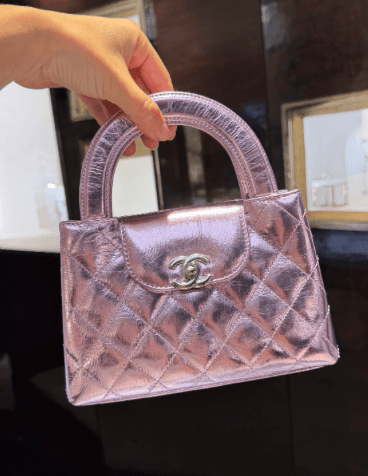
A Chanel Classic Flap Medium retails for approximately £9,200 in 2026. A Hermès Birkin 30 retails for approximately £8,800. The Hermès bag is handmade by a single artisan, uses higher-grade leather and appreciates in value. The Chanel bag is produced at greater scale and has historically depreciated on the secondary market.
A Louis Vuitton Capucines MM retails for approximately £5,800. A Dior Lady Dior Medium retails for approximately £5,500. Both are beautifully made but produced in far greater volumes and do not command the same resale premiums.
Hermès is the only major luxury house where the most iconic products consistently trade above retail on the secondary market.
The Resale Value Argument
Over the past decade, Hermès Birkins have appreciated approximately 92% on the pre-owned market. A Birkin purchased in 2020 for £6,500 at retail is worth £12,000 to £15,000 today. These are returns that rival or exceed many traditional financial assets.
No other luxury brand delivers this consistently. A Chanel bag purchased at retail will likely lose 20–30% of its value in the first year. A Louis Vuitton bag will lose 40–50%. A Dior bag may lose 50–60%.
The difference is structural. Hermès' handmade production, limited supply and absolute pricing discipline create conditions where secondary market prices are supported by the cost of replacement.
So Are They Worth It?
If you view a handbag purely as a functional accessory, then no — a well-made bag from a quality brand will serve that purpose at a fraction of the cost.
But if you value craftsmanship at the highest level, longevity that spans decades, and financial resilience that holds or increases in value, Hermès is without equal in the luxury market.
The Emotional Value
Beyond the financial analysis, there is an emotional dimension to the Hermès question that numbers alone cannot capture. Owning a Birkin or Kelly is, for many people, a deeply personal experience — a reward for achievement, a connection to history, a tangible expression of taste and values.
The feeling of handling a bag that took 48 hours to make, that carries the invisible signature of the artisan who created it, that will last long enough to be passed to the next generation — this is not something that can be reduced to a price-per-use calculation. It is why collectors speak about their Hermès pieces with a reverence that goes beyond fashion.
Whether that emotional value justifies £8,500 or £15,000 or £50,000 is a question only you can answer. But the fact that the question is even asked — that a handbag can provoke this level of consideration — is itself a testament to what Hermès has built over nearly two centuries.
The Pre-Owned Perspective
For buyers who value Hermès craftsmanship but want a more considered entry point, the pre-owned market offers compelling advantages. You can acquire the exact bag you want — specific model, size, colour, leather, hardware — without navigating the allocation system. You can often purchase at or below current retail price for well-maintained examples. And you can see and handle the bag before committing, assessing quality and condition firsthand.
The pre-owned market also offers access to discontinued colours, retired leathers and vintage pieces that are no longer available at retail. For collectors seeking specific configurations, the secondary market is not a compromise — it is the only option.
At JULL, we believe in helping our clients make informed decisions about pre-owned Hermès purchases. Every bag we source is personally authenticated and offered with complete transparency. Contact us via WhatsApp to discuss your requirements.