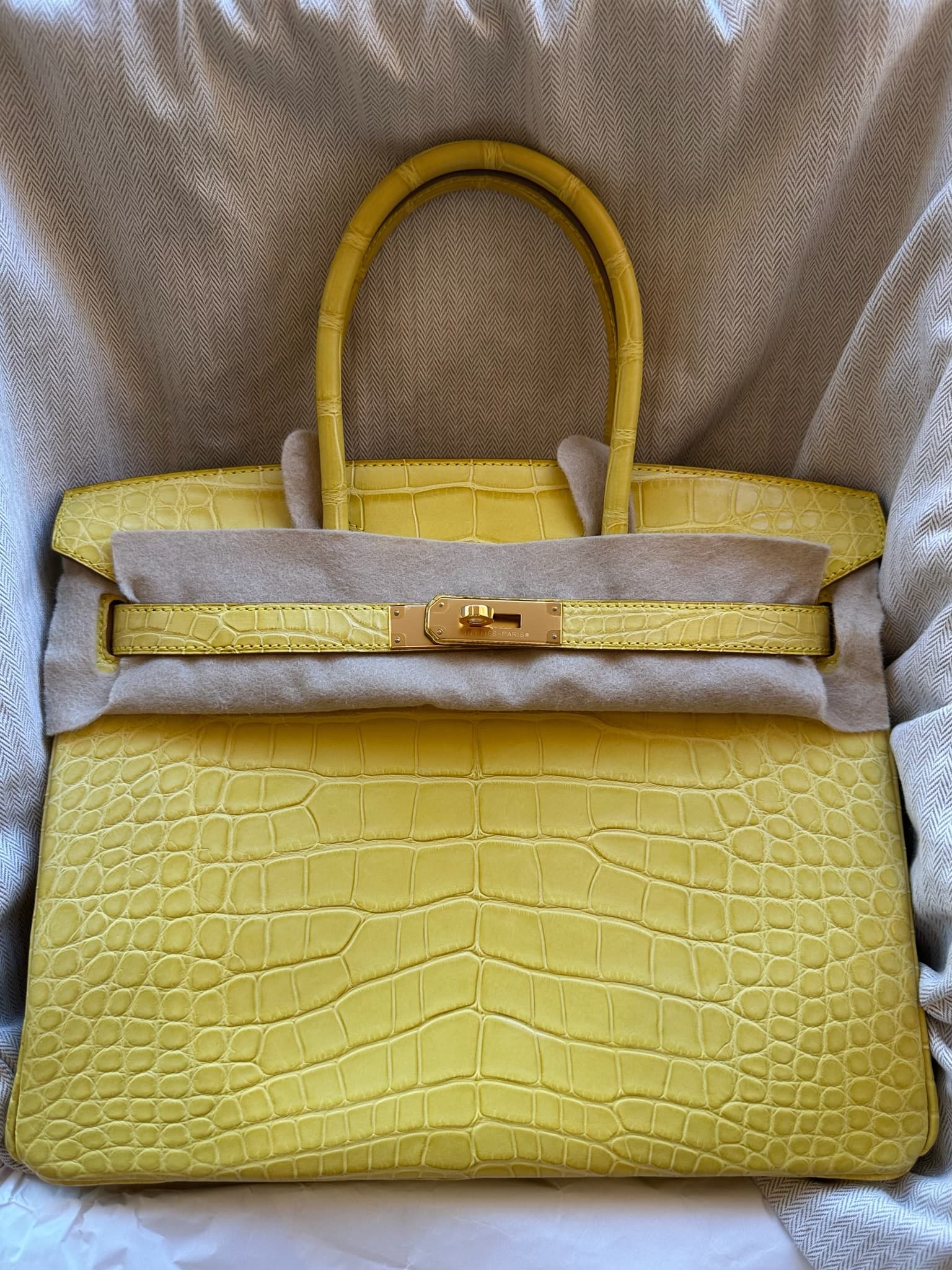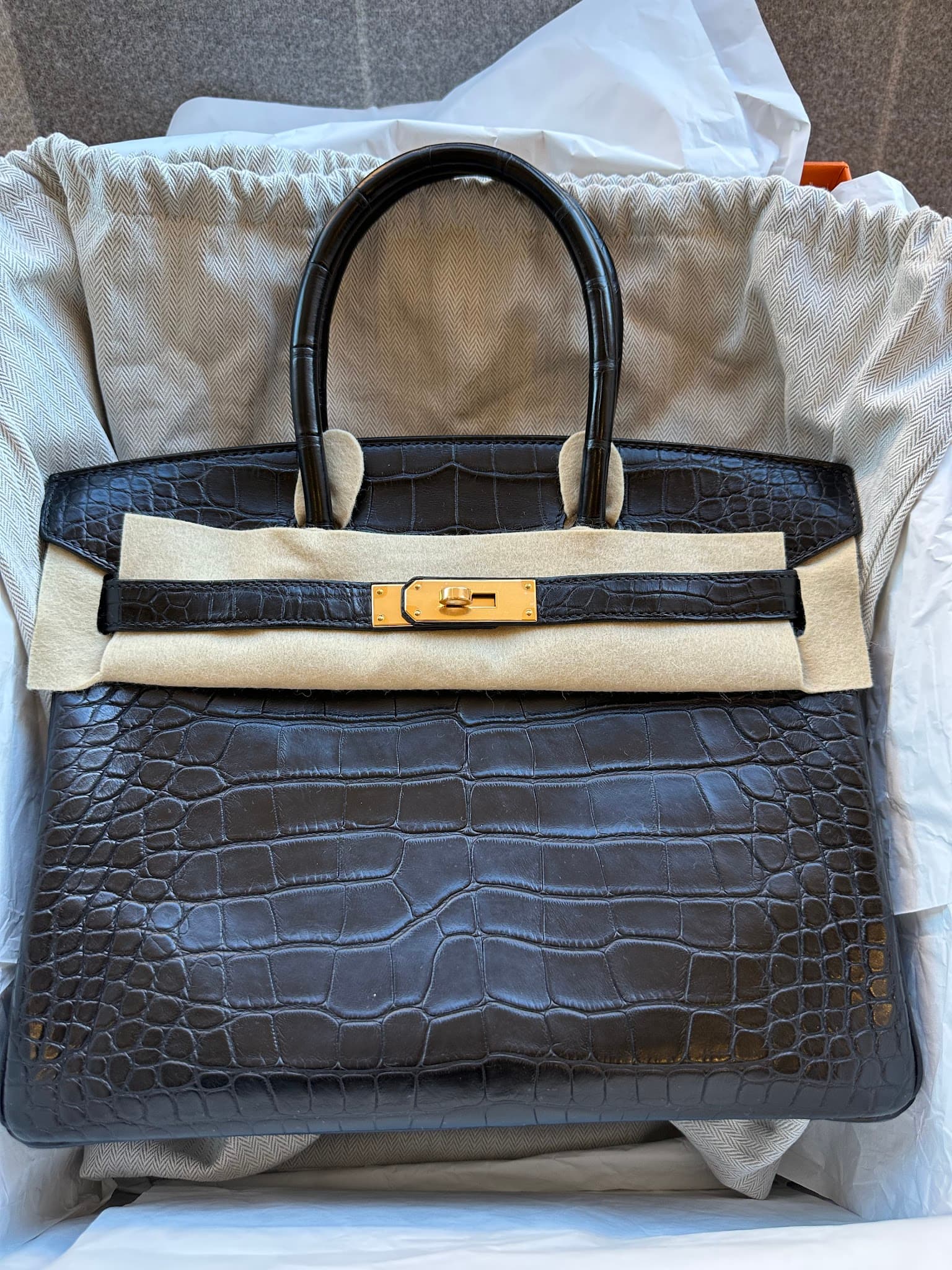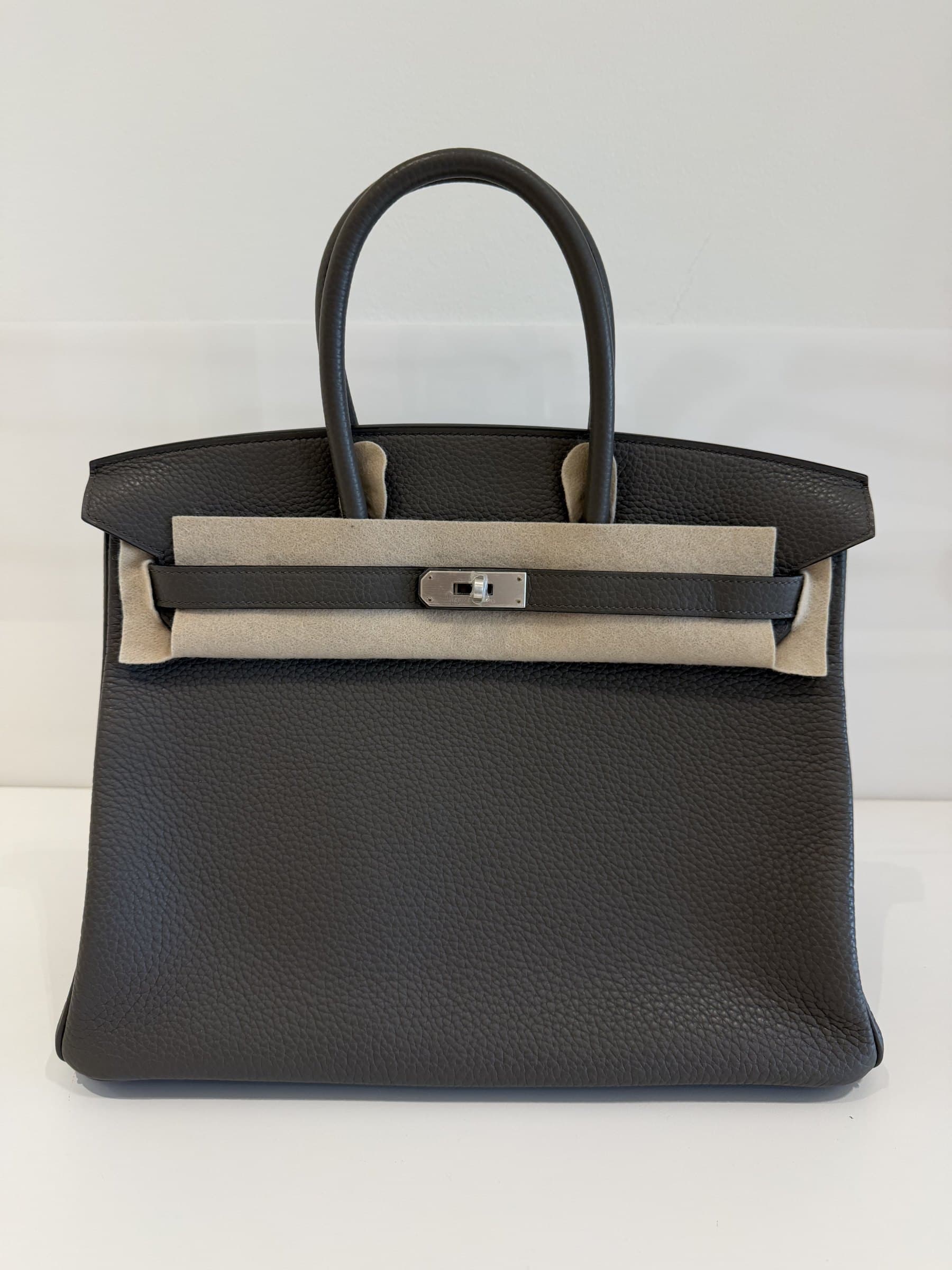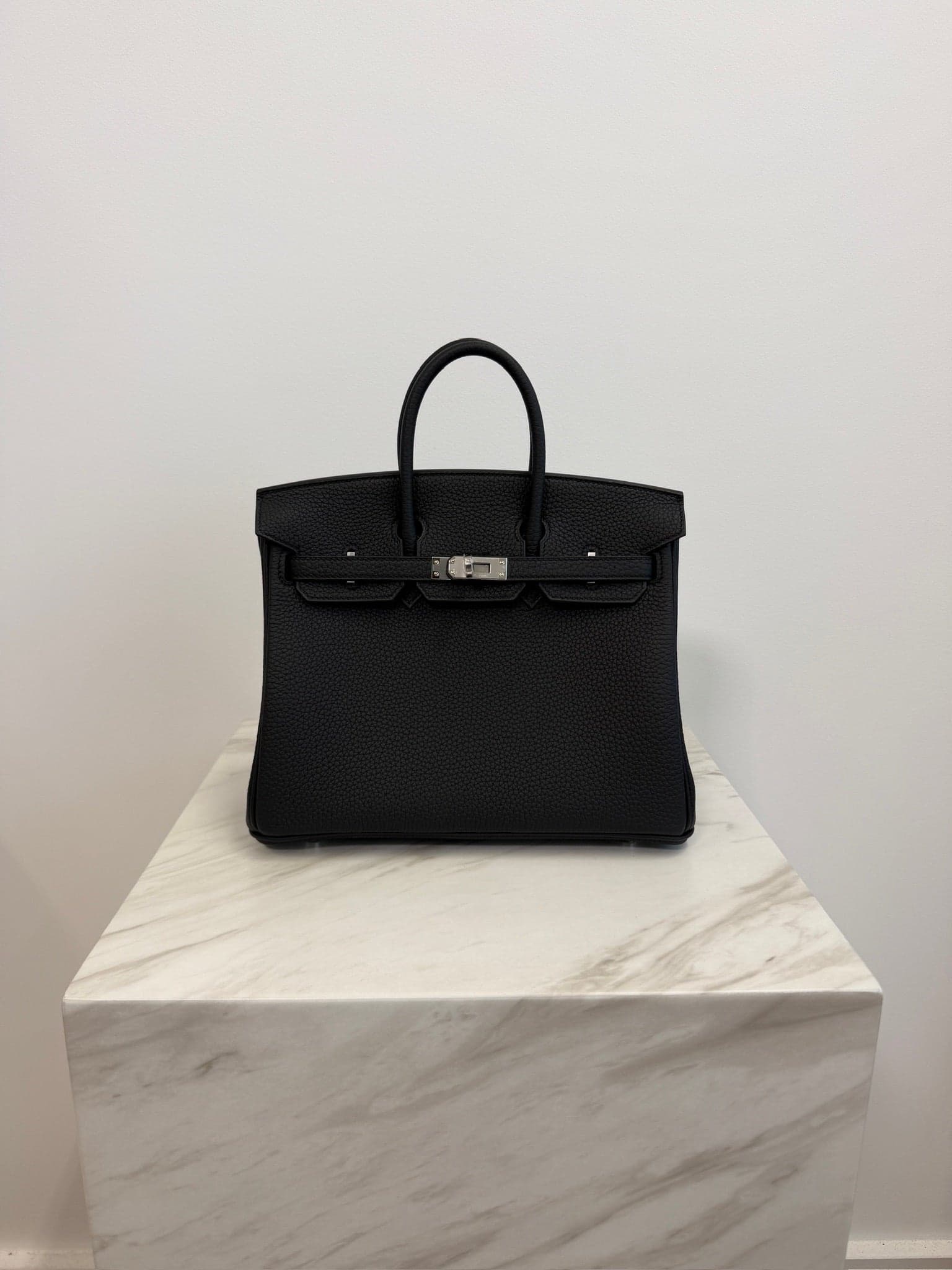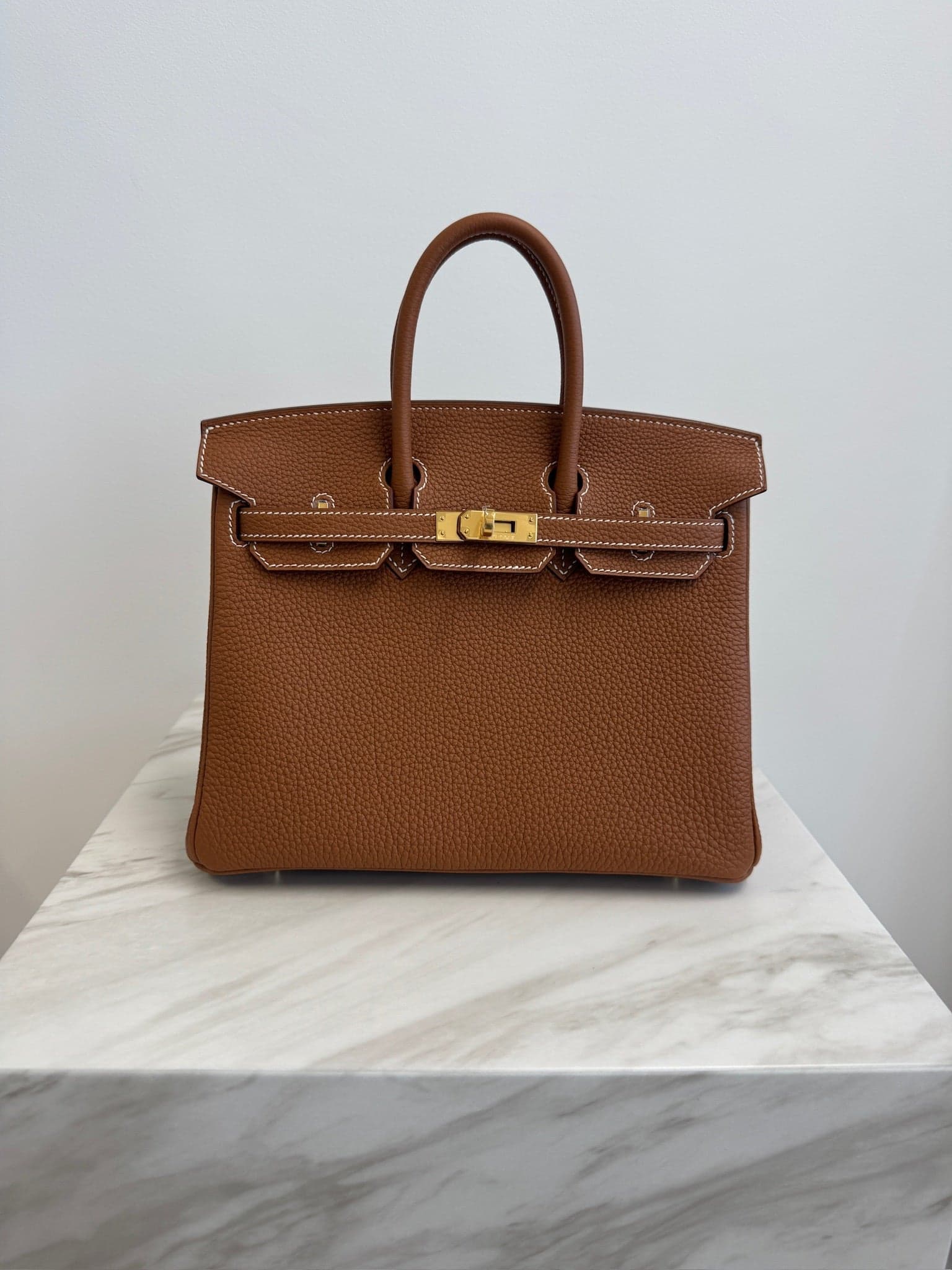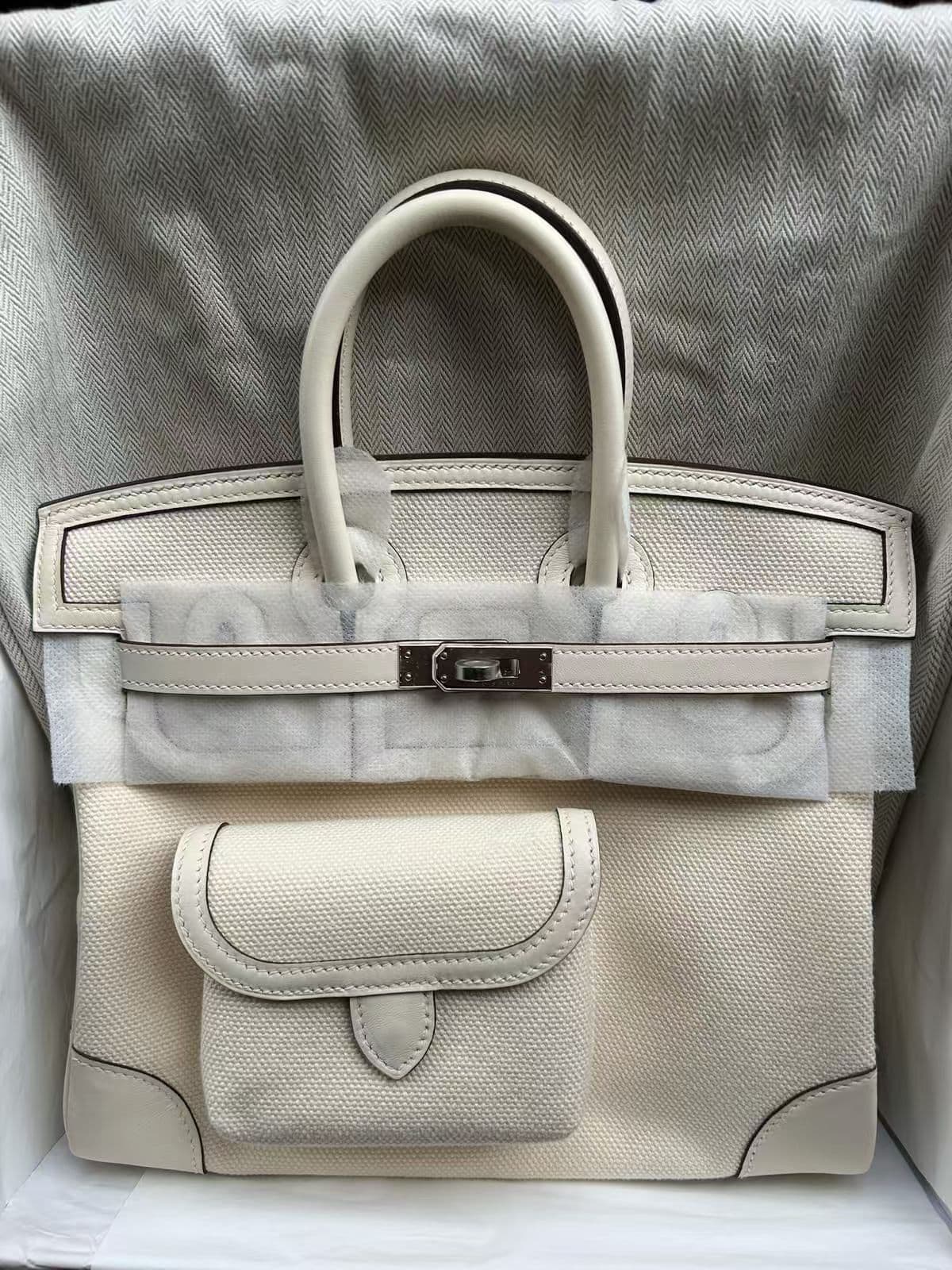
A Birkin is one of the few luxury goods that costs more from a stranger than it does at the boutique on Bond Street. That is not a glitch — it is the entire premise of the bag. In 2026, retail prices have shifted again, the waiting list at Hermès is longer than ever, and the resale market is doing what it always does: filling the gap, with a premium. Here is exactly what a Birkin costs this year — at retail, on the secondary market, and after the bag has lived a life.
Hermès Retail Prices in 2026
Retail prices at the Hermès boutique are theoretical for most clients. They are the prices at which the bag would be sold, if a sales associate offered you one. In practice, walking into Bond Street and being offered a Birkin without years of prior purchase history is essentially impossible.
Still, the retail figures matter — they form the baseline above which the resale market prices itself. As of spring 2026, after Hermès' annual February price adjustment, the approximate retail prices in the UK are:
Birkin 25 in Togo or Epsom leather with standard hardware: from £10,500. Birkin 30 in Togo or Epsom: from £11,400. Birkin 35 in Togo or Epsom: from £12,800. Birkin 40 in Togo: from £13,900.
Exotic leathers — Ostrich, Alligator, Crocodile — carry significant premiums, often two to five times the standard leather price. A Birkin 30 in Niloticus Crocodile, for example, retails in the £45,000–£60,000 range.
These numbers assume gold or palladium hardware. Limited-edition combinations (Sellier construction on a typically Retourné silhouette, special-order HSS specifications, Touch versions with exotic accents) command further premiums, sometimes 50% or more above standard retail.
Why the Waiting List Exists
Hermès produces, by most reasonable estimates, around 70,000 Birkins annually for a global market with demand many times that figure. The bag is hand-assembled by a single artisan over the course of roughly eighteen hours, from leather hides selected piece by piece. Production volume is constrained by the time it takes to train new craftspeople — and by Hermès' deliberate strategy of scarcity.
The result is a client allocation system that is opaque by design. Most UK clients who eventually receive a Birkin have spent between £20,000 and £40,000 with their sales associate over a period of one to several years — on scarves, ready-to-wear, tableware, shoes and smaller leather goods — before being offered the opportunity to purchase a Birkin in a colour and leather Hermès chooses.
For most buyers, the maths of the waitlist simply does not work. The pre-spend, combined with the wait, makes the resale market a far more practical route to ownership.
Why a Pre-Owned Birkin Often Costs More Than New
The secondary market for Birkins is one of the few categories in luxury where pre-owned prices regularly exceed retail. The reason is straightforward economics: persistent excess demand meeting constrained supply.
A Birkin 25 in Rouge H Togo with gold hardware retails at Hermès for approximately £10,500. The same bag, pre-owned and in excellent condition, currently trades on the UK secondary market between £18,000 and £22,000.
This is not arbitrage. It is the price of skipping the waiting list. The premium reflects what a buyer is willing to pay today for a bag that, through Hermès' boutique channel, might take years and a meaningful pre-spend to acquire.
Pre-Owned Birkin Prices by Size
The size of a Birkin materially affects its market price. The smaller sizes are more dispersed in their pricing because they are more coveted by younger collectors, and supply at this size is tightest.
Birkin 25 — typically £15,000 to £30,000 for standard configurations in popular leathers and colours. Rare combinations or full sets in unusual exotic leathers can exceed £40,000. Birkin 30 — the most balanced size for everyday practicality and prestige. Pre-owned prices typically range from £14,000 to £25,000. Birkin 35 — generally more supply than the 30, slightly lower premiums. Range: £12,000 to £22,000. Birkin 40 and 45 — niche sizes designed for travel. Range: £11,000 to £18,000.
Browse our current Birkin collection at byjull.com/shop/birkin to see live examples with current pricing.
How Leather and Hardware Change the Price
Leather choice has a substantial impact on the final price. Togo, the most common Birkin leather, is the baseline. Other choices shift the price up or down:
Togo — baseline. Pebbled grain, soft, durable, the classic Birkin leather. Epsom — typically 5–15% above Togo. Structured, scratch-resistant, holds shape beautifully. Clemence — approximately on par with Togo. Slightly softer, more relaxed silhouette. Swift — premium of 10–20% above Togo. Smooth, supple, more delicate. Ostrich — 30–50% premium. Distinctive quill pattern, exotic appeal. Alligator and Crocodile — 200–500% premium over the equivalent Togo Birkin.
If you are choosing a Birkin and want to understand the leather options in depth, our leather comparison guide at byjull.com/journal/togo-vs-epsom-vs-clemence covers the practical differences.
Hardware accounts for less variation than leather but still matters. Gold and palladium are roughly equivalent in price, though Gold in a sought-after colour combination — Black Togo with Gold, Rouge H with Gold — can lift the resale price by 10–15% over the same bag in Palladium.
Colour: The Quiet Variable
The single biggest variable that buyers often overlook is colour. Quiet luxury colours — Black, Etoupe, Gold, Rouge H, Vert Cypress — hold value most consistently. They are the colours Hermès produces in highest volumes and the colours secondary buyers most reliably seek.
Seasonal colours can move sharply in either direction. A bag released in a sought-after seasonal shade may trade at a significant premium in its first year, then settle as the next season's colour takes attention.
Limited editions — Touch combinations, HSS (Horseshoe Stamp) bicolour specifications, Sellier construction on otherwise Retourné silhouettes — command premiums of 50% or more, and their values tend to hold.
What a Fair Pre-Owned Price Looks Like
If a Birkin is priced significantly below market — more than £5,000 under the comparable secondary market rate — there is almost always a reason. Common causes: the bag is not authentic; significant damage that is not visible in the listing photos; missing accessories (no box, no dust bag, no clochette, no raincoat, no receipt); the blind stamp year does not match the leather generation or hardware era.
A well-priced pre-owned Birkin from a reputable specialist will be sold as a full set: the original Hermès orange box, dust bag, clochette with key, raincoat, and ideally a receipt or store-of-origin documentation. The blind stamp inside the bag should match the leather and hardware era. The seller should be able to provide multiple photos of these details on request.
For a more detailed checklist of pre-owned Birkin red flags, see our guide to common mistakes when buying pre-owned Hermès at byjull.com/journal/hermes-buying-mistakes.
Where to Buy a Birkin in the UK
There are four realistic routes to a pre-owned Birkin in the UK, each with trade-offs.
Hermès boutique — possible in theory, requires sustained client relationship in practice. The patient route.
Auction houses — Christie's, Sotheby's and Bonhams hold regular handbag auctions. Authentication confidence is generally high, and the bidding process can occasionally yield bags below specialist market price. The trade-off is the 20–26% buyer's premium added to the hammer price, plus the wait between catalogues.
Pre-owned specialists — independent firms that authenticate, source and sell pre-owned Hermès. This is the fastest route to a specific bag, with the option to inspect or arrange a viewing before purchase. The trade-off is the variance in quality between specialists — authentication standards differ.
Online marketplaces — Vestiaire Collective, 1stDibs, FashionPhile, eBay. Convenience and selection are highest here, but authentication chains vary, and returns on a high-value purchase can be difficult. We do not recommend this route for a first Birkin.
If a private viewing is useful before deciding, JULL offers appointments at our London workroom for clients evaluating any of our bags.
How Birkin Prices Have Moved Over the Past Decade
Birkin prices on the secondary market have trended steadily upward across the past decade. The Knight Frank Luxury Investment Index, which tracks several collectible categories including handbags, has consistently listed luxury handbags among its top performers since the index began including them.
This is descriptive, not advisory. We are not making any claim or prediction about future value. Pre-owned handbag prices can and do fluctuate based on supply, demand, condition and broader economic factors. Hermès may adjust production volumes, fashion preferences shift, and the relative scarcity of specific colours and leathers changes year to year.
What we can say with more confidence is that the Birkin remains highly liquid in the UK pre-owned market. A bag in good condition, with full set, typically sells through a specialist within two to four weeks. Liquidity alone is unusual in the luxury goods category, and is one reason buyers continue to find the Birkin a serious purchase.
JULL is a pre-owned retailer, not a financial advisor. Pre-owned handbag values can rise or fall over time, and condition has a direct effect on resale price. We recommend buying a Birkin because you want to own and use the bag — never on the assumption of a future financial return.
Closing Thoughts
A Birkin is an object — the result of a single craftsperson's eighteen hours of work, in leather selected by hand, with hardware built to outlast the next several decades of use. The price reflects what that object costs to make at scale, what the market is willing to pay for the privilege of skipping the waiting list, and what condition the bag is in by the time it reaches you.
If you are evaluating a specific bag and would like a second opinion — pricing, authentication, or anything else — we are happy to look at photos via WhatsApp without any obligation.
And if you are looking for a Birkin in a specific size, colour, leather and hardware combination that we do not currently have in stock, our concierge service at byjull.com/concierge typically sources to specification within two to five days through our private London network.
Frequently Asked Questions
How much does a Birkin 25 cost in the UK in 2026? A Birkin 25 in standard leathers (Togo, Epsom, Clemence) with gold or palladium hardware typically trades on the UK pre-owned market between £15,000 and £30,000, depending on colour, condition and provenance. Hermès retail starts from £10,500.
Why is a pre-owned Birkin more expensive than a new one? The Hermès waiting list at the boutique is years long and requires sustained client relationship and pre-spend. Pre-owned buyers pay a premium for the convenience of acquiring a Birkin today, in the specific specification they want, rather than waiting indefinitely.
Can you buy a Birkin without being on a waiting list? Yes — through the pre-owned market. Specialists like JULL hold inventory available for immediate purchase, and concierge services can source specific specifications within days to weeks.
What is the cheapest size of Birkin? The Birkin 40 and 45 sizes typically trade at the lowest premiums above retail, as supply is higher and demand more niche. Pre-owned prices for Birkin 40 in standard leathers usually start around £11,000.
Does the colour of a Birkin affect its price? Significantly. Quiet luxury colours (Black, Etoupe, Gold, Rouge H) hold value most consistently. Seasonal and limited-edition colours can rise sharply but with more volatility.