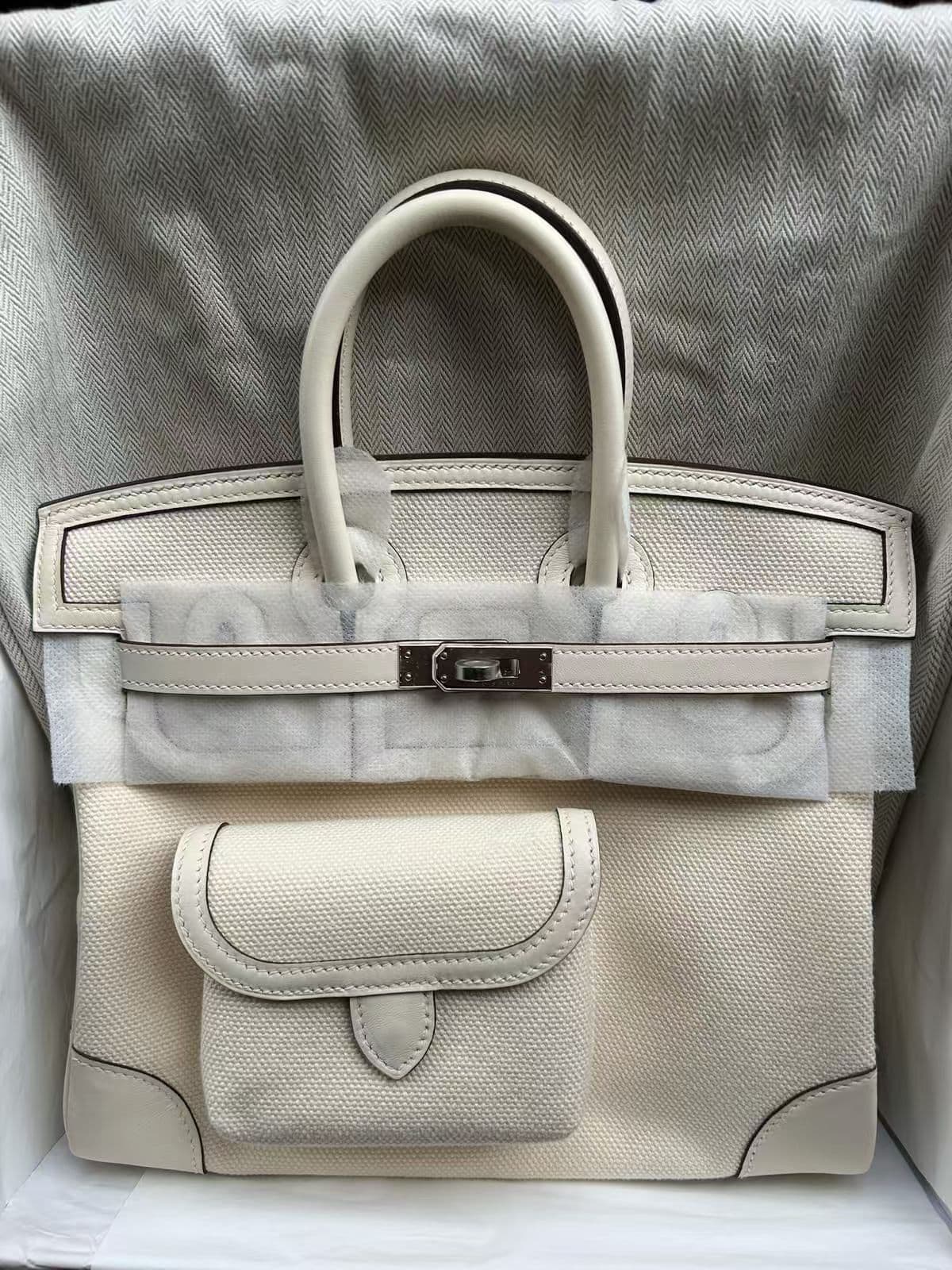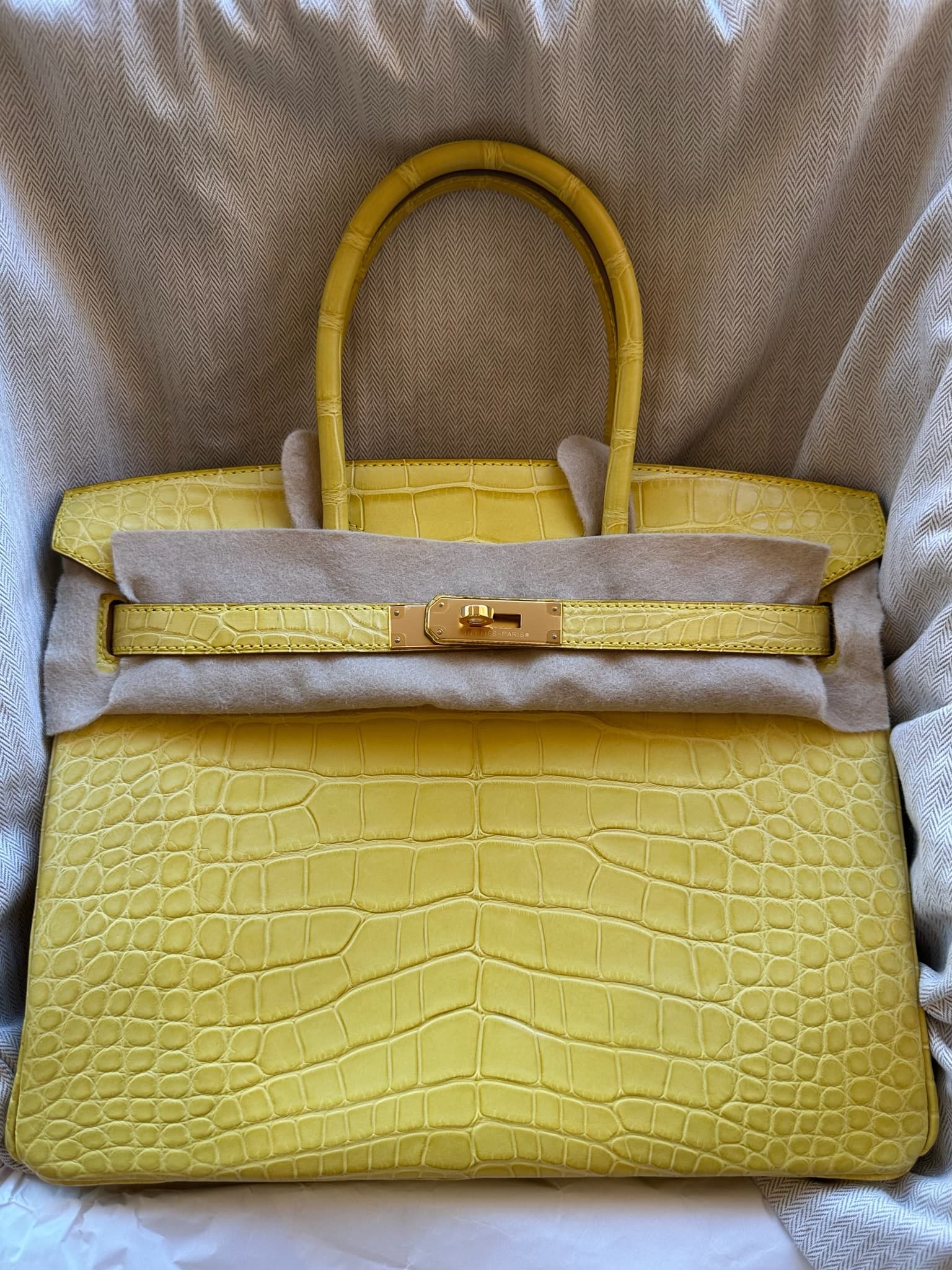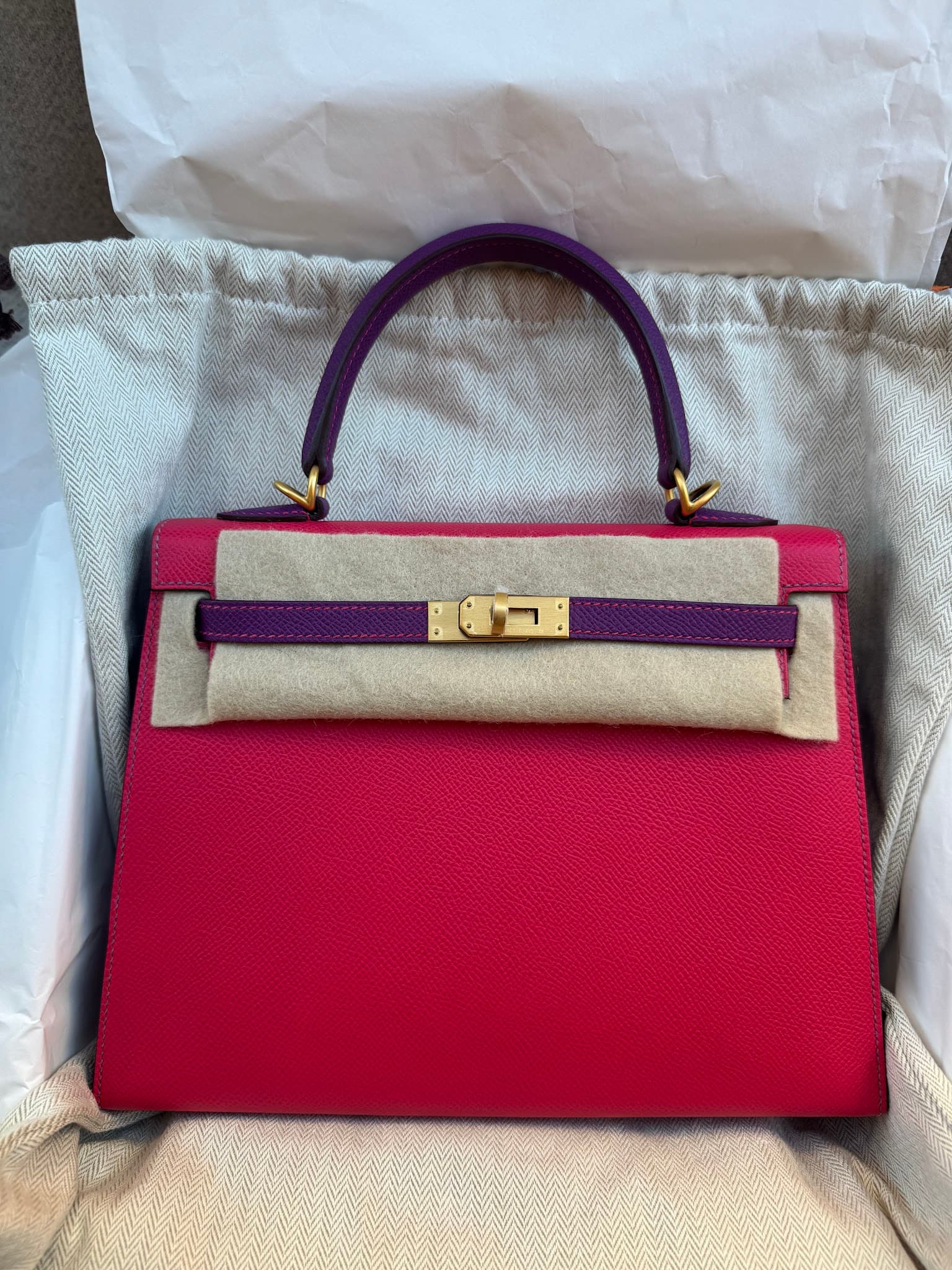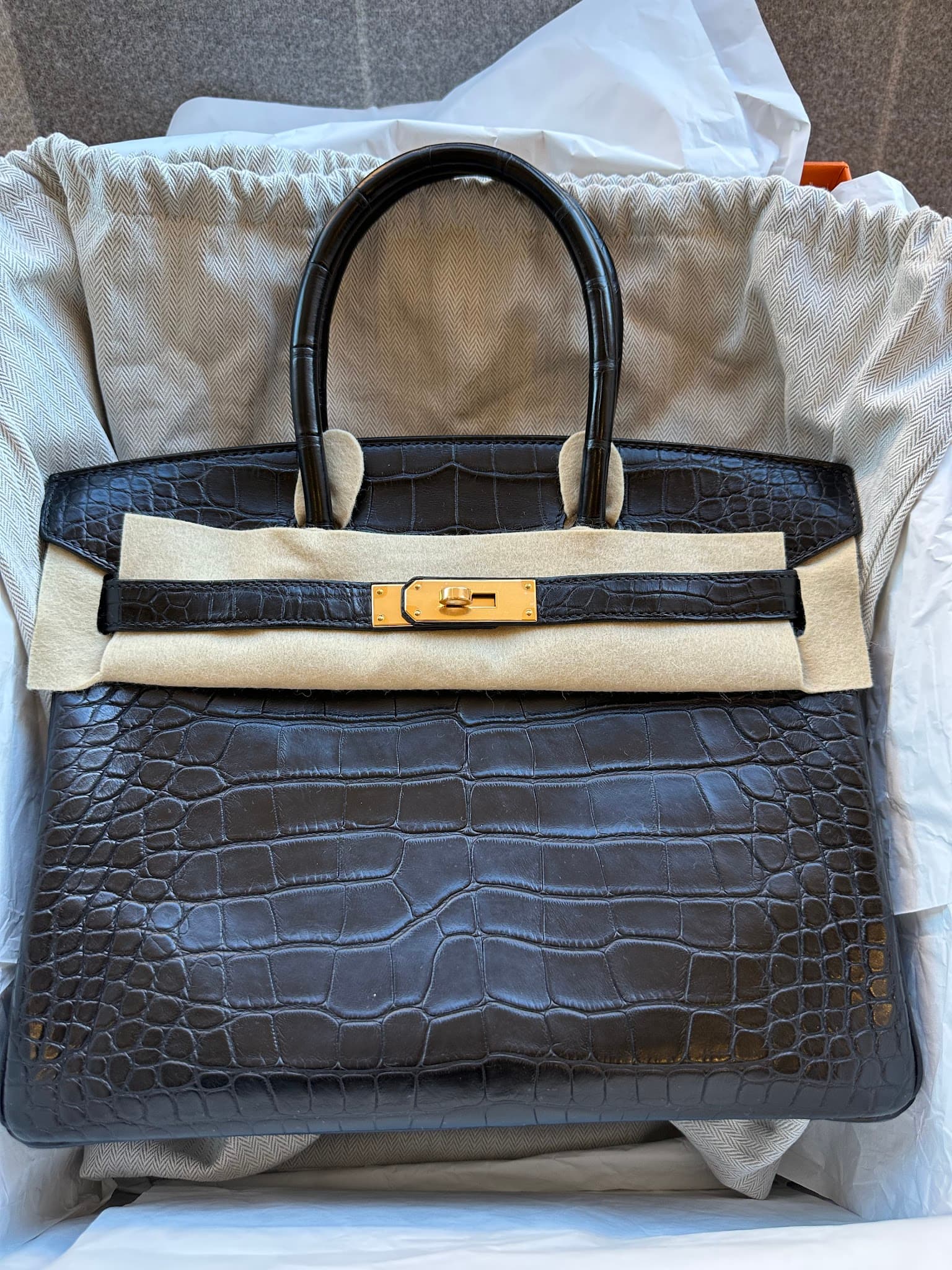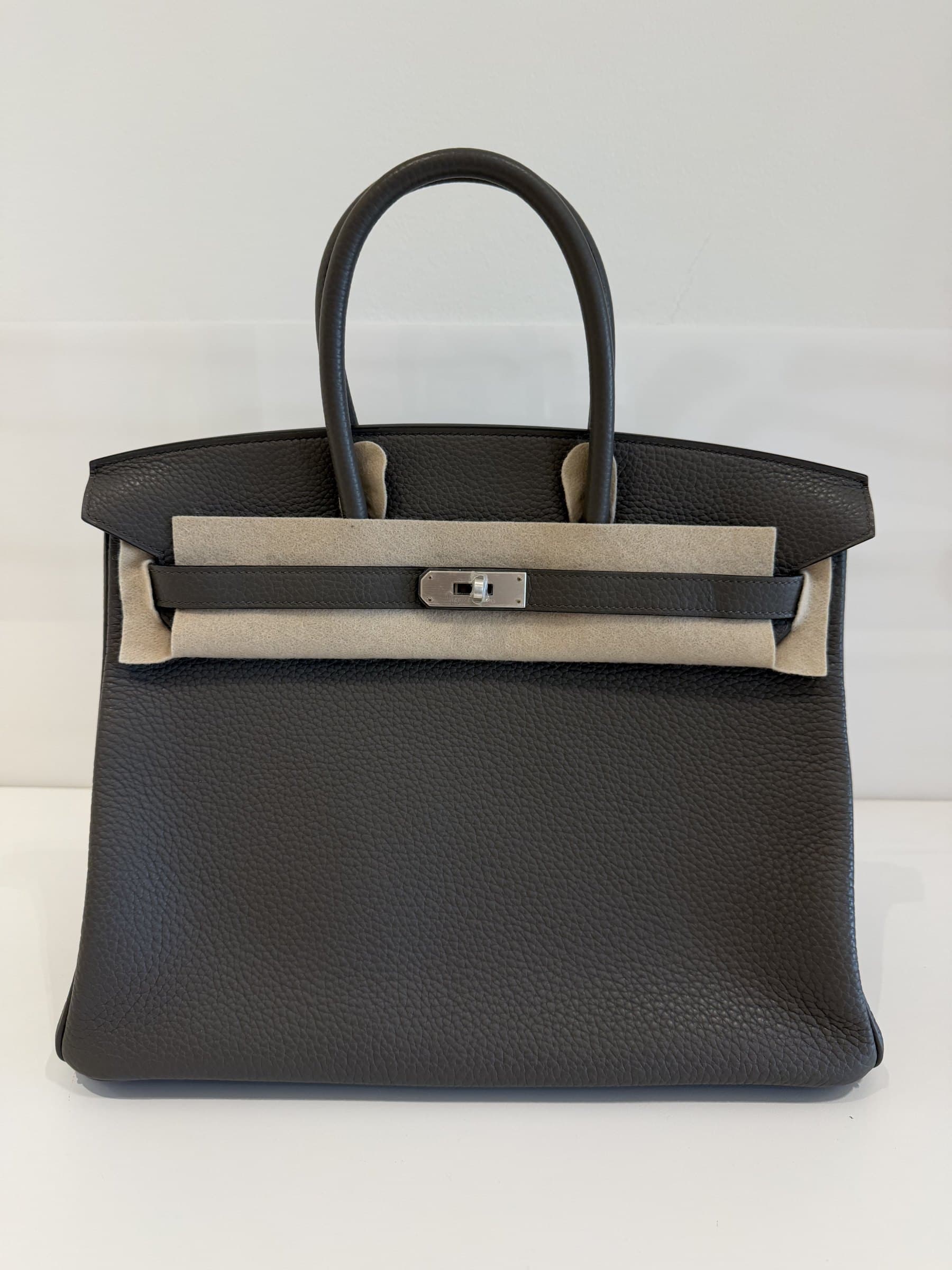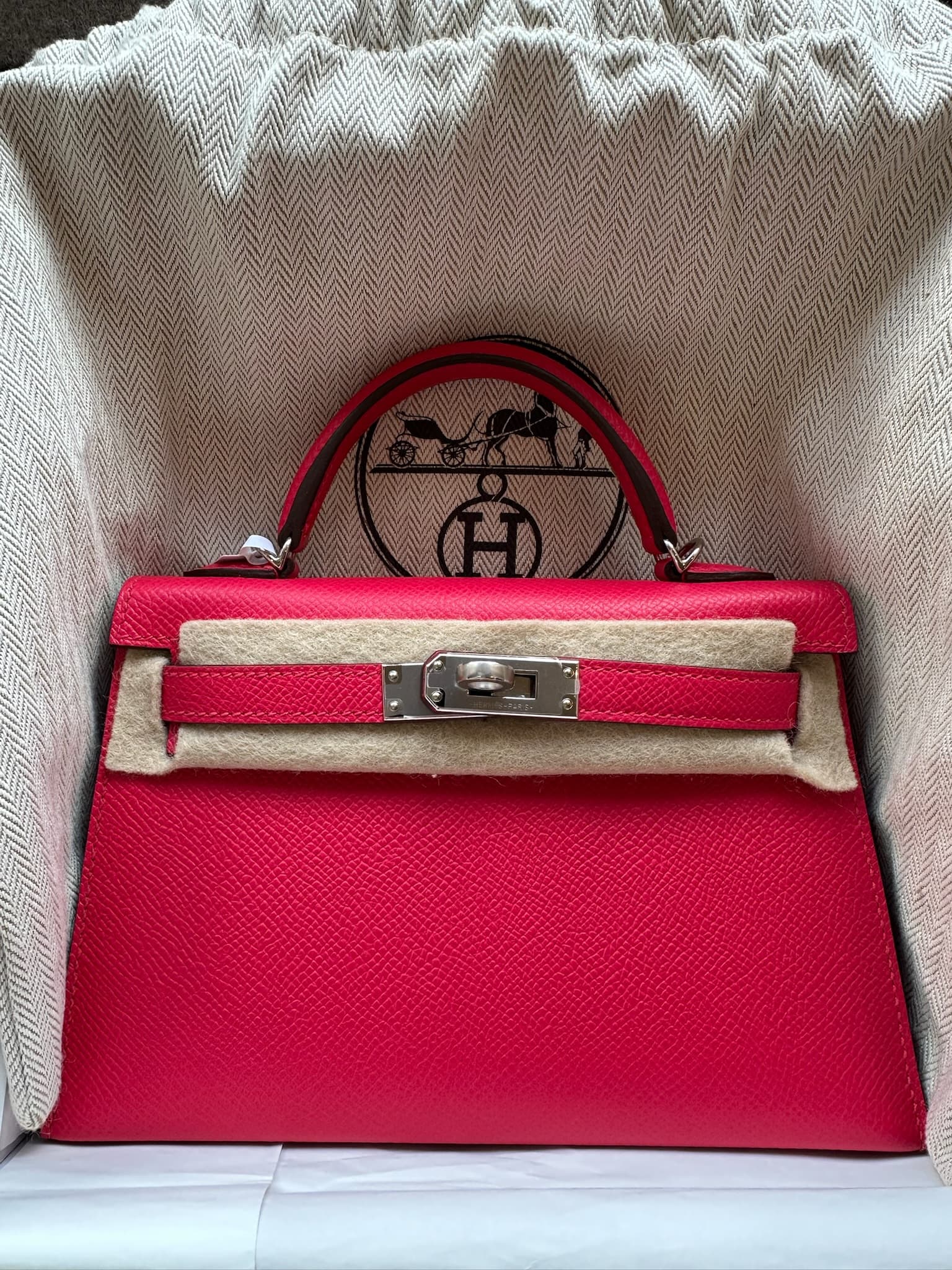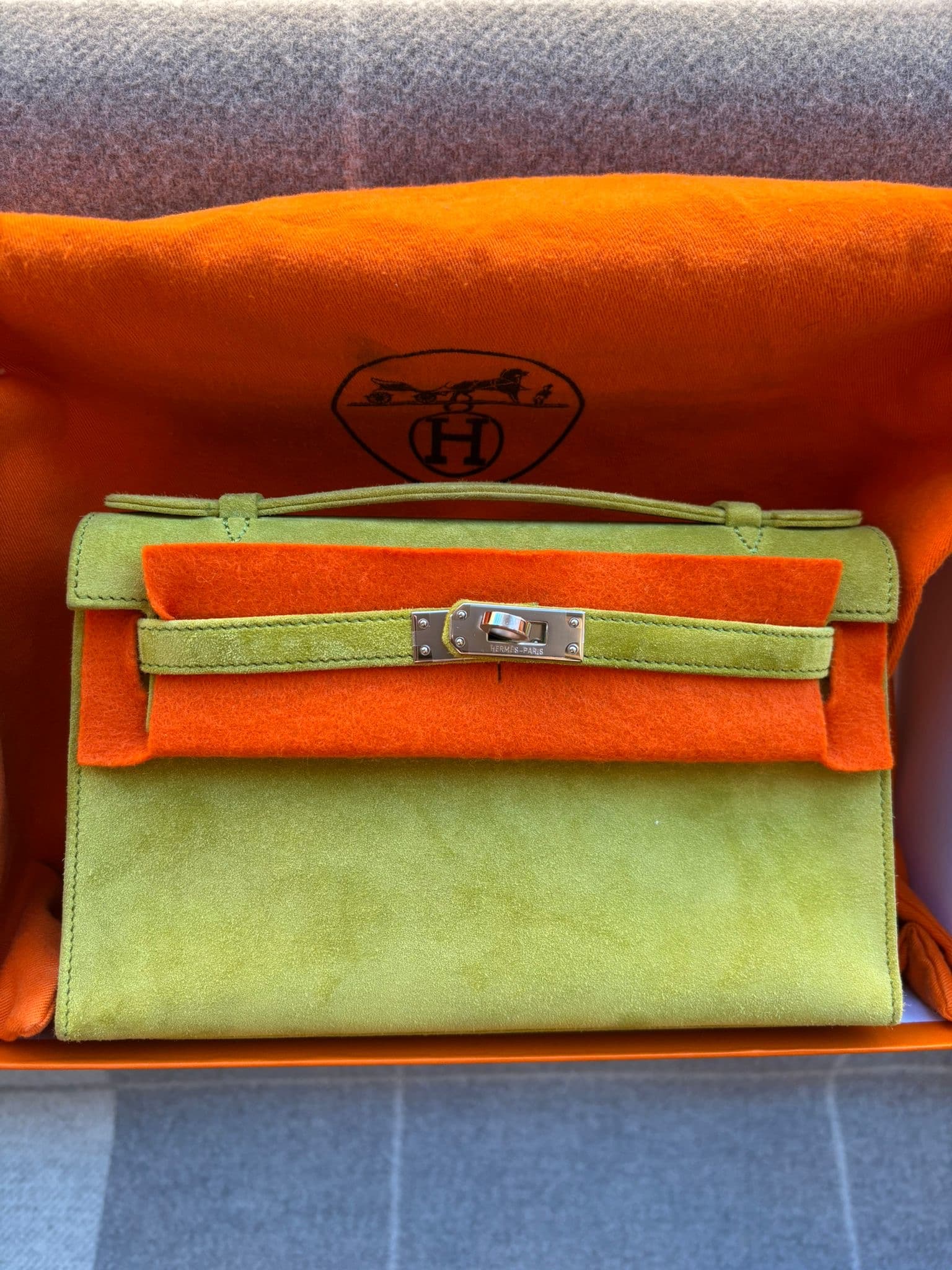
Choosing a Hermès reseller in London comes down to five questions: who authenticates the bag and how; what paperwork comes with it; what the written returns position is; whether you can see the bag before paying in full; and how deposits are handled. A serious seller answers all five in writing without hesitation. This guide explains what a good answer looks like for each — and the red flags that should end the conversation.
London's secondary Hermès market is the deepest in Europe, and most established sellers are honest. But a Birkin or Kelly transaction runs £15,000–£75,000, counterfeits have become genuinely sophisticated, and at that level "trust me" is not a process. Use these questions with any seller — including us.
Question 1: Who authenticates the bag, and how?
What a good answer looks like. A named process, not a vibe. The seller should be able to describe exactly what is examined: hardware engravings and their typography, the blind stamp and its year letter, stitch count and slant, heat stamp depth, interior construction, hardware weight, and the leather itself. Ask who does the examination — an in-house specialist who handles Hermès daily, a third-party service, or both — and whether the finding is backed by a written authenticity guarantee with money back.
Red flags. "Everything we sell is authentic" with no description of process. Authentication "by the supplier". Reluctance to photograph the blind stamp or hardware engravings on request.
Our own standard, for reference: at JULL every piece is inspected by hand in our London workroom — hardware, blind stamps, stitching and provenance — before a single photograph is taken, and every sale is covered by a written authenticity guarantee.
Question 2: What paperwork comes with the bag?
What a good answer looks like. At minimum: a formal invoice from a UK-registered limited company (check the company number on Companies House — it takes thirty seconds), a written condition description, and a record of the blind stamp and production year. Where the bag is new or store-fresh, the original receipt may accompany it. Original box, dustbag, raincoat, lock, keys and clochette should be listed explicitly, present or absent.
Red flags. Invoices from personal accounts. "Receipt available after payment". Any resistance to putting the bag's stated condition in writing.
Question 3: What is the returns position — in writing?
What a good answer looks like. A published policy you can read before paying. Be aware that "all sales final" is the standard across the luxury resale market — each piece is a unique, individually priced item, and most established London sellers, ourselves included, operate on that basis. What separates a serious seller is what sits around those three words: a written authenticity guarantee with a full refund if the bag is ever proven inauthentic, an insured-transit policy for damage on delivery, an acknowledgement of your statutory rights, and a genuine invitation to examine the piece — in person or by video — before you commit. Final sale with full disclosure is normal; final sale as a substitute for disclosure is not.
Red flags. No written policy anywhere on the site. No authenticity refund in writing. Verbal assurances that never make it into the invoice. Discouraging questions or viewings before purchase — the true tell that "final" is doing work it should not.
Question 4: Can you see the bag before paying in full?
What a good answer looks like. A private viewing at the seller's own premises, or — if you are outside London — a detailed video walkthrough of the exact bag: corners, base, hardware, stamp, interior, in daylight. The viewing should be offered, not extracted. Note that many serious dealers, ourselves included, see clients by appointment — our showroom is at Harbour Yard, Chelsea Harbour, London SW10 0XD, open seven days a week — because with seven-figure stock on site, appointments are security practice, not evasiveness. The tell is simple: the moment you book, a real address in a real building should follow.
Red flags. No fixed premises at all — meetings only in cafés, hotel lobbies or car parks. An address that never materialises even after an appointment is made. Stock photos in place of photographs of the actual piece. Pressure to transfer before any viewing "because someone else is interested". Someone else is always interested.
Question 5: How are deposits handled?
What a good answer looks like. A fixed, stated deposit that holds the piece for a defined period and is credited in full against the purchase price, with the terms written on the invoice. On a £20,000 bag, a deposit of 10–20 per cent is normal; it should never be the seller's improvisation of the day.
Red flags. Deposits demanded before any viewing, video walkthrough or paperwork has been offered. Non-refundable deposits with no written terms. Requests to pay deposits to a different account name than the invoicing company.
The same questions apply in reverse when you are the one selling. Ask any dealer who takes bags on consignment what figure you will receive, in pounds, before the bag is listed; whether a later price cut can reduce it; who carries the risk while the bag is in their custody; and when, exactly, you are paid. Our answers are written down on Consign your Hermès with JULL: a fixed payout agreed before listing, risk on us up to that figure, payment within seven working days of the sale.
The thirty-second checklist
Before transferring money to any London reseller, you should be able to tick every box:
- Written description of the authentication process and a money-back authenticity guarantee - Invoice from a UK limited company whose number you have checked - Condition, blind stamp and included accessories stated in writing - Published policy — including exactly what "final sale" does and does not cover - Viewing or full video of the exact bag, offered freely - Deposit terms in writing, credited against the price - Payment by bank transfer against invoice, or by card — never by methods with no recourse
If any box stays unticked, the price does not matter.
FAQ
Is it safe to buy a Hermès bag from a reseller rather than the boutique? Yes, if the seller passes the five questions above. The secondary market is how most people actually obtain a specific Birkin or Kelly, since Hermès offers quota bags only to established clients. The risk is not resale itself — it is resellers without process.
What is the single biggest red flag? Pressure. Rushed decisions, "another buyer this afternoon", deposits before viewings. Established sellers with genuine stock never need urgency to sell a Birkin.
Should the seller be VAT-registered? Most established UK resellers are. Under the VAT margin scheme for second-hand goods, VAT is not itemised on the invoice — that is normal and lawful. What matters is a formal invoice from a registered company.
What is the normal way to pay a London reseller? Bank transfer against a formal invoice from a verified UK company is the market standard at this price level, and it is how most established specialists work. Card payment, where a seller offers it, adds a further layer of recourse. What matters more than the method is the paper trail: a real invoice, from a real company, whose number you have checked.
How do I check a London reseller's reputation quickly? Three sources in five minutes: their Google reviews and rating, their company record on Companies House, and how long their website and stock history go back. Consistency across all three is the tell.
Are "all sales final" policies normal in luxury resale? Yes — unique, individually priced pieces are sold as final across the established market. What should never be missing alongside it: a written authenticity guarantee with a full refund, insured delivery with a damage procedure, and the chance to examine the exact bag before committing. Judge the whole policy, not the headline.
Does JULL pass its own test? That is exactly the question to ask us — and every answer is on this site in writing: our authentication standard and full authenticity refund, our published policy, private viewings in Chelsea Harbour by appointment, video walkthroughs before any commitment, and deposits credited in full against the price. We would rather be examined than trusted blindly.