Hermès Togo Leather Bags · London
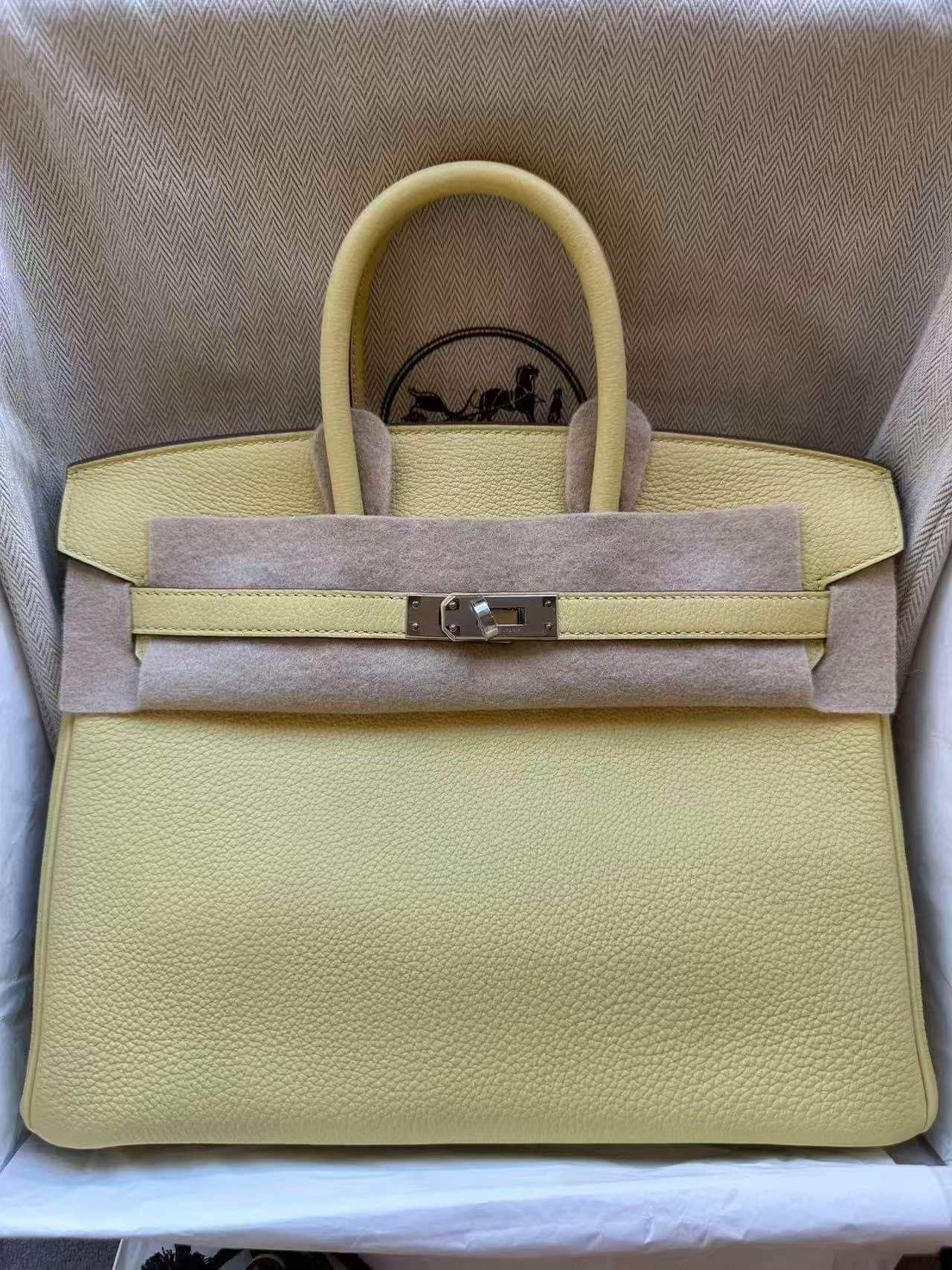
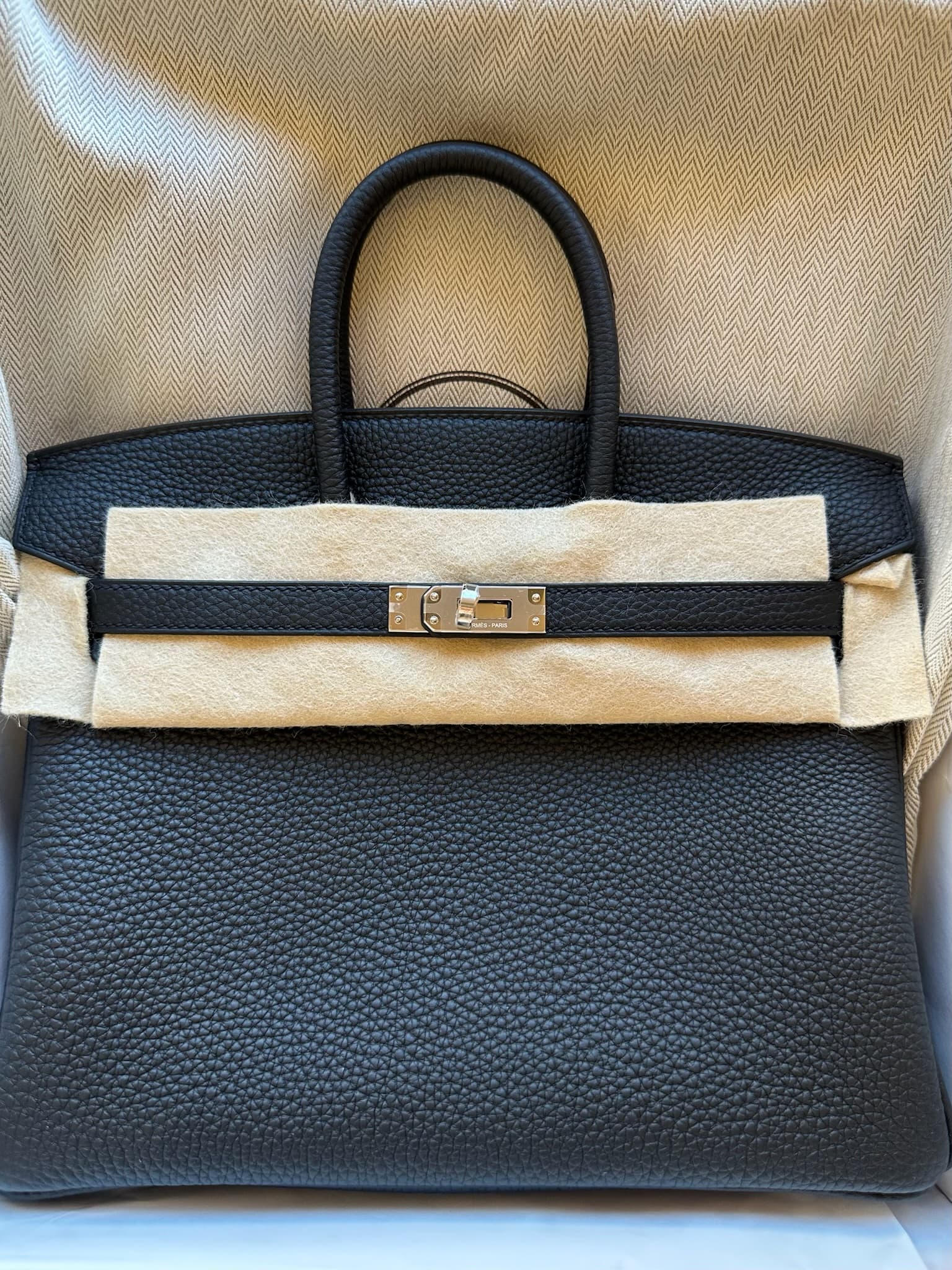
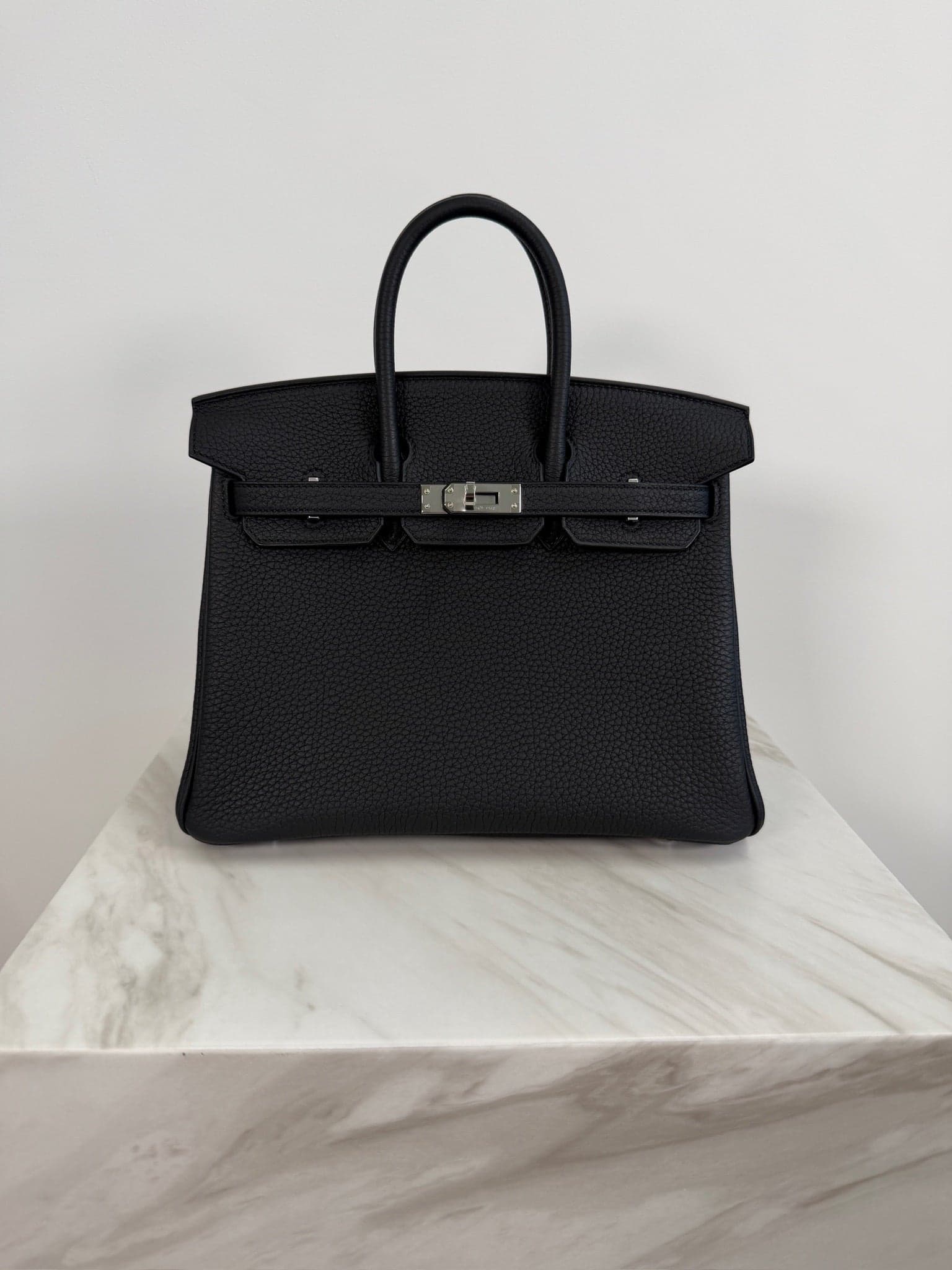
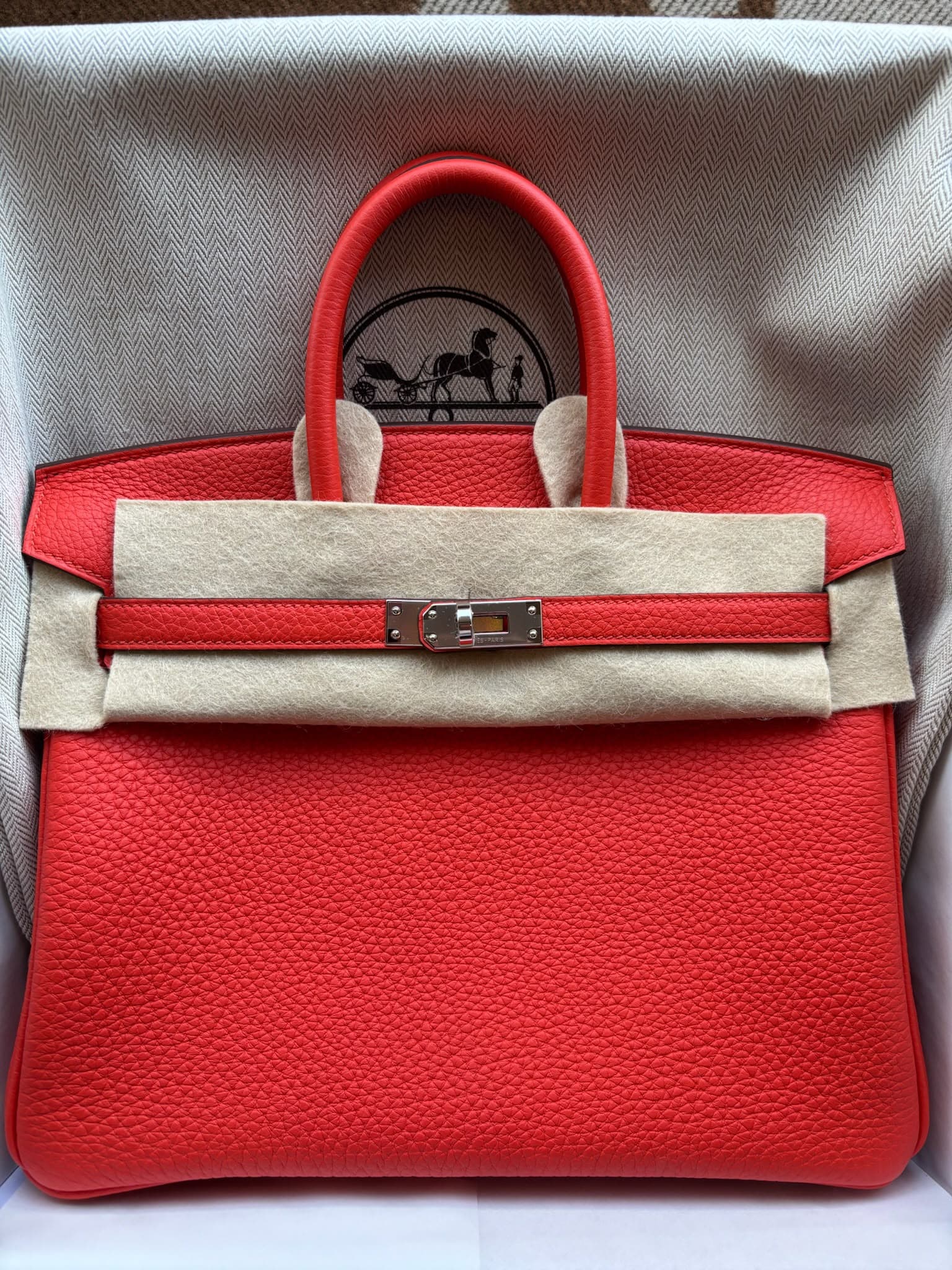
Togo is the leather most collectors ask for first — a grained calfskin introduced in 1997 that shrugs off scratches, holds its shape for decades, and softens just enough with use to feel lived-in rather than worn. It is the classic choice for the Birkin and a favourite on the Kelly Retourné. Every Togo piece at JULL is authenticated and inspected by hand in our London workroom, from grain depth to stitch tension. Browse the current Togo selection below, or ask our concierge to source a specific model and colour in Togo — usually within days.
35 pieces available
 Reserved
 New
New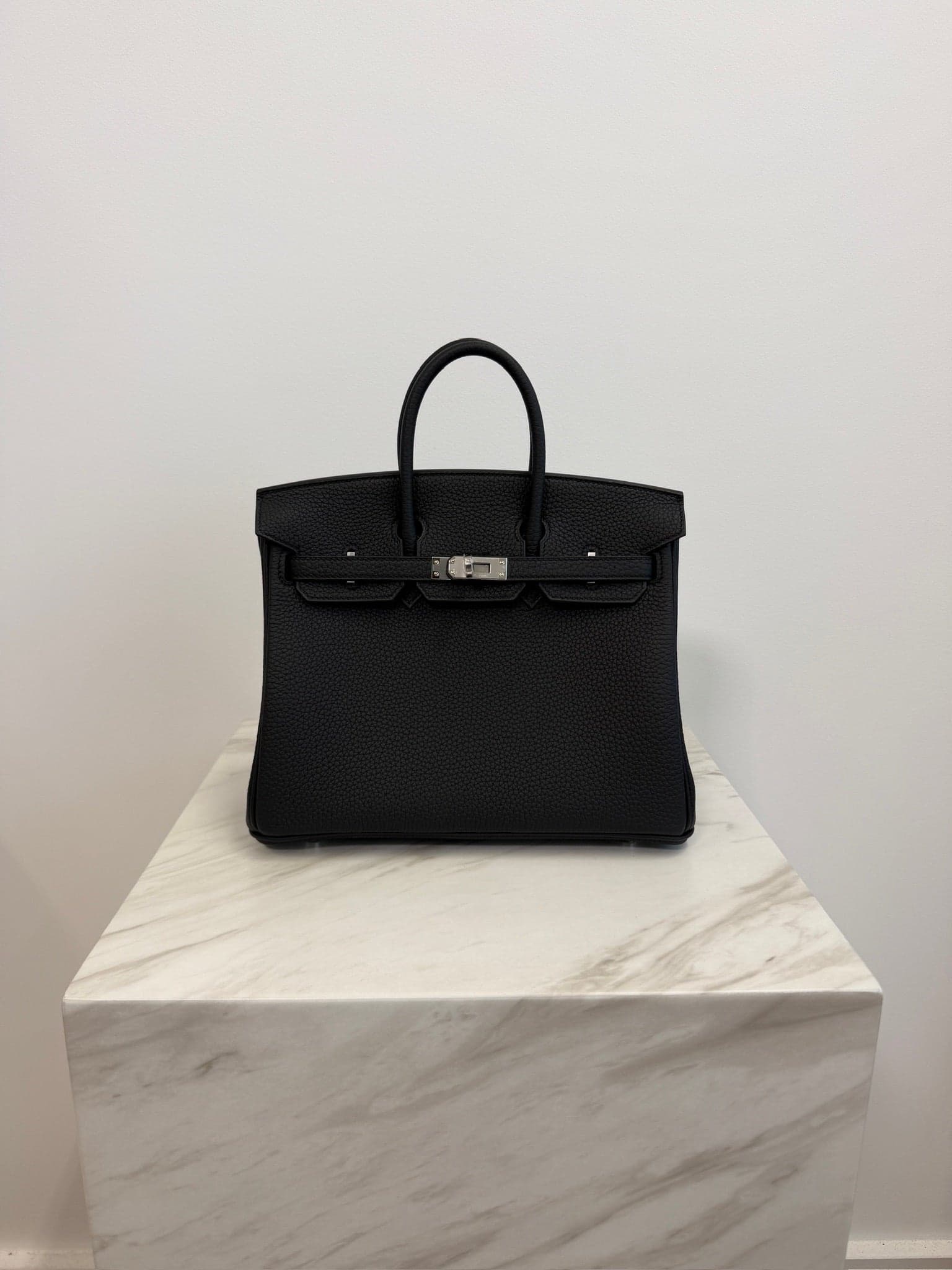 New
New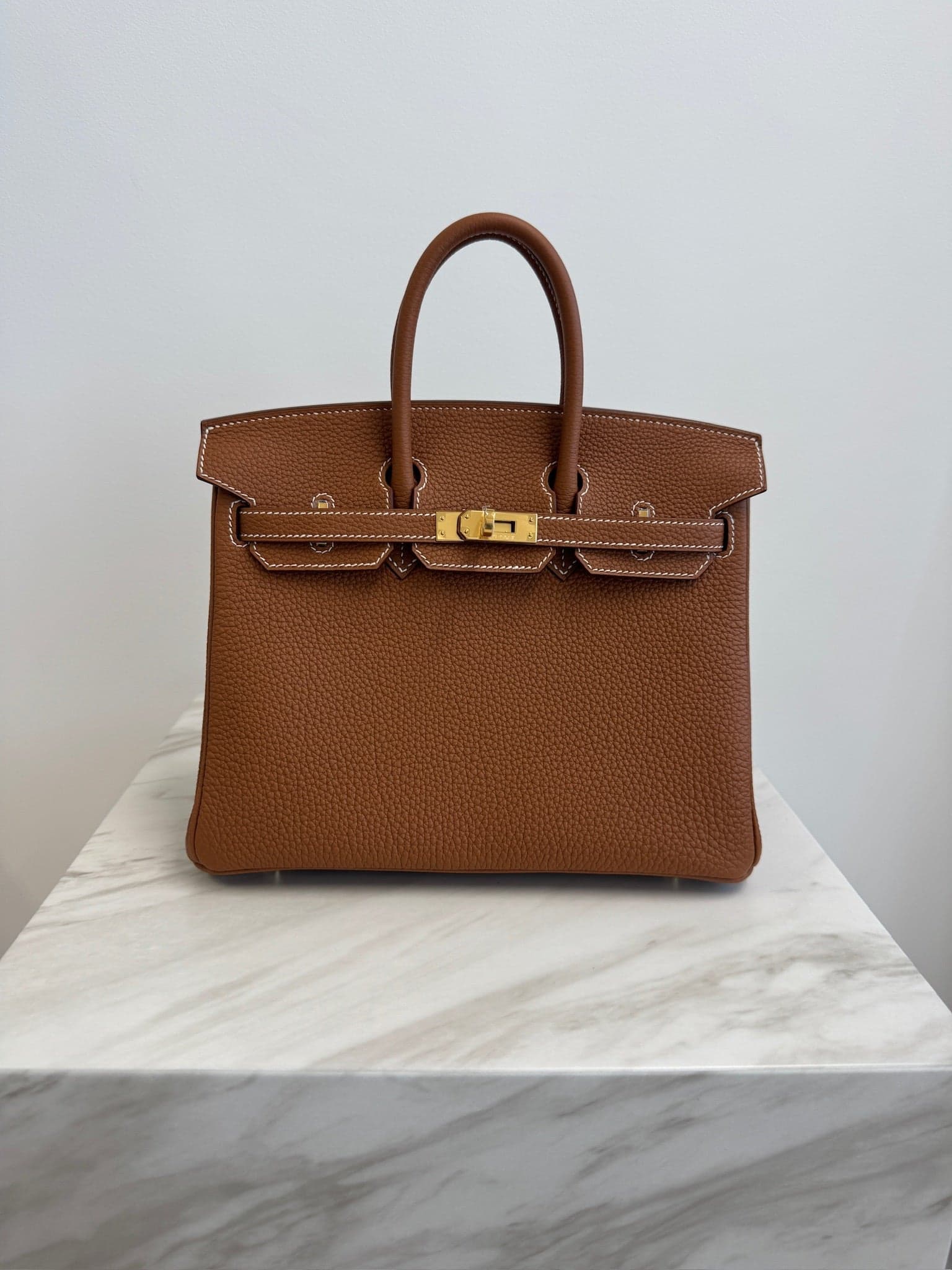 New
New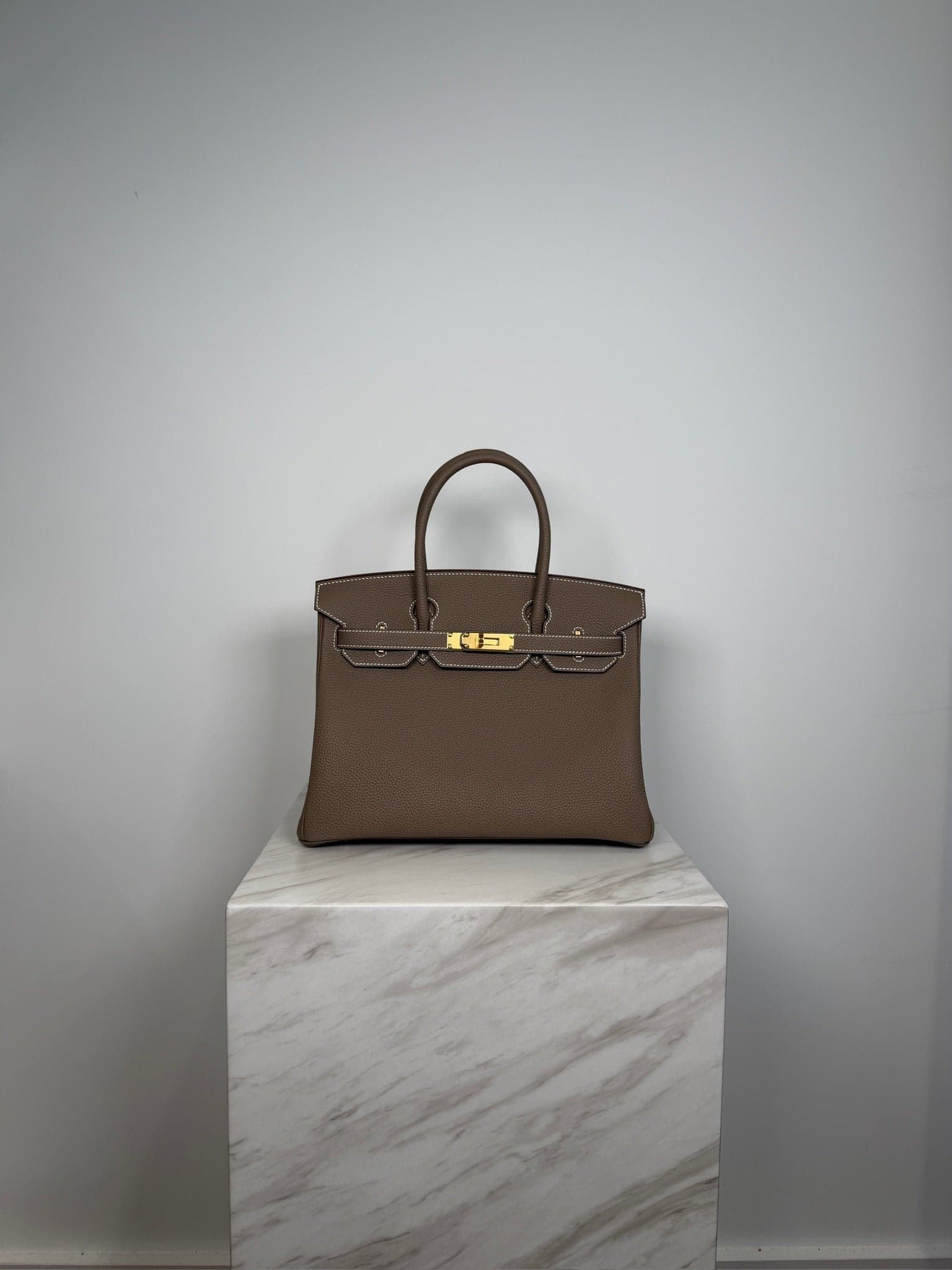 New
New New
New New
New New
New Reserved
 New
New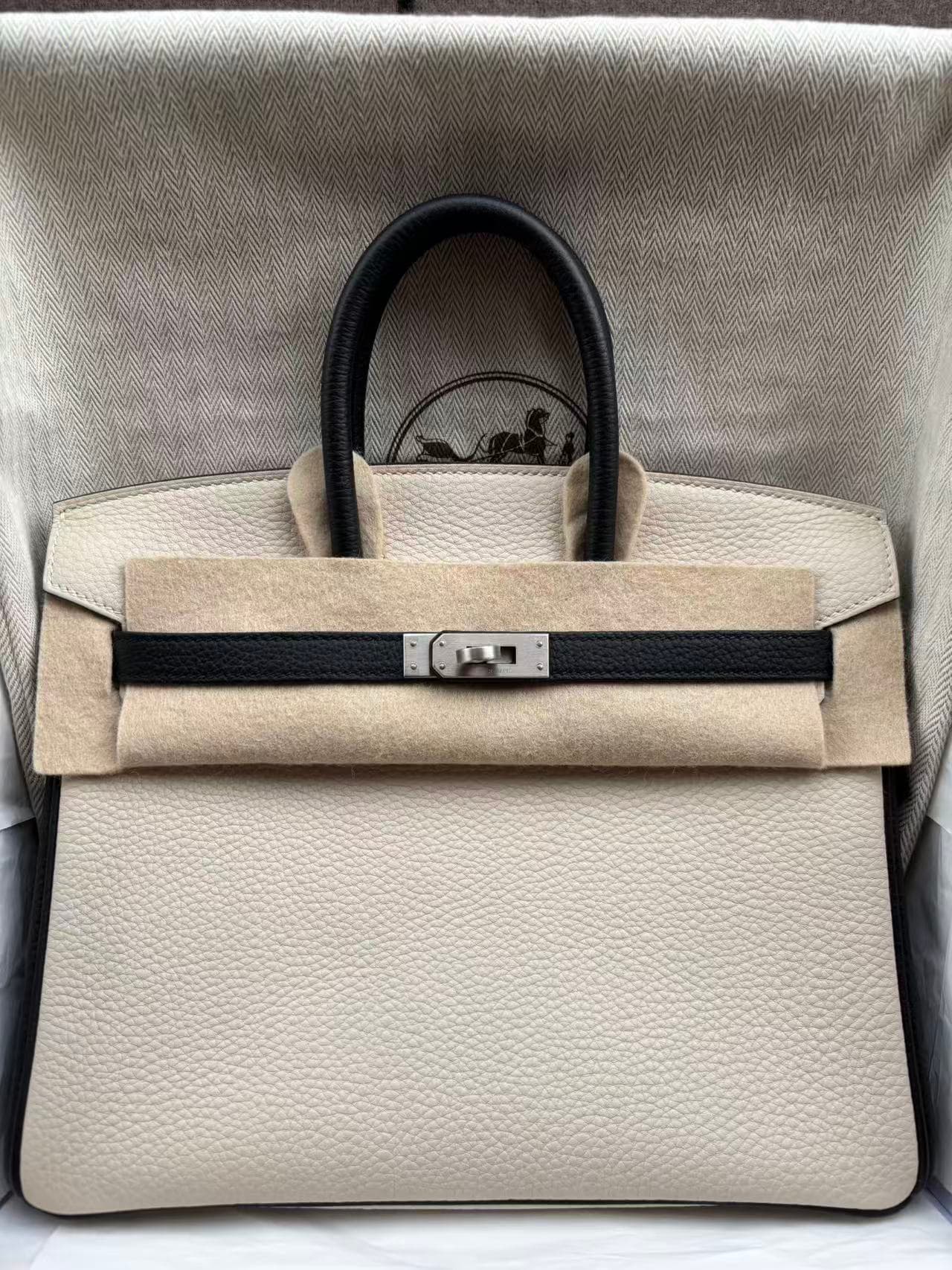 New
New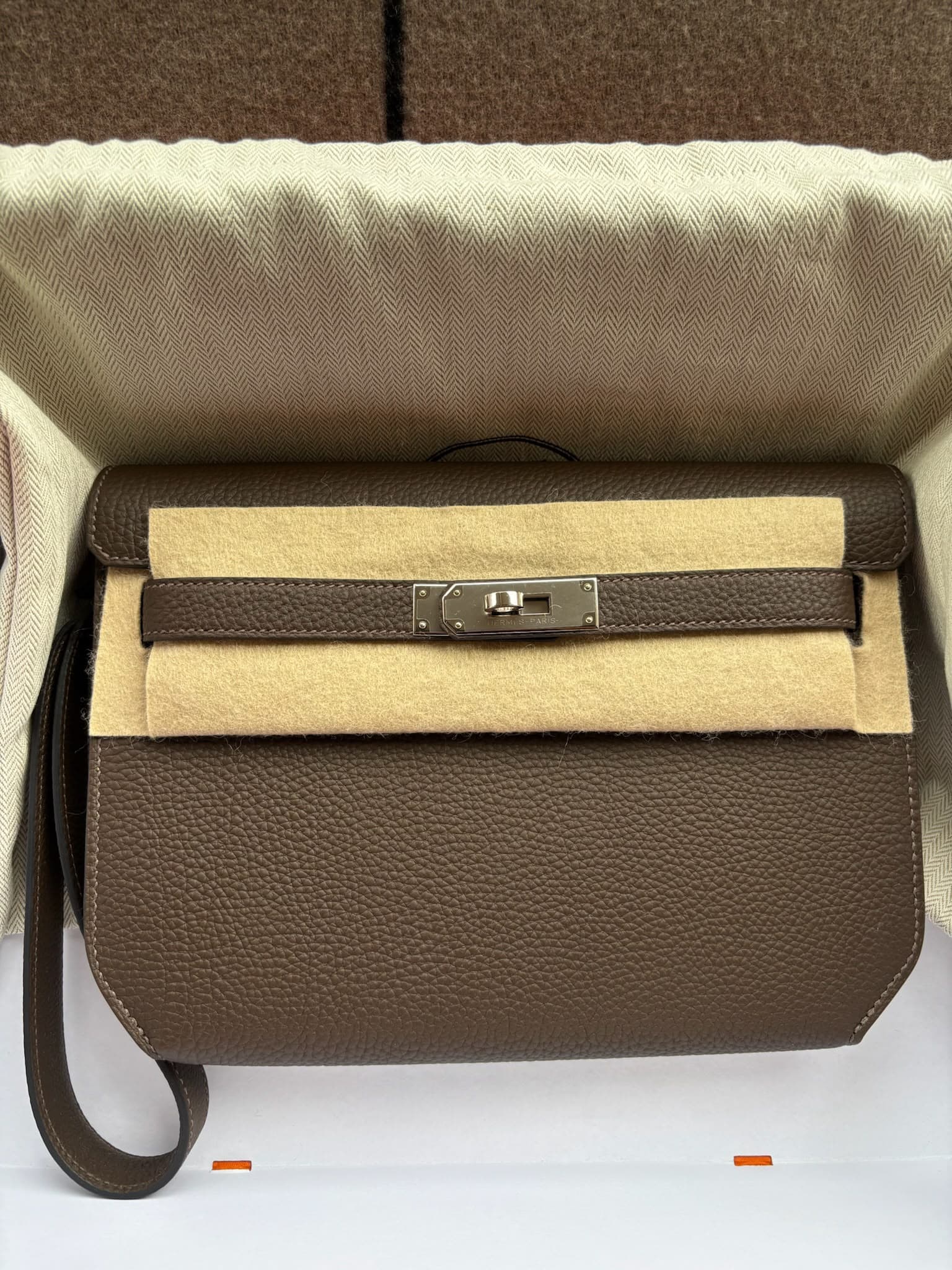 New
New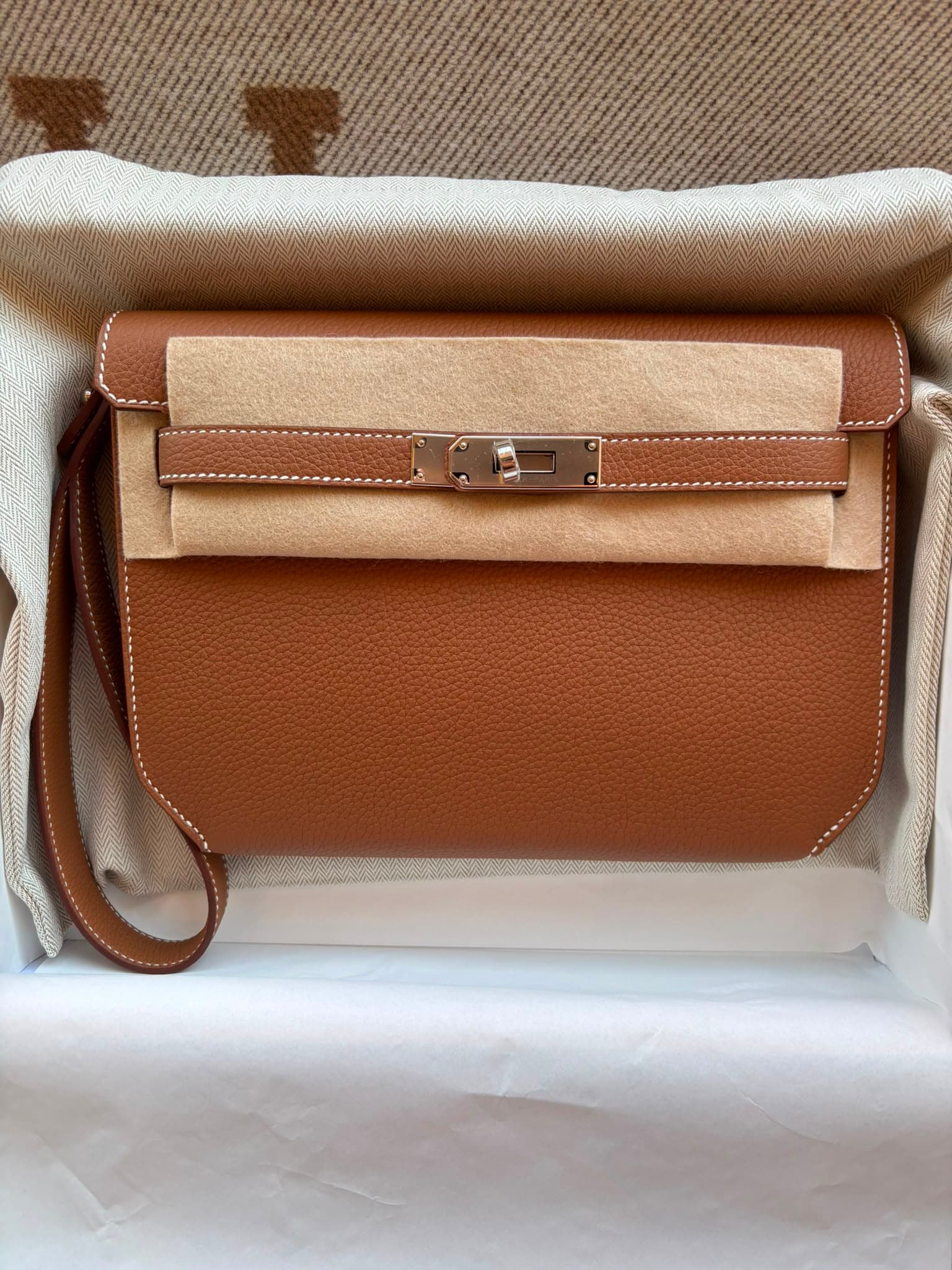 New
New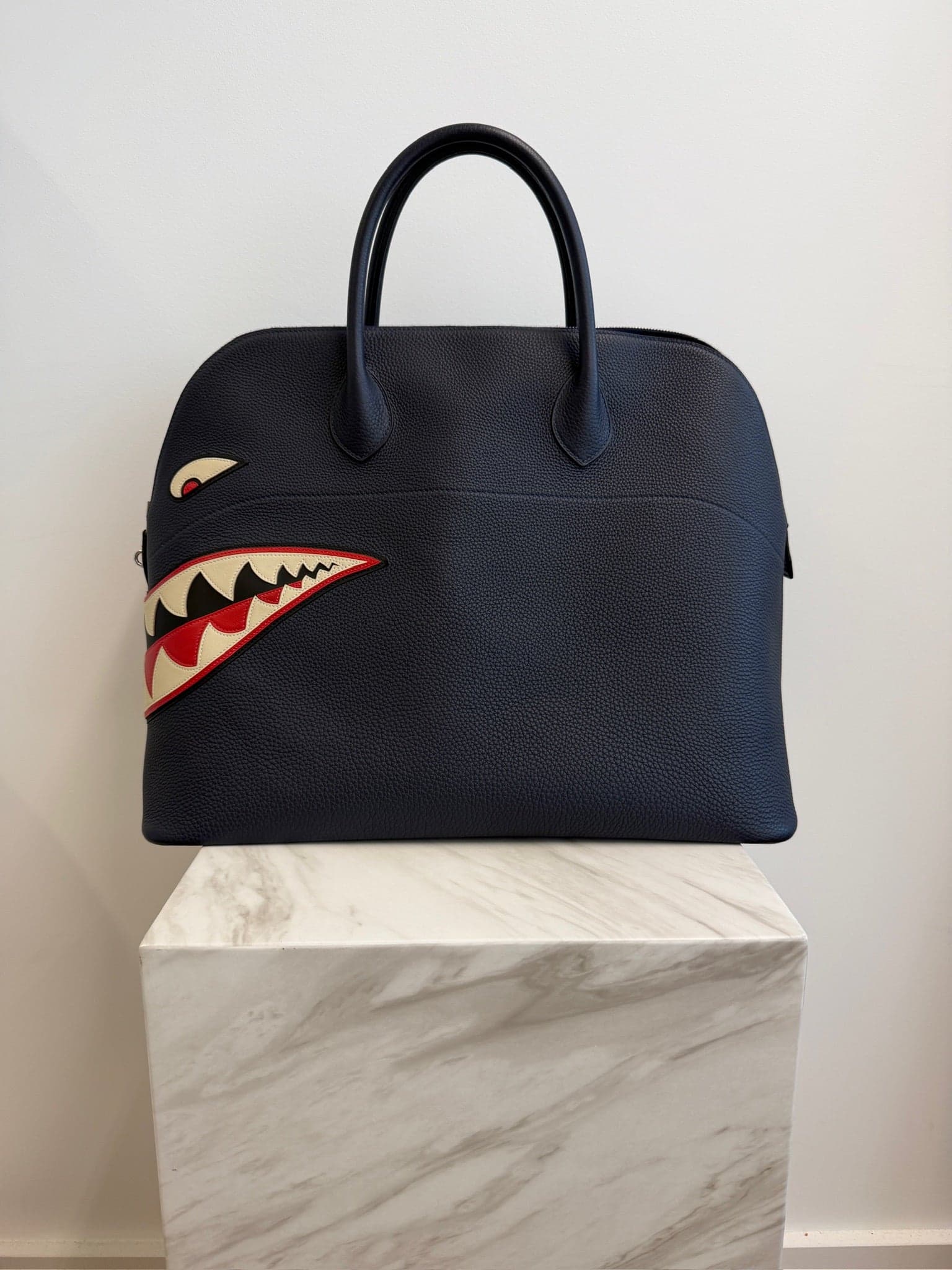 New
New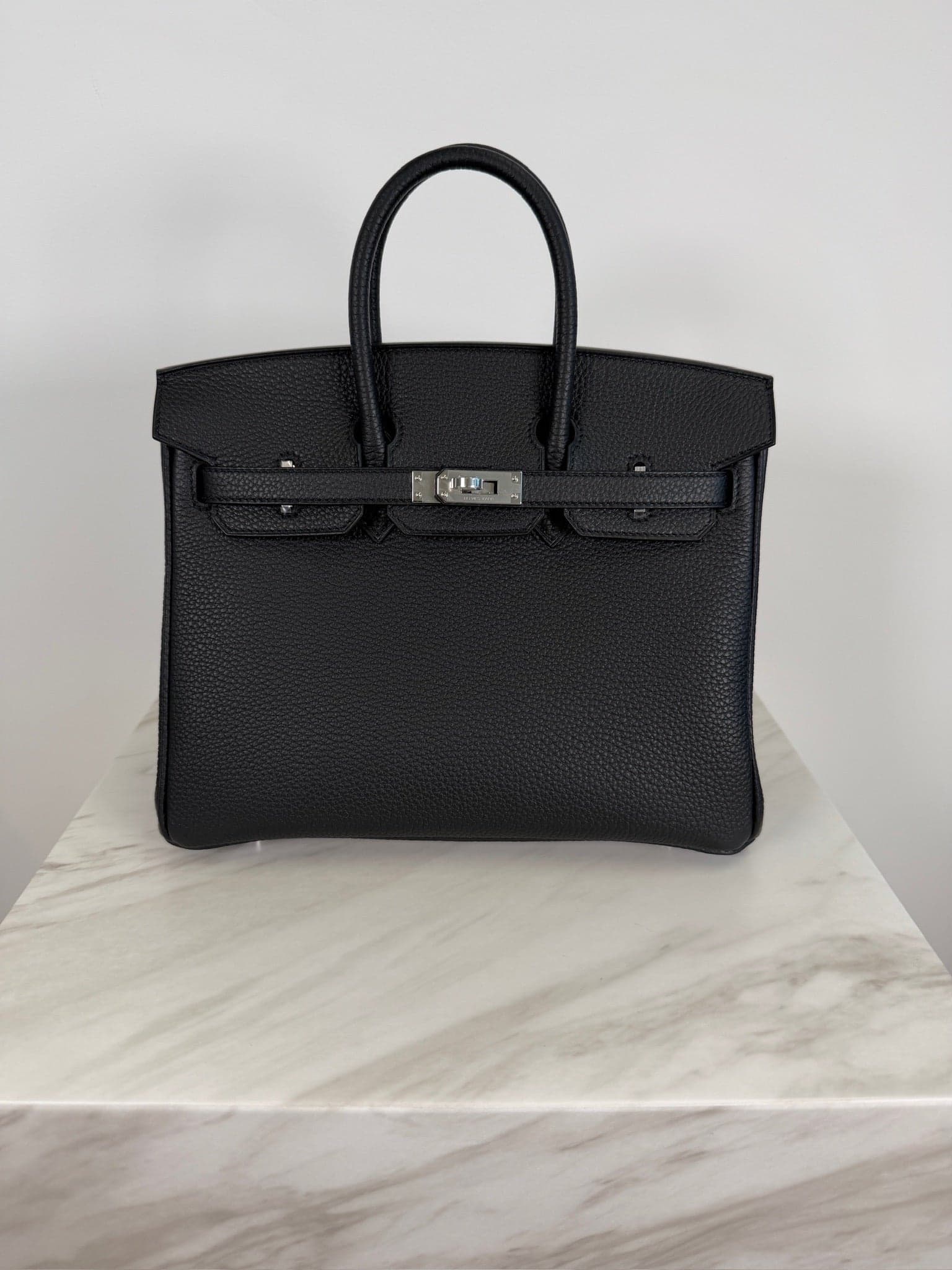 New
New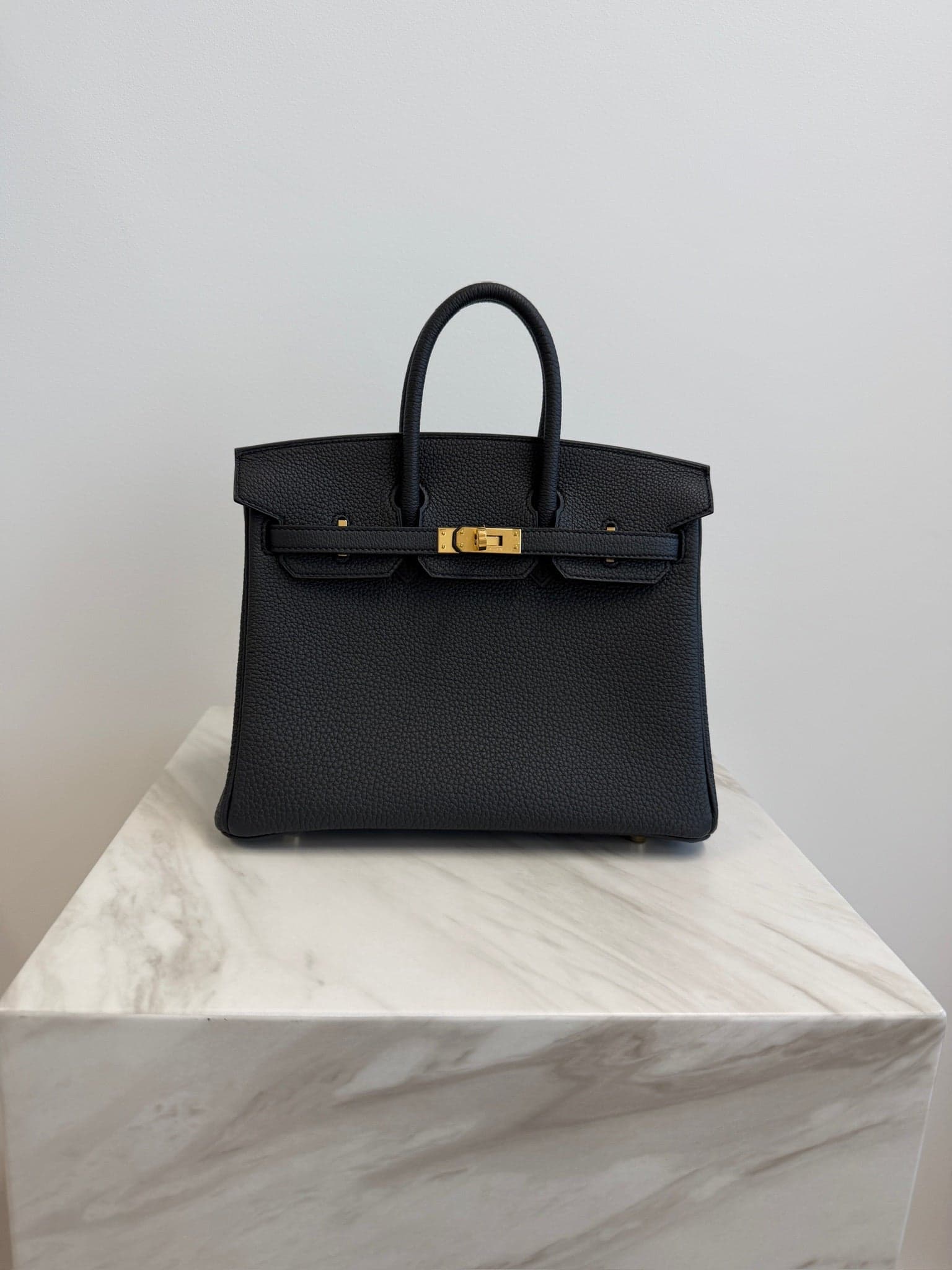 New
New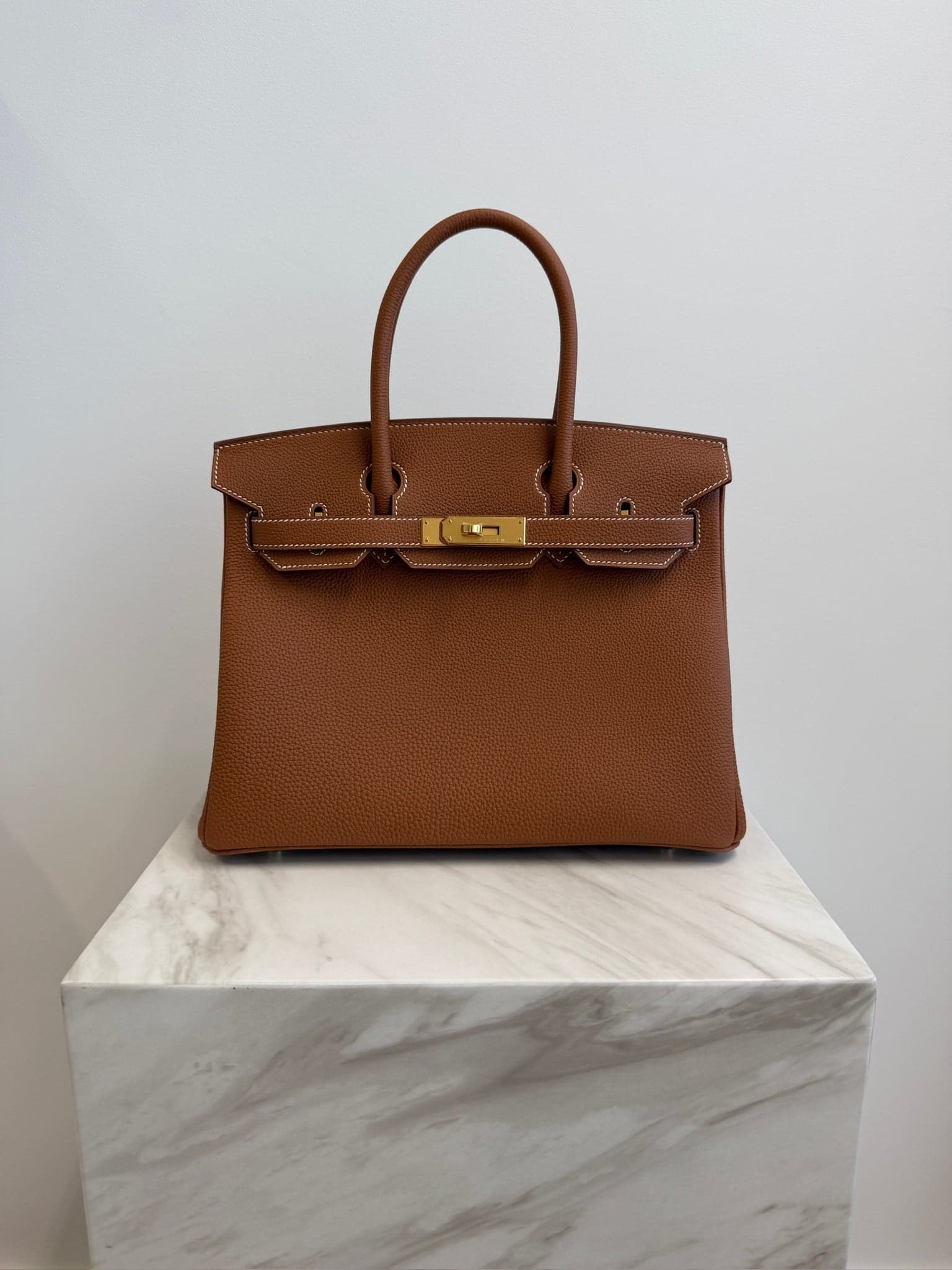 New
New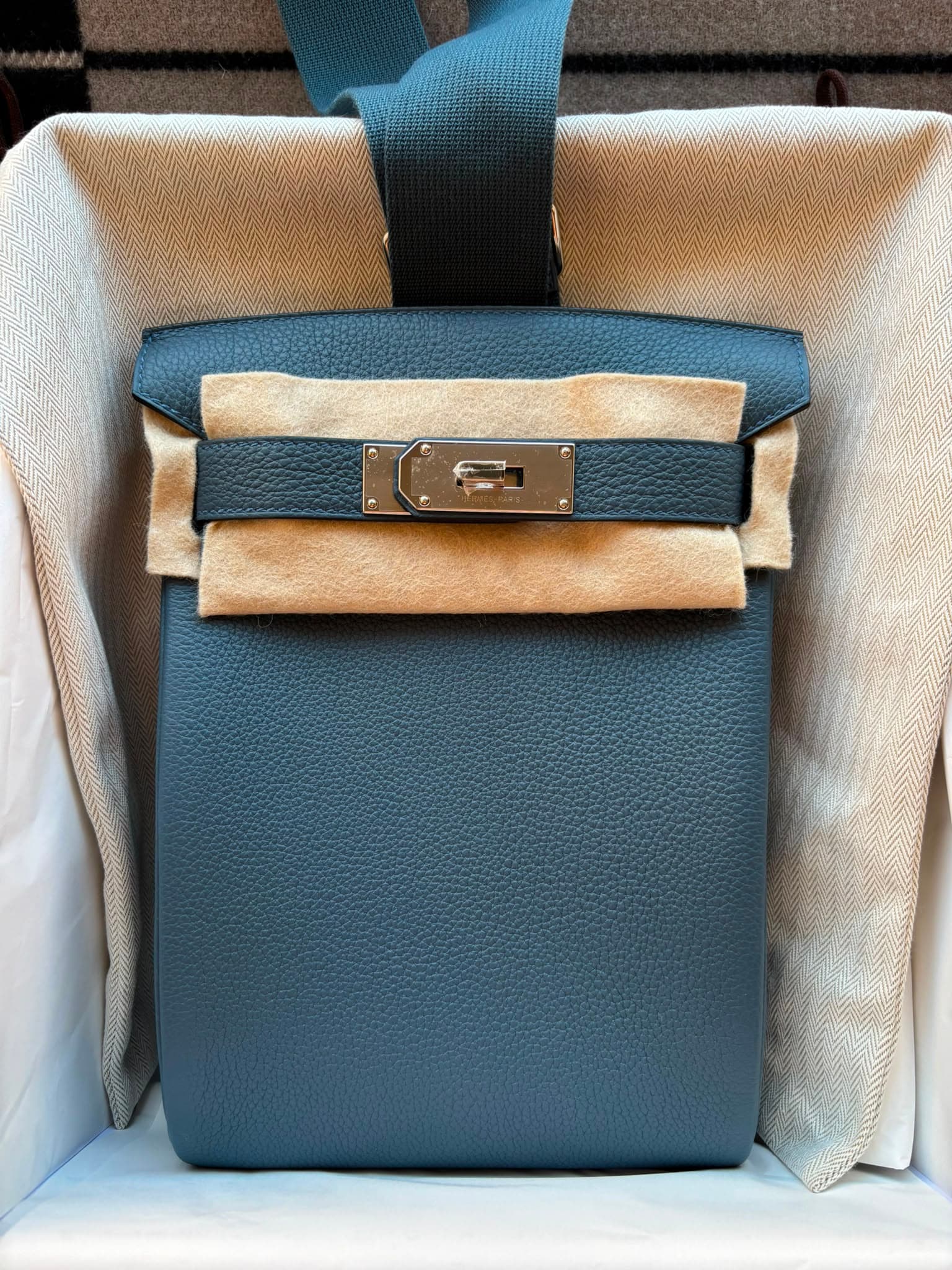 New
New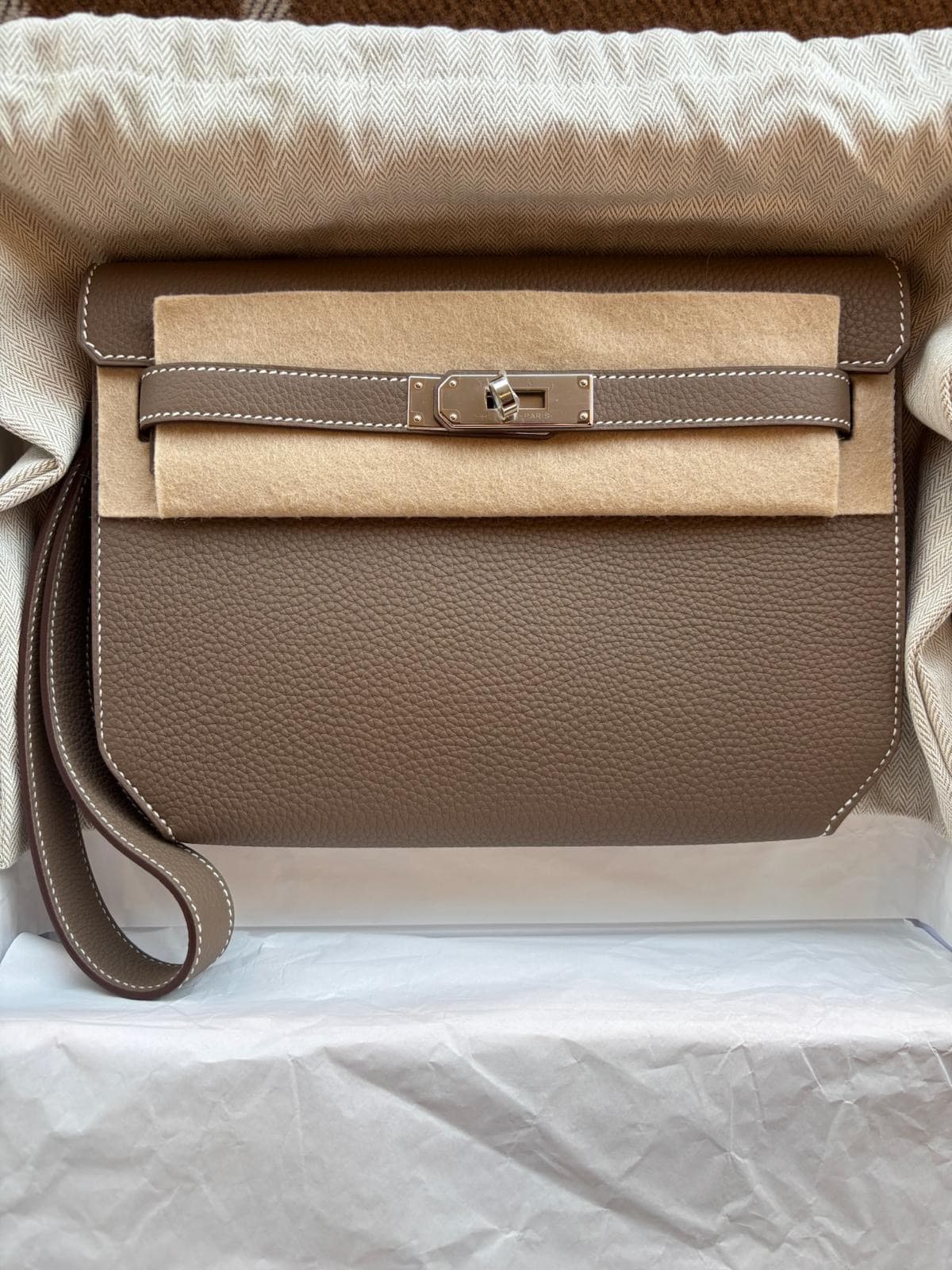 Pre-Owned
 New
New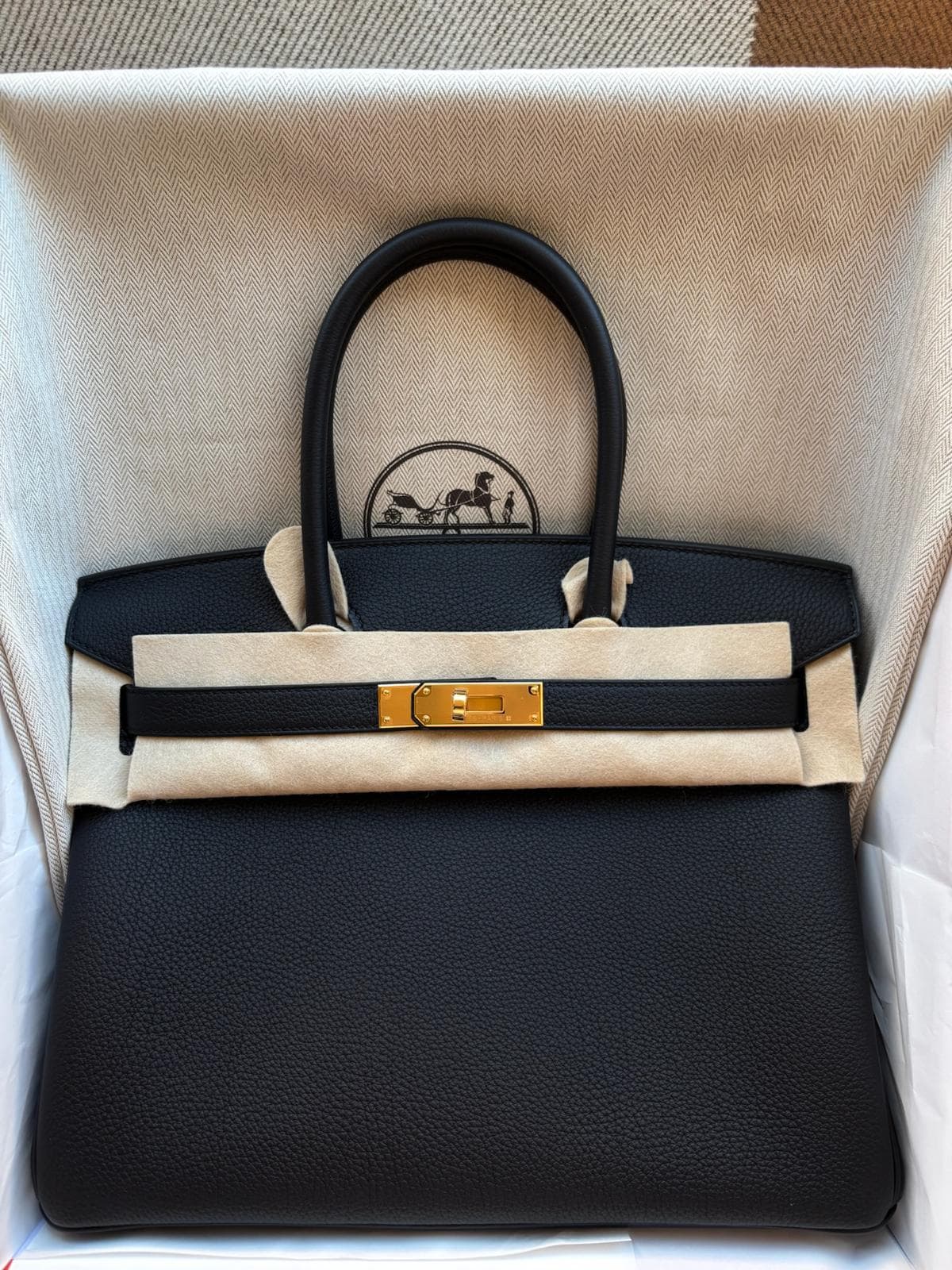 New
New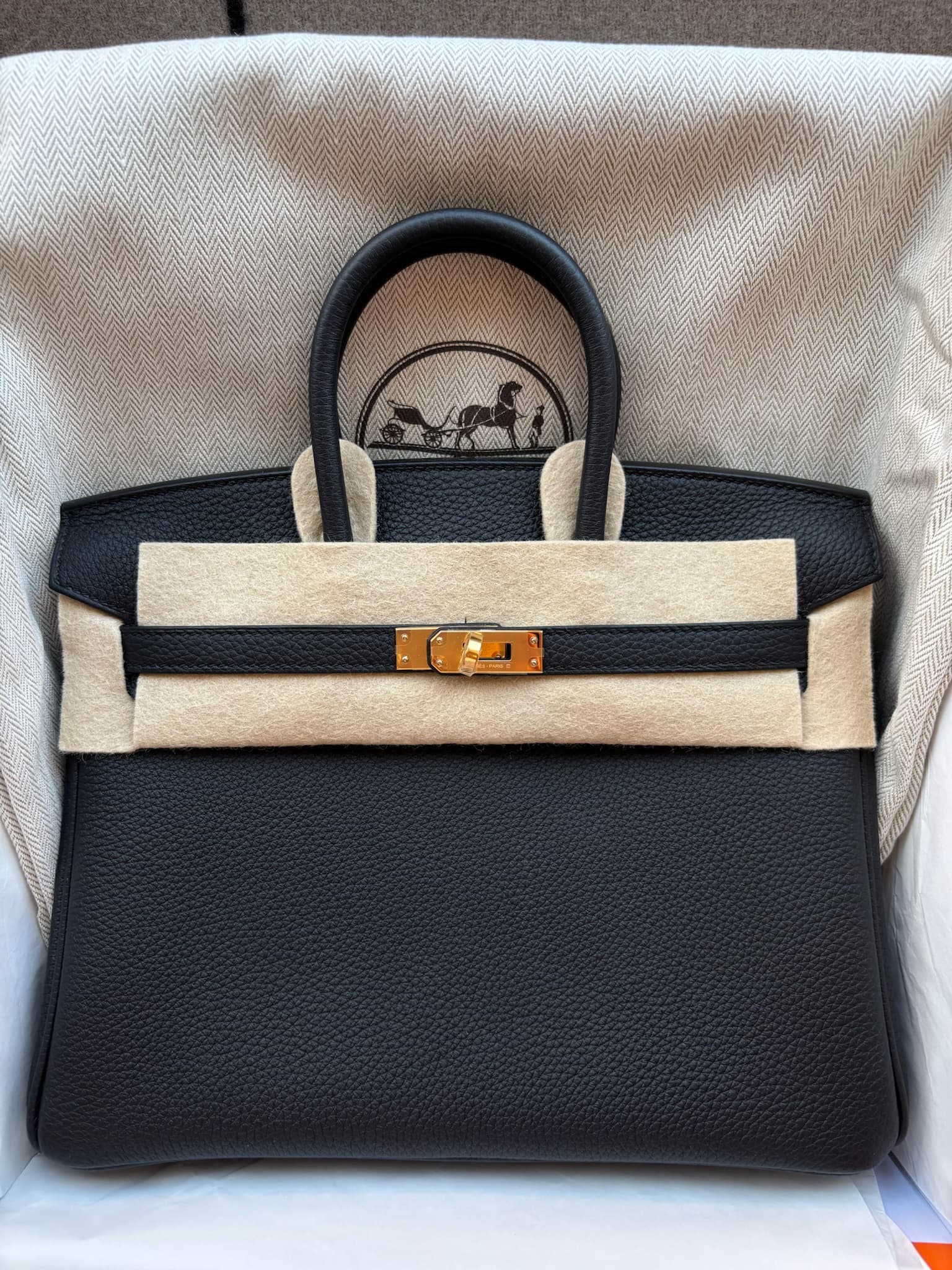 New
New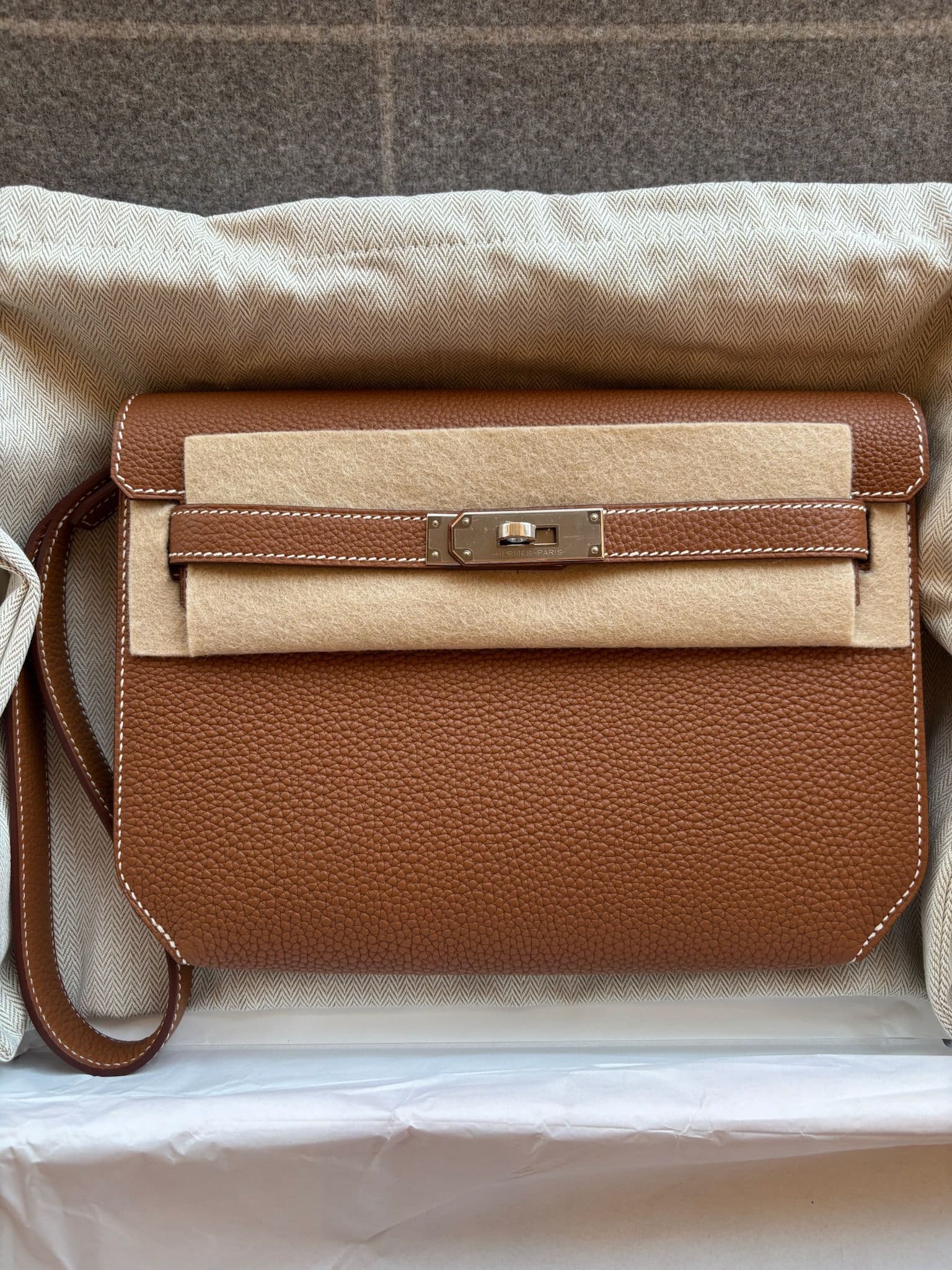 New
New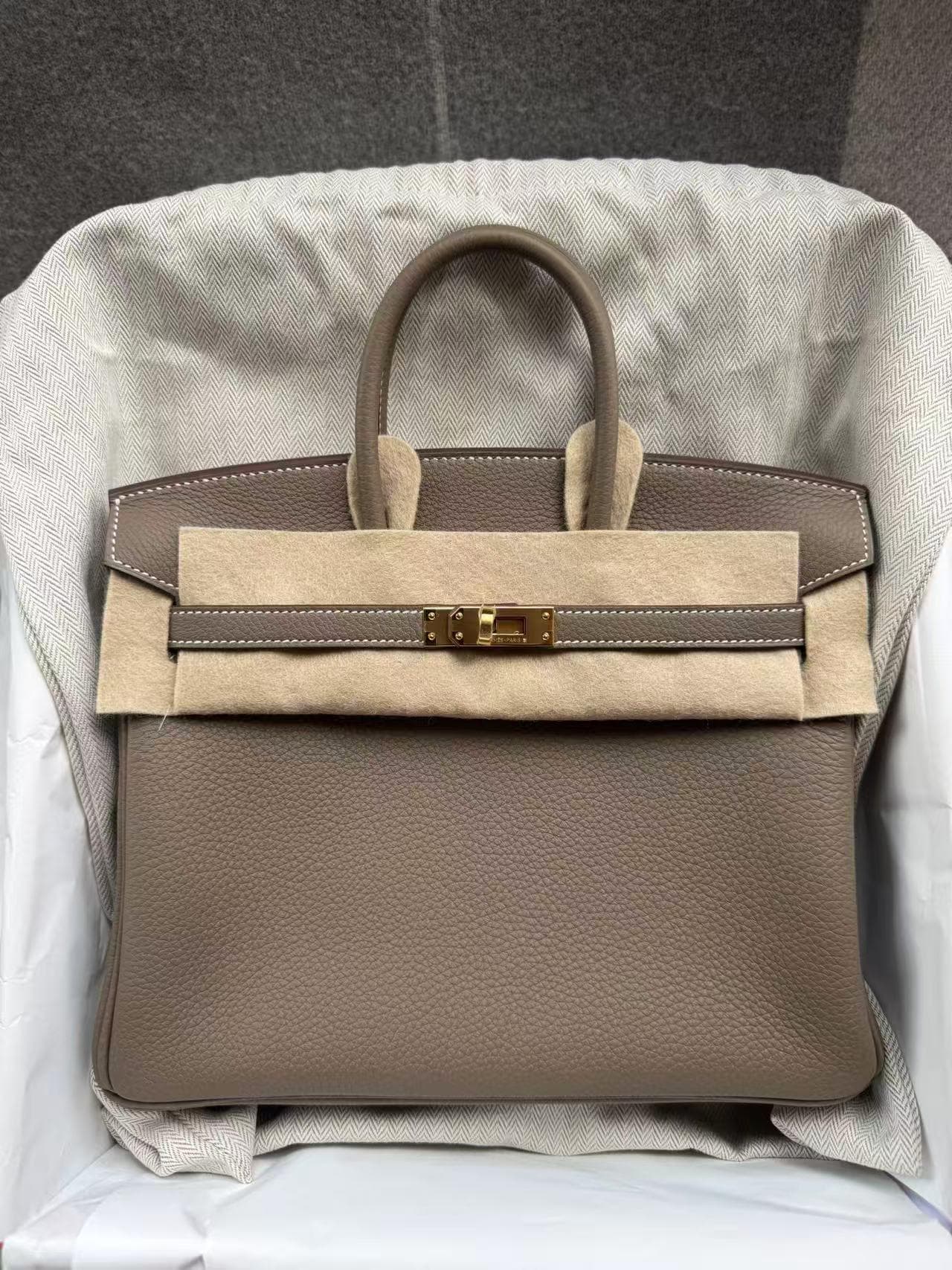 New
New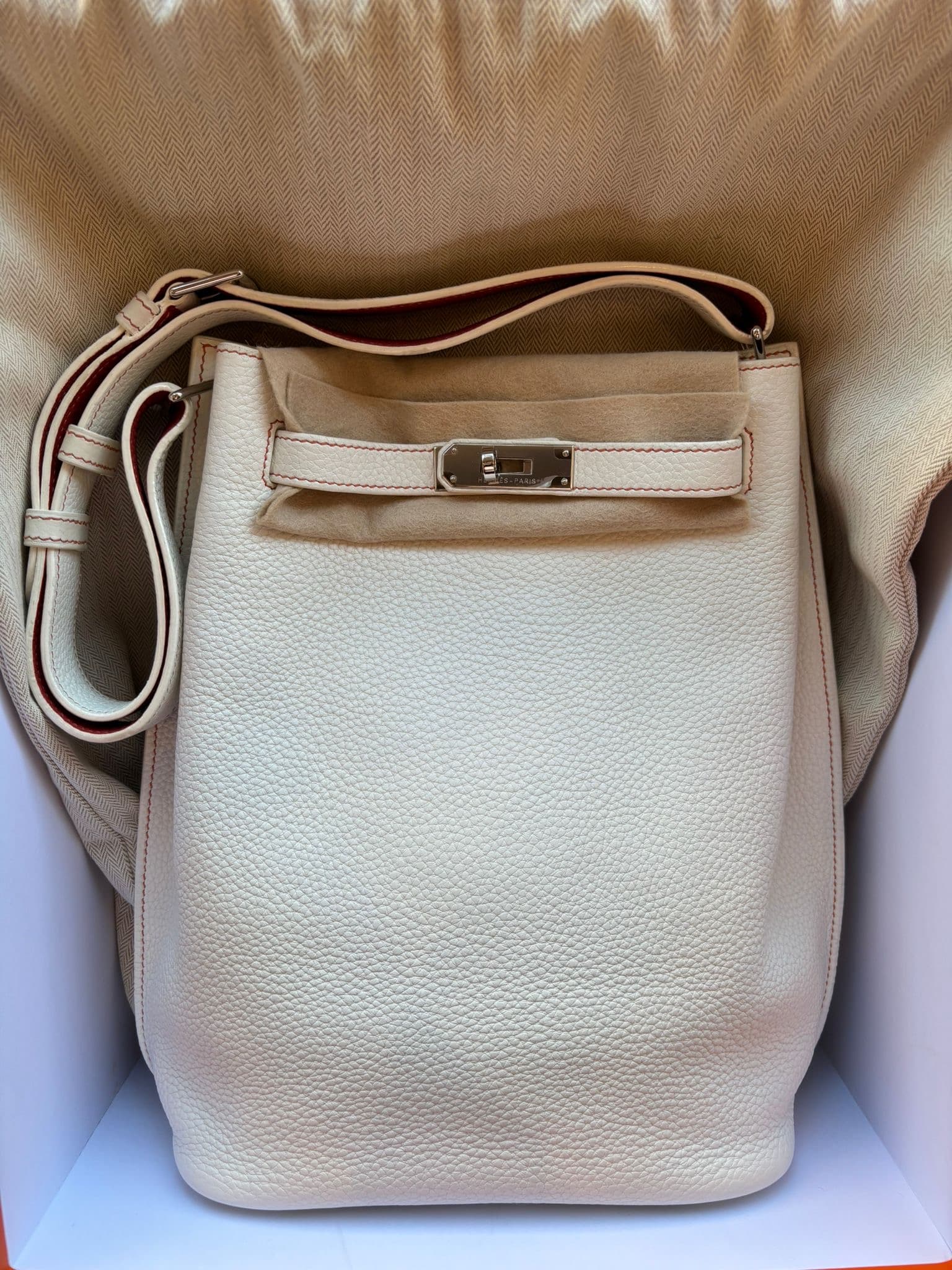 New
New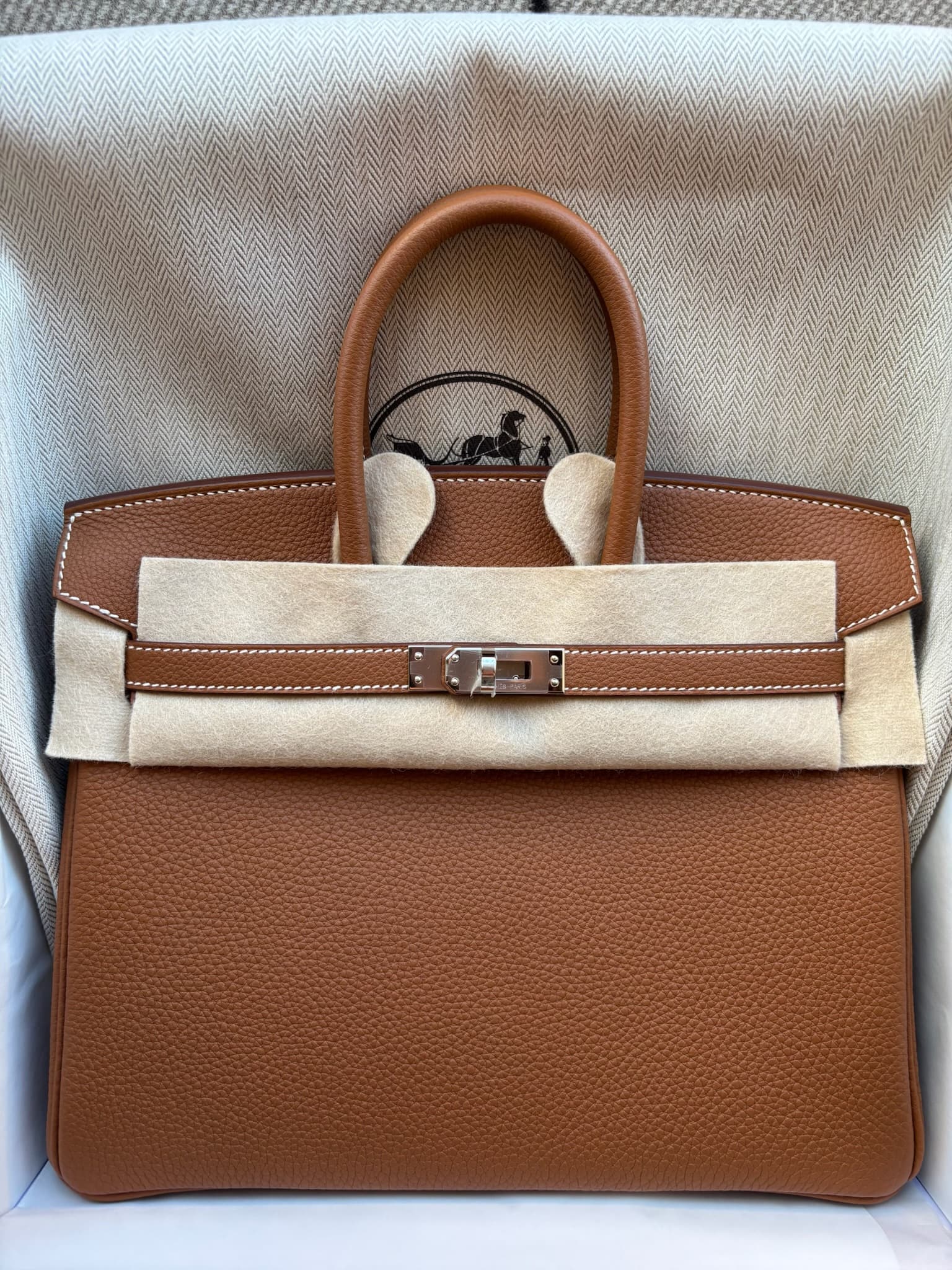 New
New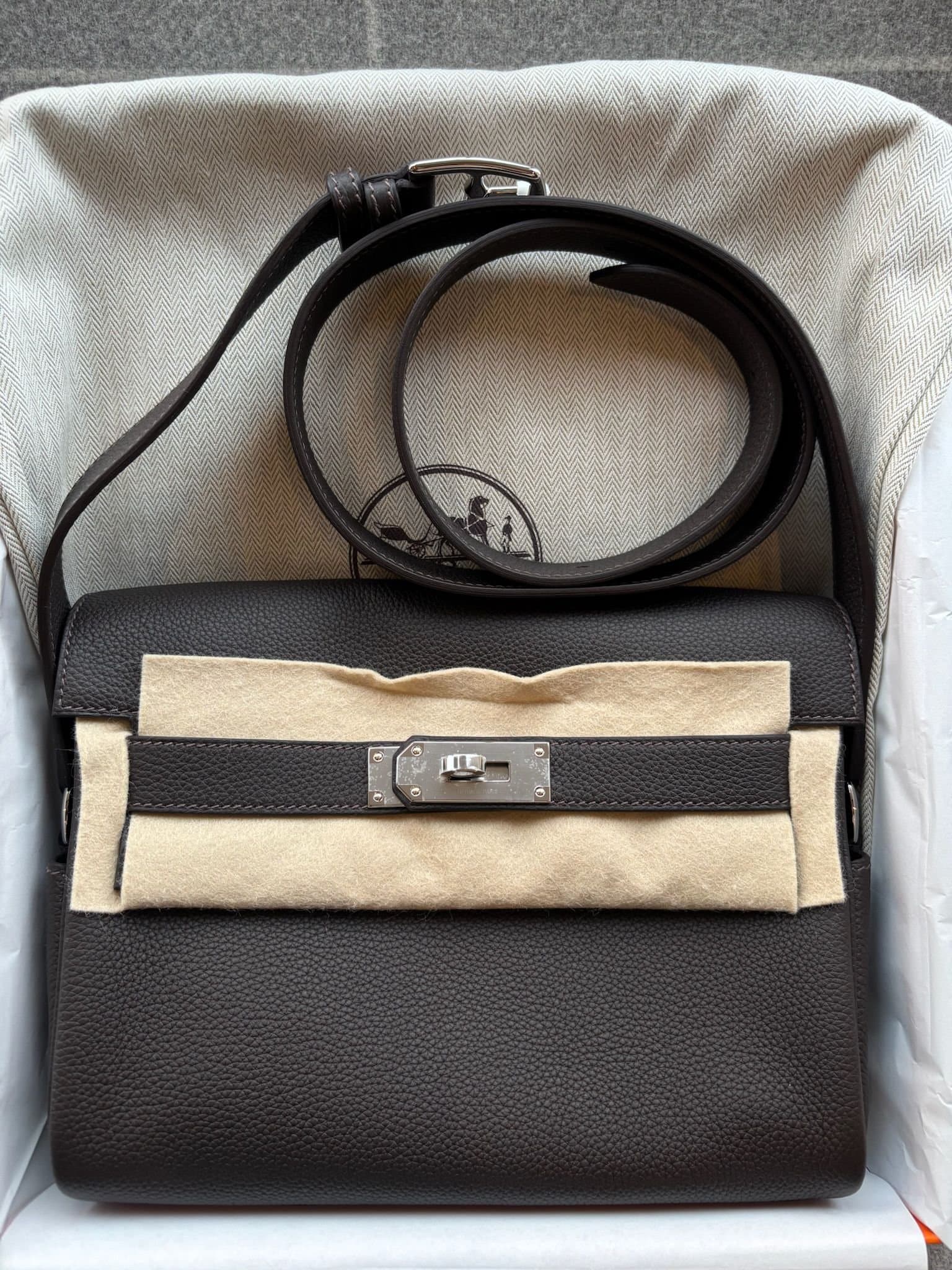 New
New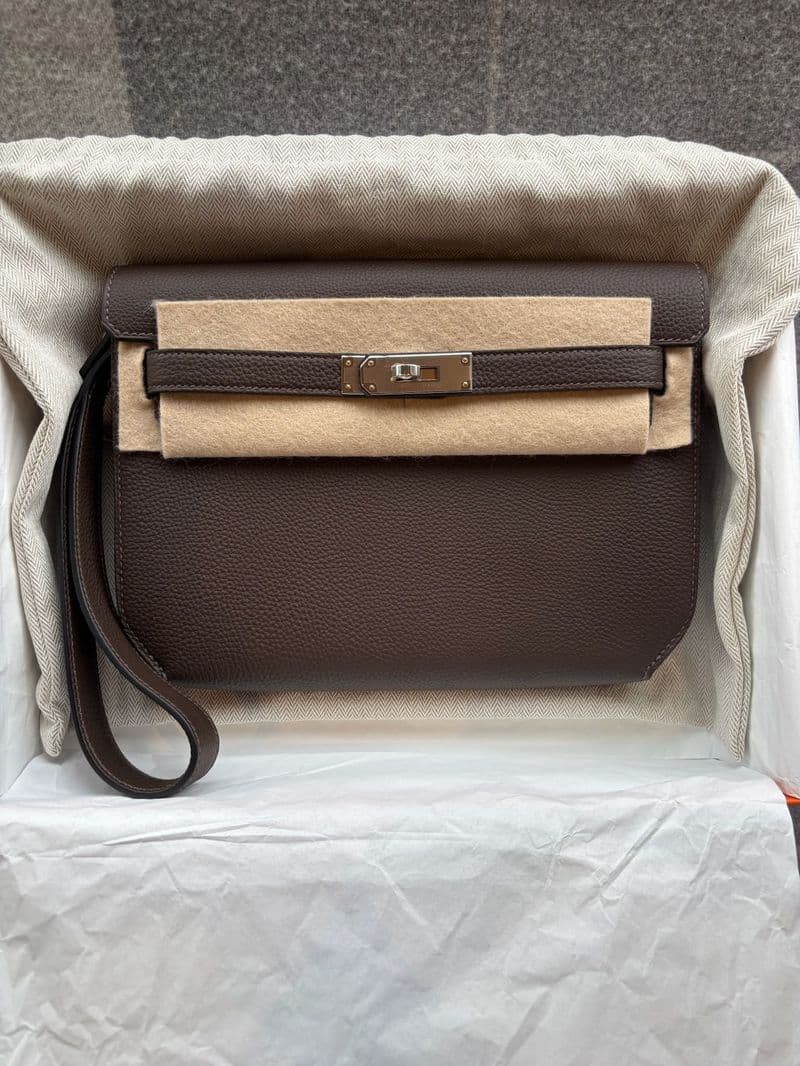 New
New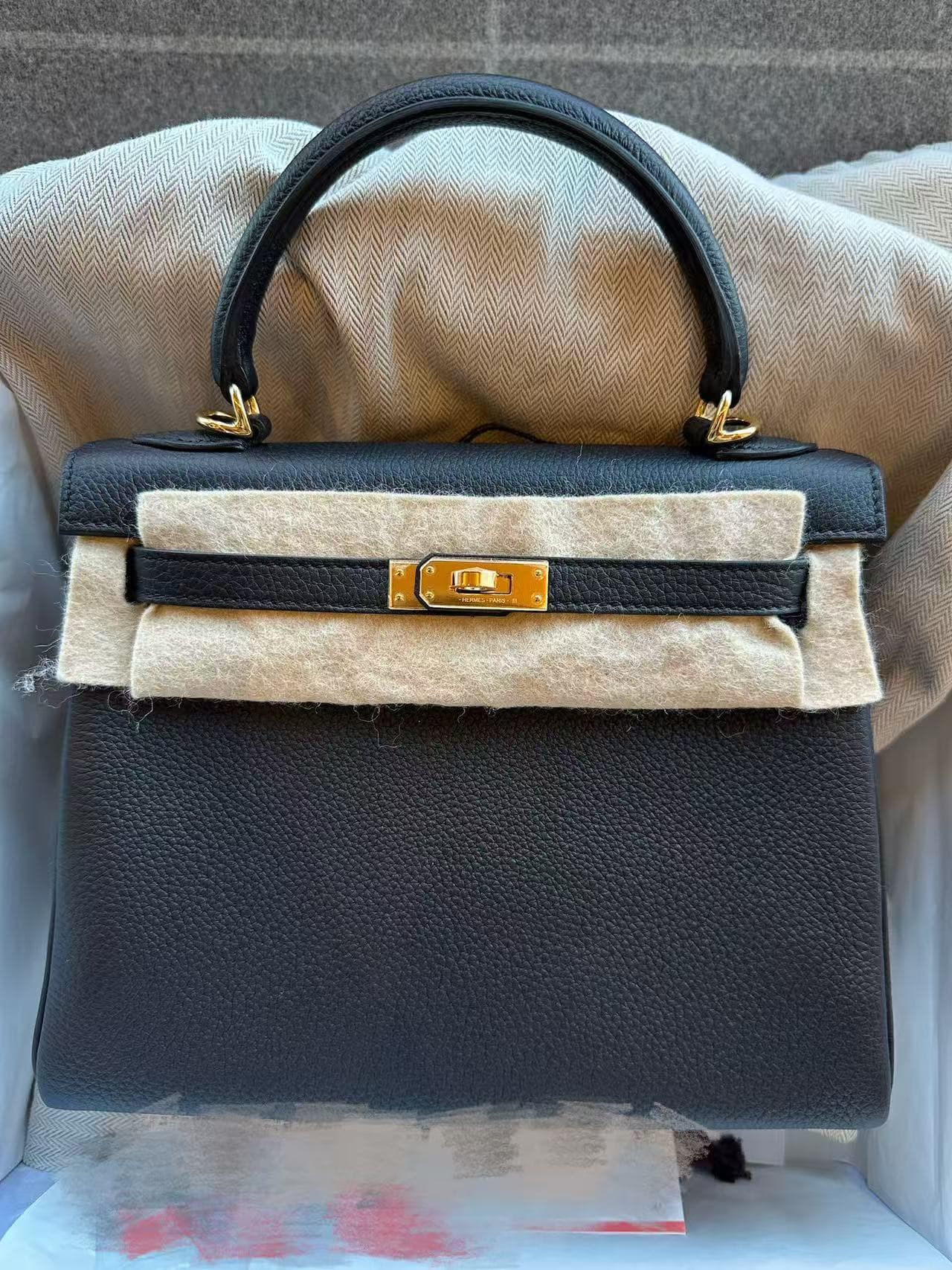 New
New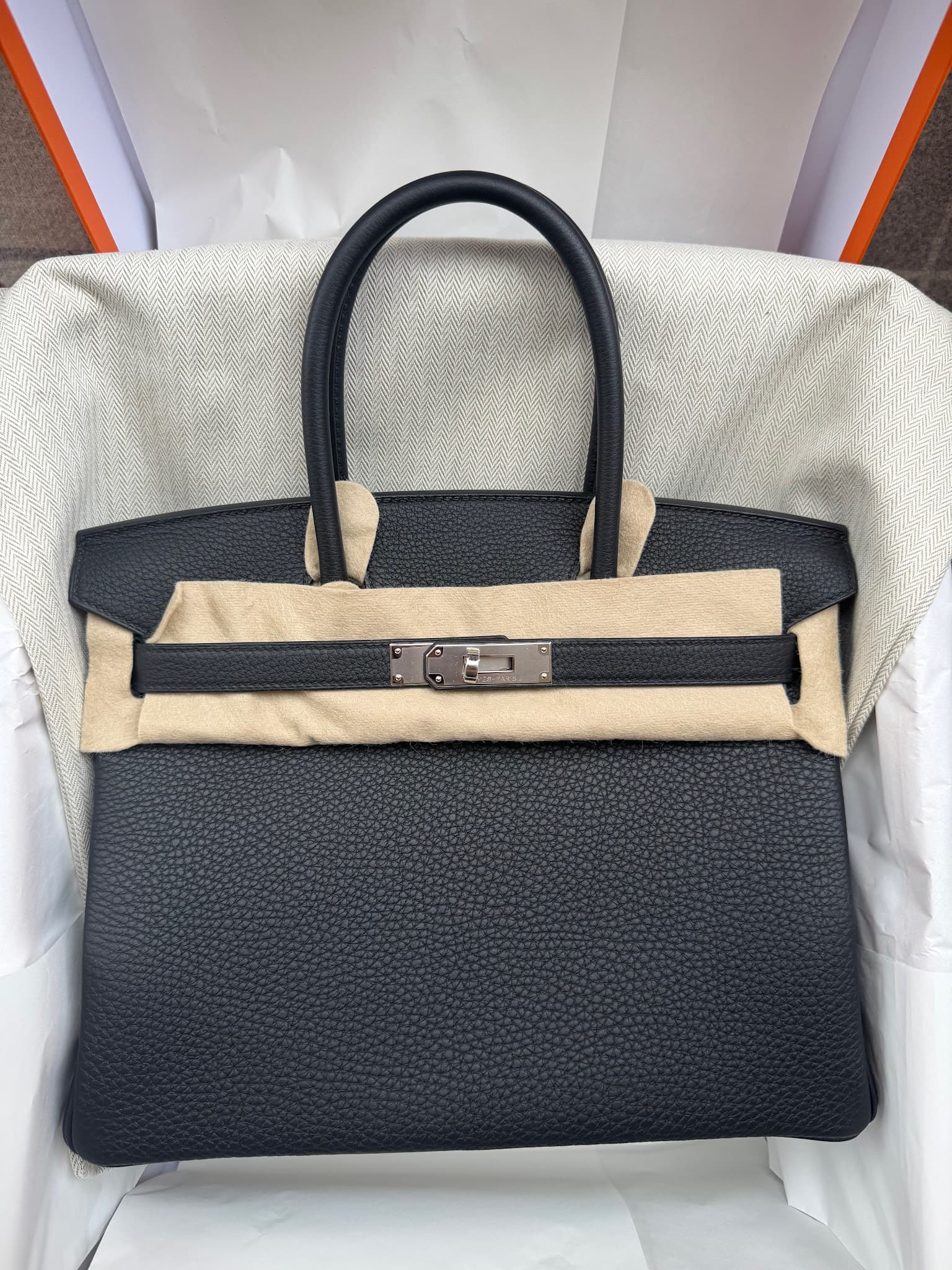 New
New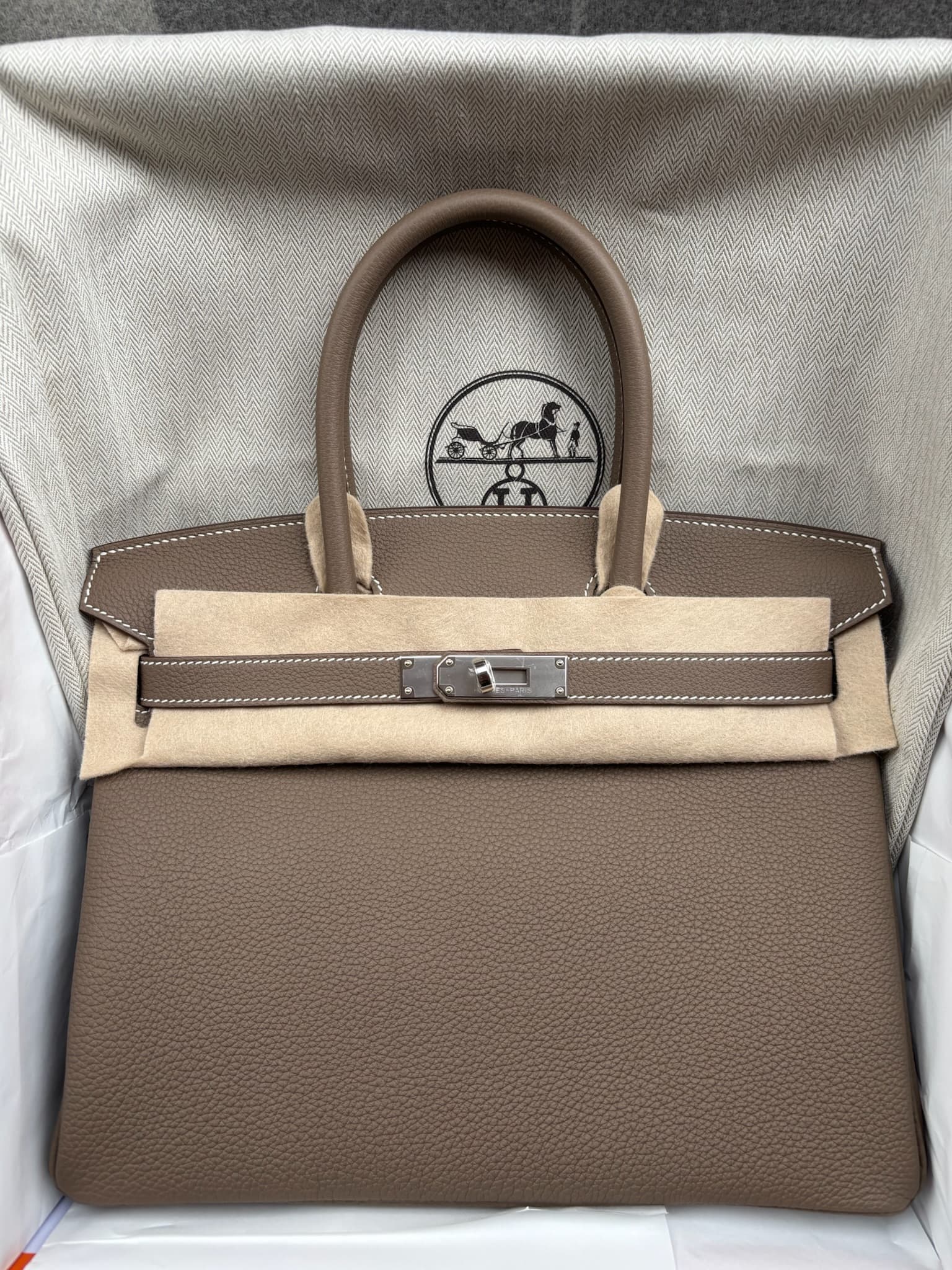 New
New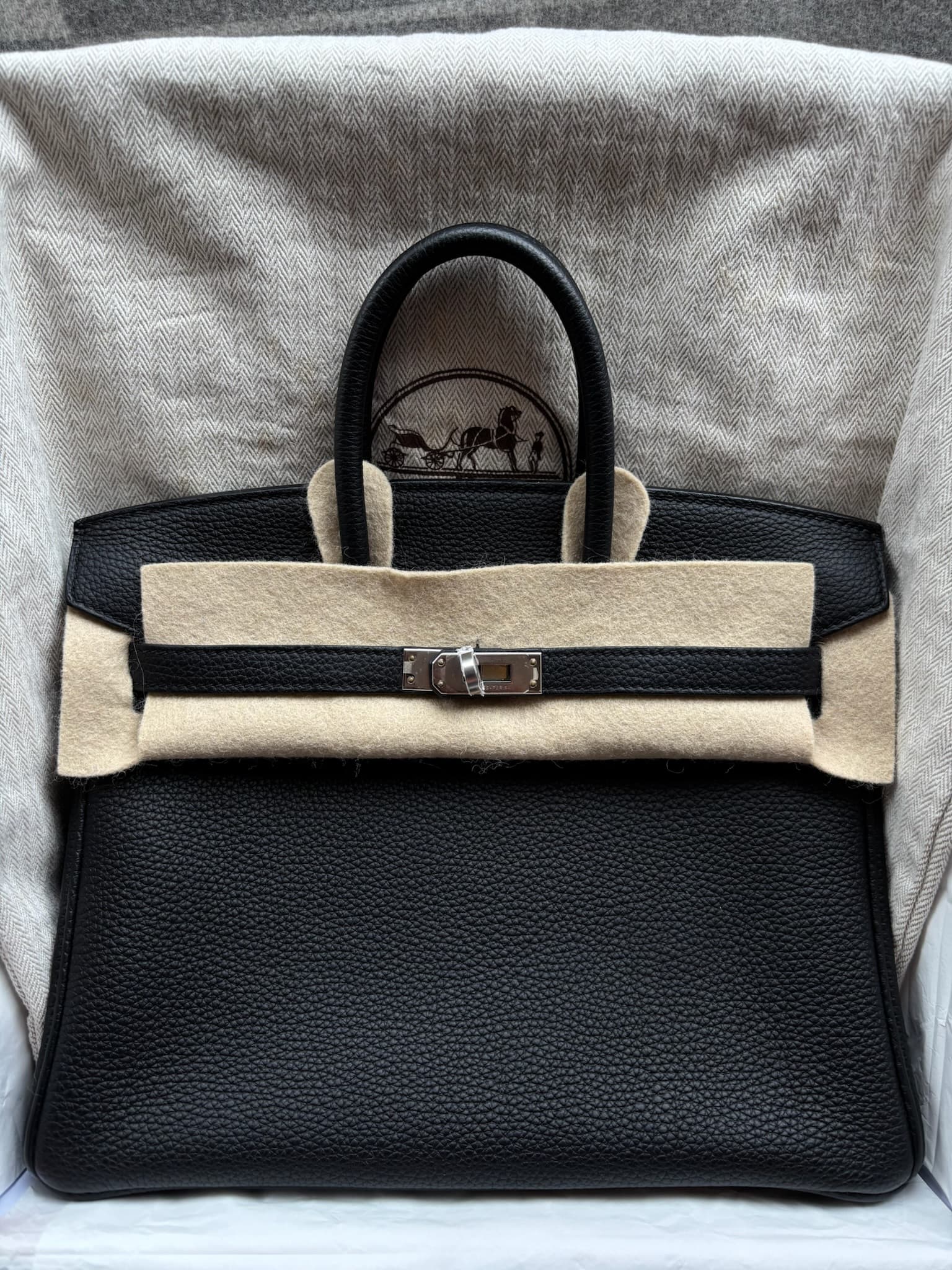 New
New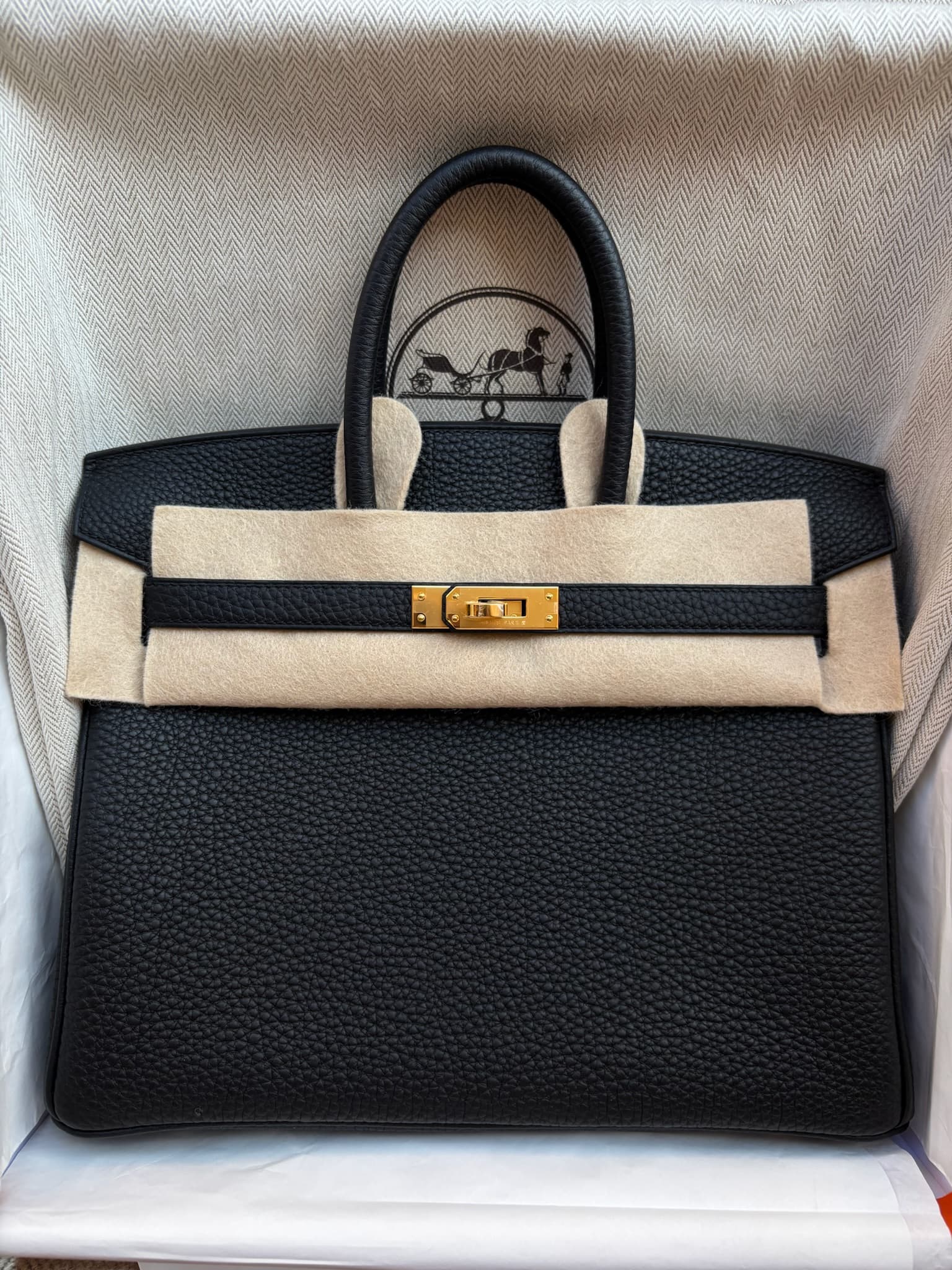 New
New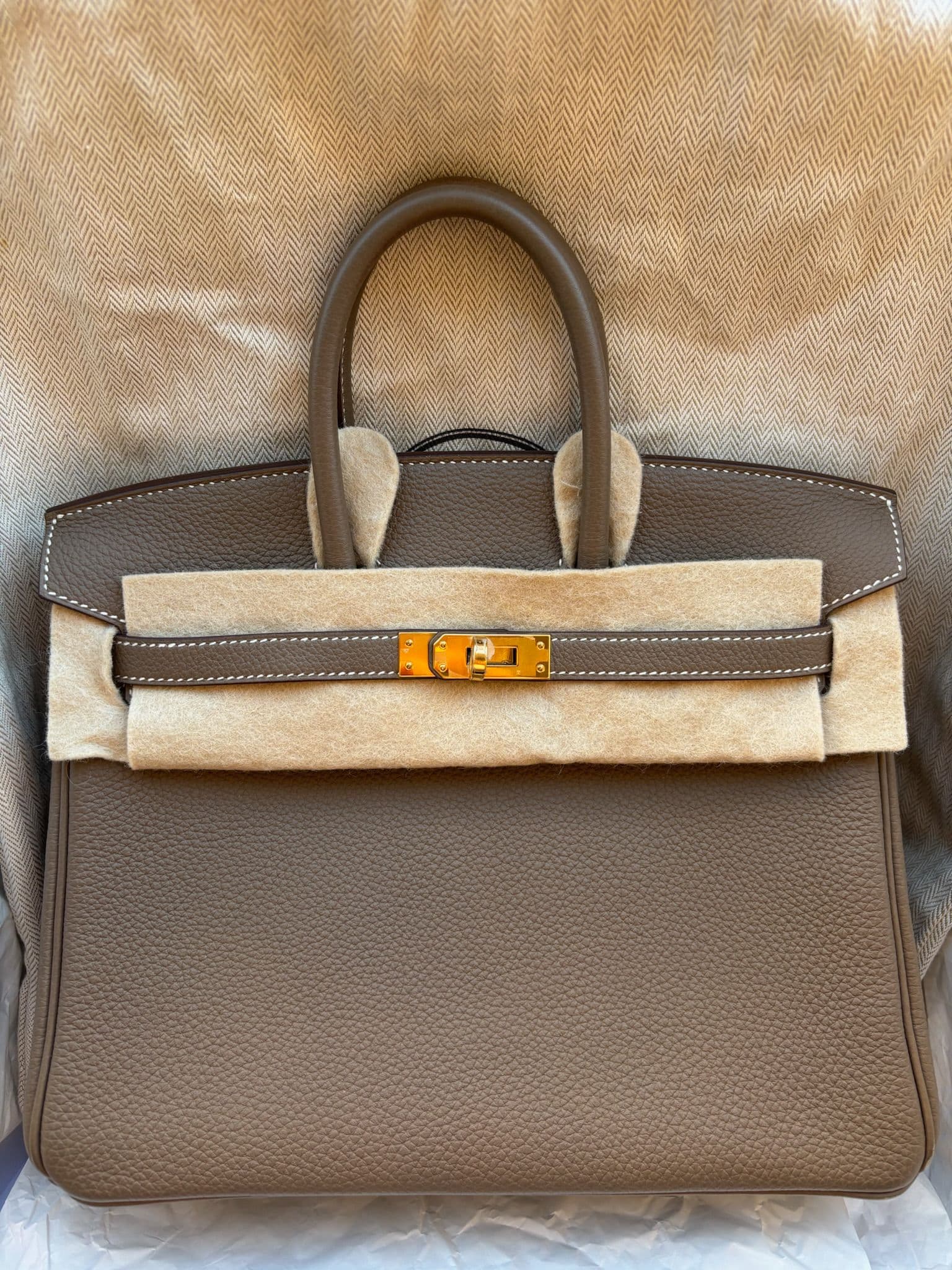 Pre-Owned
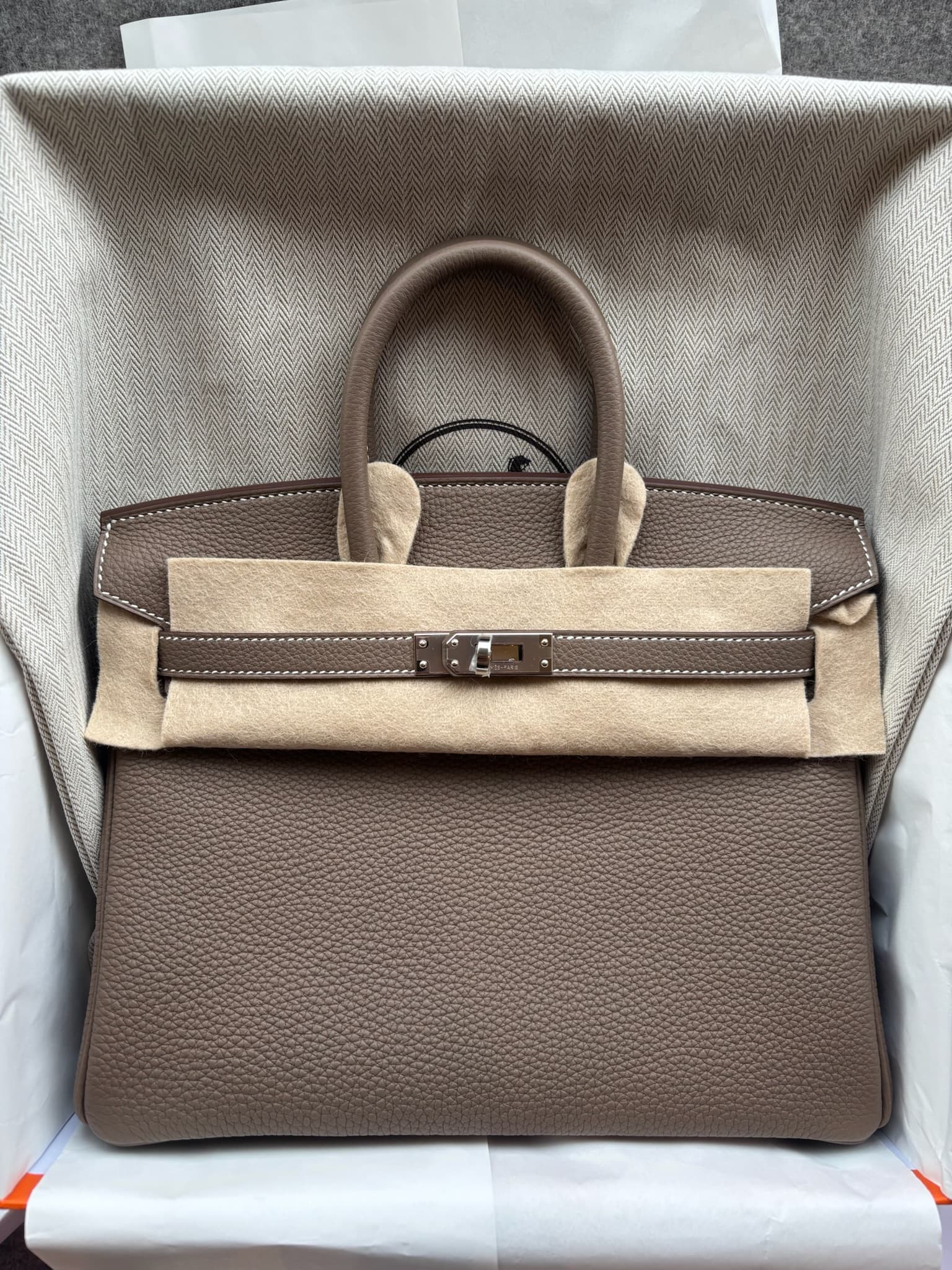 New
NewLooking for one in particular?
Send us the size, colour and hardware you have in mind. We reply within the hour with what is here, more photographs of any piece above, or the time it would take to source it.
Togo is the leather most Hermès bags are made in, and the reason is not romance but arithmetic: it does more things well than any other hide the house uses. It is a bull calf with a fine, raised pebble grain, introduced in the late 1990s, and it has been the default answer for a Birkin or a Kelly ever since.
The grain is the whole point. Because the surface is textured rather than smooth, a scratch has nowhere to sit and be seen — it disappears into the pattern instead of drawing a line across it. That single property is why Togo survives a life of being put on floors, pushed under seats and carried in weather, and why it is the leather we most often recommend to someone buying their first Birkin.
It also holds its shape without being stiff. A Togo Birkin stands when it is packed and relaxes when it is not; over years it softens and the corners round very slightly, which most owners consider improvement rather than wear. It does not collapse the way Clémence eventually does, and it does not stay rigid the way Epsom always will.
Weight is the quiet advantage. For its substance Togo is light, which matters more than people expect on a 30 or a 35 — a heavy leather in a large size becomes a bag you leave at home. The grain also runs slightly differently across each hide, so no two Togo bags are identical at close range even in the same colour.
Colour behaves predictably on it, which is a virtue. Togo takes dye evenly and reads true: a Noir is properly black, an Étoupe is exactly the grey-taupe you expect, and seasonal colours arrive without the extra depth Swift gives or the brightness Epsom adds. If you have chosen a colour from a chart or a photograph, Togo is the leather most likely to look the way you imagined.
Its limits are worth knowing. Togo drinks water — a soaking will leave a mark that dries darker before it settles — and the raised grain can flatten at the very corners after years of hard carrying. Neither is common on a well-kept bag, and both are visible to a hand that knows where to look, which is where our inspection starts.
On the secondary market Togo is the safest ground precisely because it is the most produced: more colours exist, more sizes exist, and a specific combination is far more findable than in Chèvre or Box. That availability is why a Togo bag in a good colour is usually the sensible first purchase and rarely the one an owner regrets.
Every Togo piece at JULL is inspected by hand in our London workroom — grain at the corners, base, handles, stamp, hardware and interior — and described as it is, including softening and any water marking. Pieces are new, unworn and pre-owned, sourced through European boutiques below boutique retail where the market allows. Shown by appointment in London, filmed in detail for clients elsewhere, delivered insured across the UK.
Questions, answered
Is Togo a good everyday leather?
It is the best everyday leather Hermès makes. The raised pebble grain hides scratches, it holds shape without stiffness and it is light for its substance — which is why it is the default on Birkins and Kellys and the one we most often suggest for a first bag.
Does Togo scratch?
It marks far less visibly than smooth leathers. A scratch has nowhere to sit on a textured surface, so it reads as part of the grain rather than as a line. Corners can flatten slightly after years of hard use, which is the honest limit.
Togo or Clémence?
Togo has a finer, raised grain, is lighter and holds more shape. Clémence has a larger, flatter grain, is heavier and slouches decisively over time. If you want the bag to keep its posture, take Togo; if you want it to relax, take Clémence.
Togo or Epsom?
Epsom is embossed, lighter still, rigid and the only sensible choice for a Sellier construction. Togo is softer, more textured and ages more gracefully. Epsom keeps its geometry forever; Togo becomes yours.
Is Togo waterproof?
No leather here is. Togo absorbs water and a soaking can leave a mark that dries darker before settling. It handles ordinary London weather without drama, but it is not a bag for a downpour without cover.
Which colours suit Togo best?
All of them, which is part of the appeal — Togo takes dye evenly and reads true, so a colour looks the way it did on the chart. Noir and Étoupe are the steadiest; seasonal shades arrive without the extra depth Swift adds or the brightness of Epsom.
Can’t find it? We’ll source it.
Tell us what you’re looking for — model, colour, leather, size — and our team will find it for you, usually within days.
Start a Search