Exotic Hermès Bags — Crocodile, Alligator, Lizard & Ostrich · London
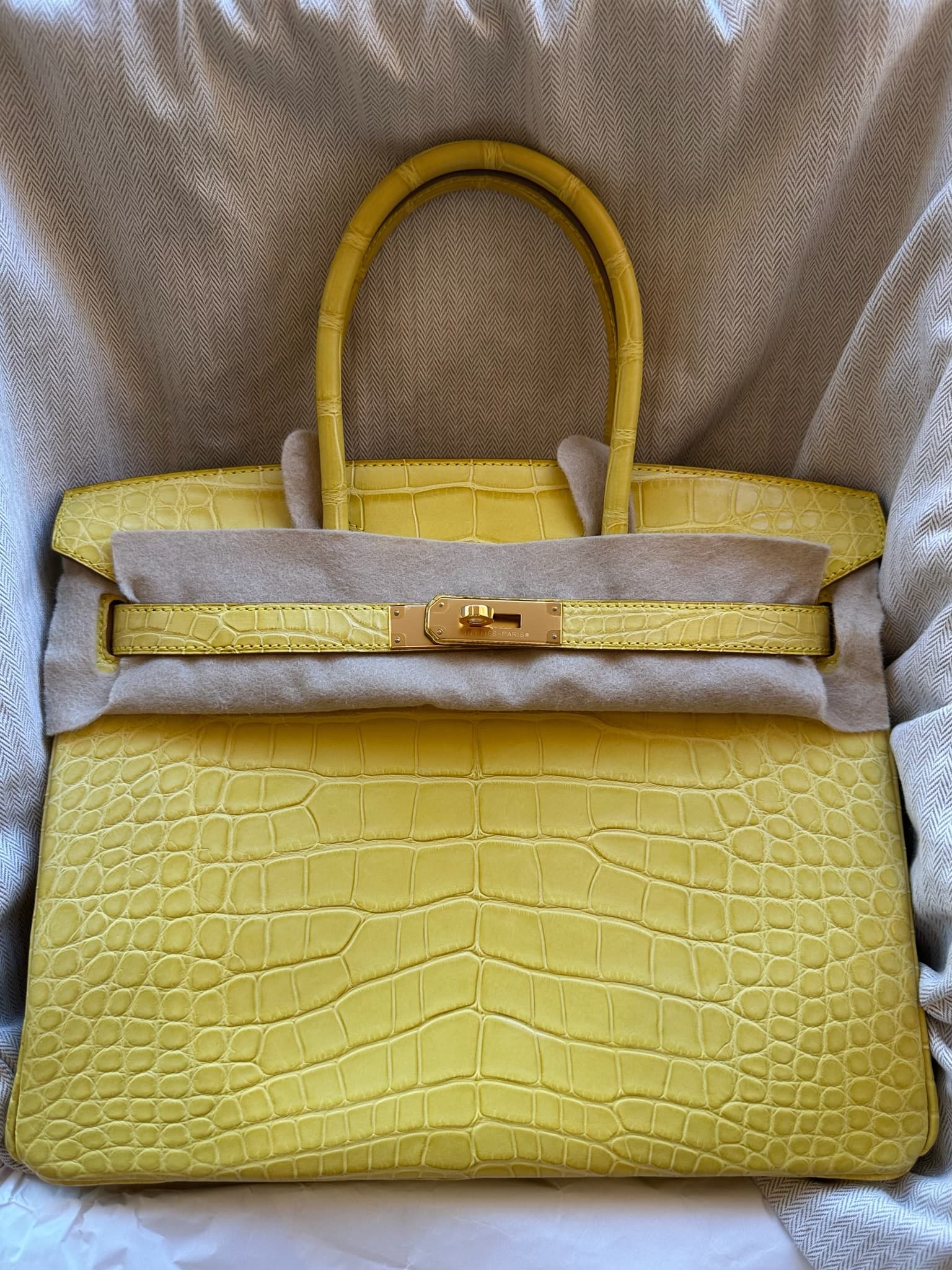
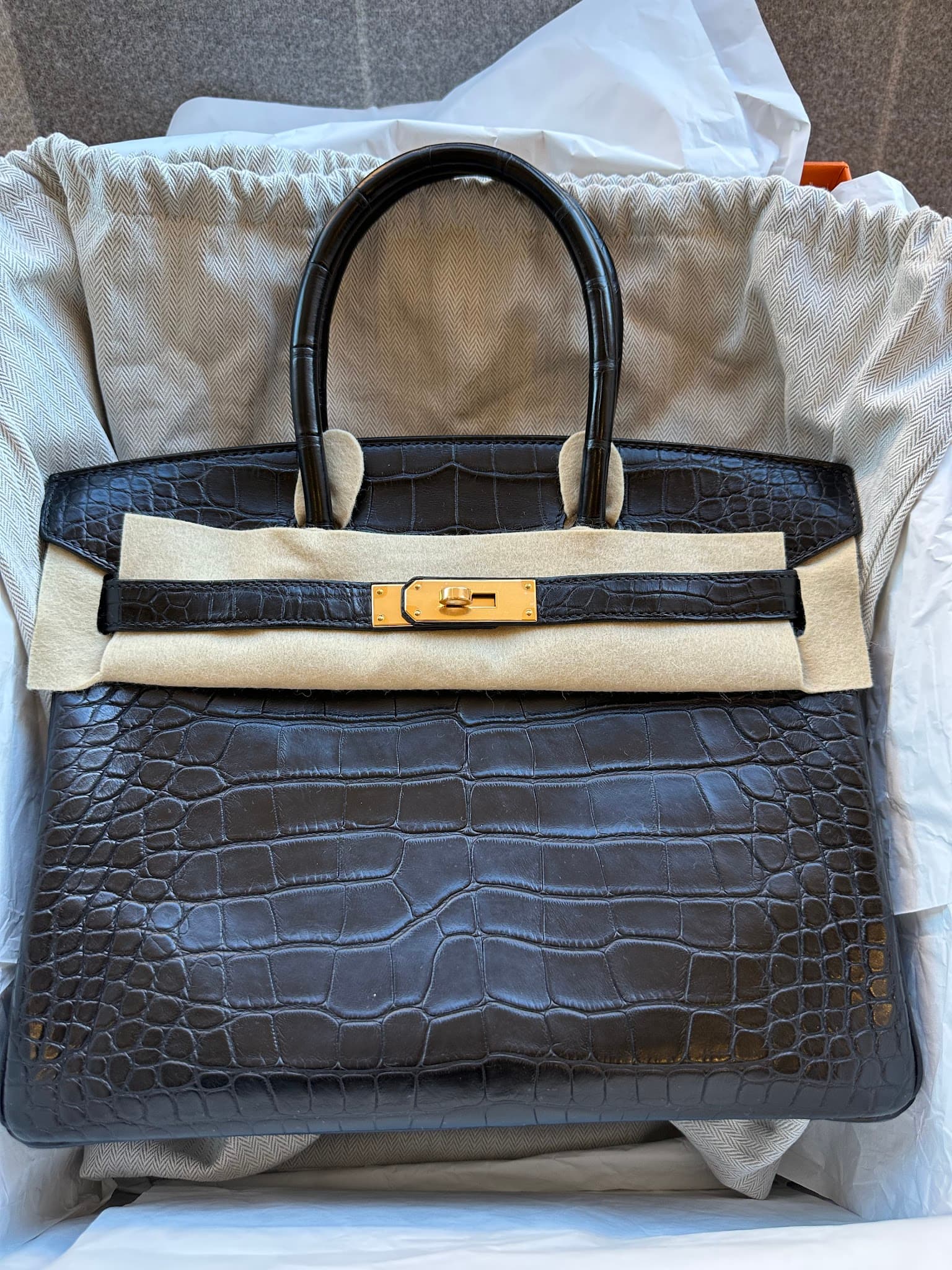
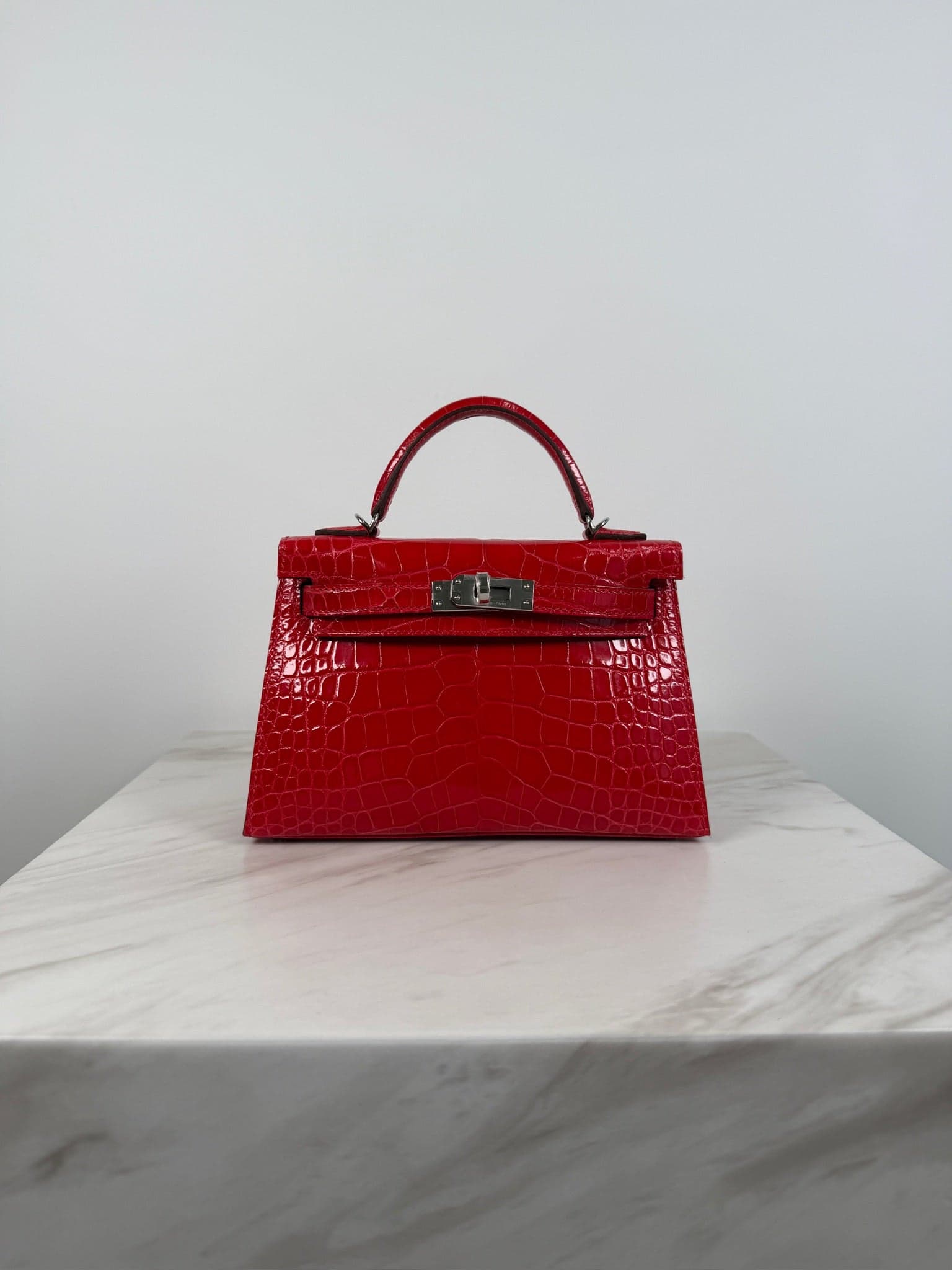
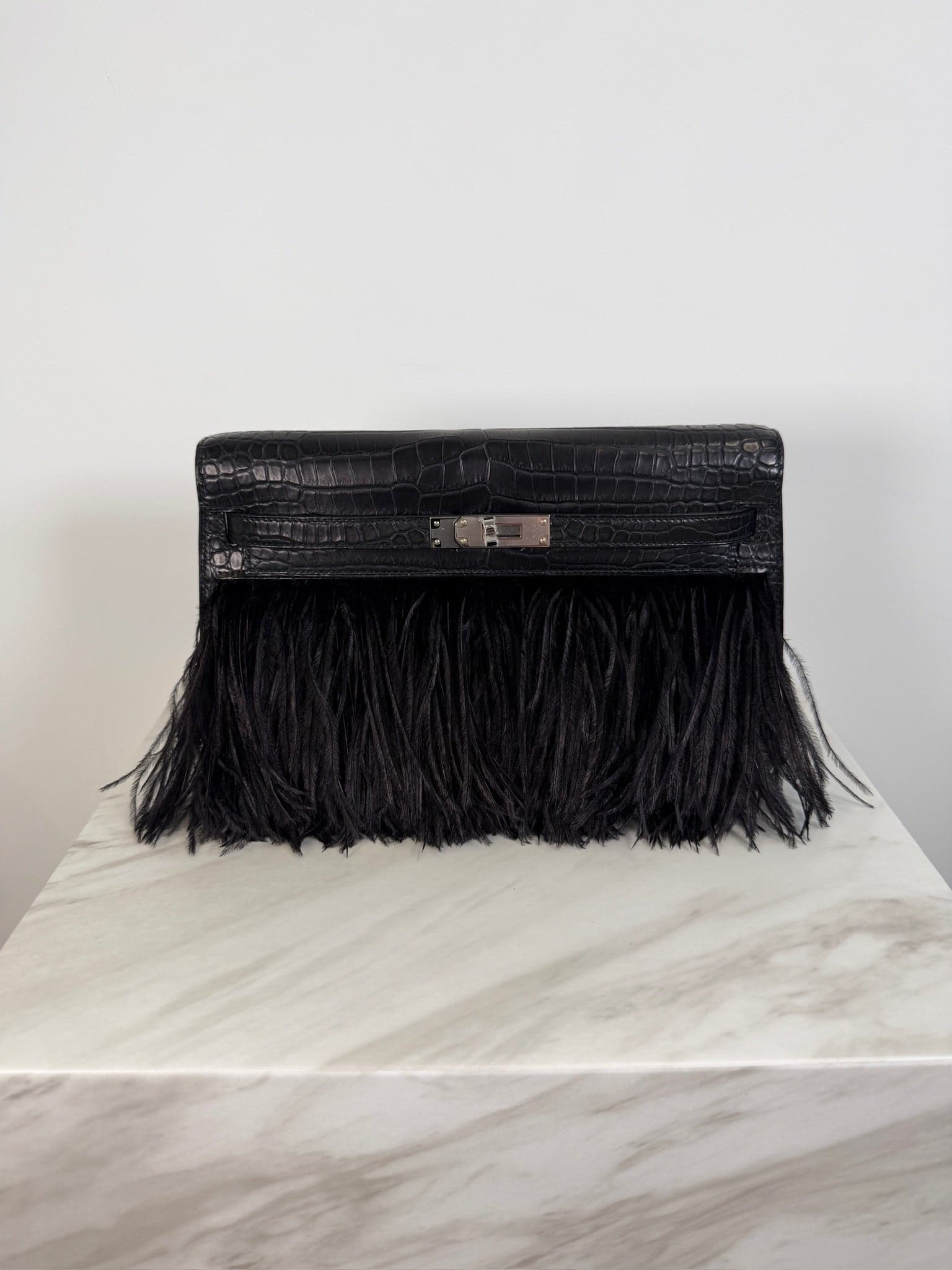
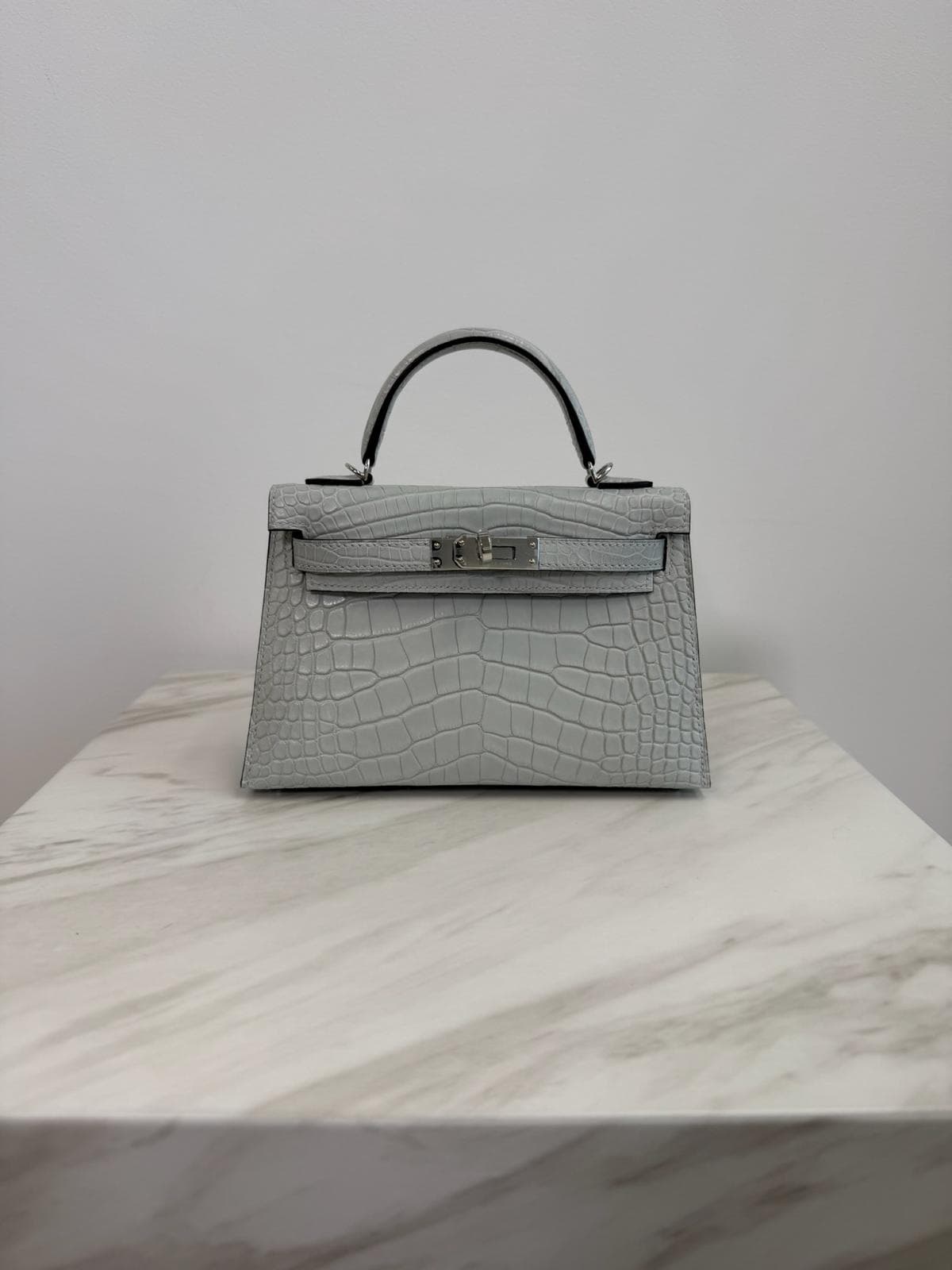
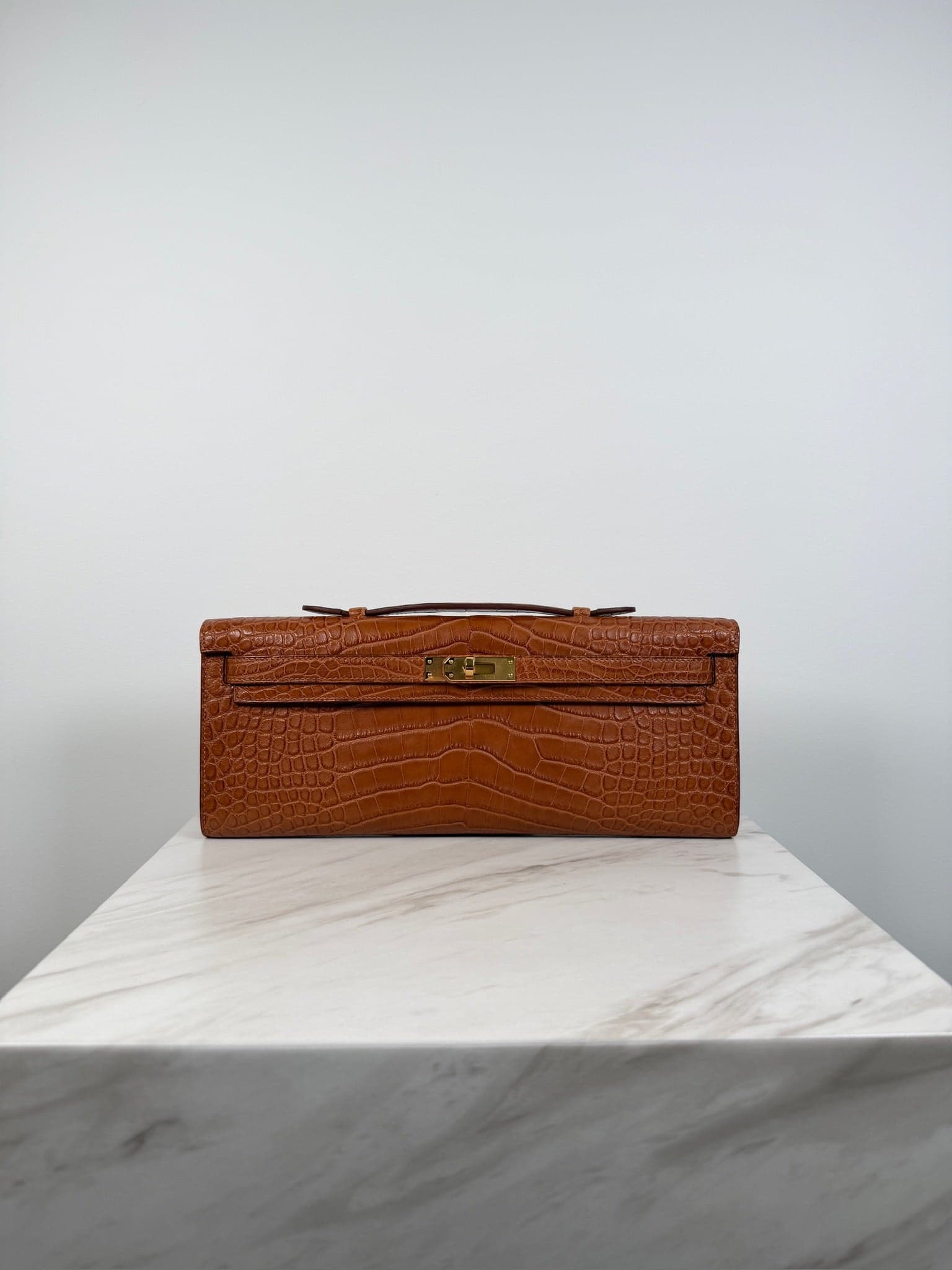
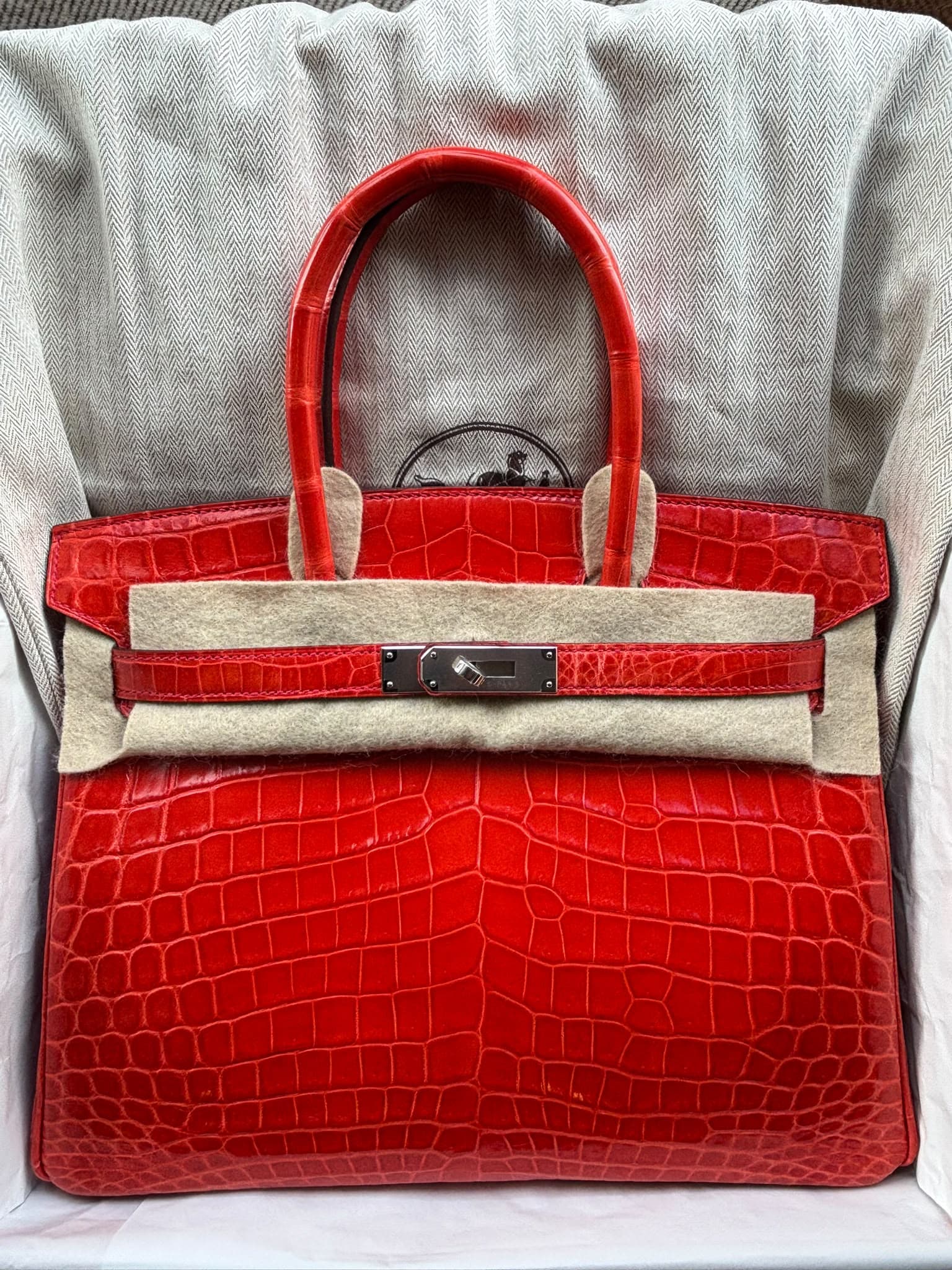
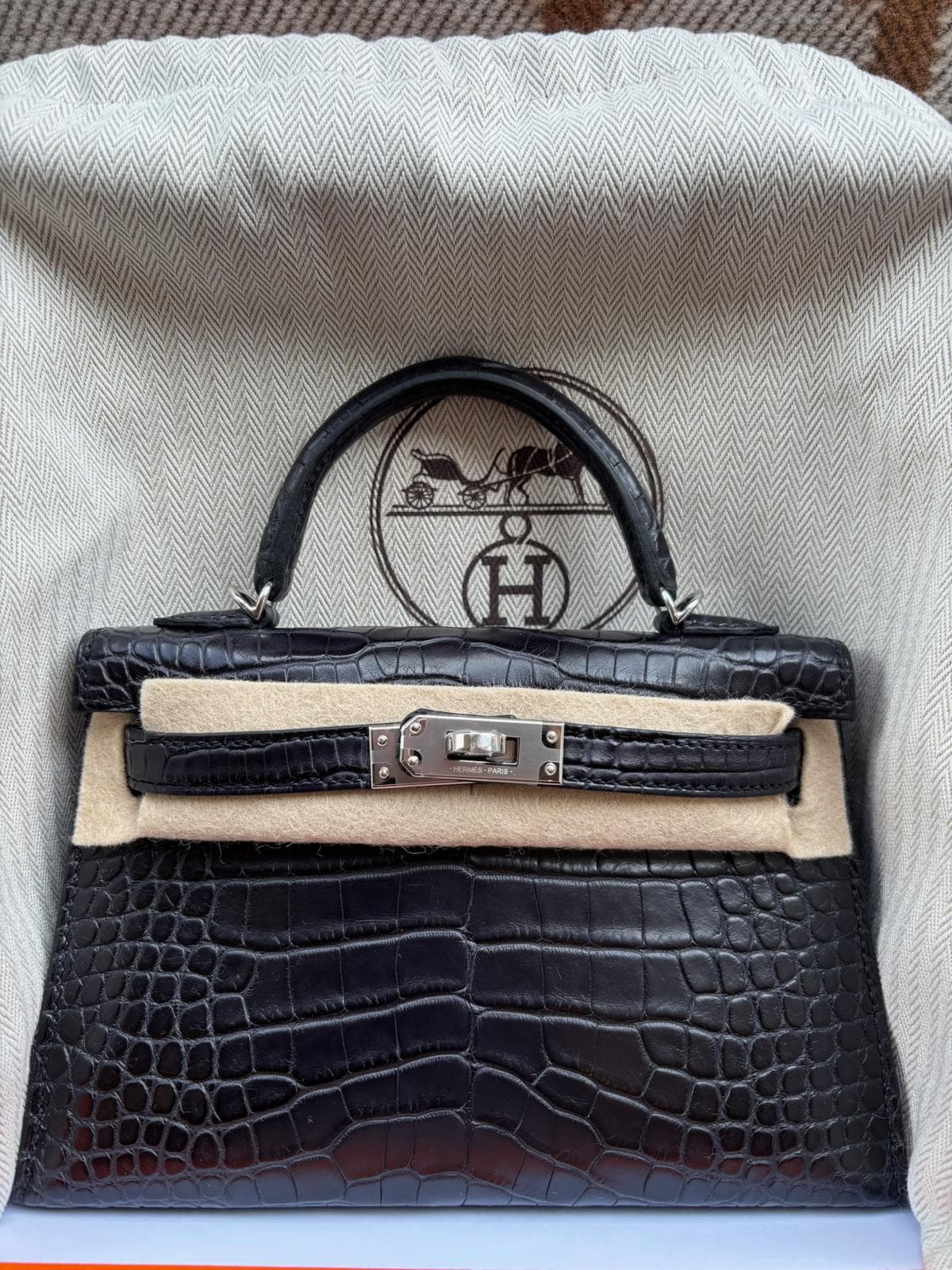
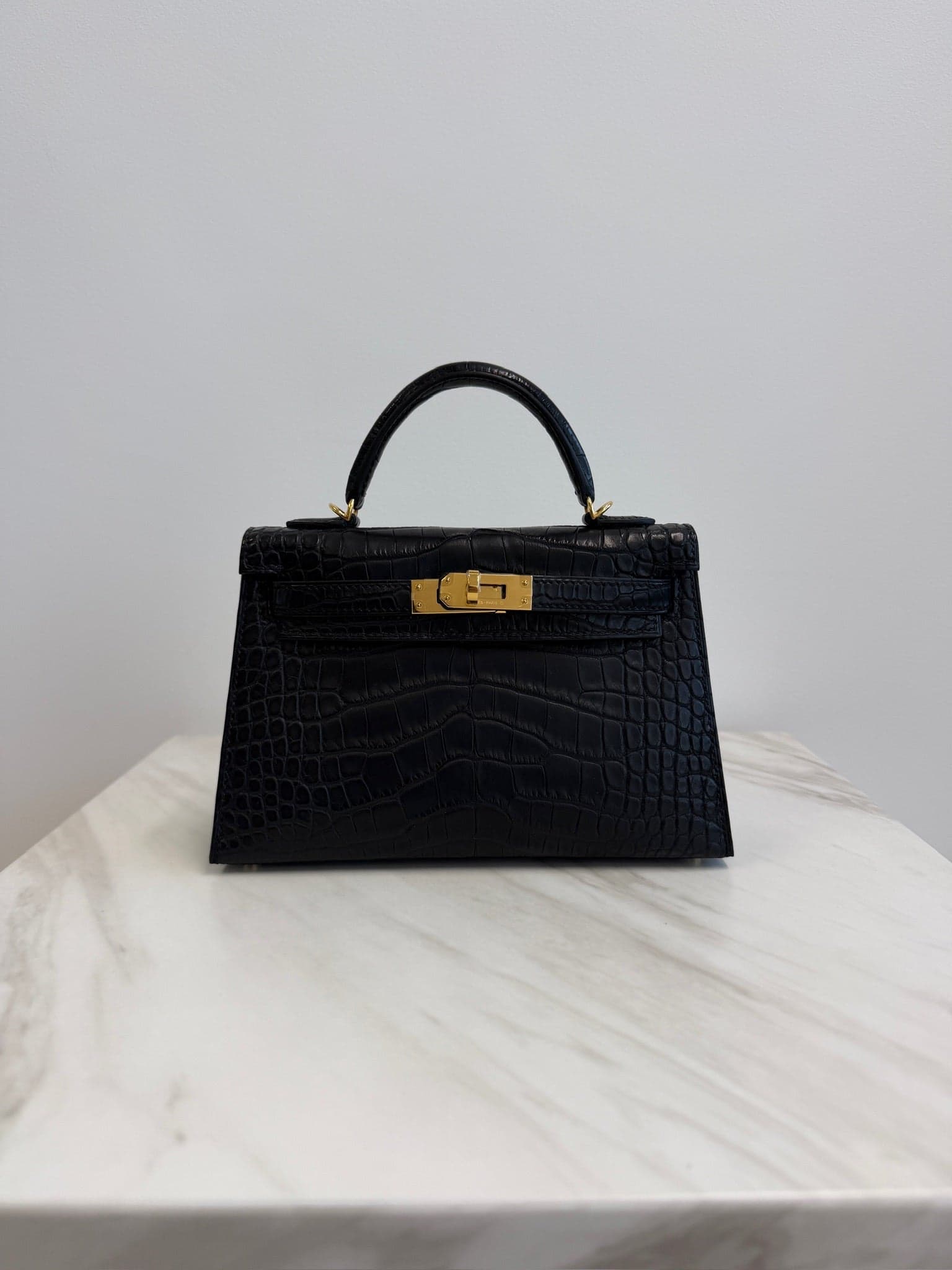
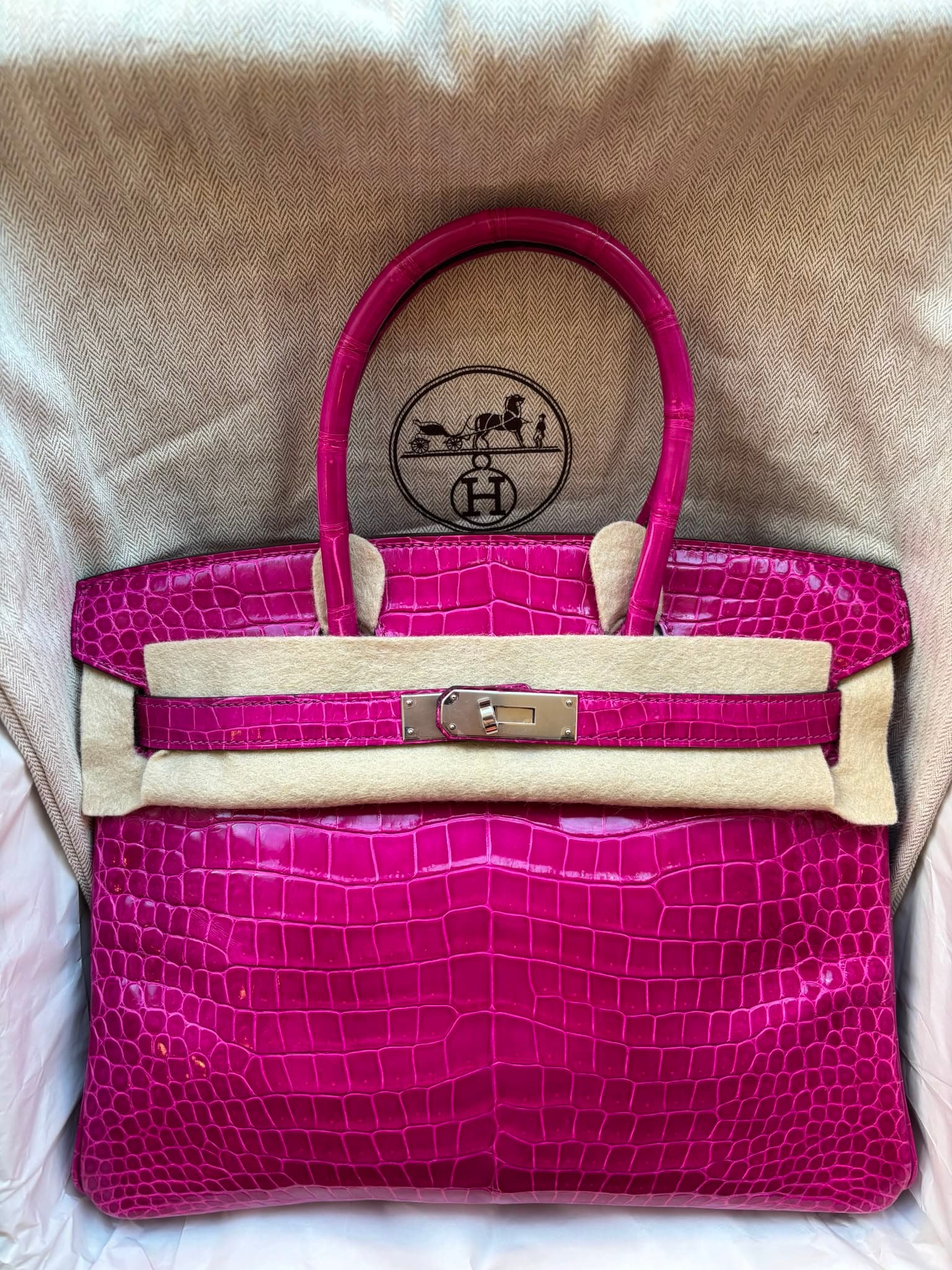
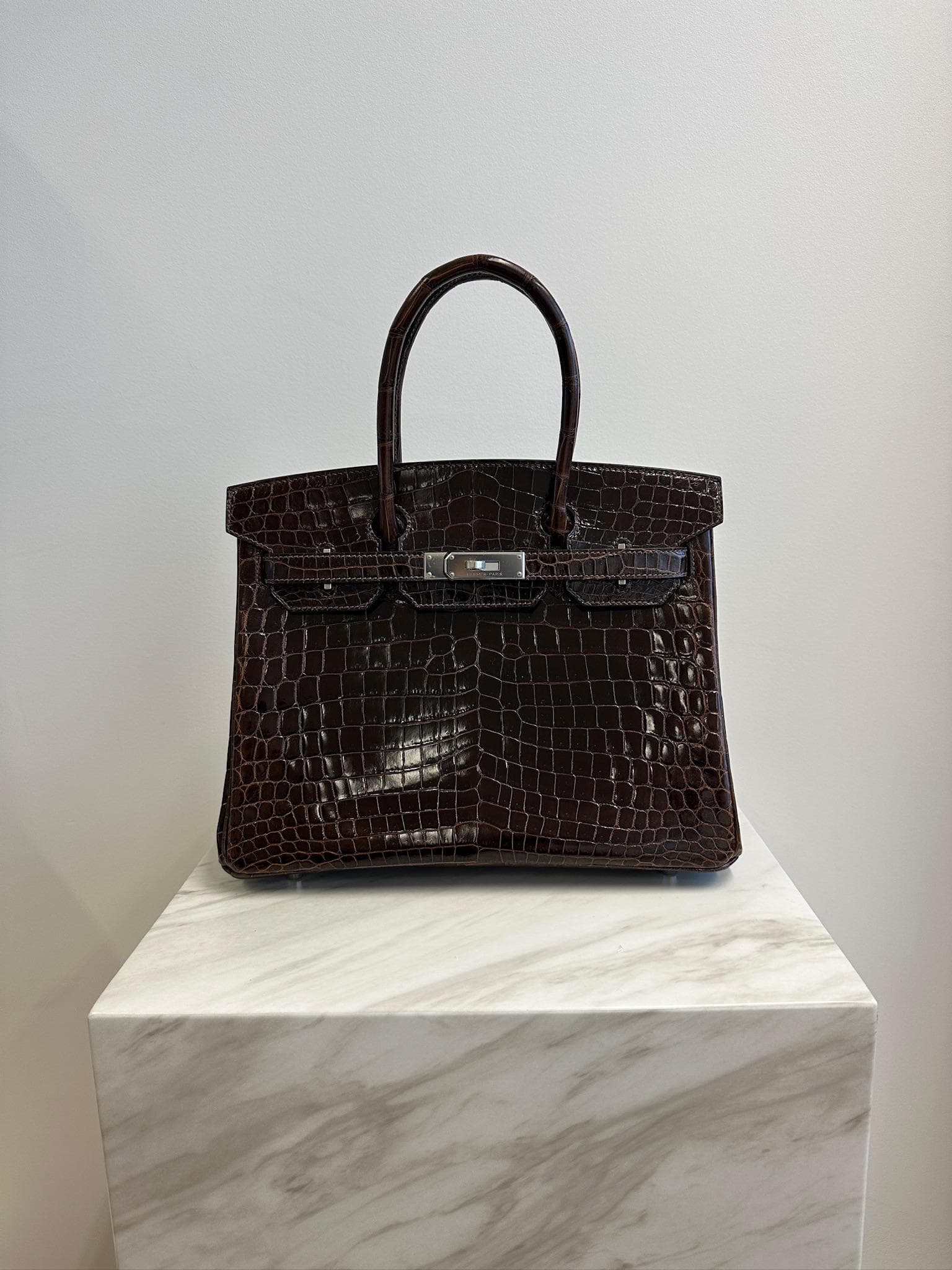
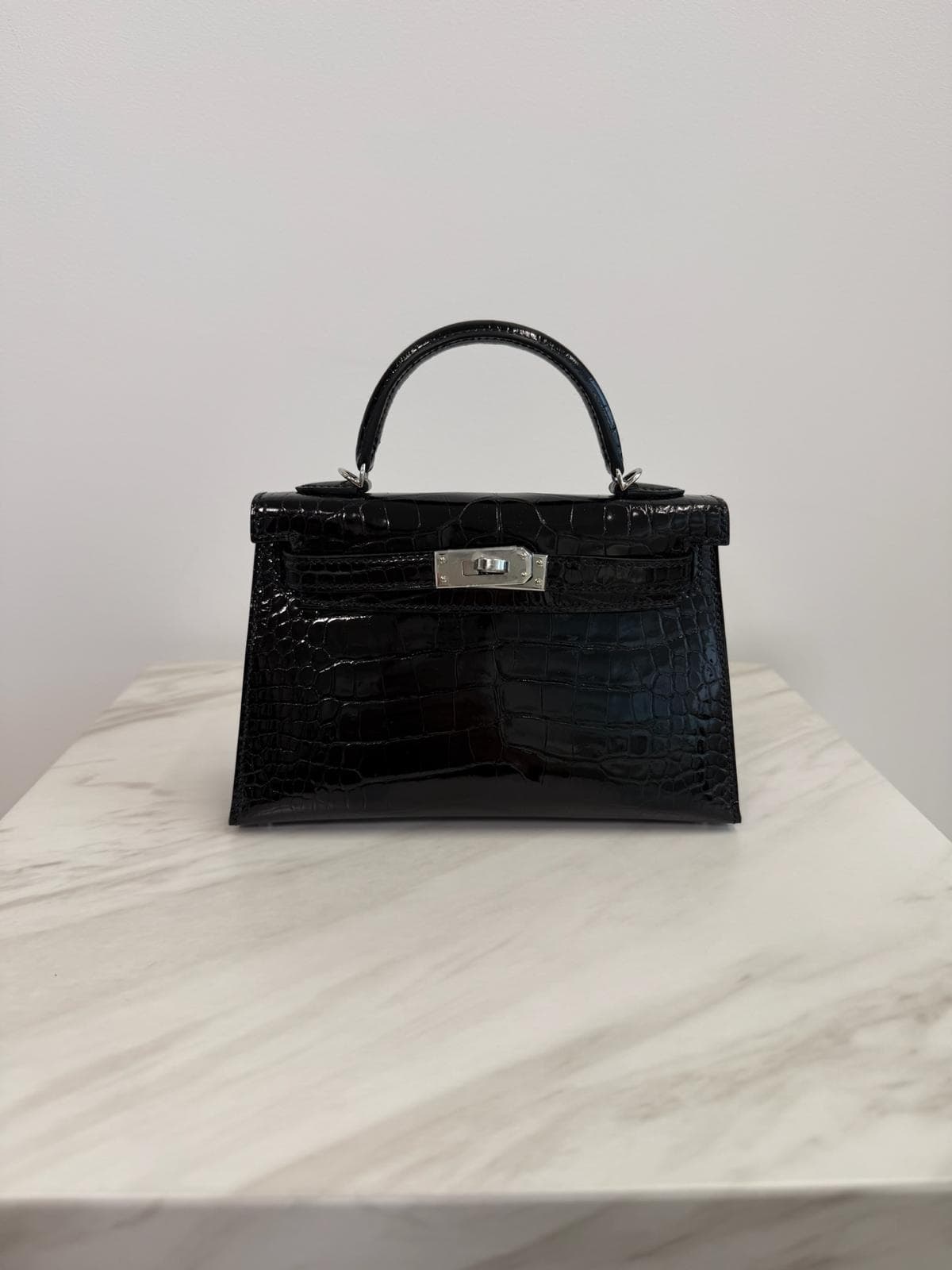
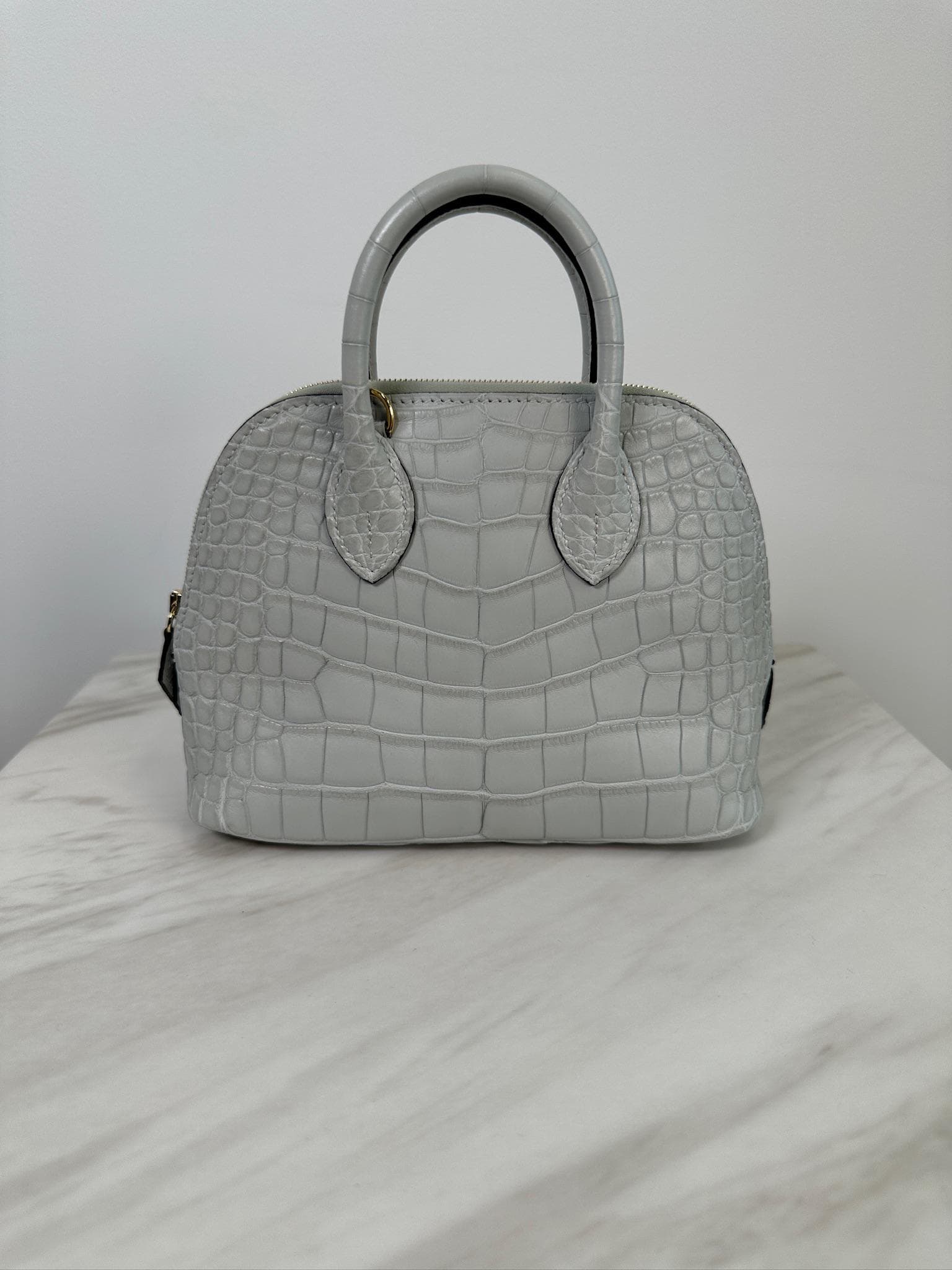
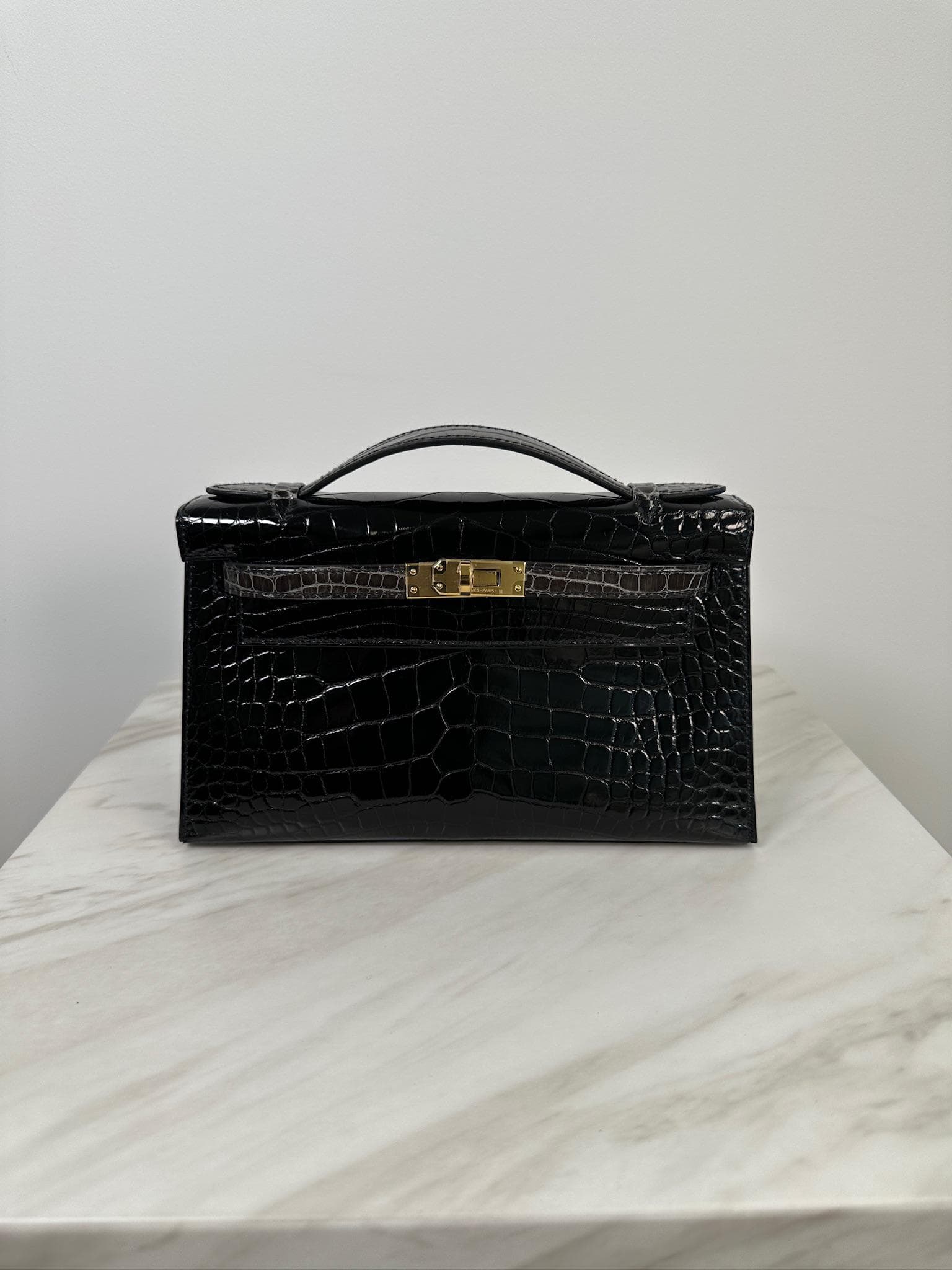
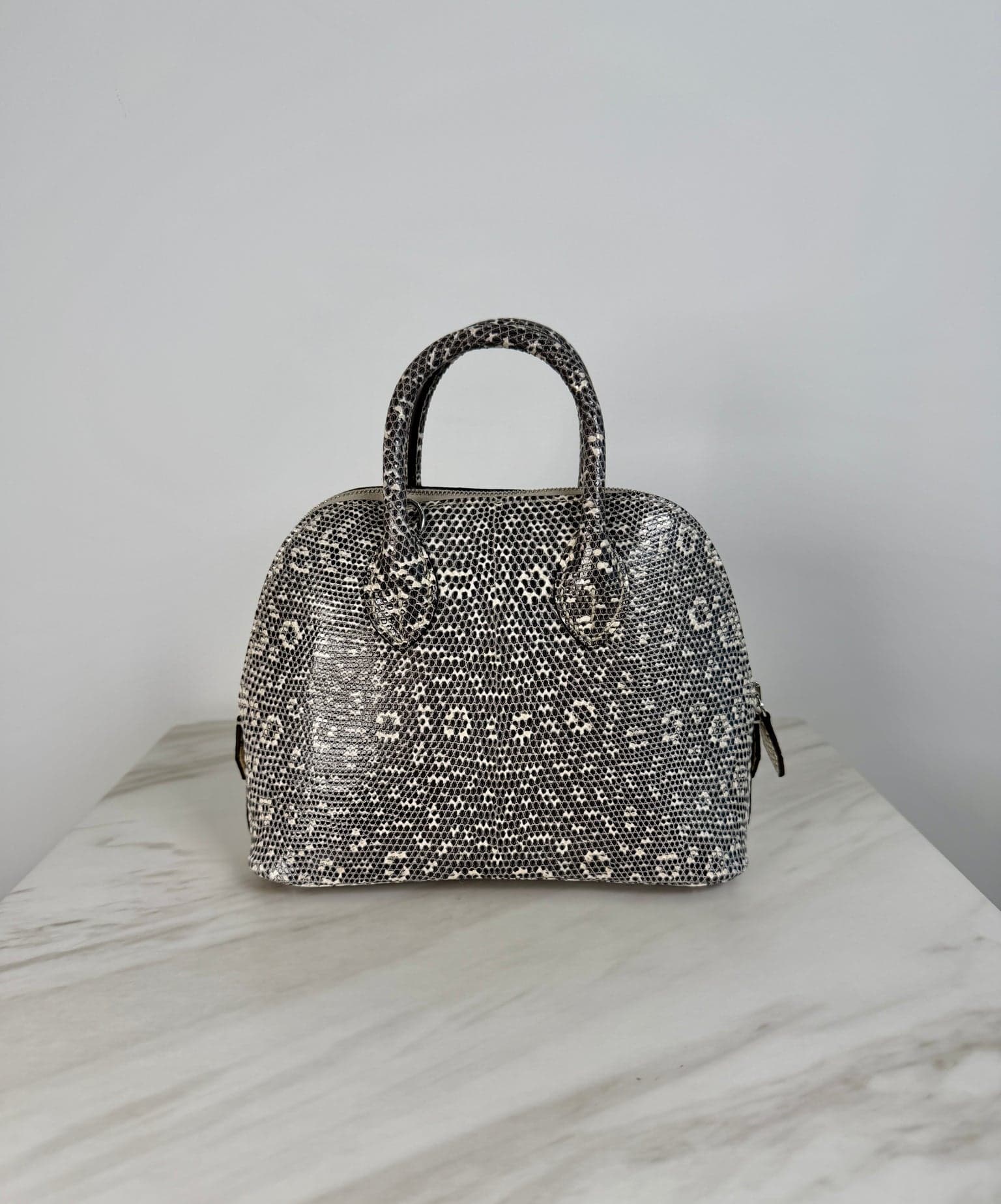
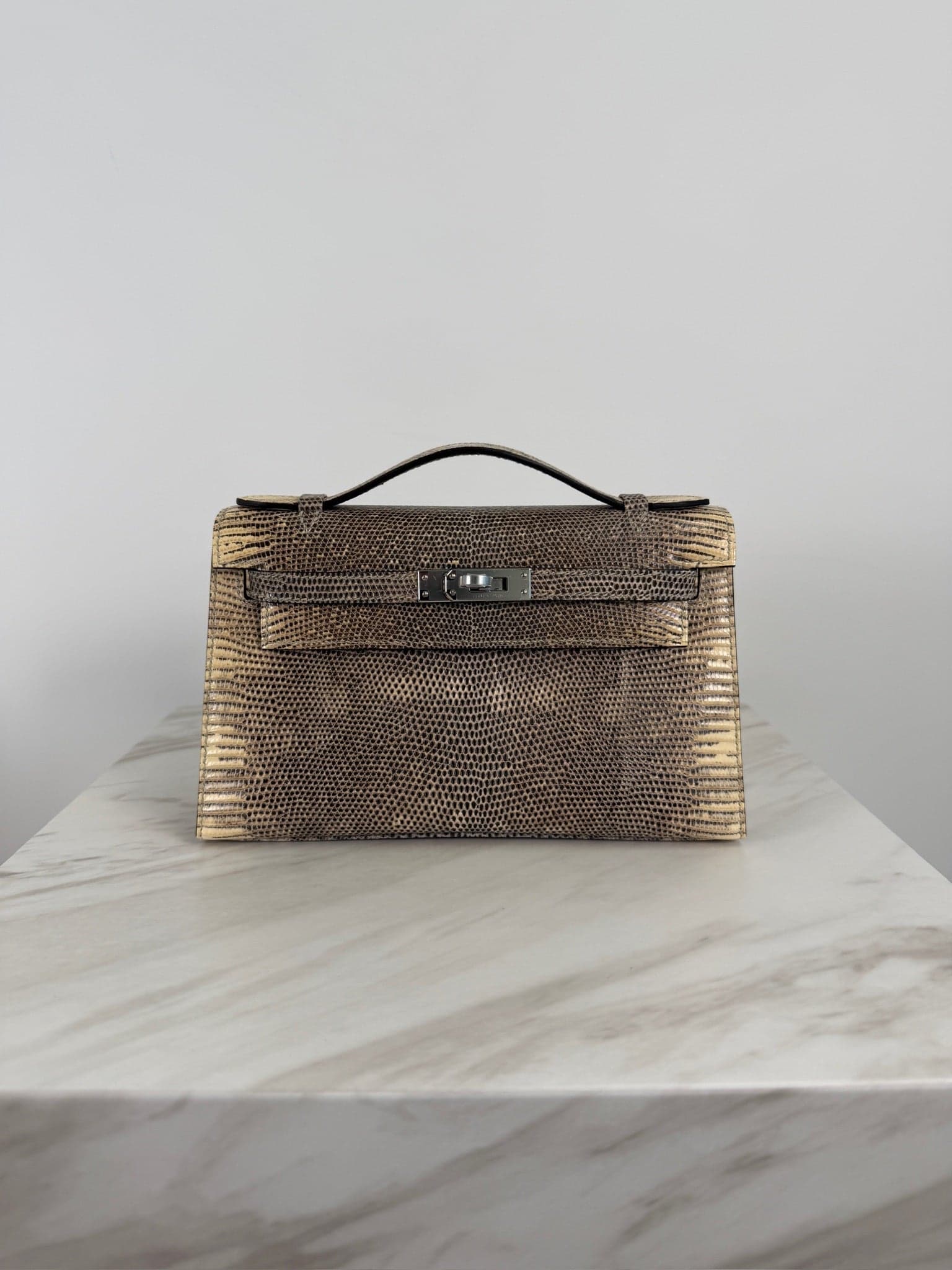
Exotics are the summit of Hermès craft: Niloticus and Porosus crocodile, Mississippiensis alligator in shiny and matte finishes, Varanus lizard, and ostrich. Each skin is selected, tanned and matched to a single bag, which is why no two exotic pieces are ever quite alike — and why supply is measured in single pieces, not collections. JULL maintains one of the deeper authenticated exotic selections in London, every piece inspected scale by scale in our workroom, with CITES documentation handled properly. View the collection below, or arrange a private appointment in London.
46 pieces available
 Exotic
 Exotic
 Exotic
 Exotic
 Exotic
 Exotic
 Exotic
 Exotic
 New
New Exotic
 Exotic
 Exotic
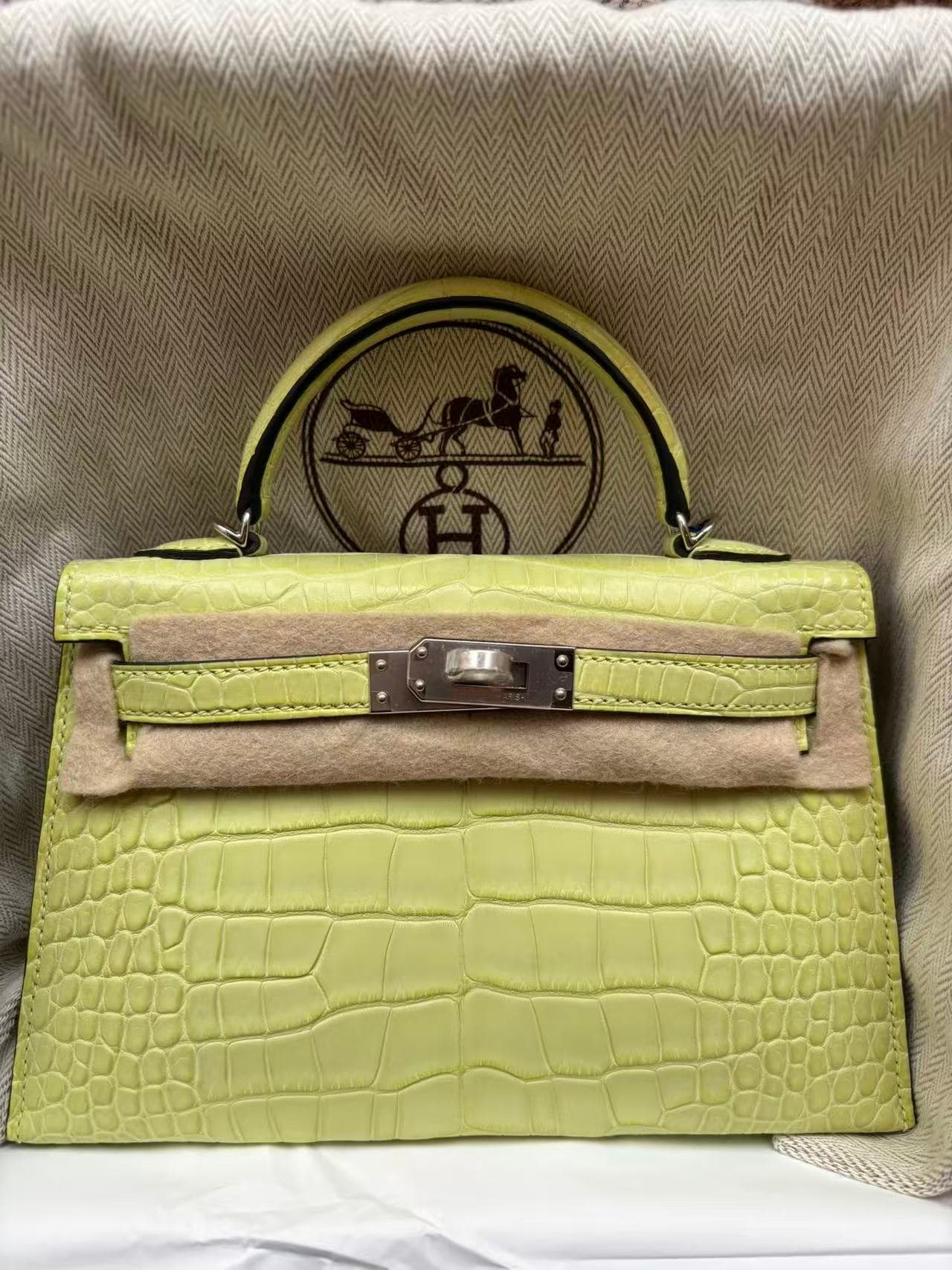 Exotic
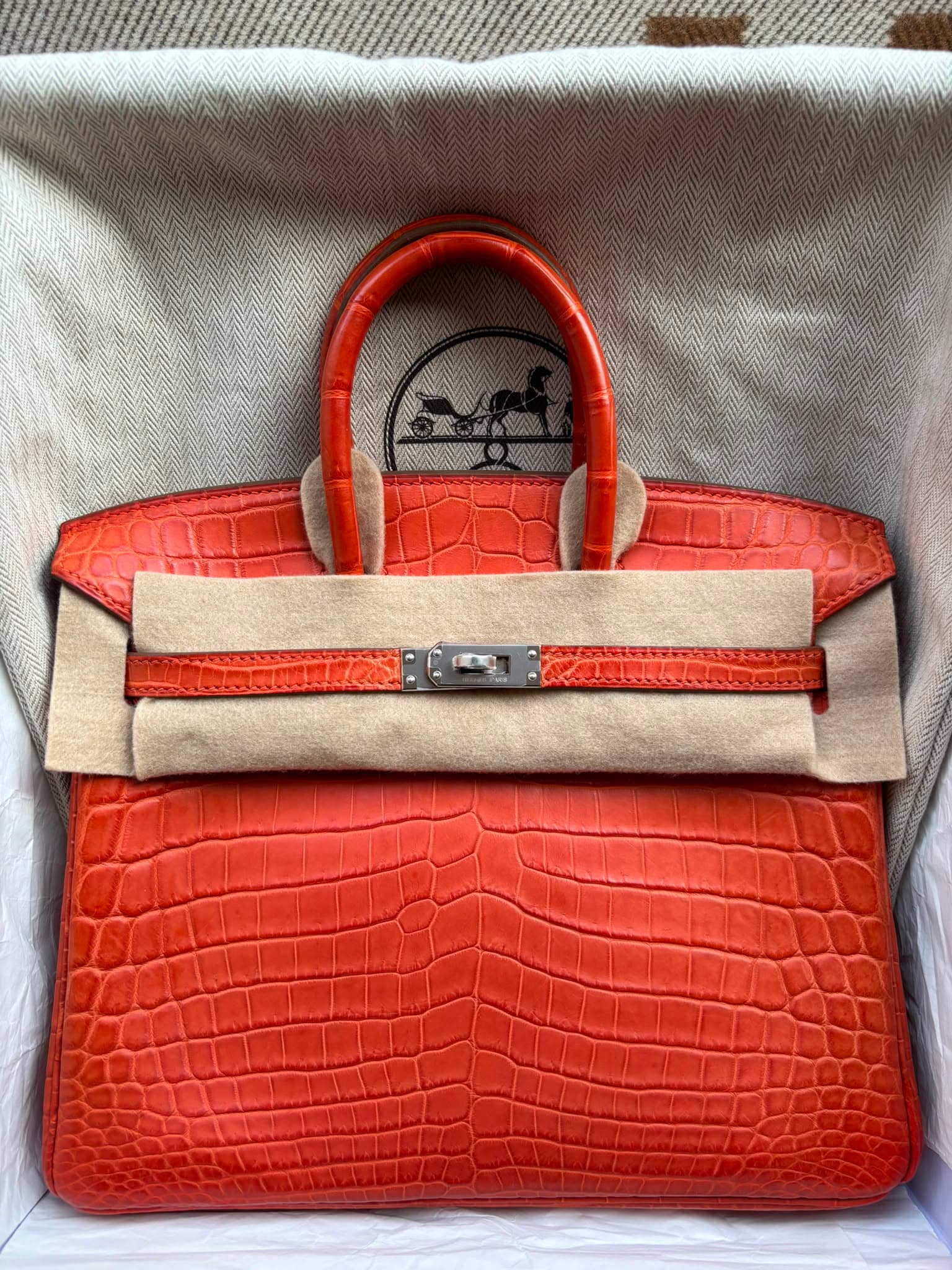 Exotic
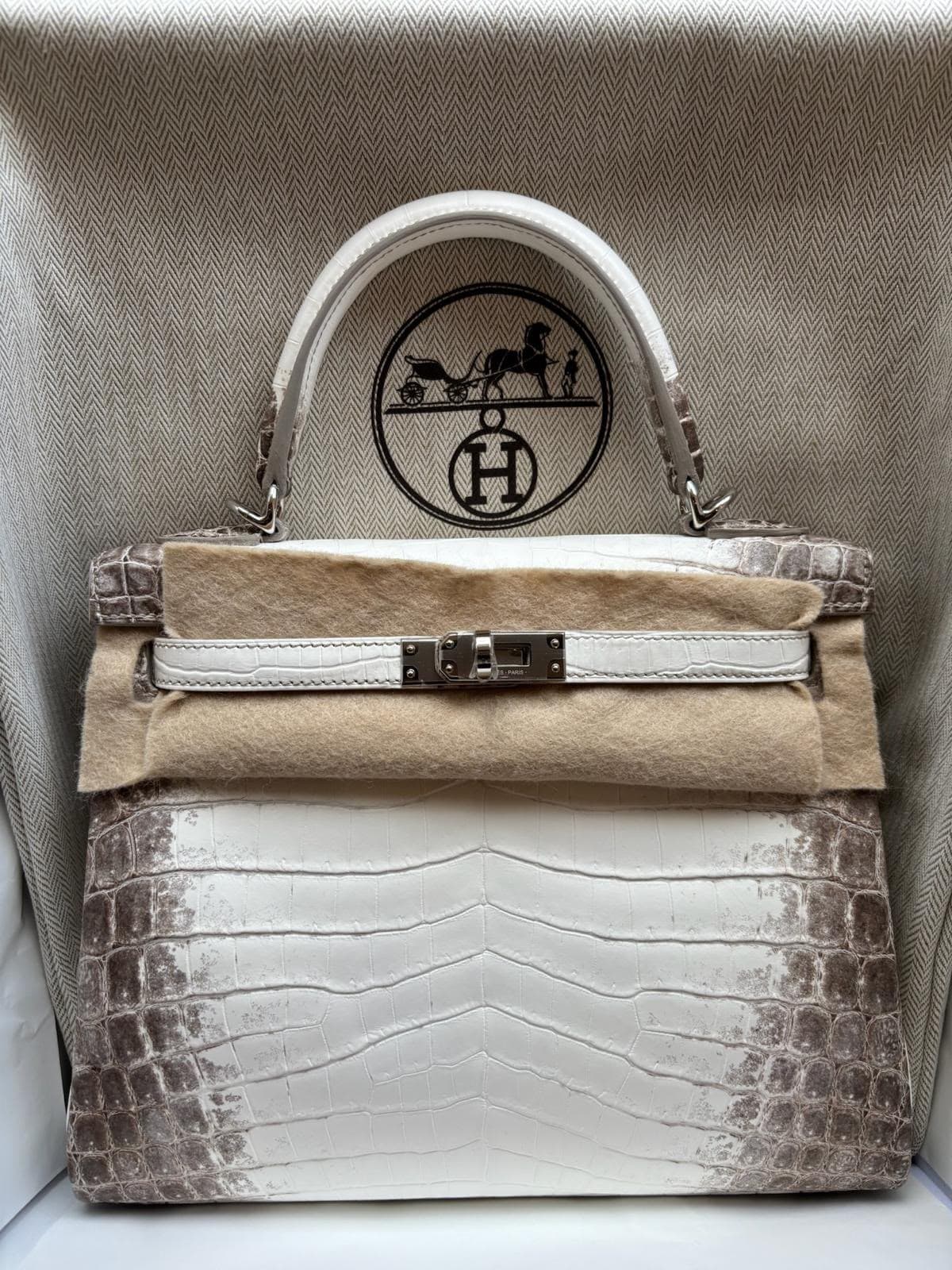 Exotic
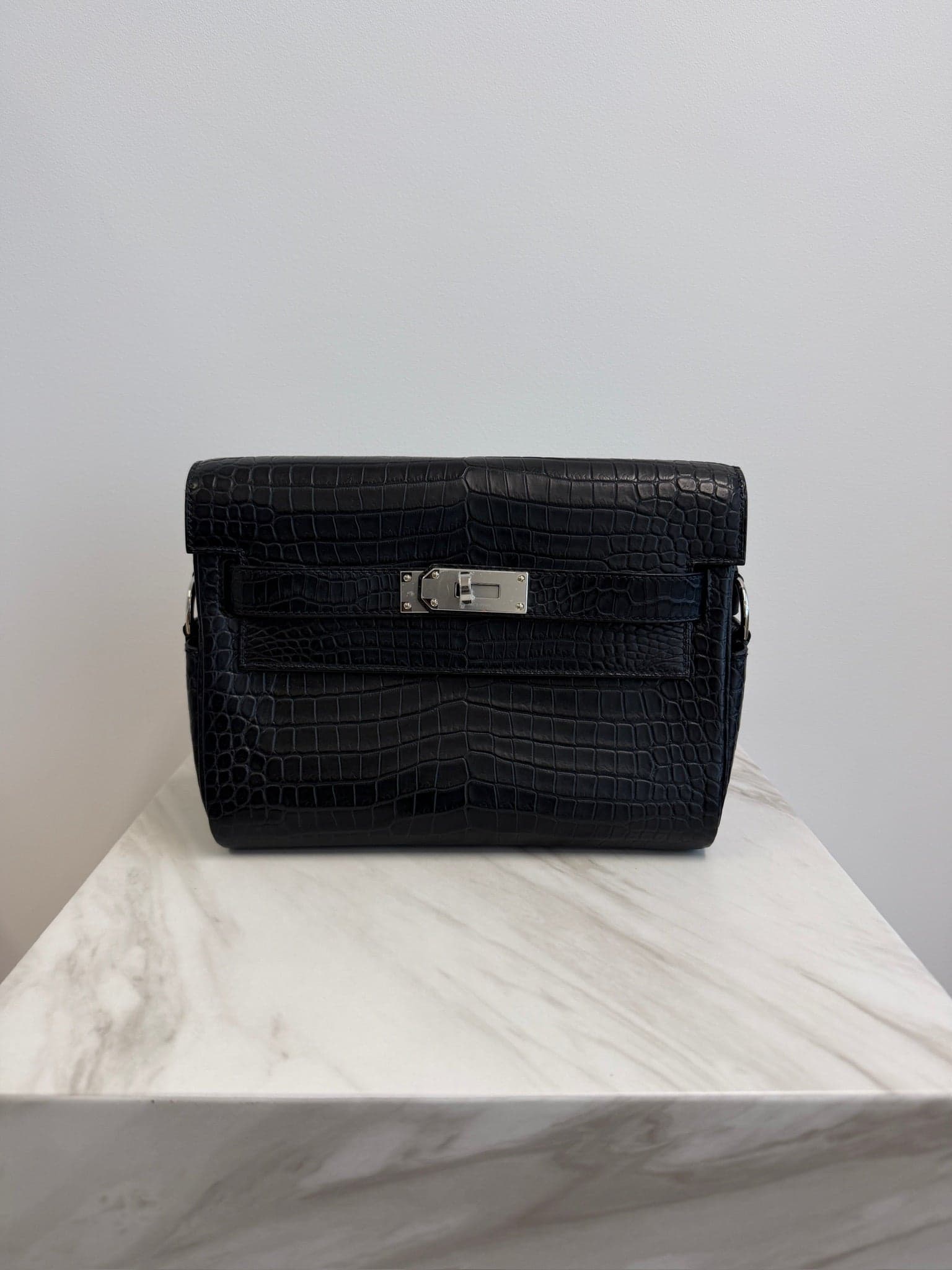 Exotic
 Exotic
 Exotic
 Exotic
 Exotic
 Exotic
 Exotic
 Exotic
 Exotic
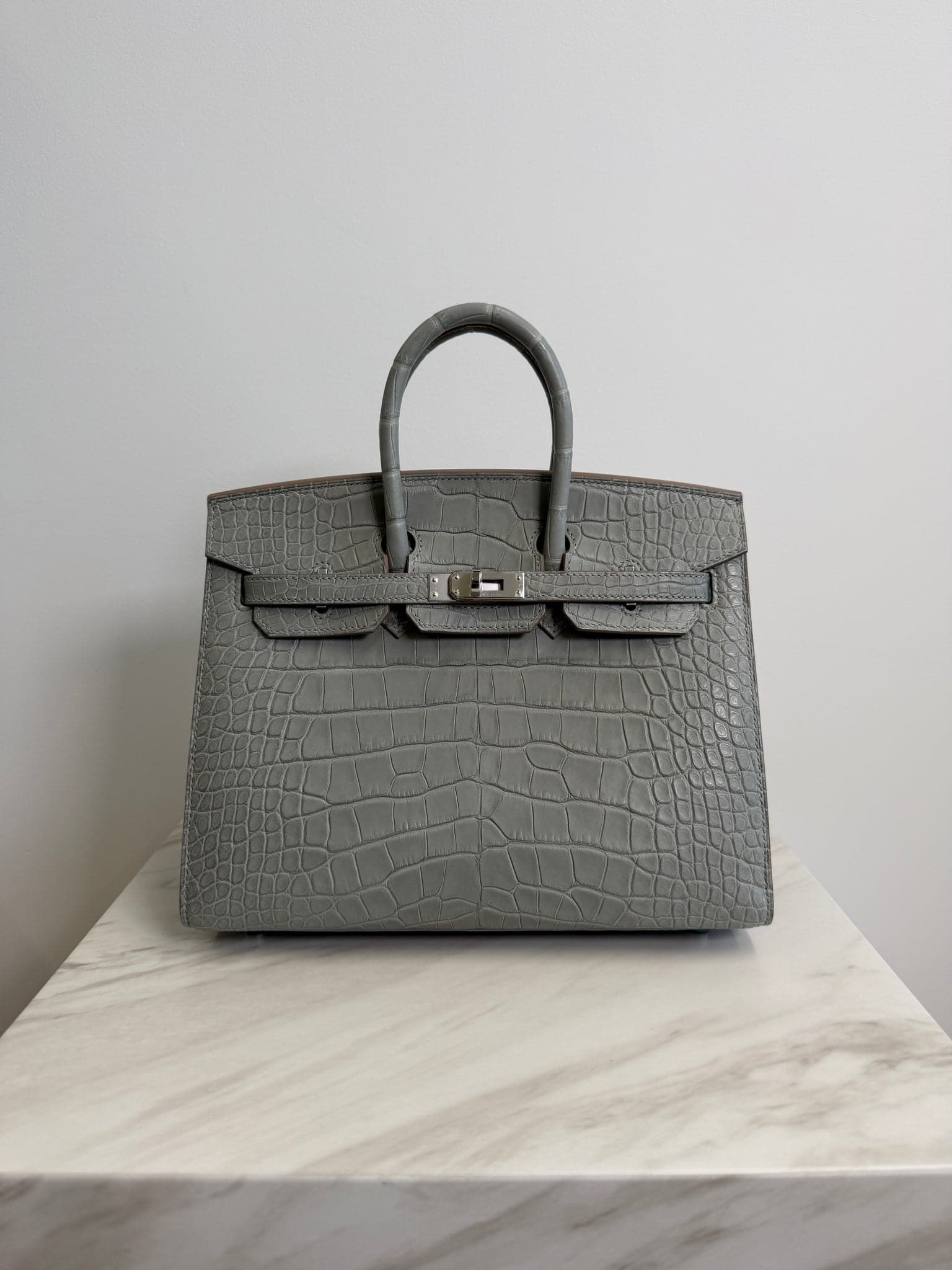 Exotic
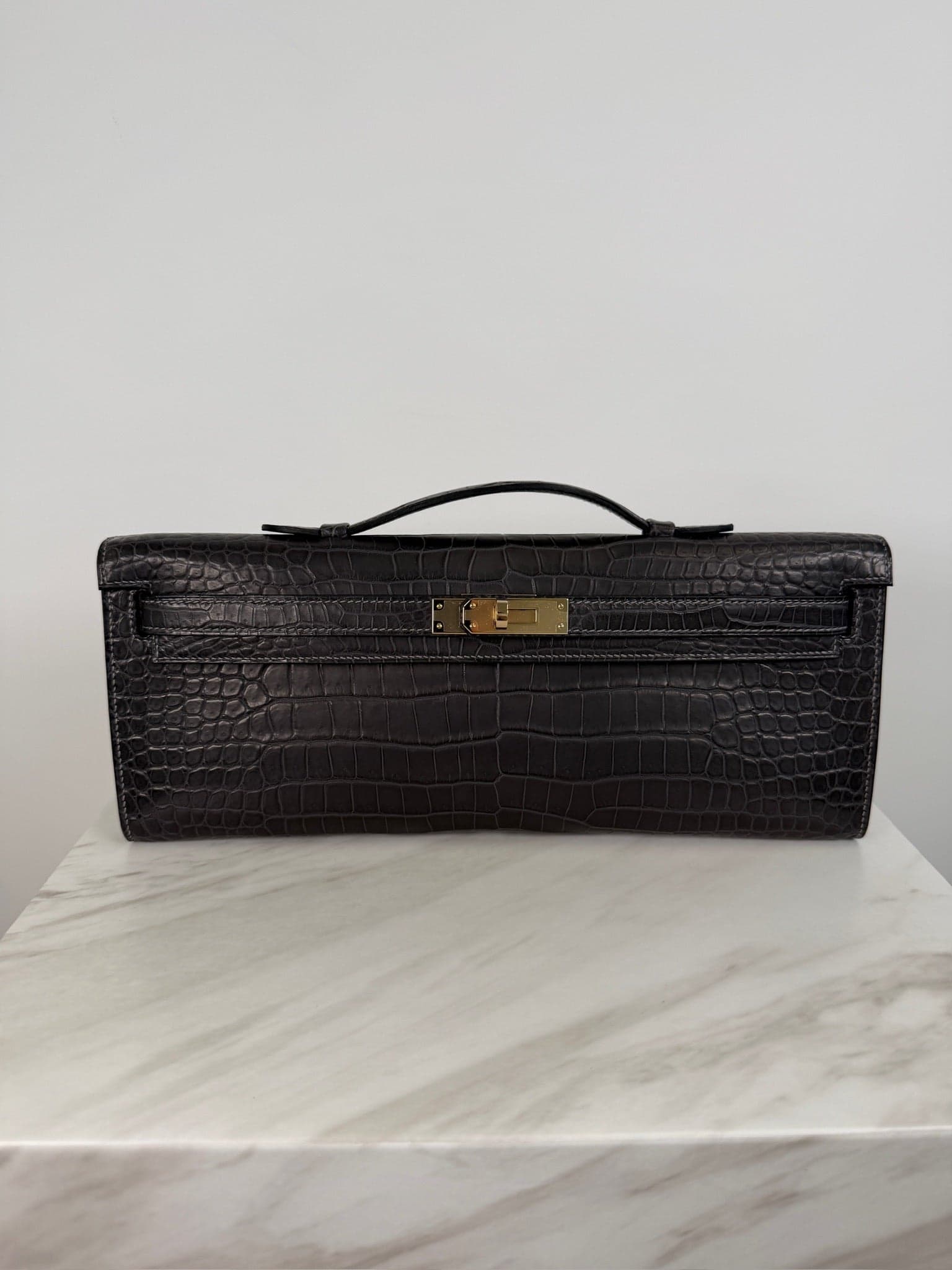 Exotic
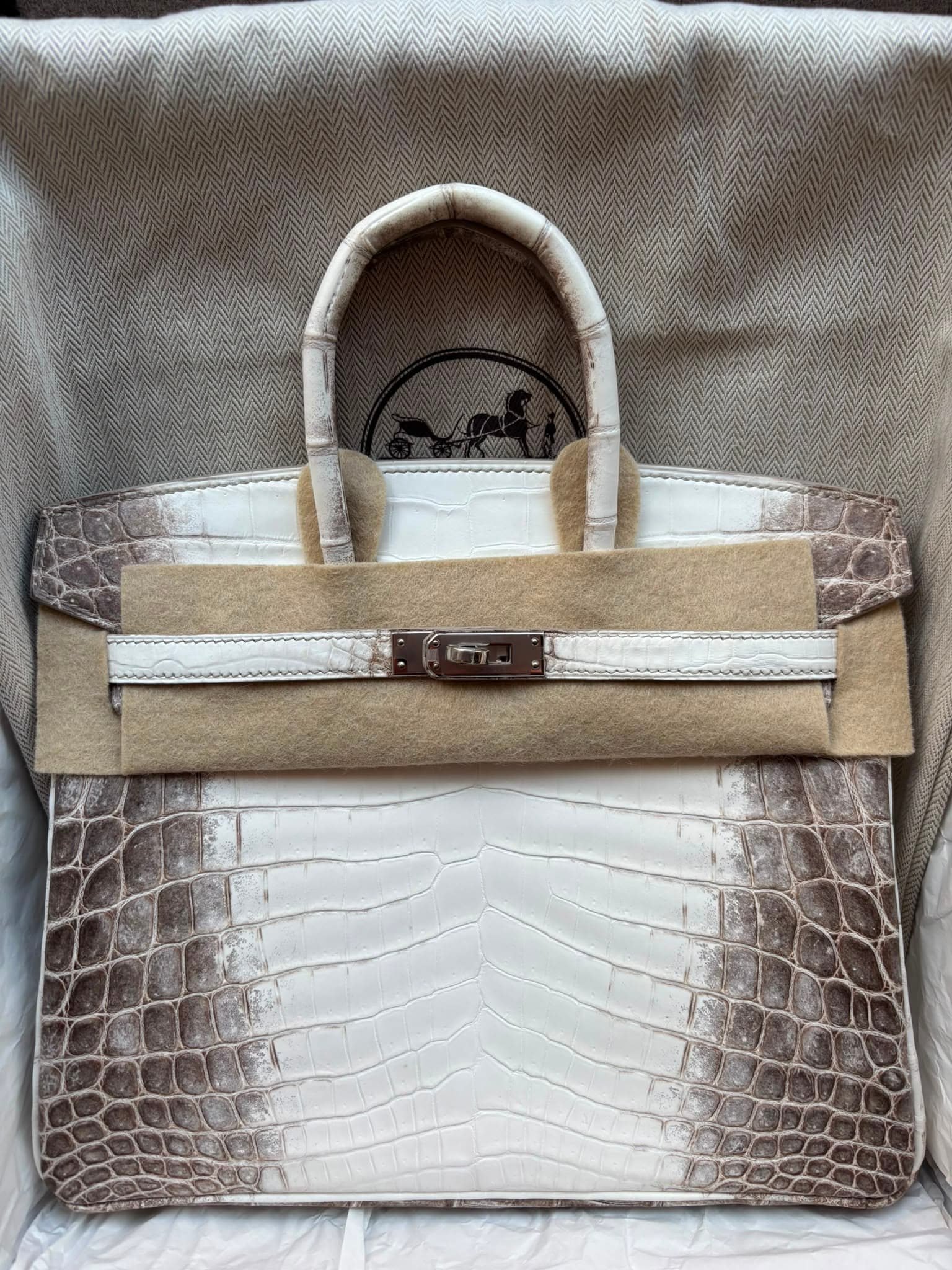 Reserved
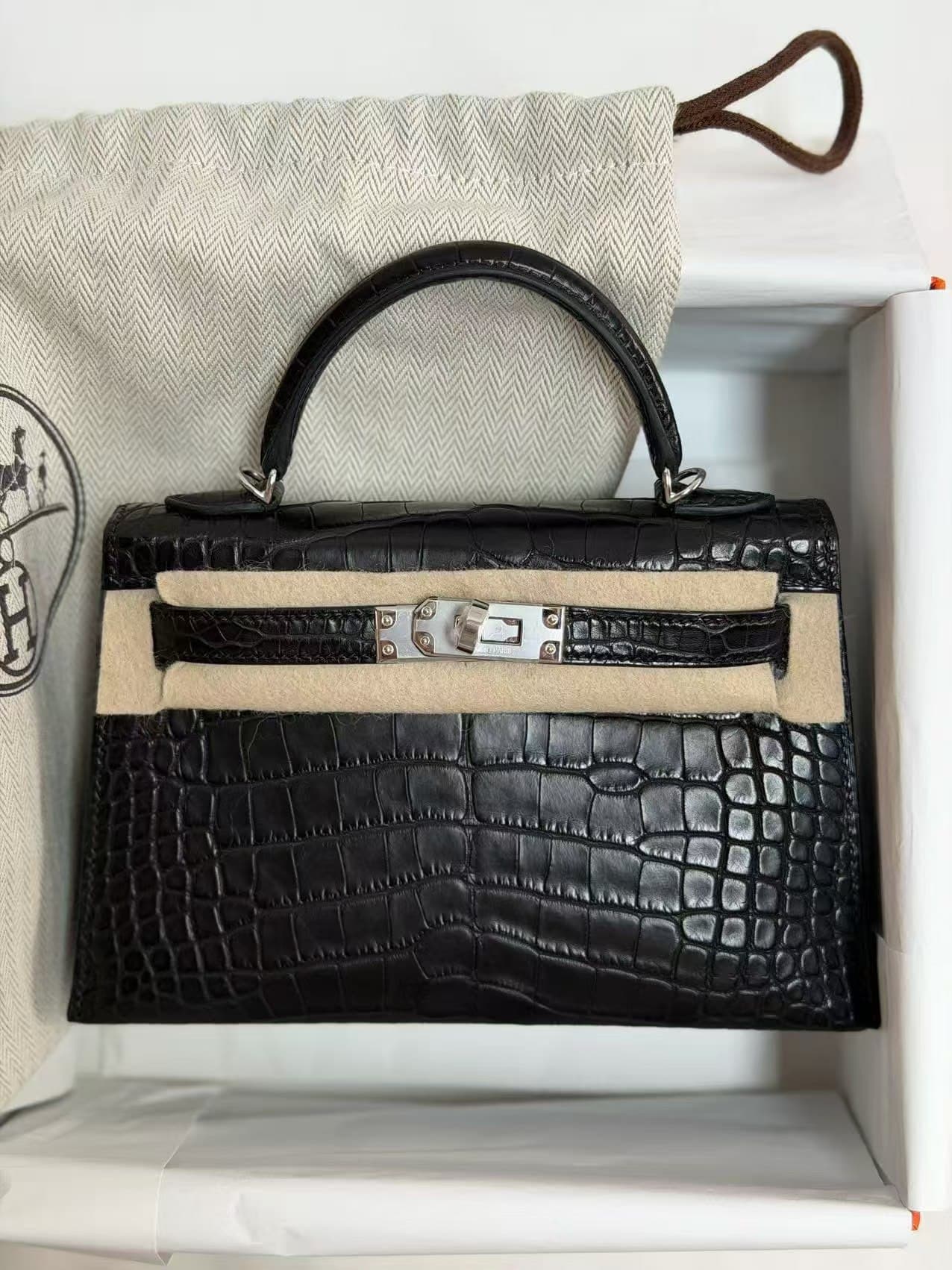 Exotic
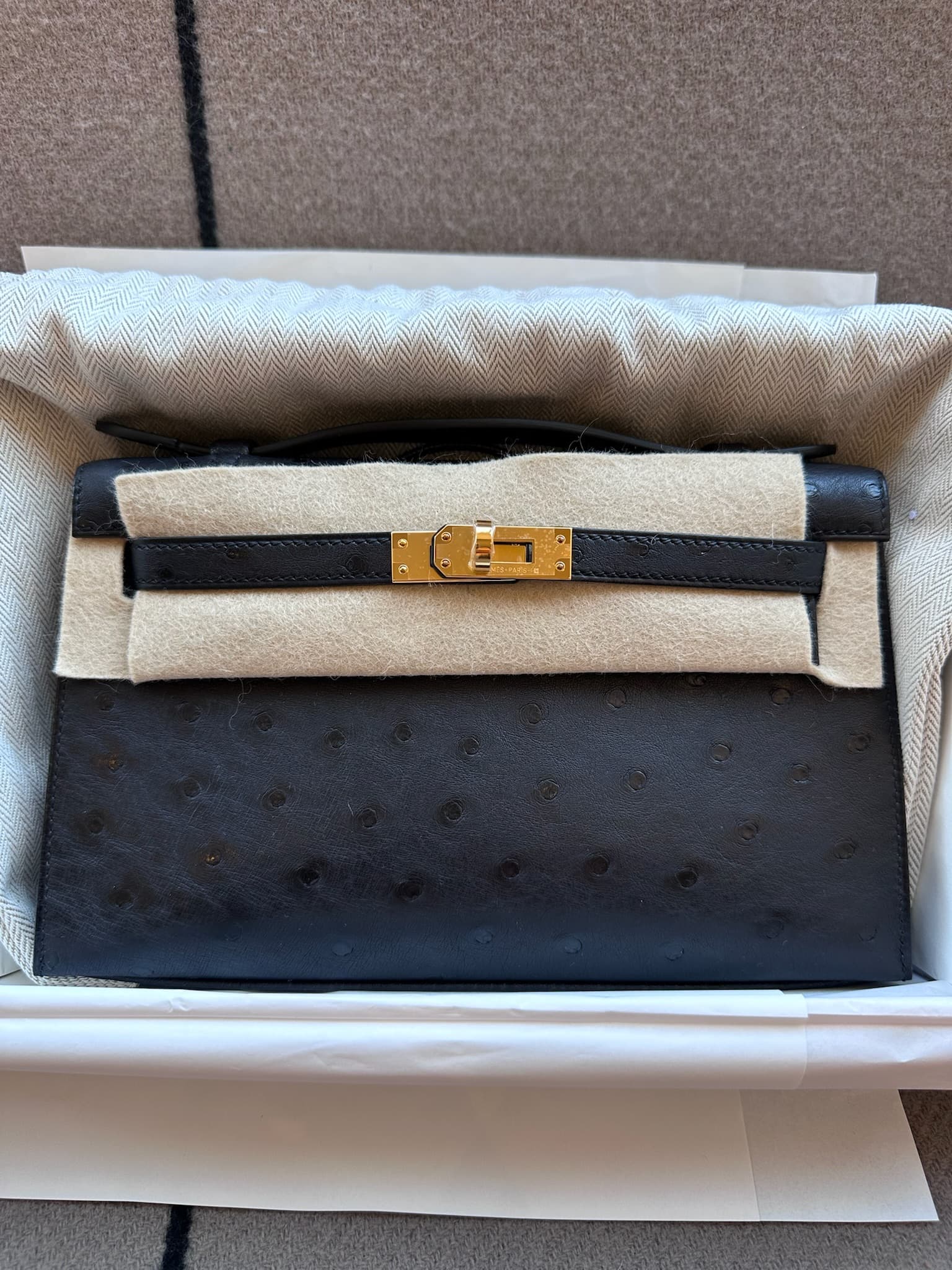 Exotic
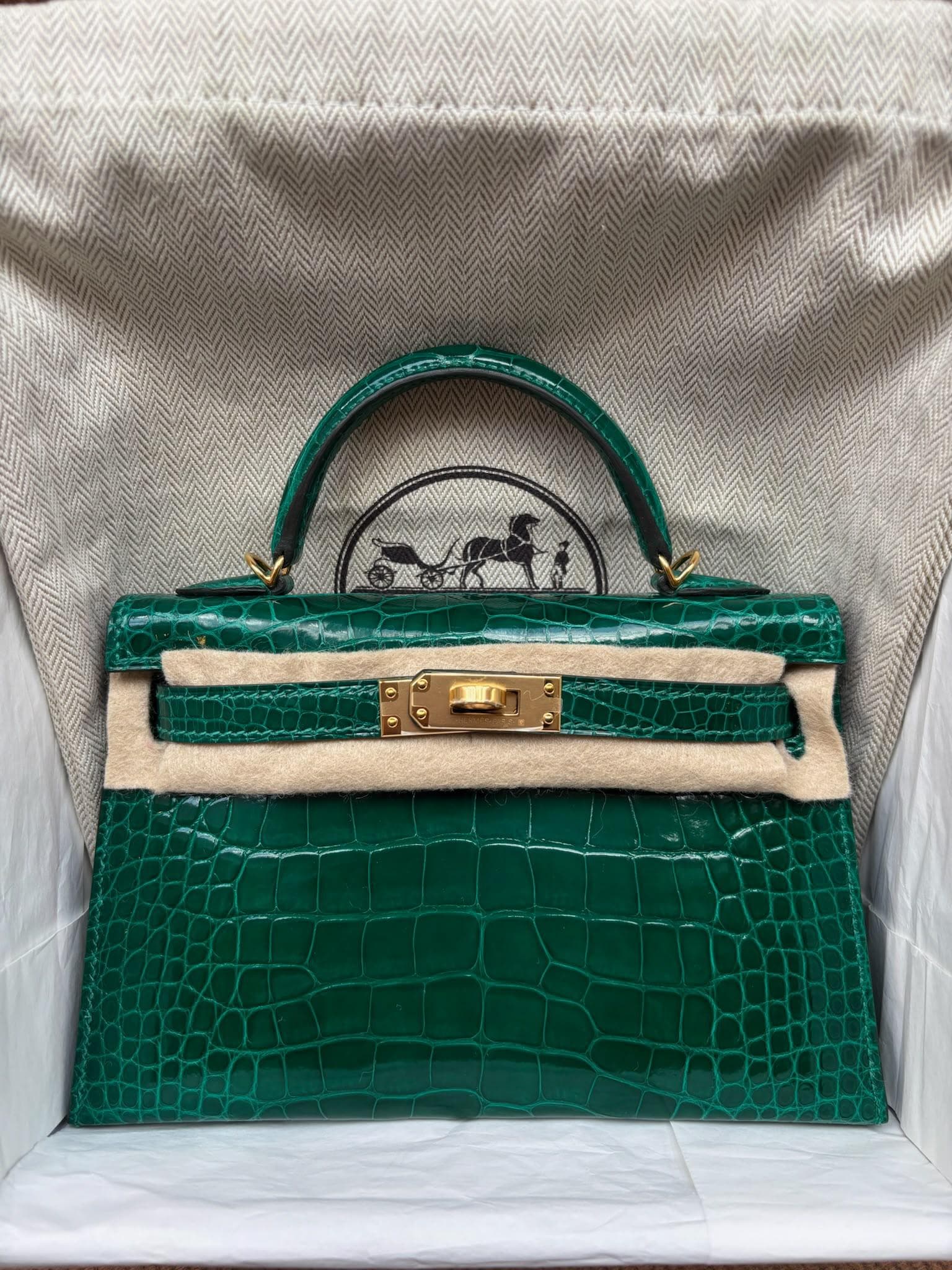 New
New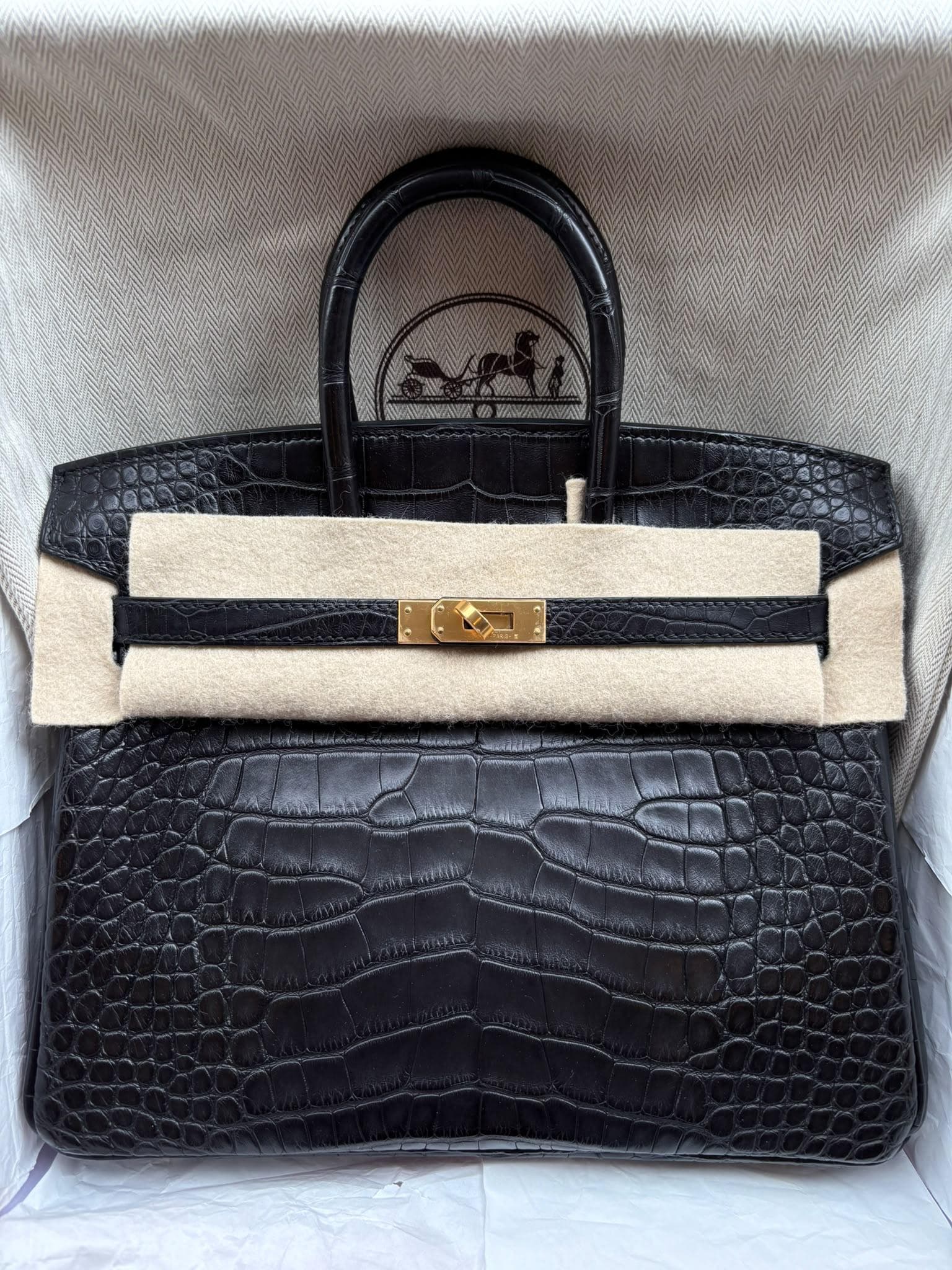 Exotic
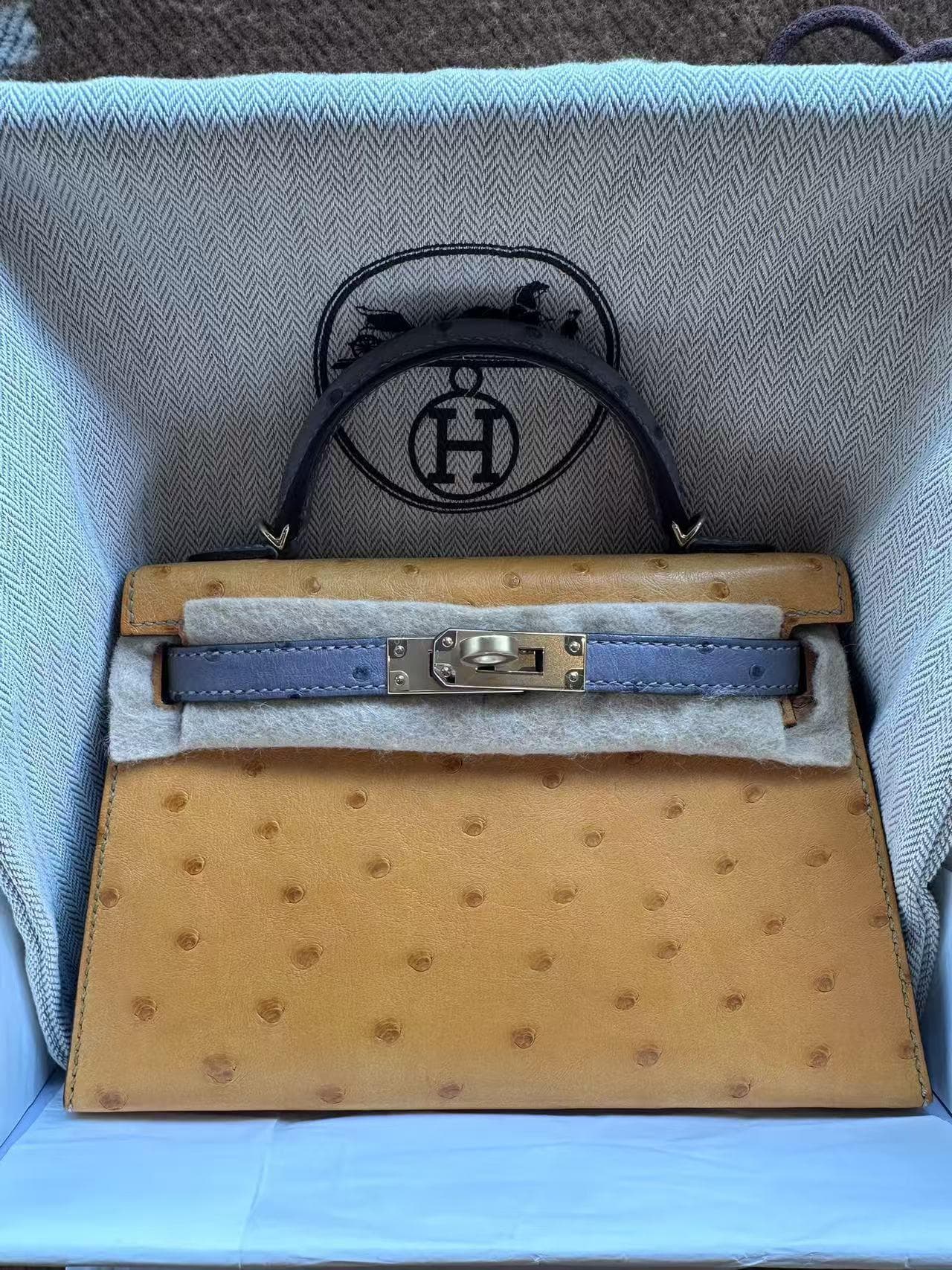 Exotic
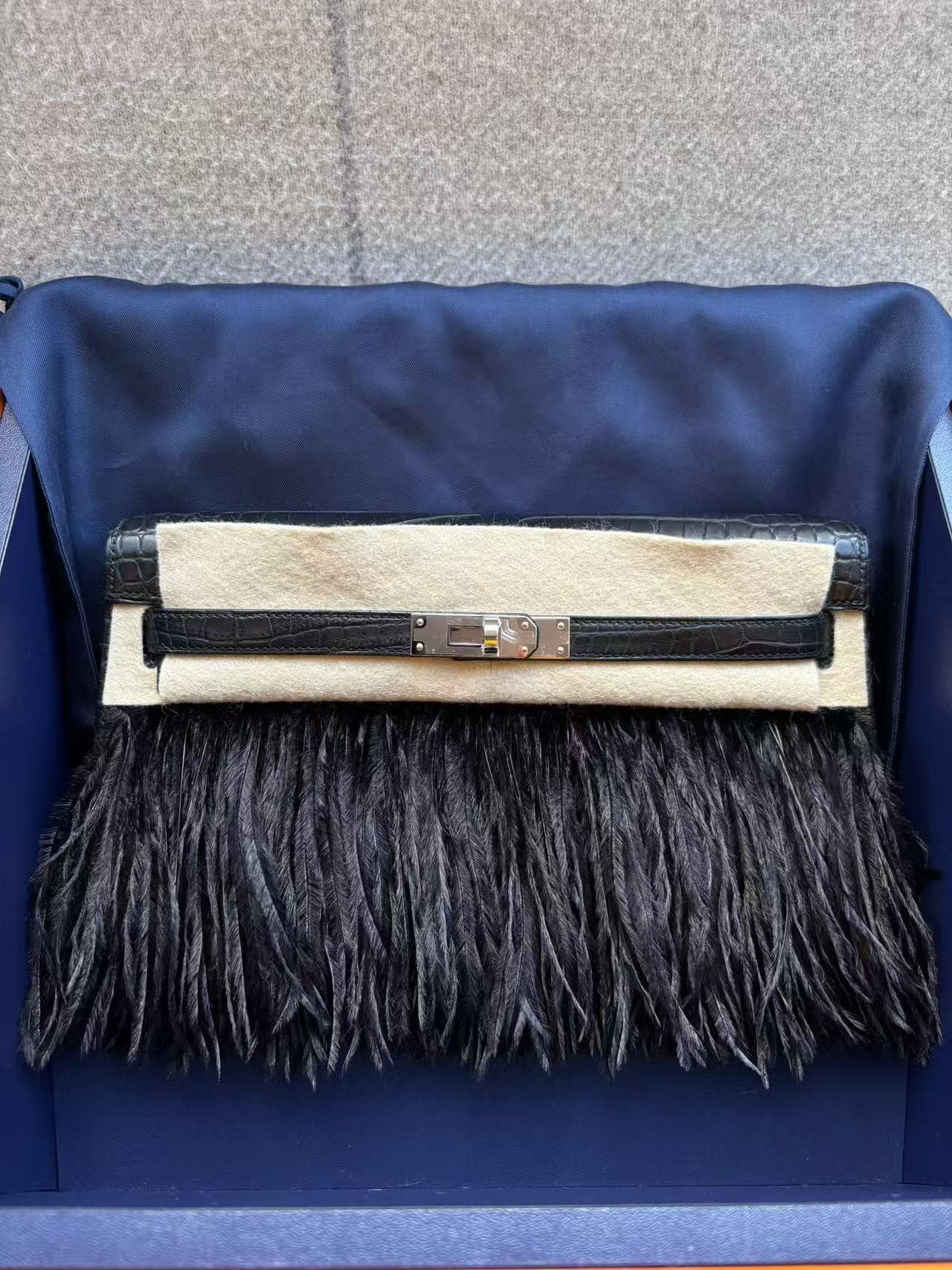 ExoticBlue Box
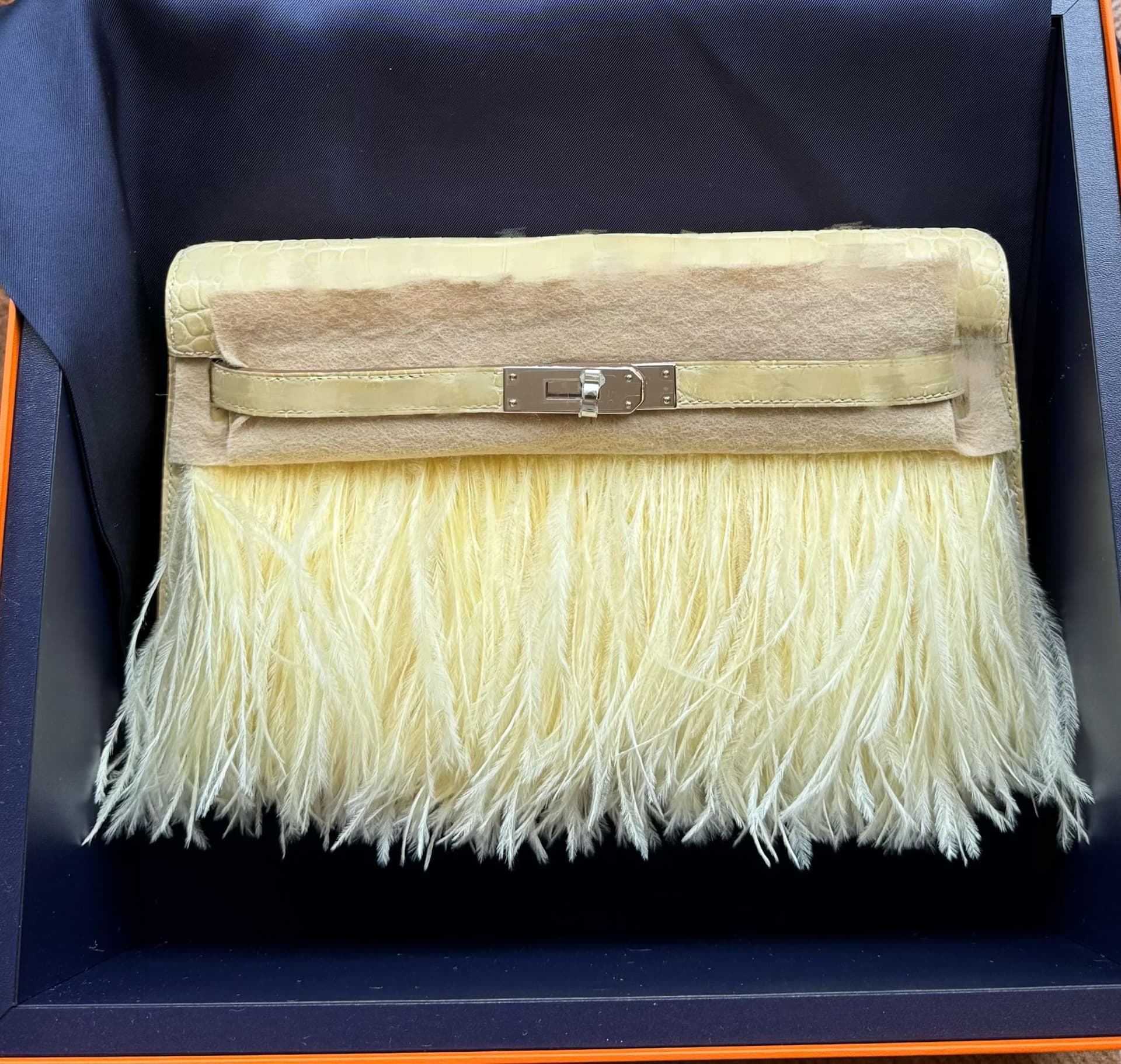 ExoticBlue Box
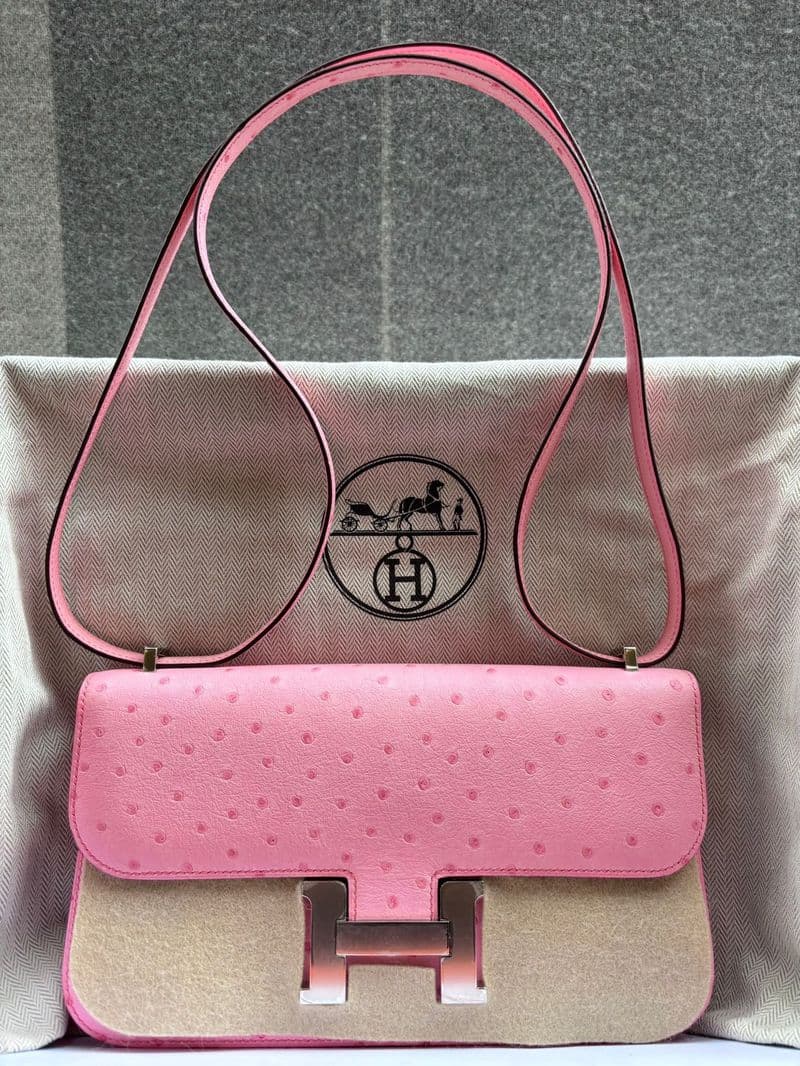 Exotic
 Exotic
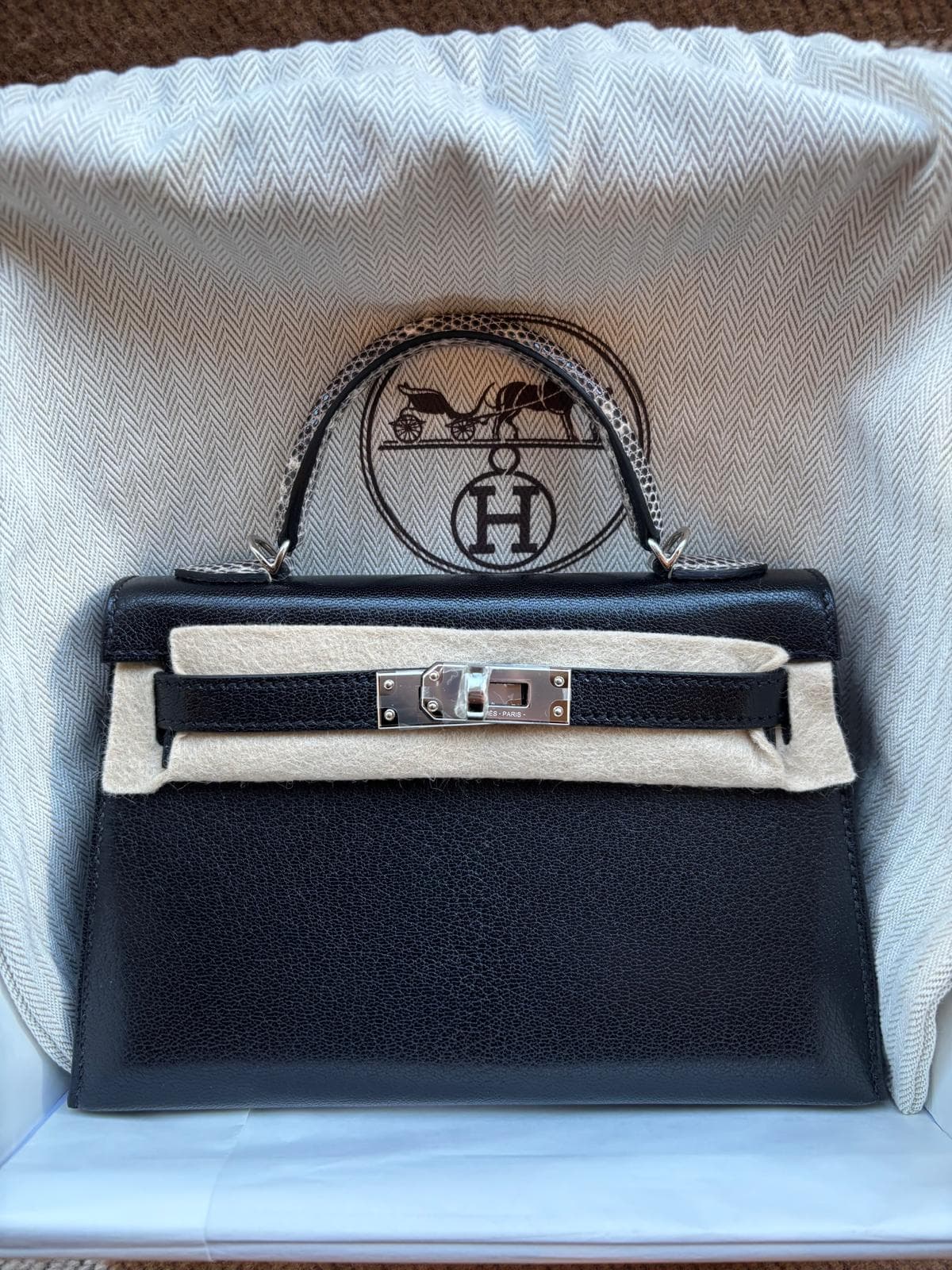 New
New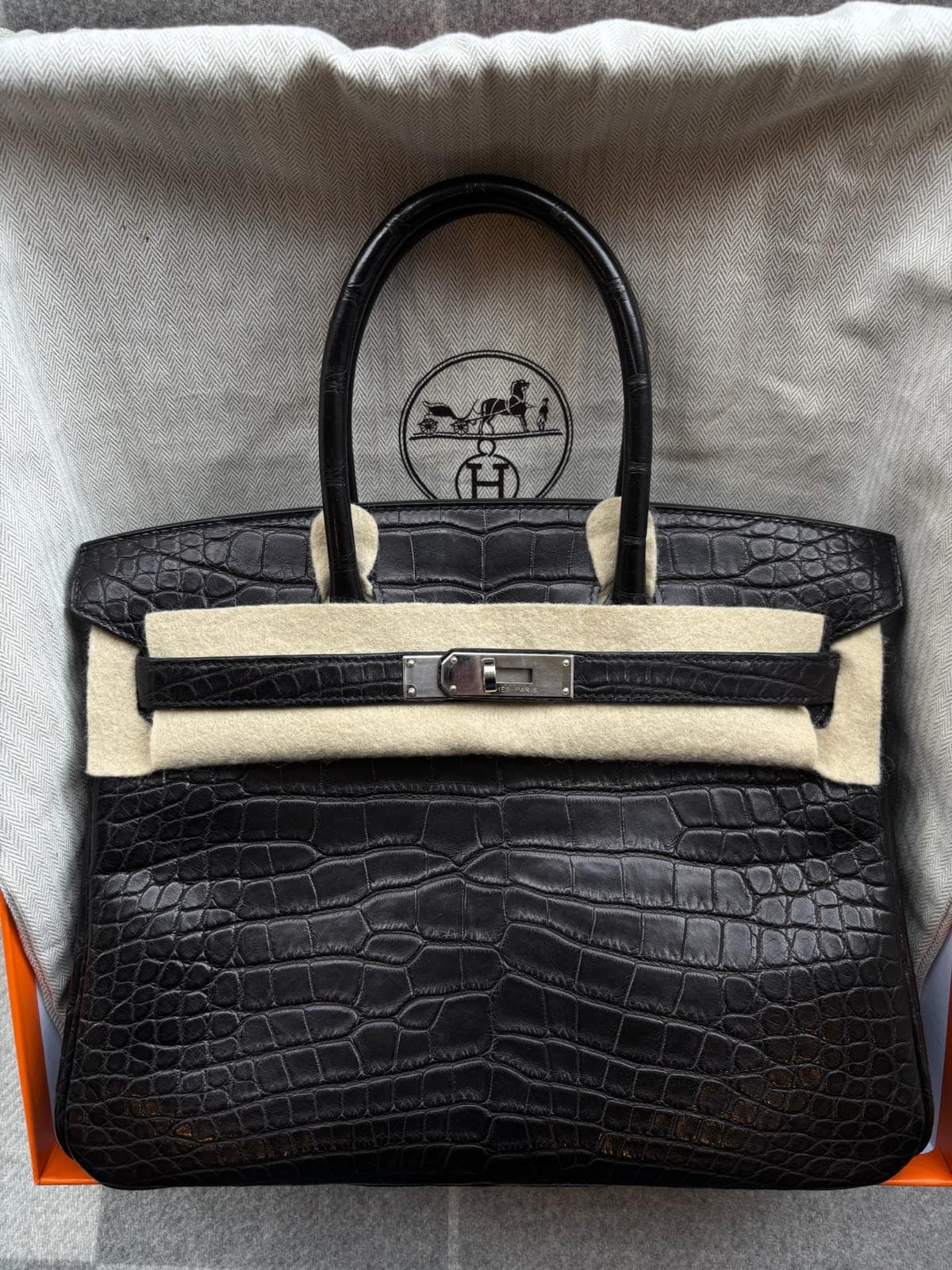 Pre-Owned
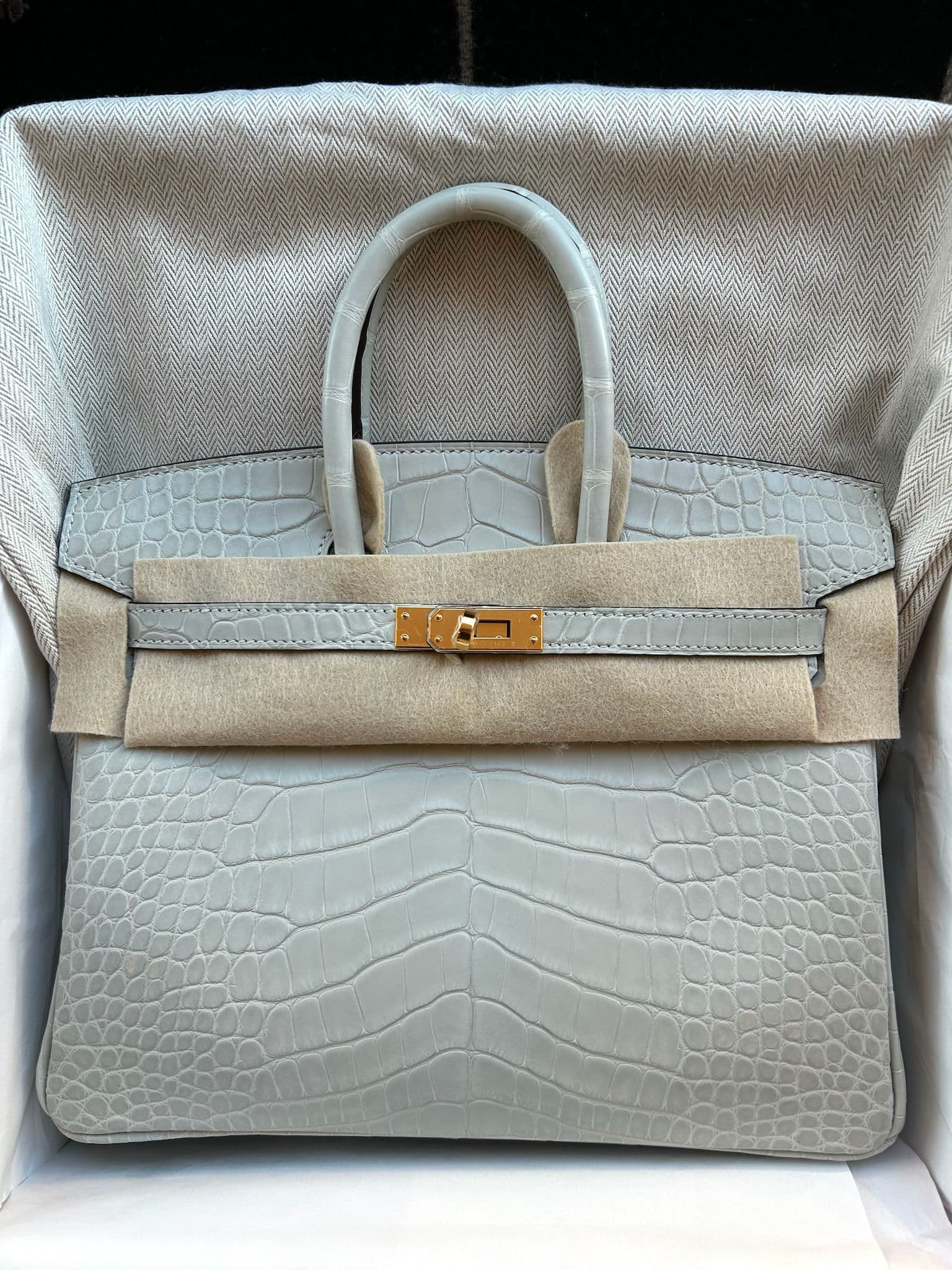 New
New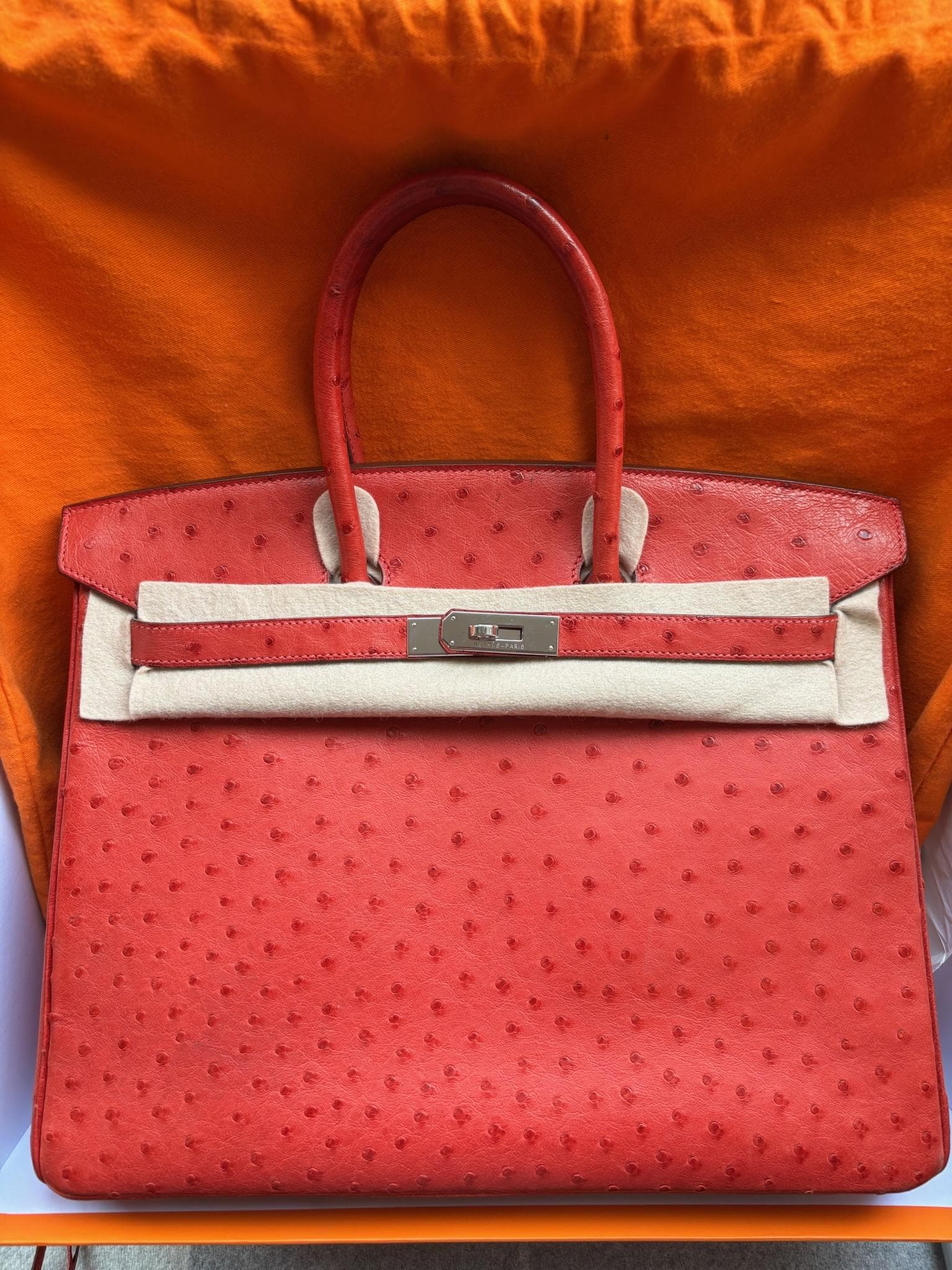 Pre-Owned
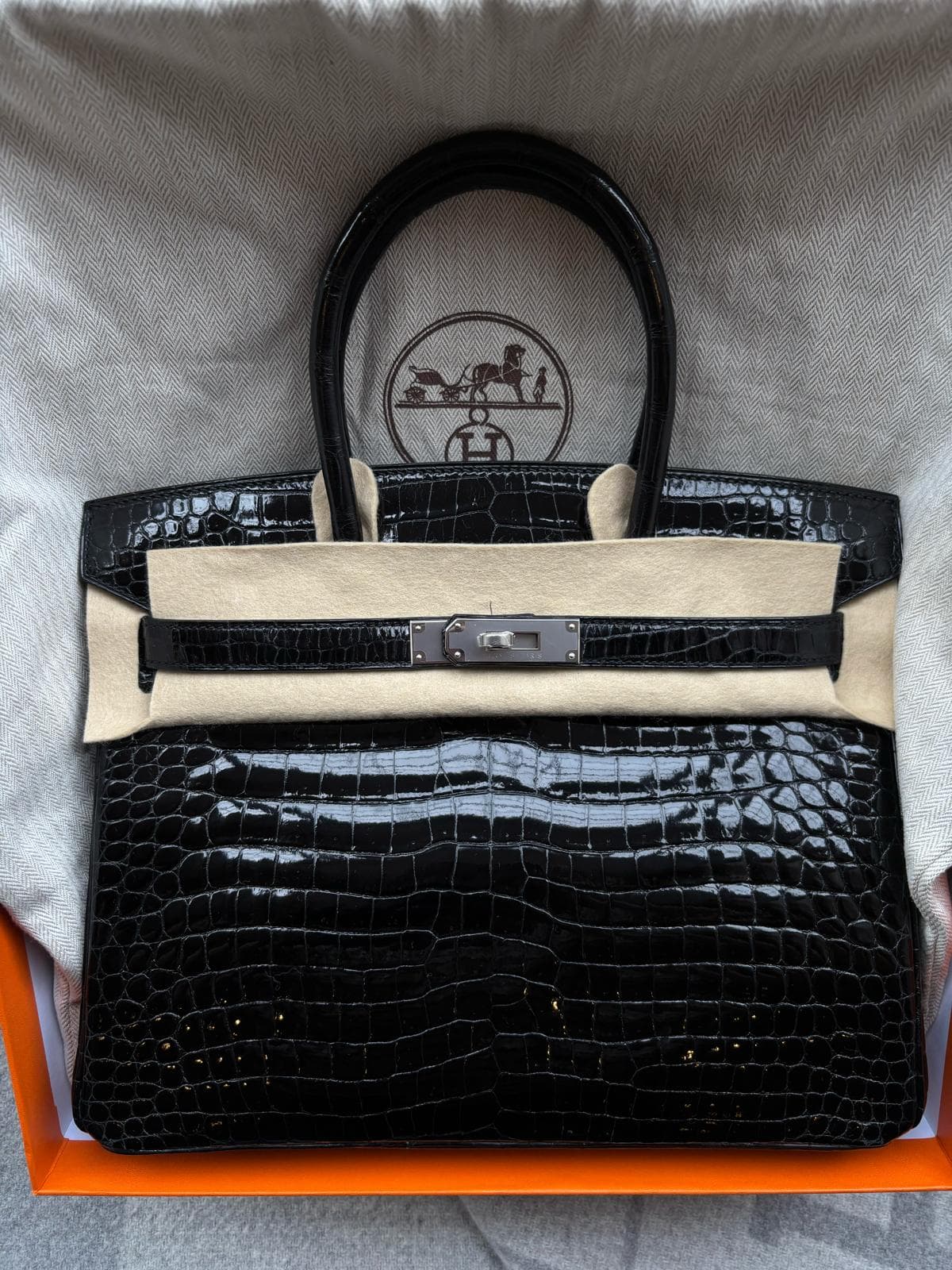 Pre-Owned
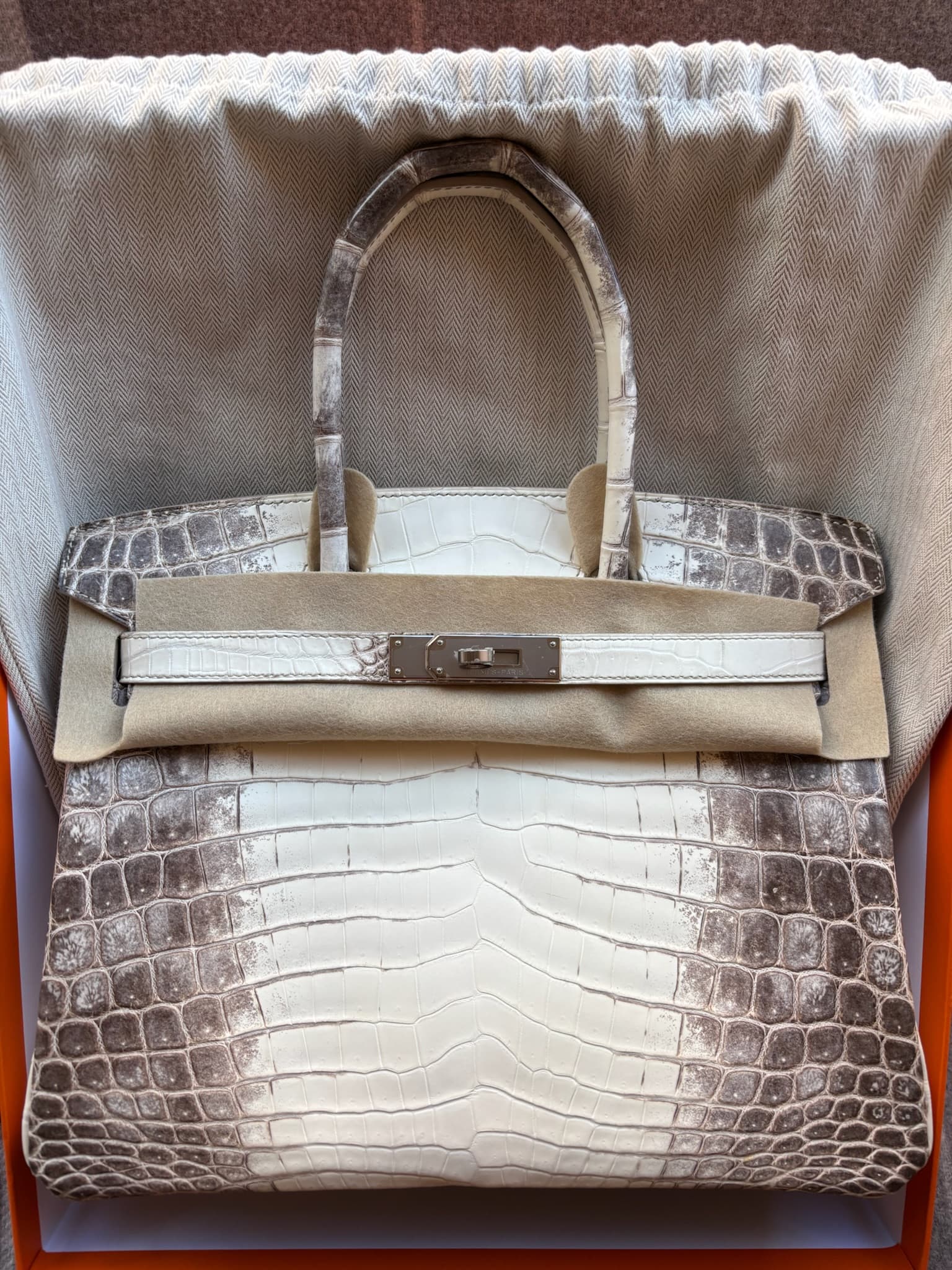 New
New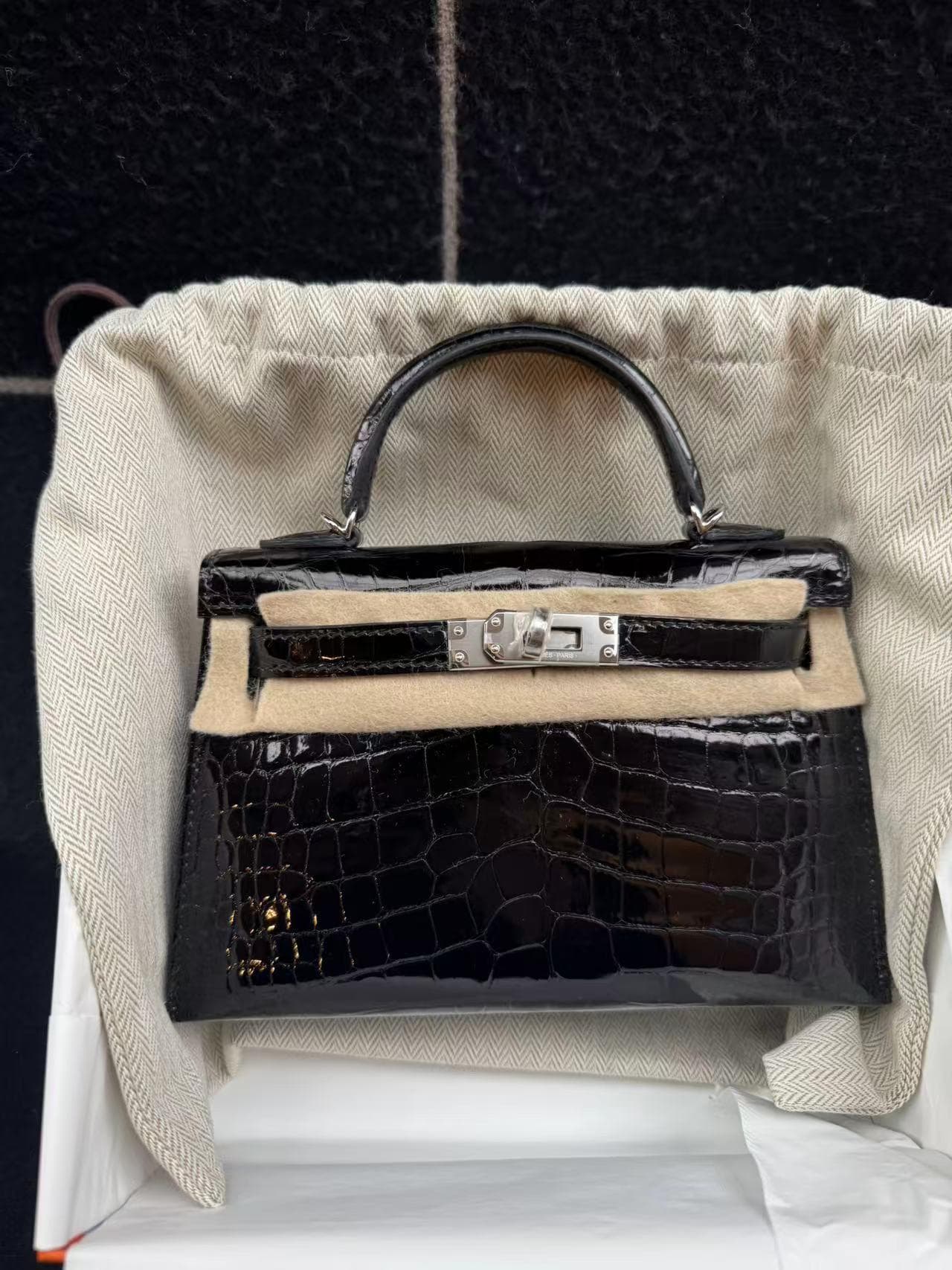 New
New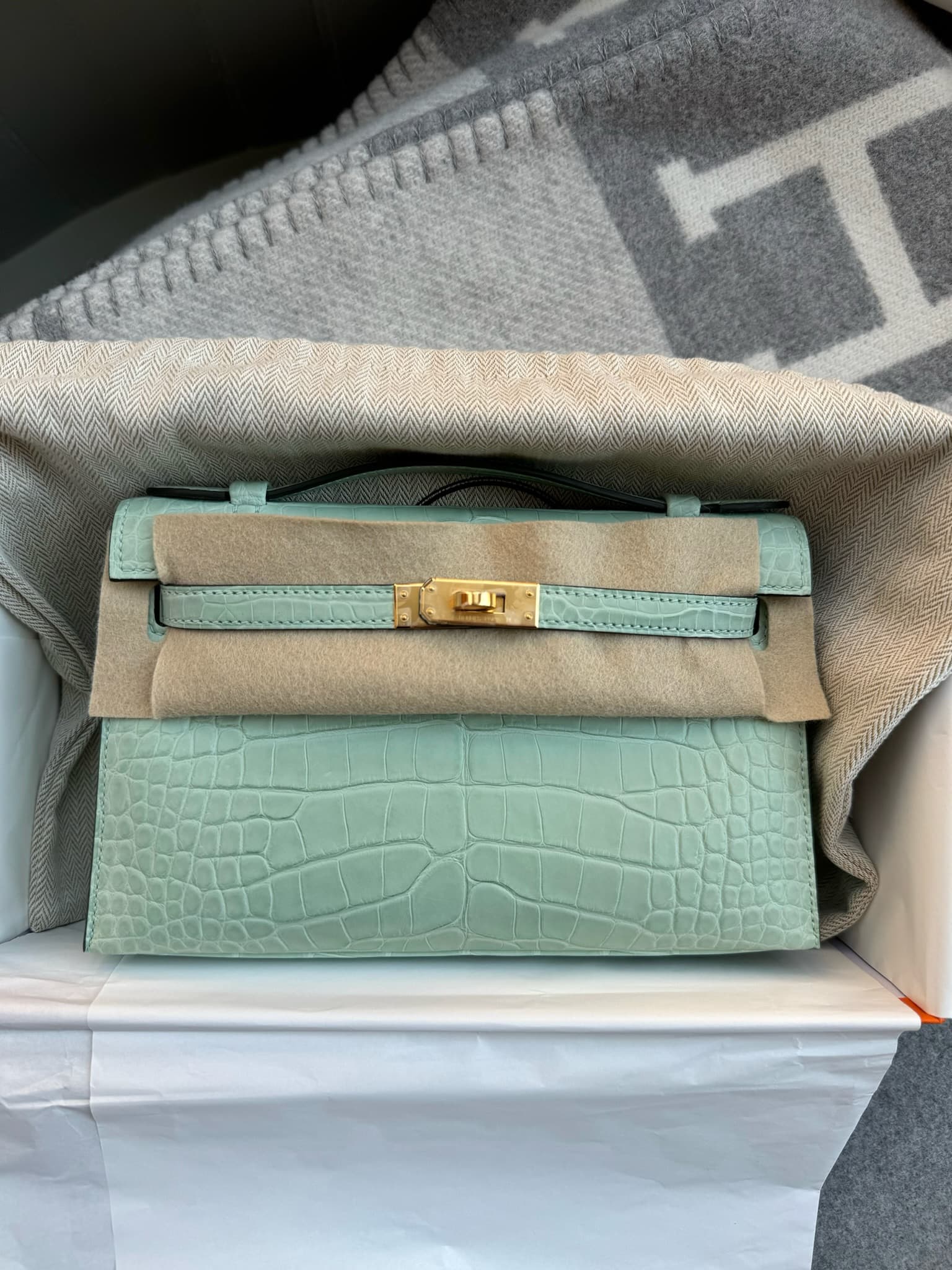 New
New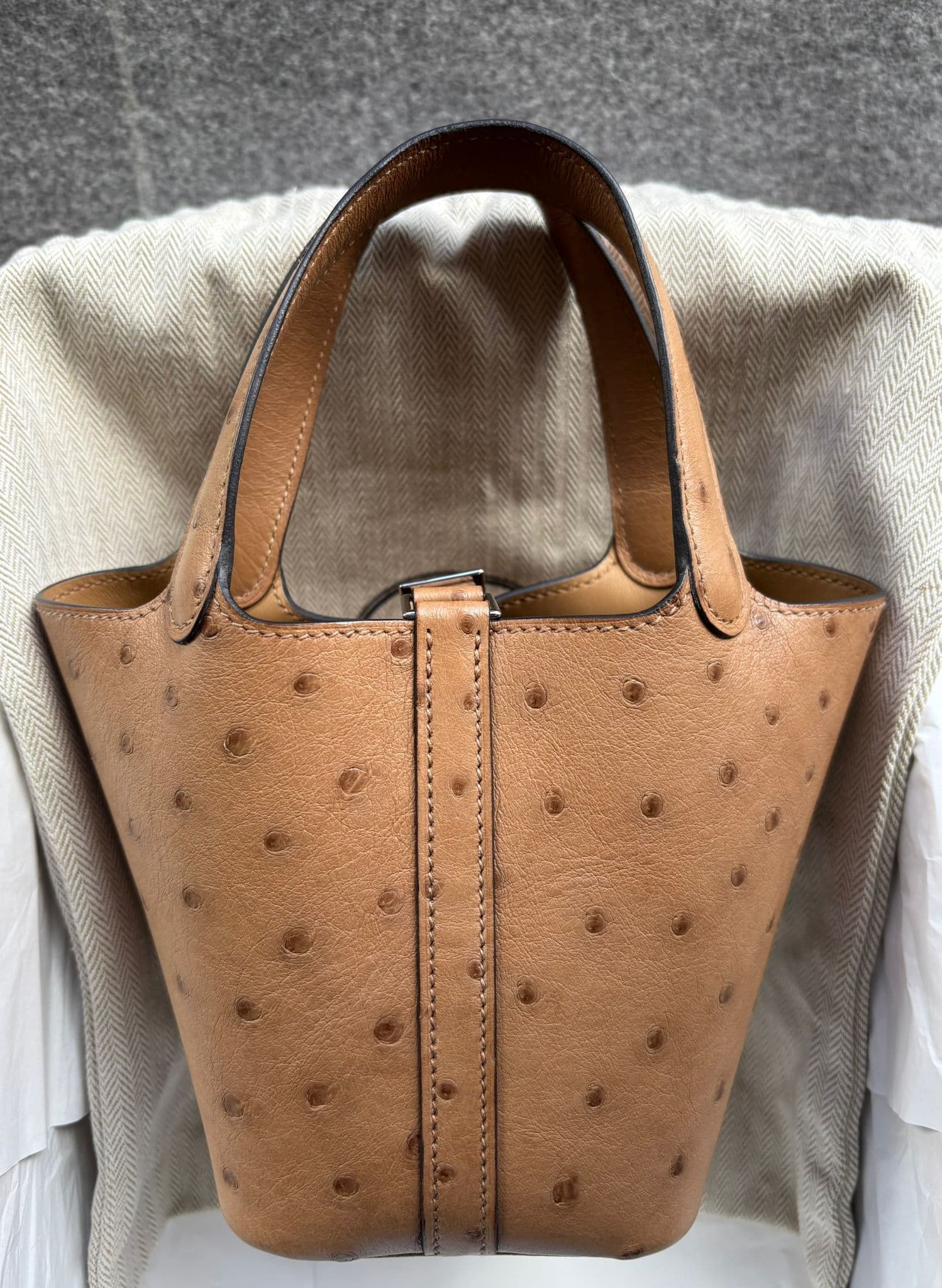 NewBlue Box
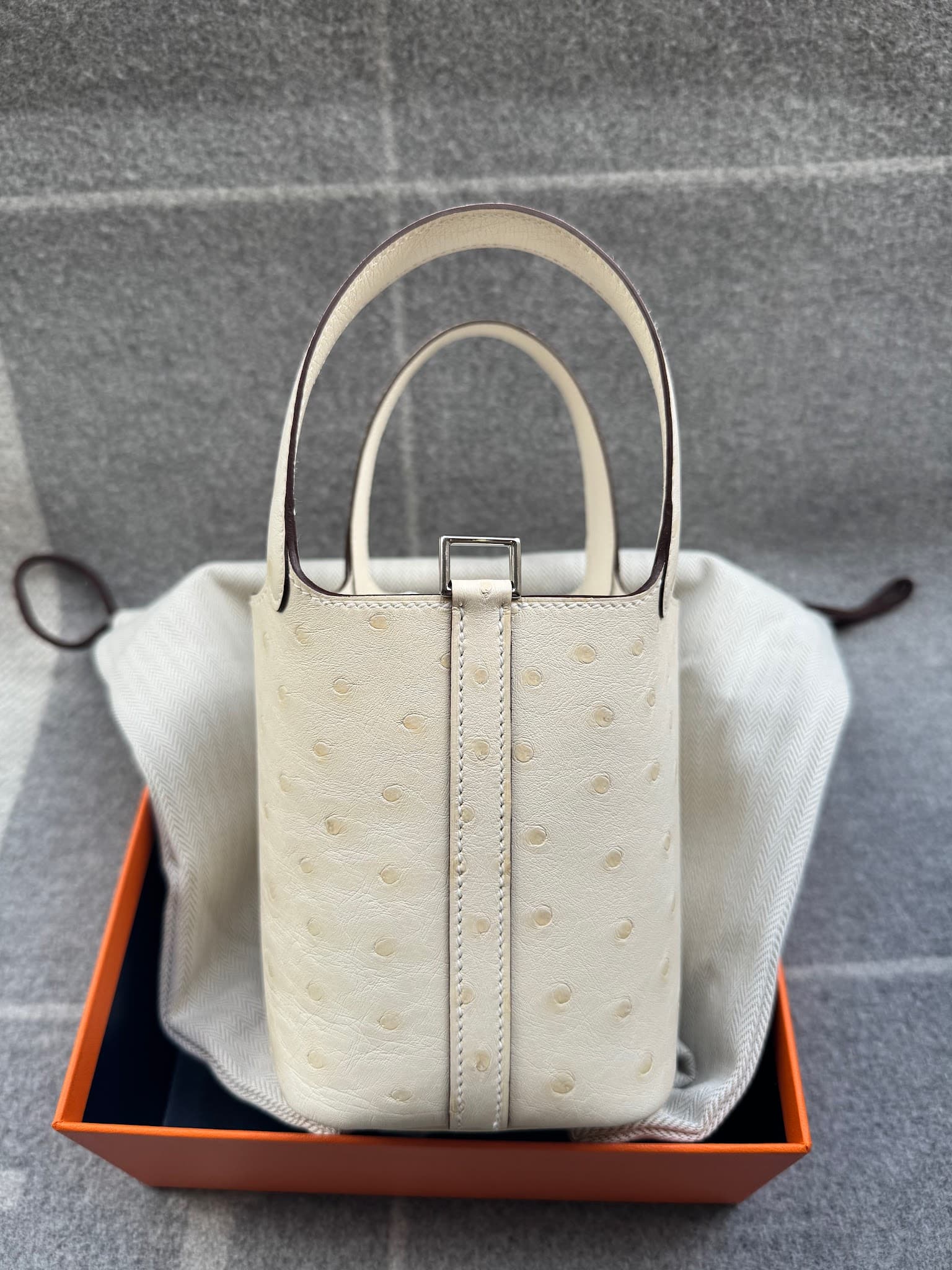 NewBlue Box
Looking for one in particular?
Send us the size, colour and hardware you have in mind. We reply within the hour with what is here, more photographs of any piece above, or the time it would take to source it.
Exotic skins are where Hermès stops being a leather house and becomes something closer to a jeweller. A single crocodile or alligator skin is graded, tanned and then matched to one bag; the scales are aligned symmetrically down the front, the centre line is placed deliberately, and everything that does not meet the standard is set aside. No two pieces are ever quite alike, and supply is counted in single bags rather than in collections.
The skins divide more precisely than most listings admit. Porosus crocodile has small, even scales that grow gradually smaller towards the flanks, and it sits at the top of the hierarchy. Niloticus crocodile has larger, more varied scales with more character between them. Mississippiensis alligator shows a slightly softer scale edge and visible pores. Varanus lizard is tiny-scaled and used almost exclusively on small pieces, where a single skin can cover the whole object.
Hermès marks which is which, and it is one of the few genuinely useful things a buyer can learn to read. A small symbol stamped beside the blind stamp identifies the skin: a caret for Porosus crocodile, two dots for Niloticus, a square for alligator. It takes ten seconds to check and it is the difference between knowing what you own and taking a seller’s word for it.
Finish changes the object as much as the skin does. A shiny piece is polished with agate until the scales read like glass, formal and reflective, and it shows every mark it ever takes. A matte piece keeps the natural scale texture in quiet relief, is far more forgiving in use, and for many collectors is the more beautiful of the two. The same bag in the same colour looks like two different objects across that divide.
Scale placement is where craft is visible to an untrained eye. On a well-cut Birkin the centre line runs straight down the front, the scales diminish evenly towards the sides, and the flap matches the body. On a poorly cut one the symmetry drifts. This is worth more attention than colour when choosing between two pieces, and it is the first thing we look at.
Care is simple and non-negotiable. Exotic skins dislike heat and dryness far more than they dislike use; a bag stored near a radiator or in a hot car will dry and the scales will lift at the edges. Water is less dangerous than most people assume on matte finishes and more dangerous than they assume on shiny ones. Every piece we sell comes with the appropriate documentation handled properly.
Supply is the defining fact. Because each bag consumes a matched skin, exotic production is a fraction of calfskin production, and a specific model in a specific skin, finish and colour may simply not exist in the market at a given moment. Anyone hunting a particular combination should expect to wait, and should be sceptical of anyone who promises otherwise.
Every exotic piece at JULL is inspected scale by scale in our London workroom — skin symbol and stamp, scale symmetry and placement, edges and lifting, finish, hardware and interior — and photographed in raking light rather than flattering light. Pieces are new, unworn and pre-owned, sourced through European boutiques below boutique retail where the market allows. Shown by private appointment in London, filmed in close detail for clients elsewhere, delivered insured across the UK.
Questions, answered
How can I tell which exotic skin a bag is?
By the symbol stamped beside the blind stamp: a caret for Porosus crocodile, two dots for Niloticus crocodile, a square for alligator. It takes seconds to check and it is the difference between knowing what you own and trusting a description.
Which exotic skin is most prized?
Porosus crocodile, with its small, even scales diminishing towards the flanks, sits at the top. Niloticus has larger and more varied scales with more character. Alligator shows softer scale edges and visible pores. Lizard is used on small pieces where one skin covers the object.
Shiny or matte — which should I choose?
Shiny is polished with agate until the scales read like glass; it is formal, reflective and shows every mark. Matte keeps the natural texture in quiet relief and is far more forgiving in use. Many collectors prefer matte, and the same bag looks like two different objects across that divide.
What makes one exotic bag better cut than another?
Scale placement. On a well-cut piece the centre line runs straight down the front, the scales diminish evenly towards the sides and the flap matches the body. On a poor one the symmetry drifts. It deserves more attention than colour when choosing between two bags.
How should an exotic bag be cared for?
Keep it away from heat and dryness above all — a bag stored near a radiator or in a hot car will dry and the scales will lift at the edges. Water is less of a problem on matte finishes than most people think, and more of one on shiny.
Why is exotic supply so limited?
Because each bag consumes a single matched skin, graded and tanned for that piece. Production is a fraction of calfskin, and a particular model in a specific skin, finish and colour may simply not exist in the market at a given moment.
Can’t find it? We’ll source it.
Tell us what you’re looking for — model, colour, leather, size — and our team will find it for you, usually within days.
Start a Search