Hermès Chèvre Leather Bags · London
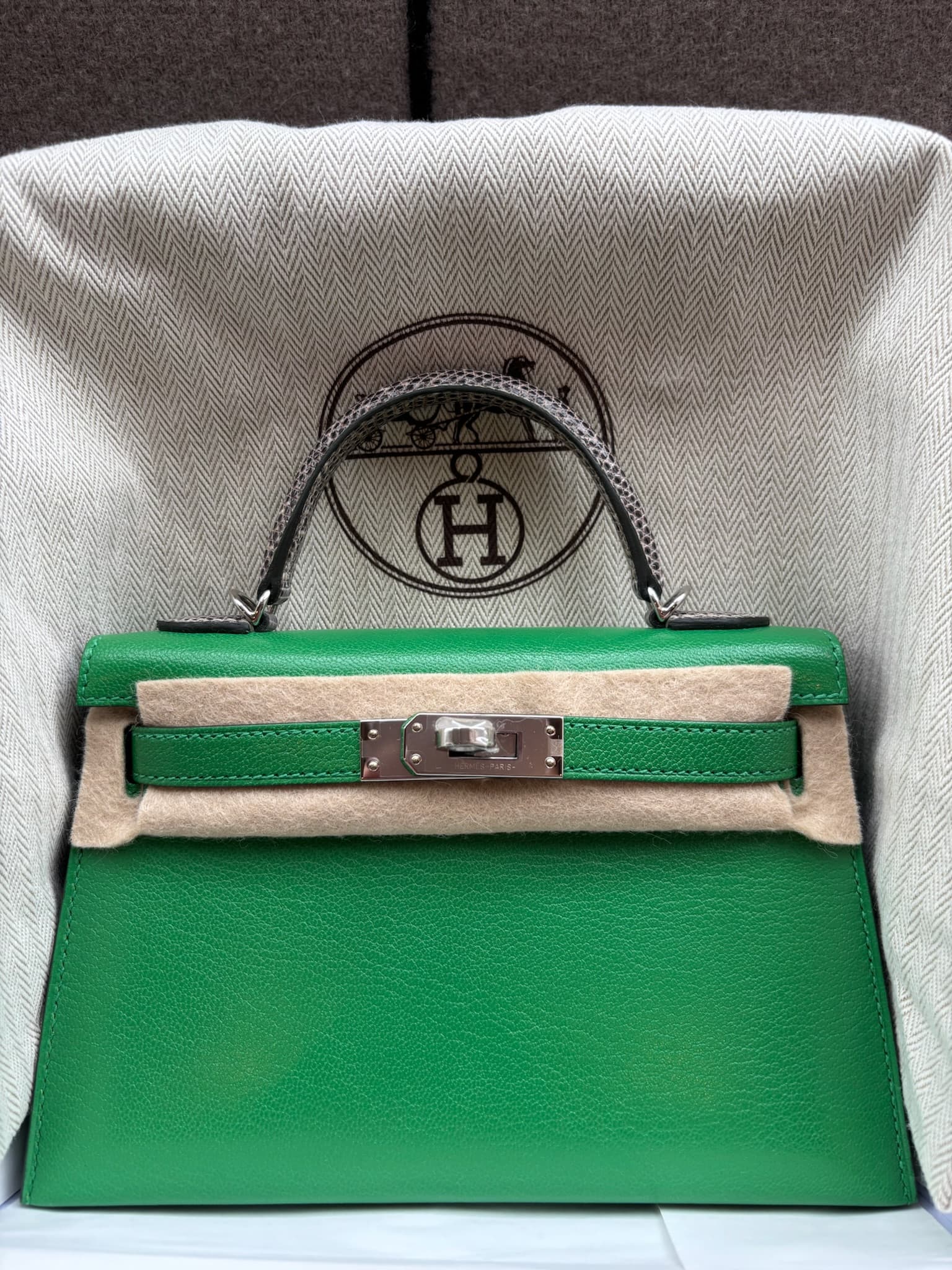
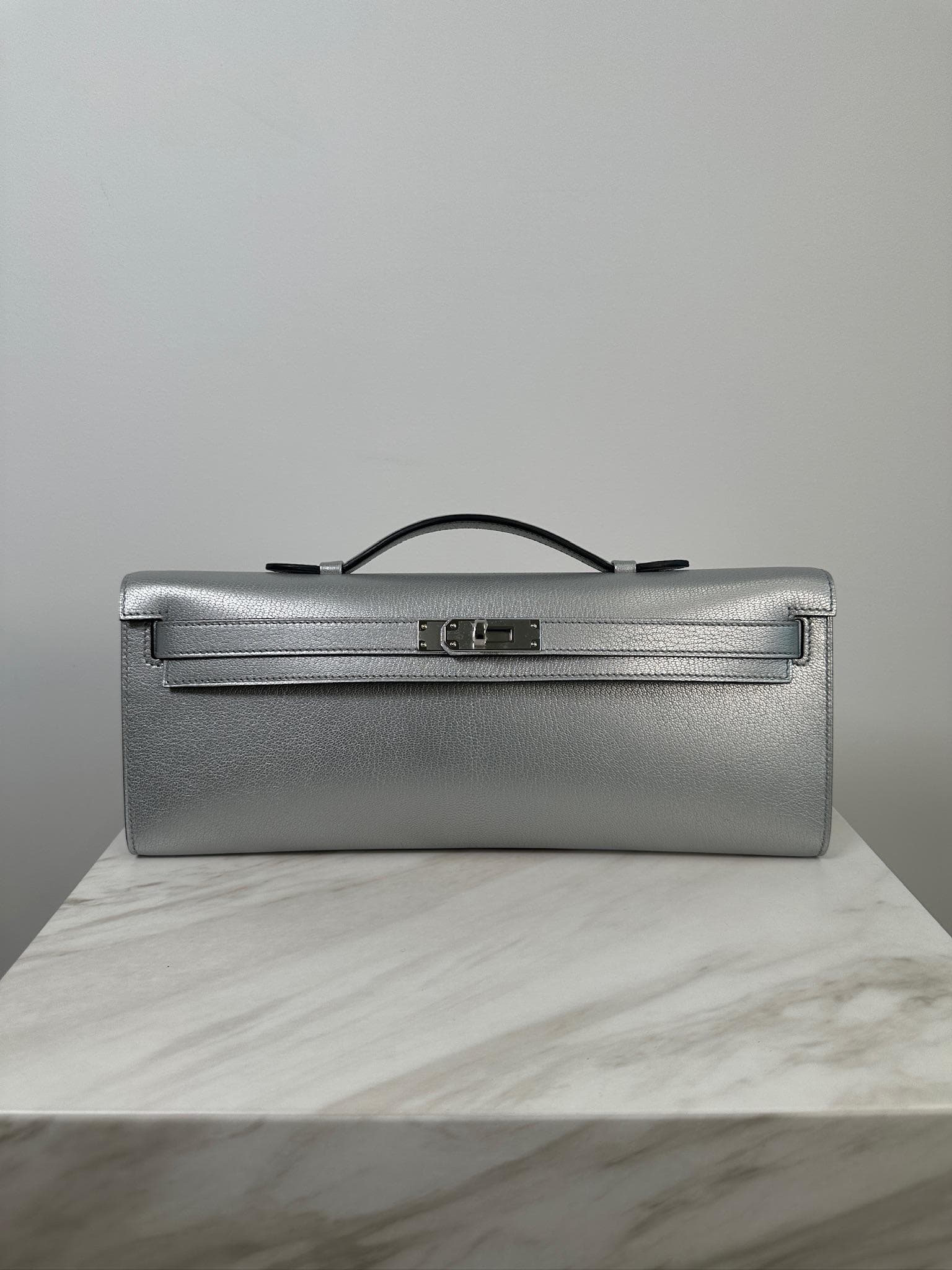
Chèvre — goatskin — is the connoisseur\u2019s choice: noticeably lighter than calfskin, iridescent under light, almost impossible to scratch, and produced in far smaller quantities. Its tight, lively grain gives smaller Kellys and Constances a jewel-like quality, and collectors actively seek it out because Hermès offers it so sparingly. JULL\u2019s Chèvre pieces are authenticated and hand-inspected in our London workroom before they reach the floor. Browse the current goatskin selection below, or set our concierge on the trail of a specific Chèvre piece — usually a matter of days.
18 pieces available
 New
New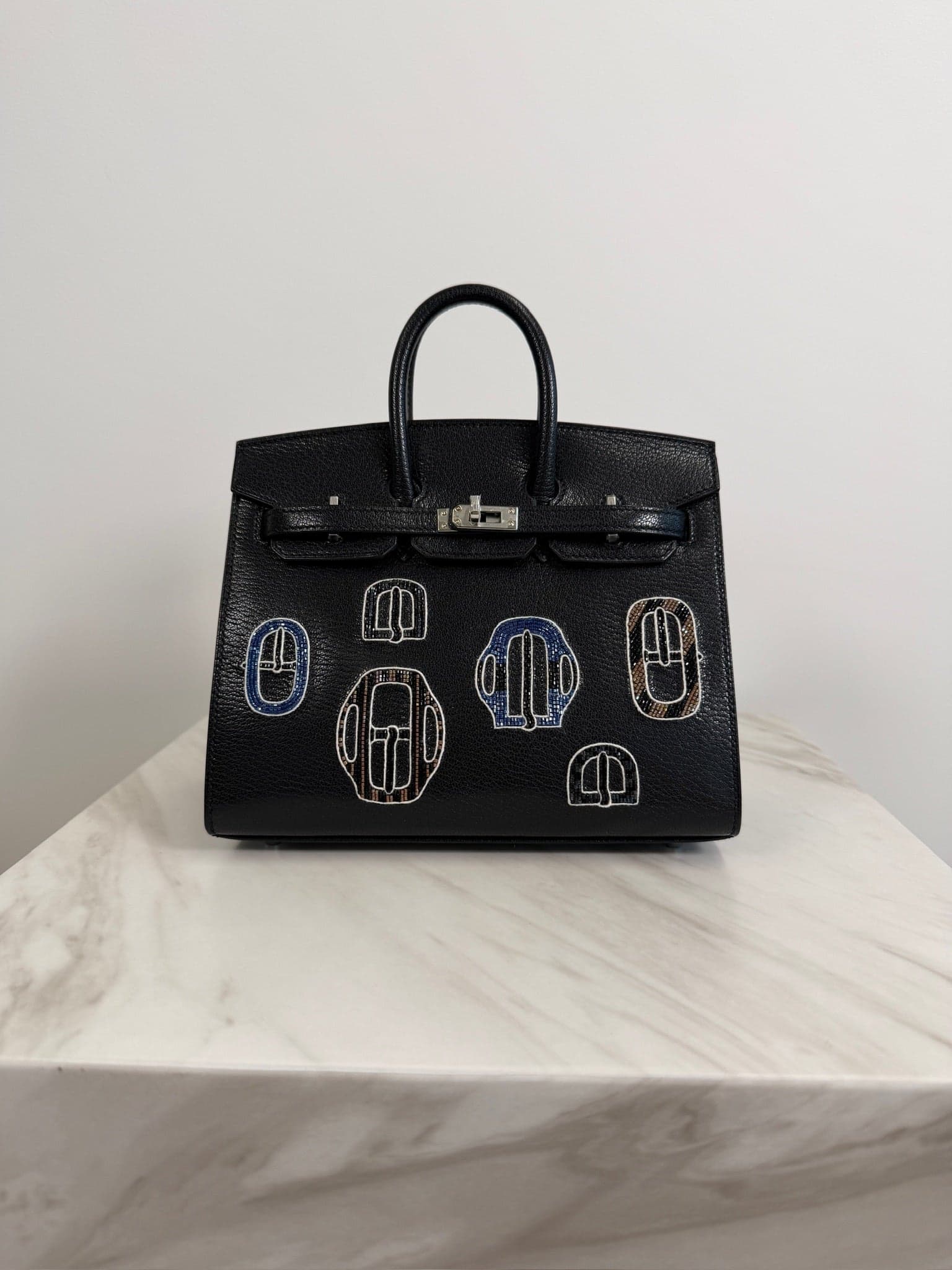 NewBlue Box
 Rare Find
 Rare Find
 New
New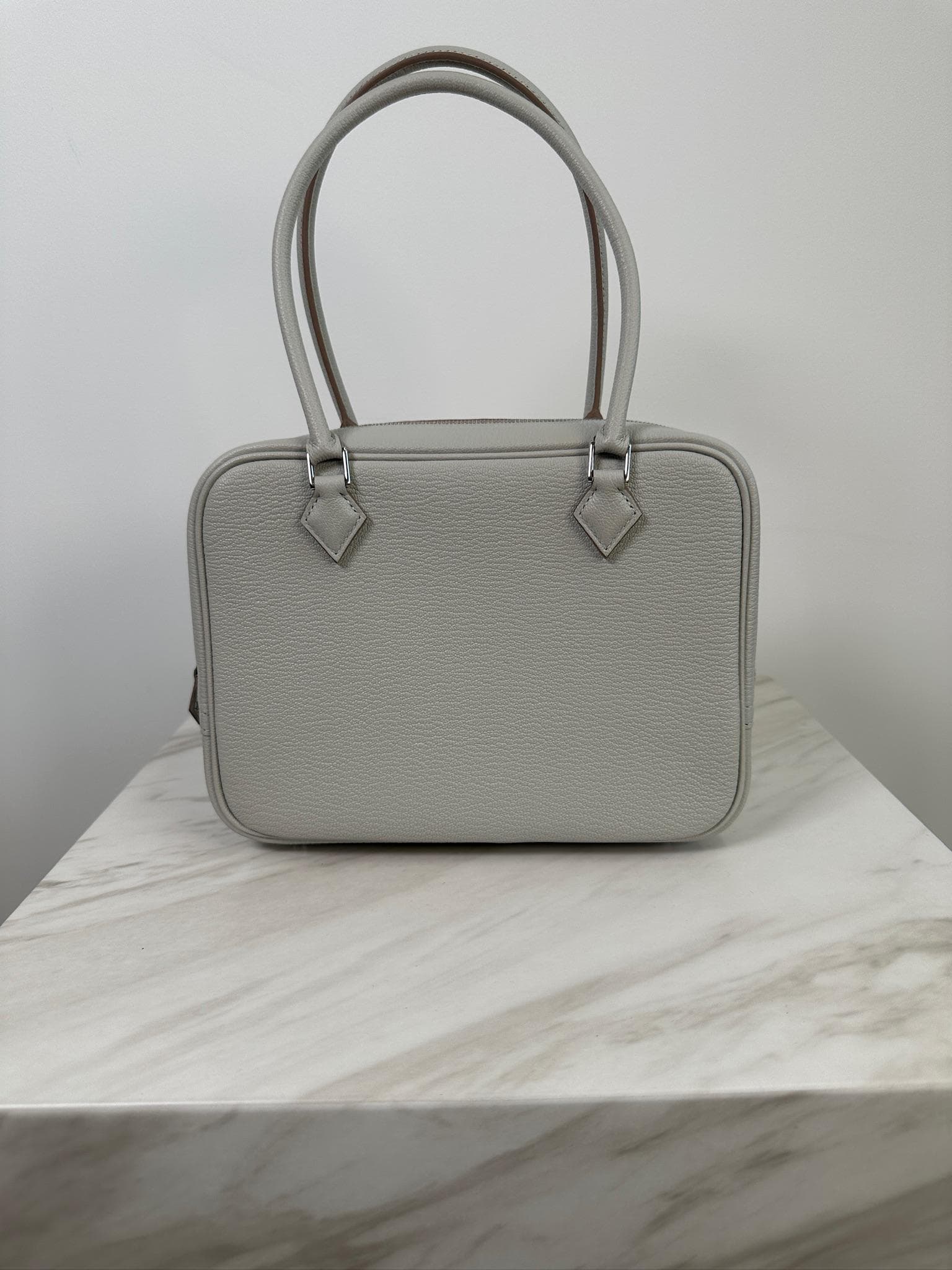 New
New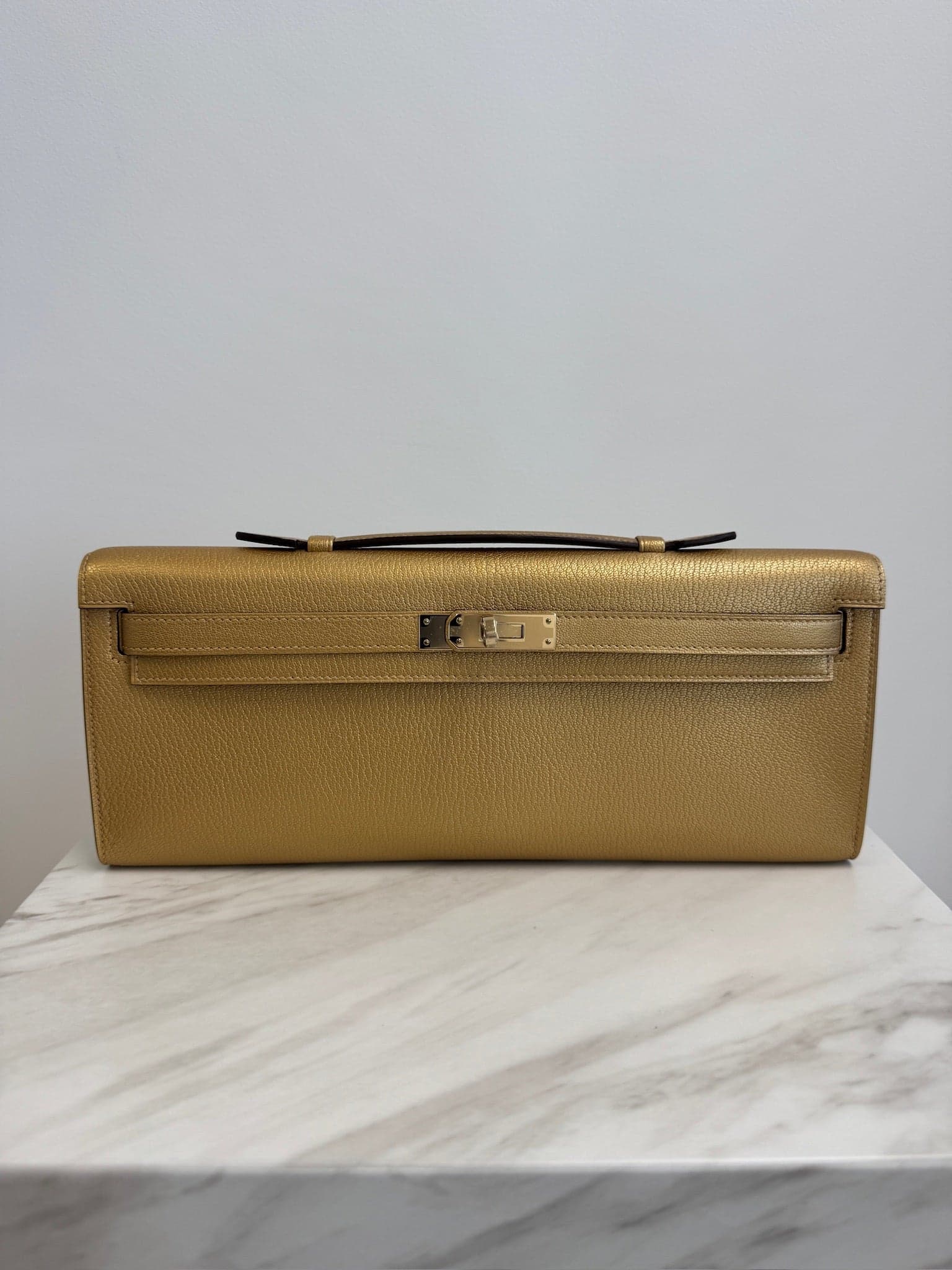 New
New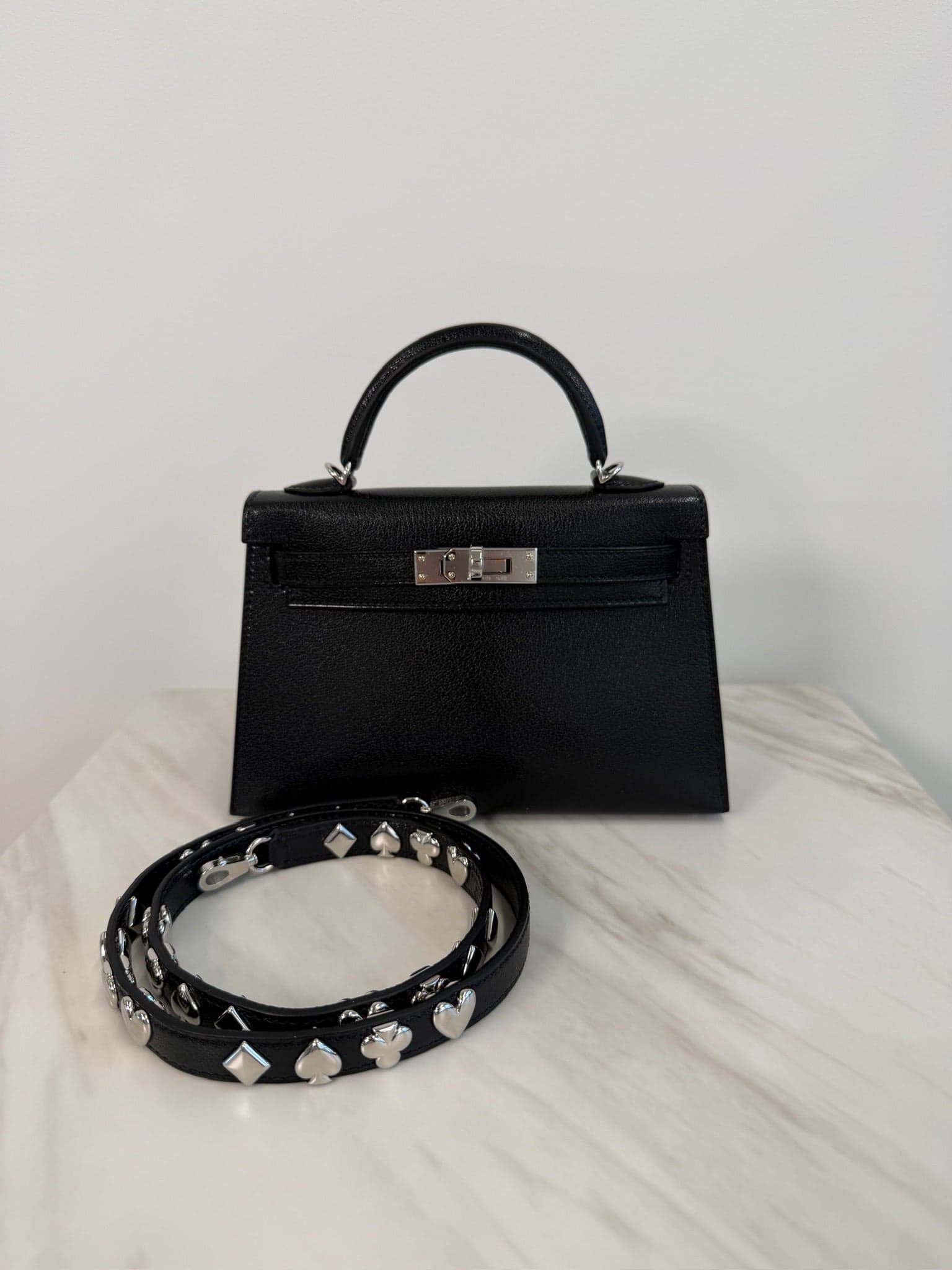 New
New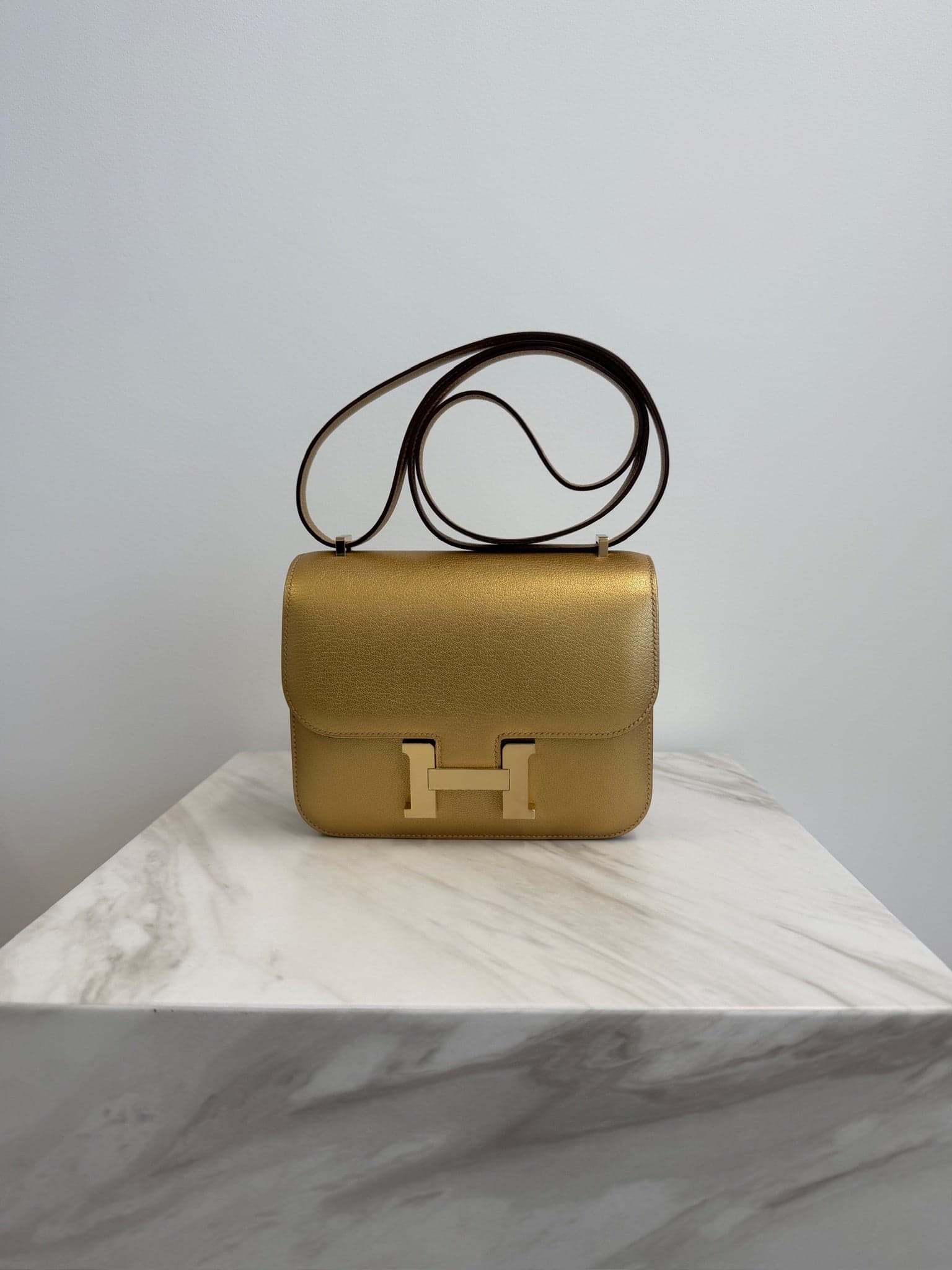 New
New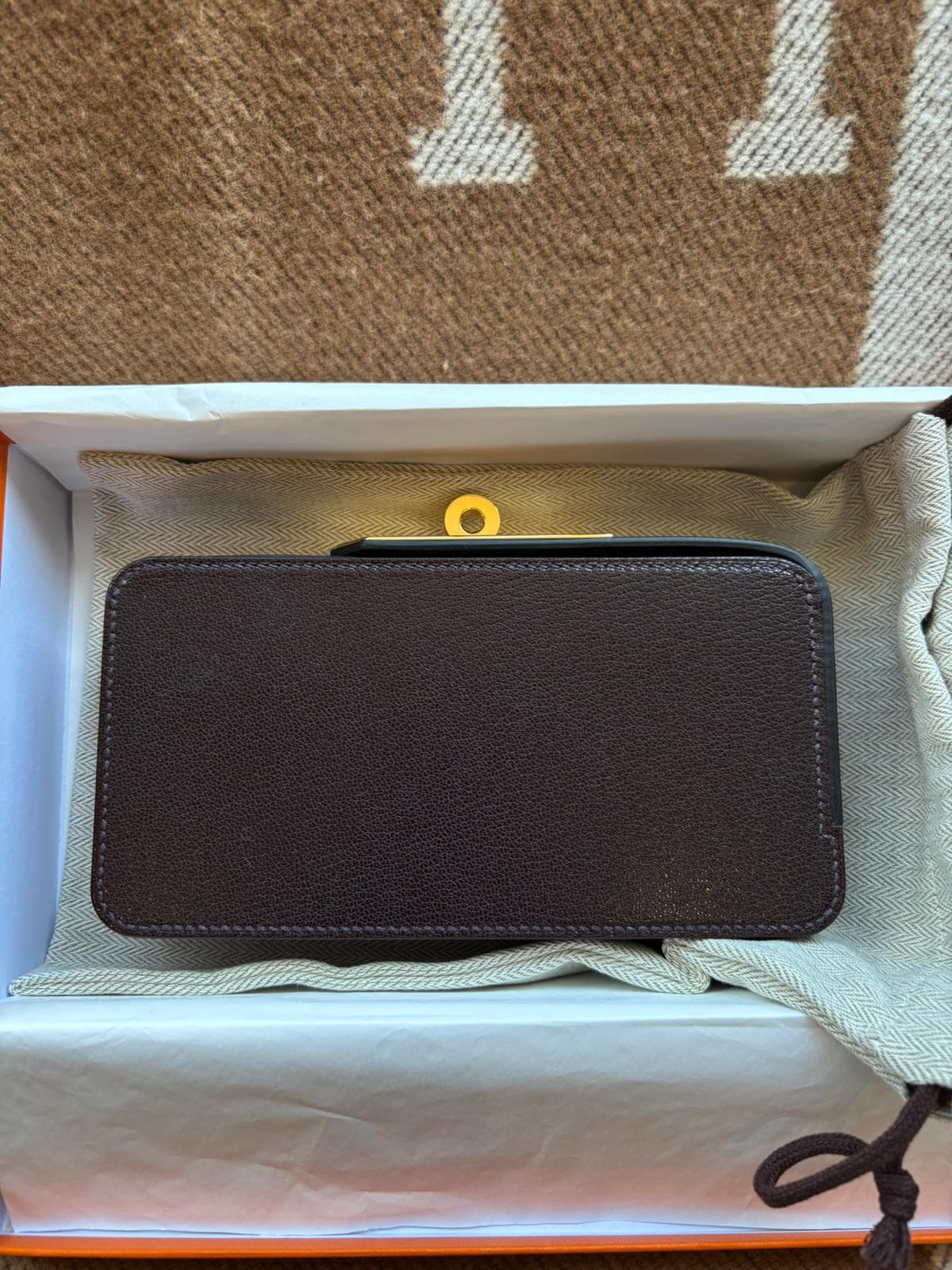 Rare Find
 Rare Find
 Rare Find
 NewBlue Box
 Pre-Owned
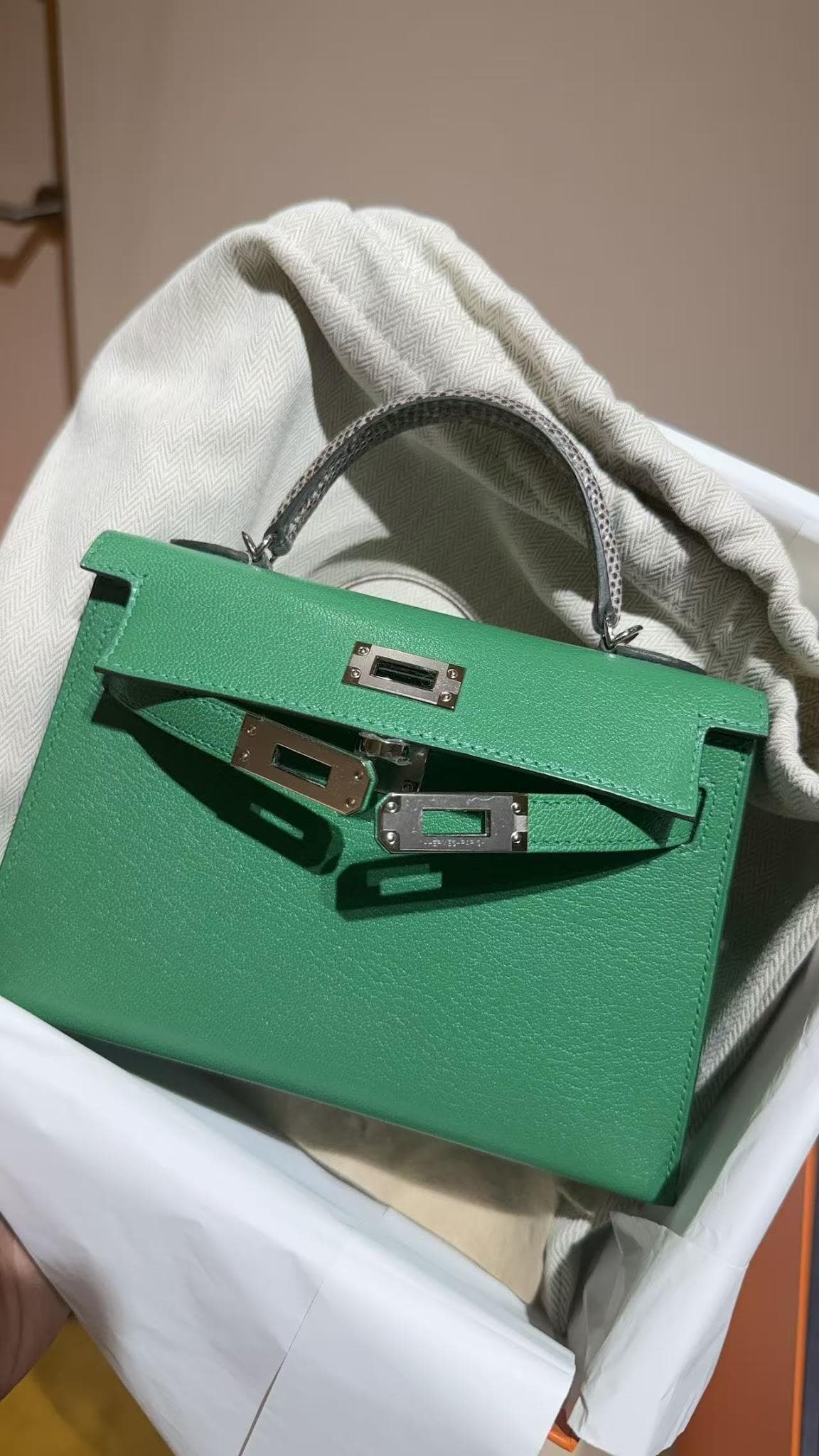 New
New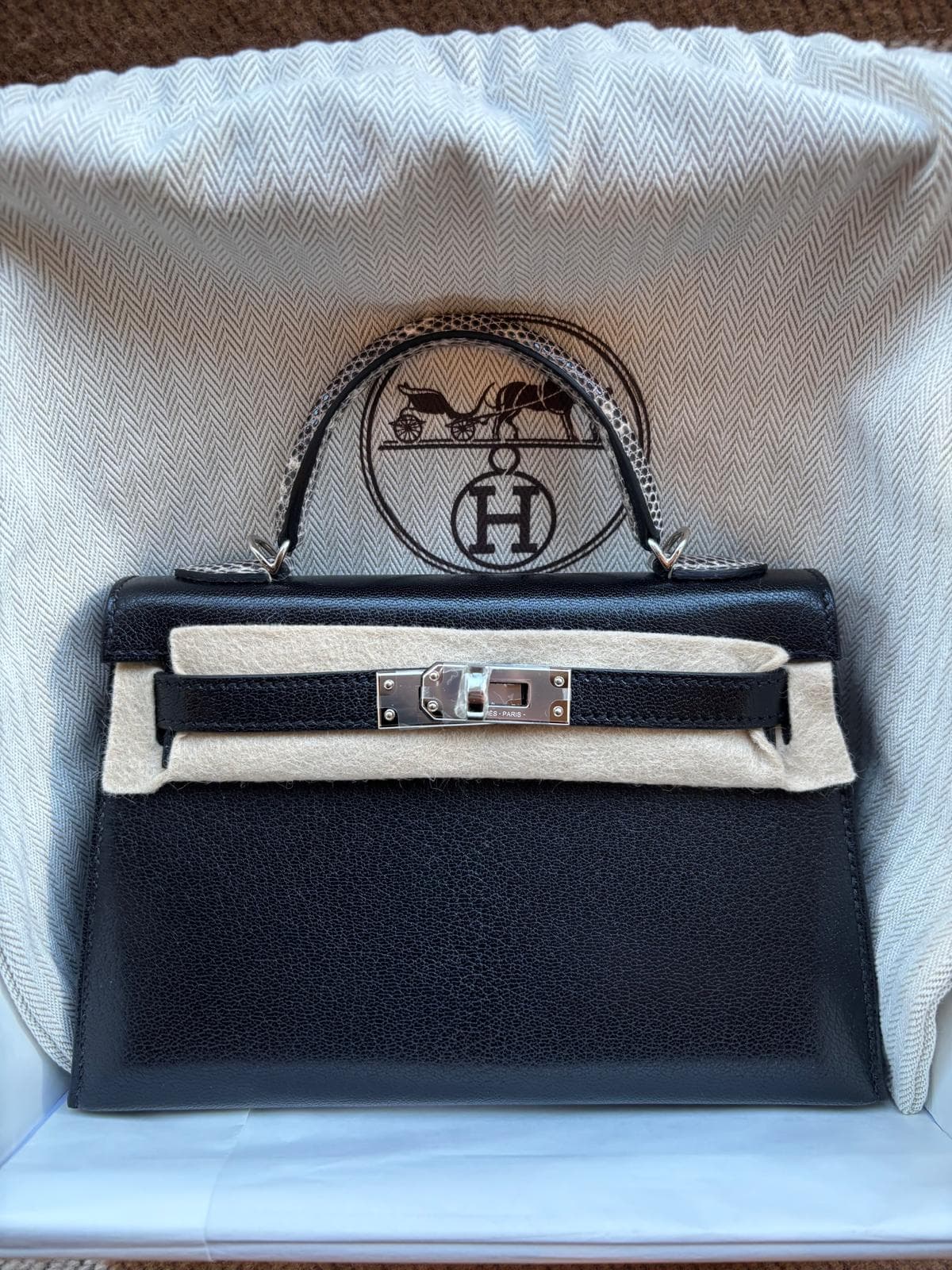 New
New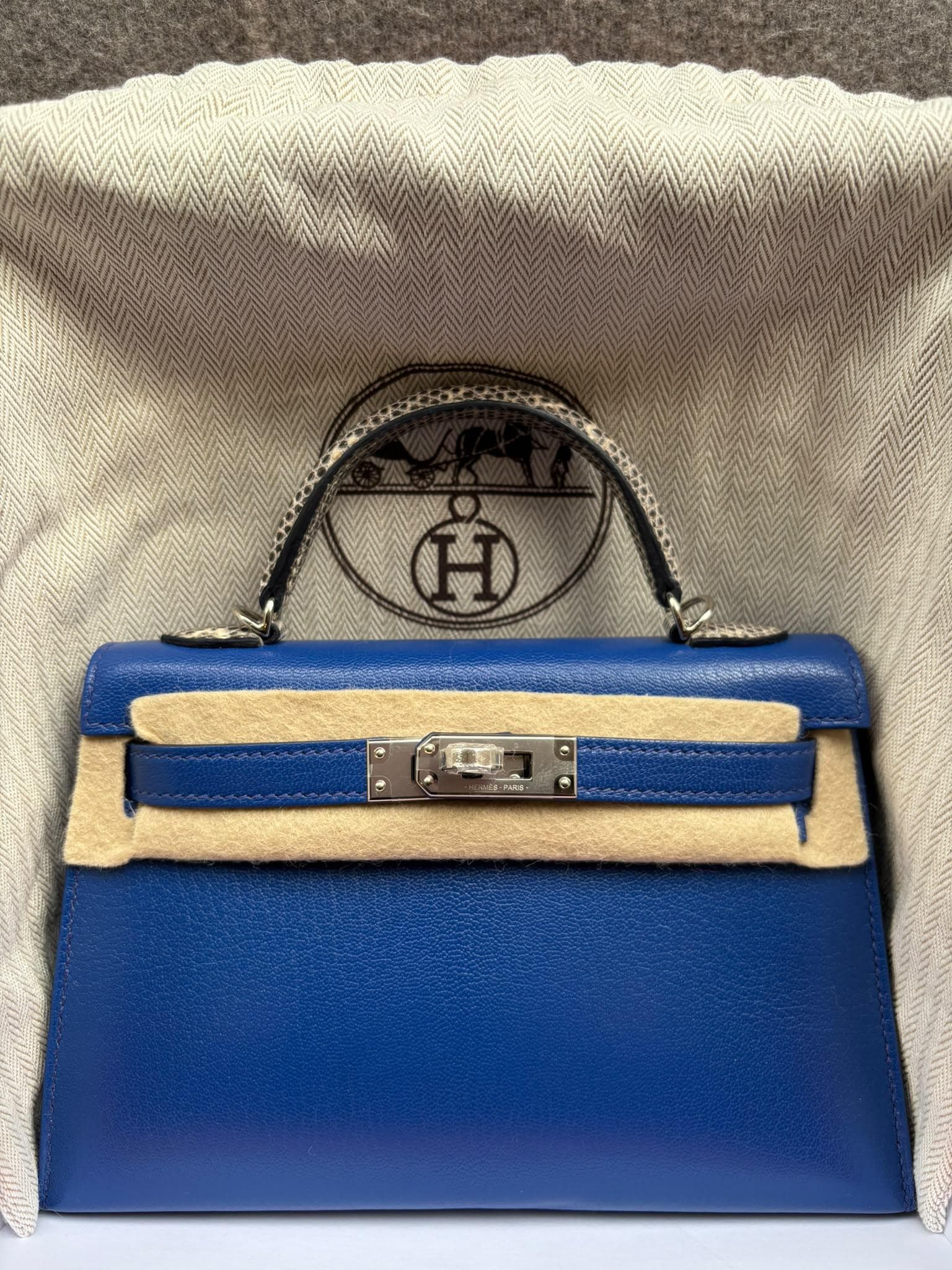 New
New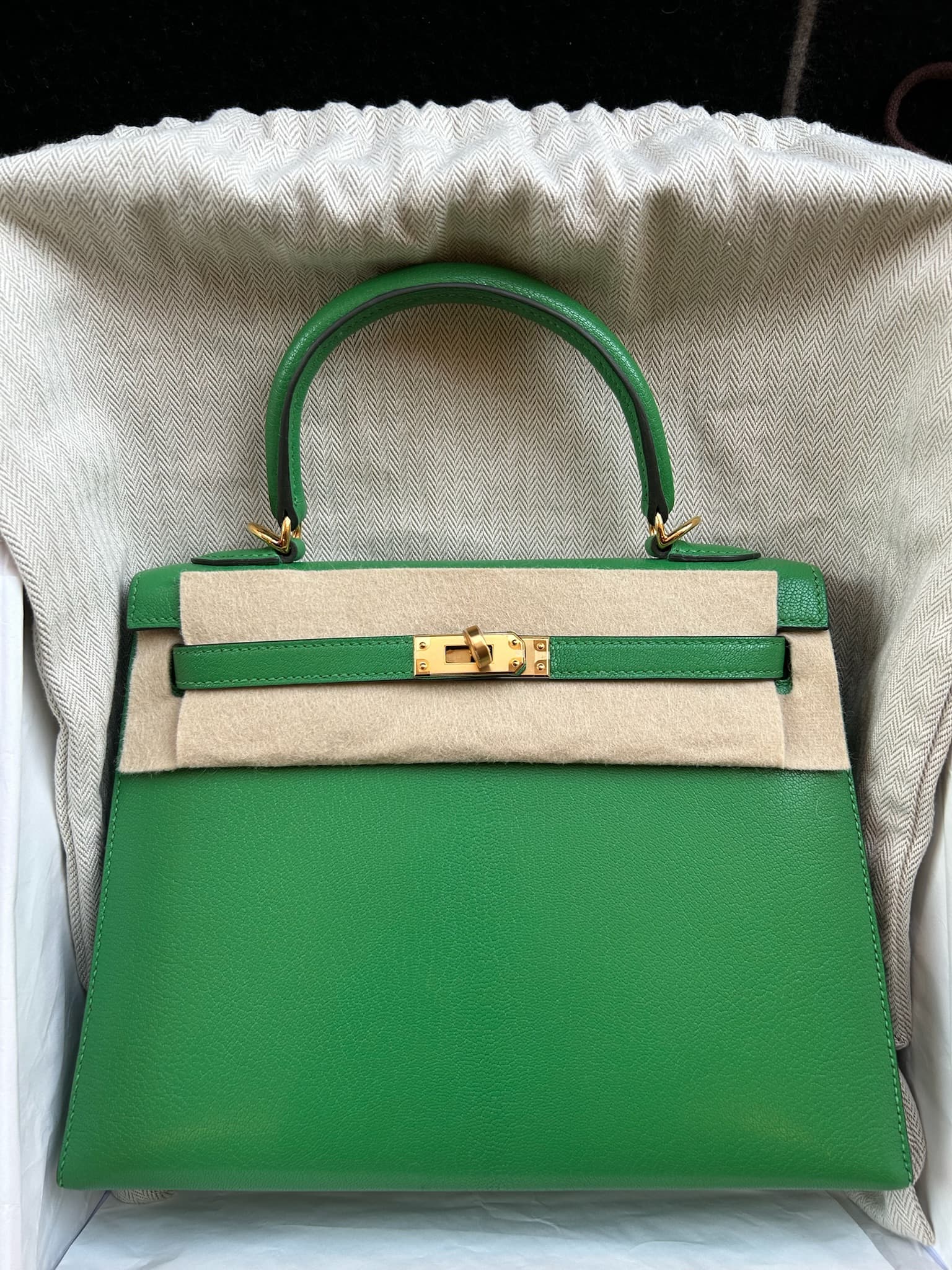 New
NewLooking for one in particular?
Send us the size, colour and hardware you have in mind. We reply within the hour with what is here, more photographs of any piece above, or the time it would take to source it.
Chèvre is goatskin, and it is the leather that people who already own several Hermès bags start asking for. It is not offered as widely as the calfskins, it appears more often on small pieces than large ones, and it has a following out of all proportion to how much of it the house makes.
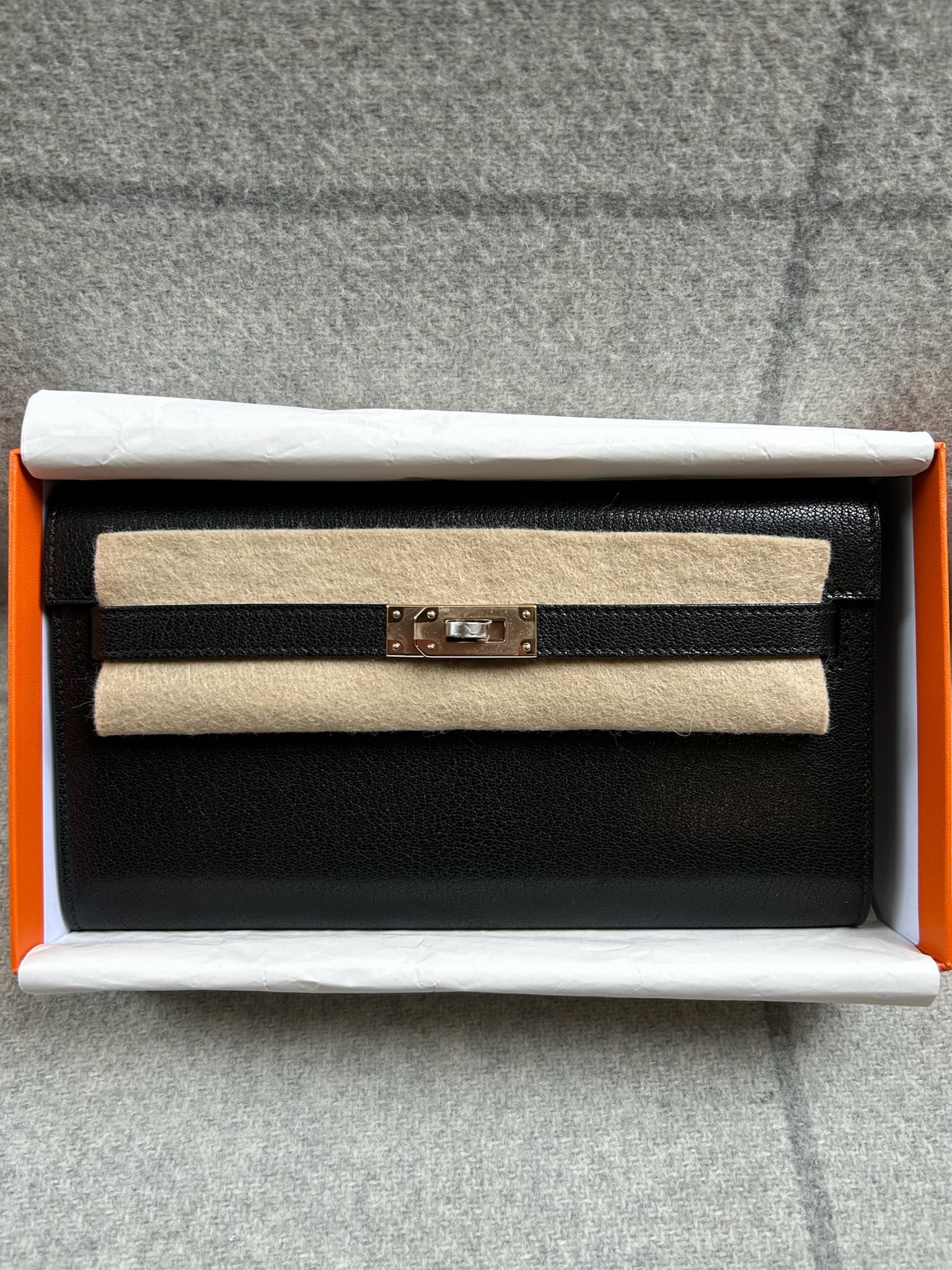
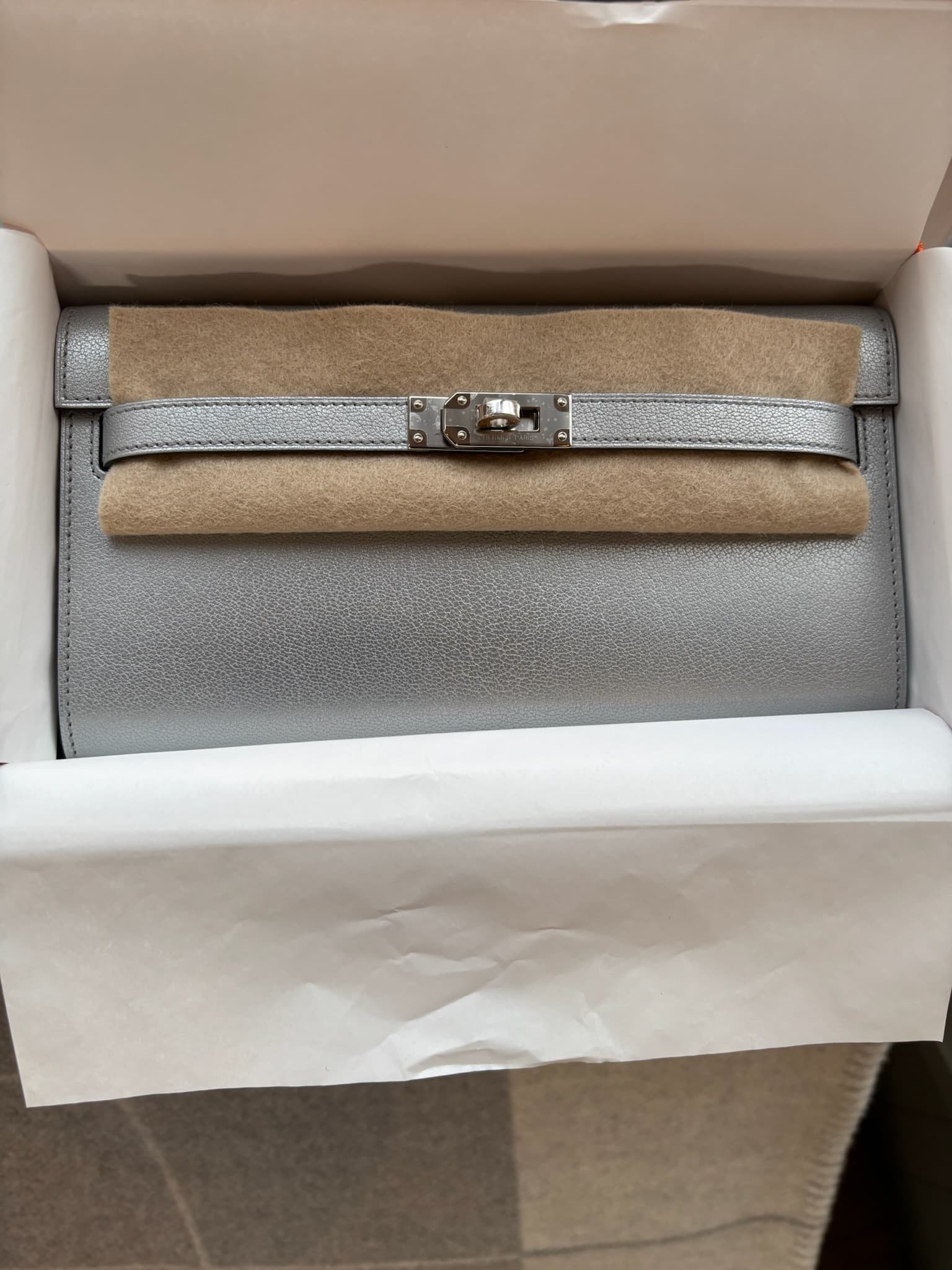
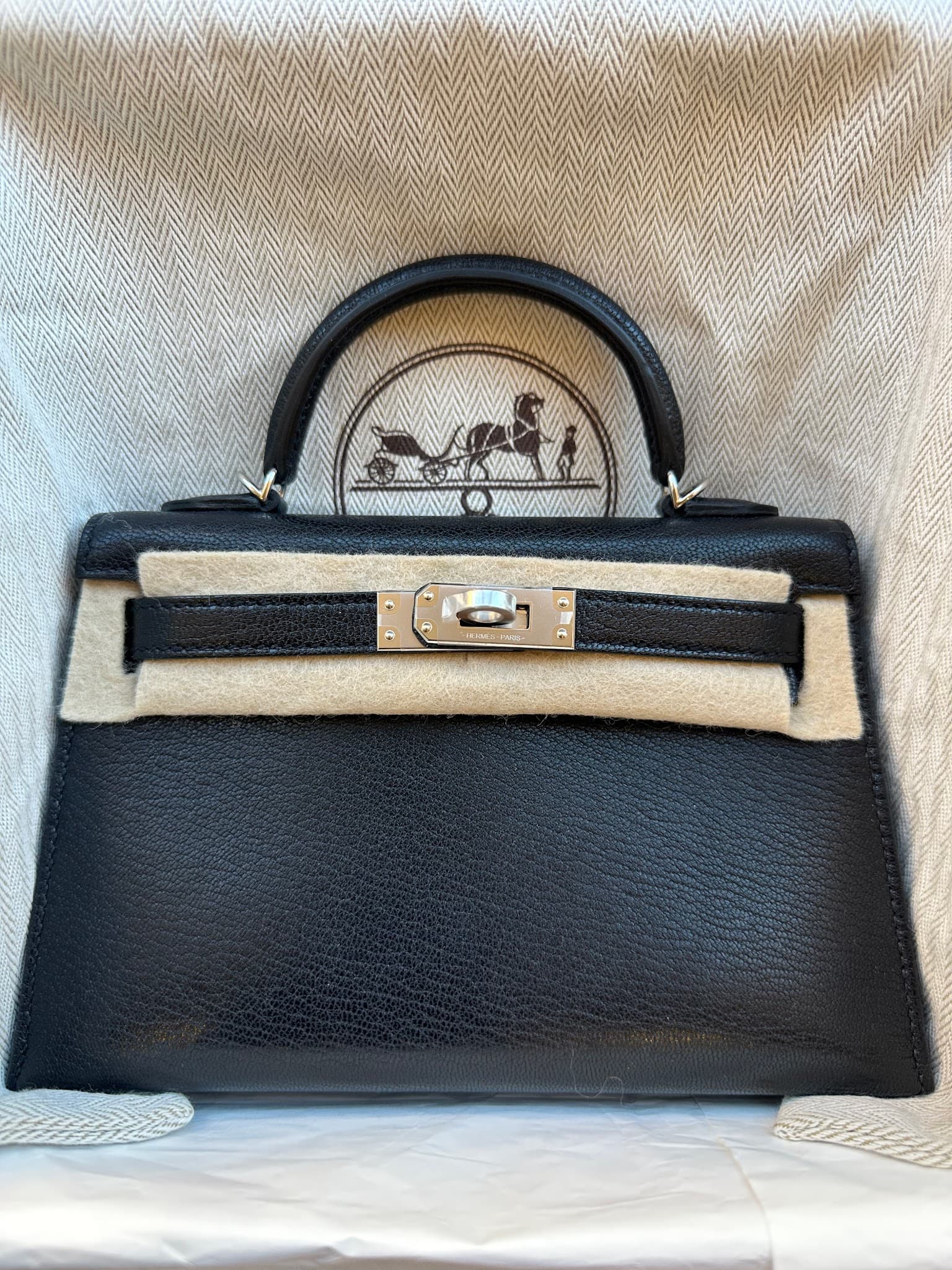
The grain is unmistakable once you have seen it: a fine, close ridge pattern that runs in a direction, with a faint natural sheen rather than a matte finish. Under light it moves slightly, which is why a Chèvre Kelly photographs differently at every angle and why it looks more alive than a matte leather in the same colour.
It is stronger and lighter than calfskin of the same thickness, which is the practical reason Hermès uses it for linings as well as exteriors. In a small bag that combination is close to ideal: a Mini Kelly or a Constance 18 in Chèvre holds its shape firmly, weighs almost nothing and resists scratching better than Swift or Box.
There are two kinds and the difference is worth knowing. Chèvre de Coromandel is firmer, more matte and holds structure best — the one you want in a Sellier or a small structured bag. Chèvre Mysore is softer, with more sheen and a slightly finer grain, and is used where suppleness matters. Listings frequently say only Chèvre; we state which where the piece tells us.
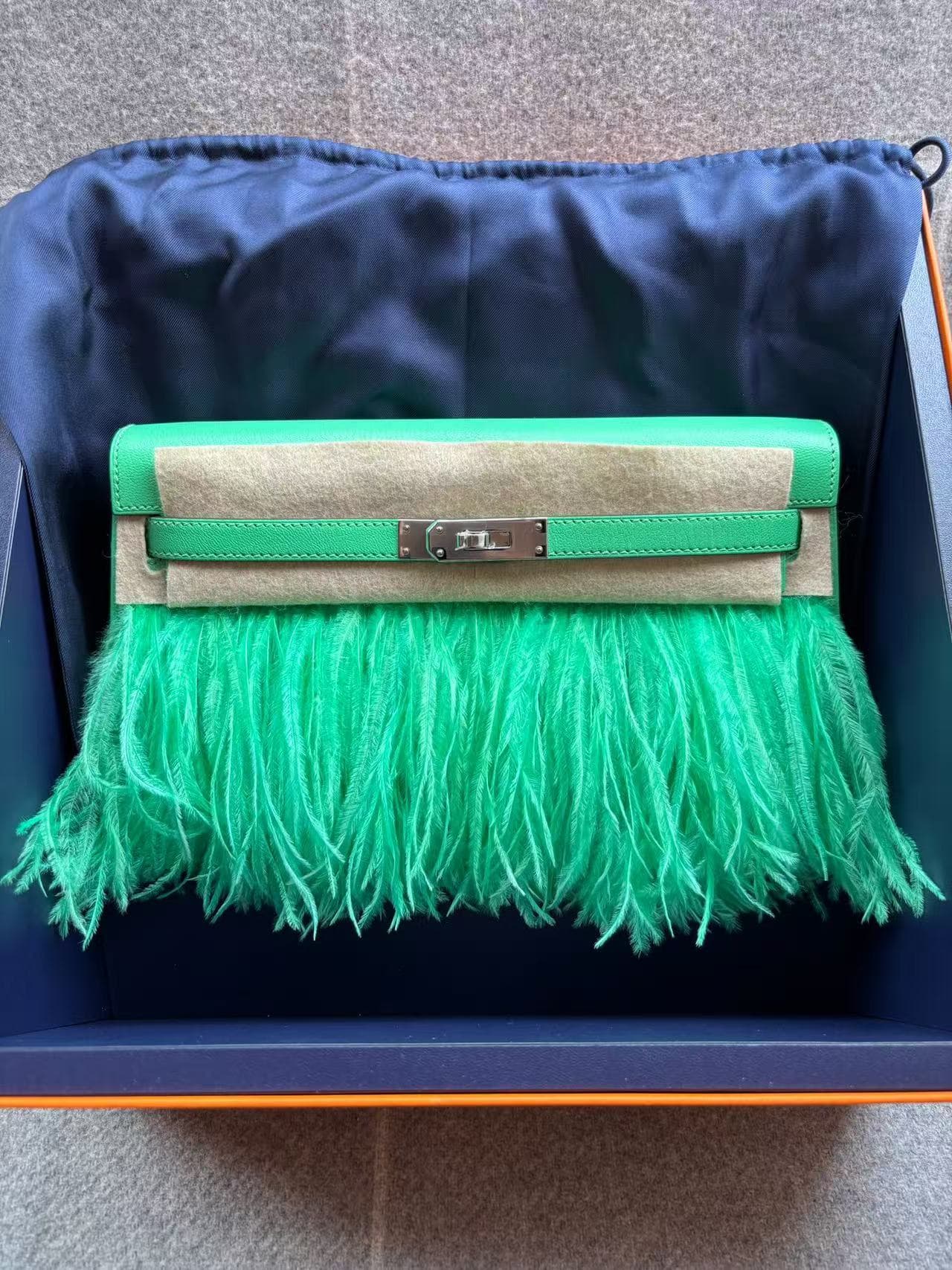
Colour on Chèvre sits between Togo and Swift. The ridged surface catches light so a shade reads brighter along the grain and deeper across it, giving a saturated colour a dimension it does not have on flat leather. Jewel tones — Rouge, Vert, the blues — are exceptional in it, which is part of why collectors hunt Chèvre in strong colours specifically.
Its scarcity is structural rather than accidental. Goat hides are smaller than calf, so large bags require a selection process that rules most of them out, and Hermès has never produced Chèvre in the volume it produces Togo. A Chèvre Birkin is genuinely uncommon; a Chèvre Kelly 25 in a good colour rarely reaches a second owner.
On condition, Chèvre wears well and honestly. The ridge grain hides light scratches almost as well as Togo, and the natural sheen deepens rather than dulls with handling. What to look at is the edges, where any leather thins first, and the corners on structured pieces.
Every Chèvre piece at JULL is inspected by hand in our London workroom — grain direction and sheen, edges, corners, stamp, hardware and interior — and we say which variety it is where the piece allows. Pieces are new, unworn and pre-owned, sourced through European boutiques below boutique retail where the market allows. Shown by appointment in London, filmed in detail for clients elsewhere, delivered insured across the UK.
Questions, answered
What is Chèvre leather?
Goatskin, with a fine ridged grain that runs in a direction and a faint natural sheen. It is stronger and lighter than calfskin of the same thickness, which is why Hermès uses it for linings as well as exteriors.
What is the difference between Chèvre de Coromandel and Mysore?
Coromandel is firmer, more matte and holds structure best, so it suits Sellier and small structured bags. Mysore is softer with more sheen and a finer grain. Listings often say only Chèvre; we state which where the piece allows.
Why is Chèvre so hard to find?
Goat hides are smaller than calf, so large bags require a selection that rules most of them out, and Hermès has never made Chèvre in Togo volumes. A Chèvre Birkin is genuinely uncommon and a Chèvre Kelly 25 in a good colour rarely reaches a second owner.
Is Chèvre durable?
Very. It is stronger than calfskin of the same thickness, the ridge grain hides light scratches almost as well as Togo, and the natural sheen deepens rather than dulls with handling. Edges are where any leather thins first.
Why do collectors want Chèvre in bright colours?
Because the ridged surface catches light, so a shade reads brighter along the grain and deeper across it. Jewel tones gain a dimension they do not have on flat leather, which is why Rouge, Vert and the blues in Chèvre are specifically hunted.
Is Chèvre good for a small bag?
It is close to ideal. A Mini Kelly or Constance 18 in Chèvre holds its shape firmly, weighs almost nothing and resists scratching better than Swift or Box.
Can’t find it? We’ll source it.
Tell us what you’re looking for — model, colour, leather, size — and our team will find it for you, usually within days.
Start a Search