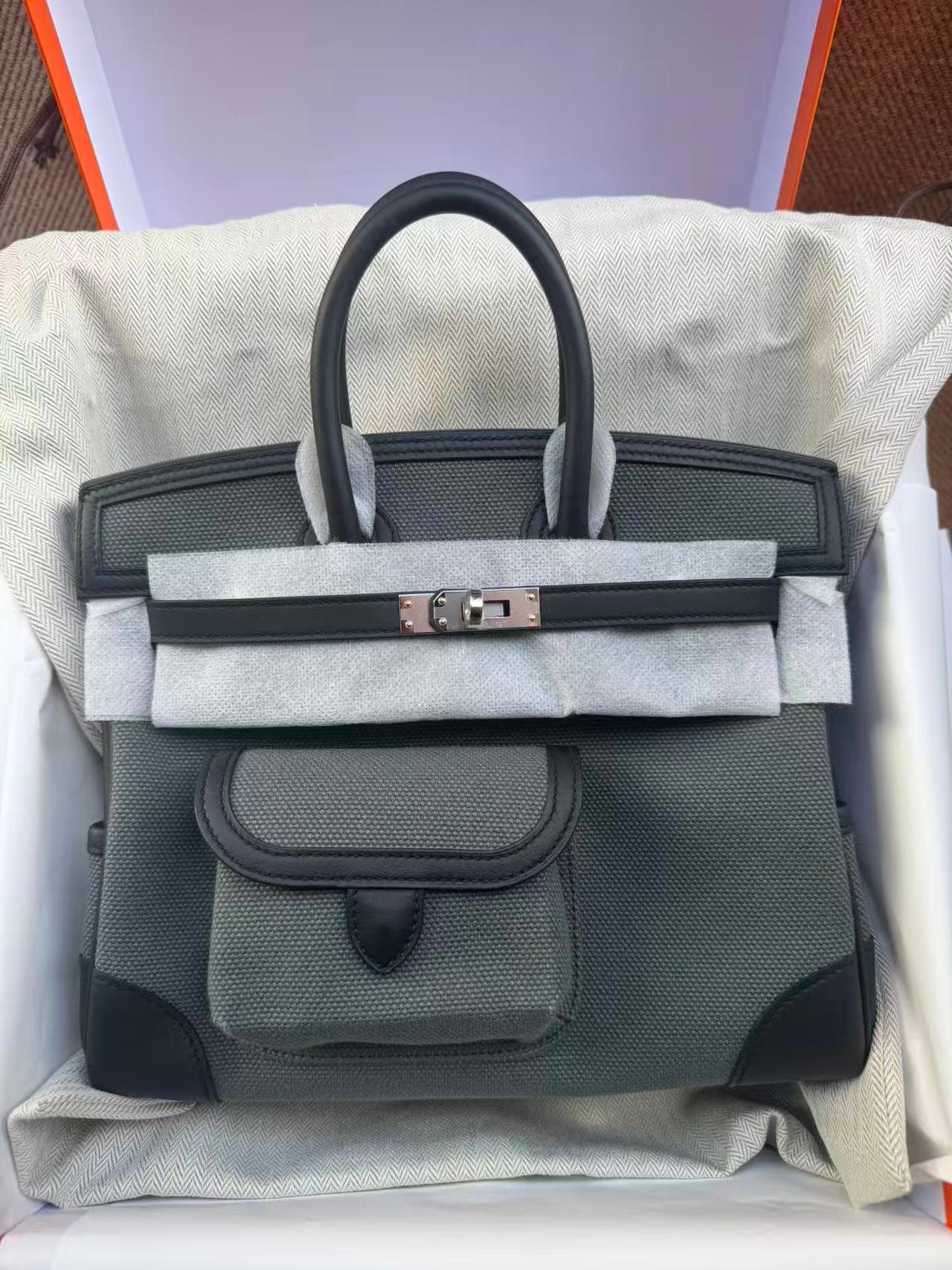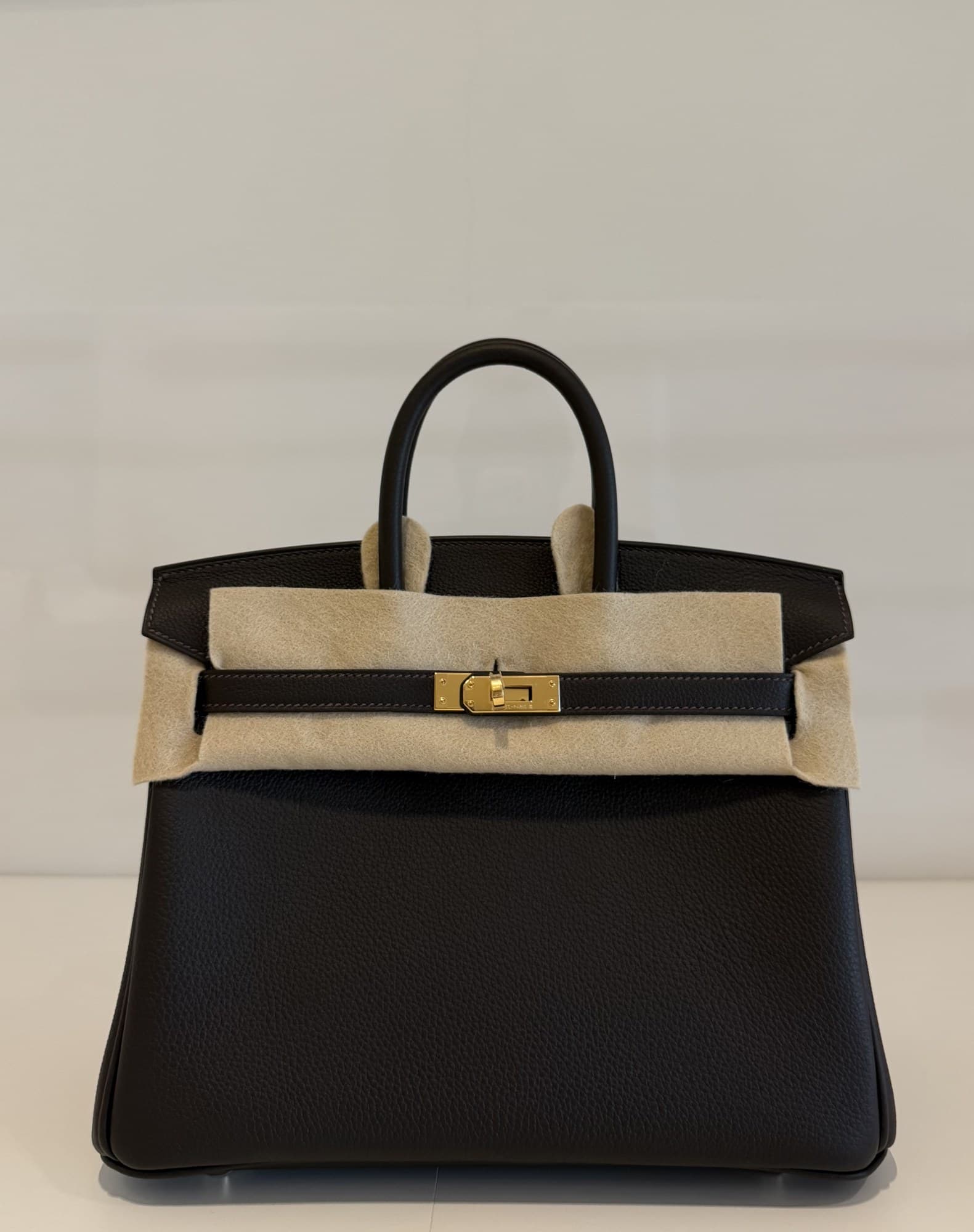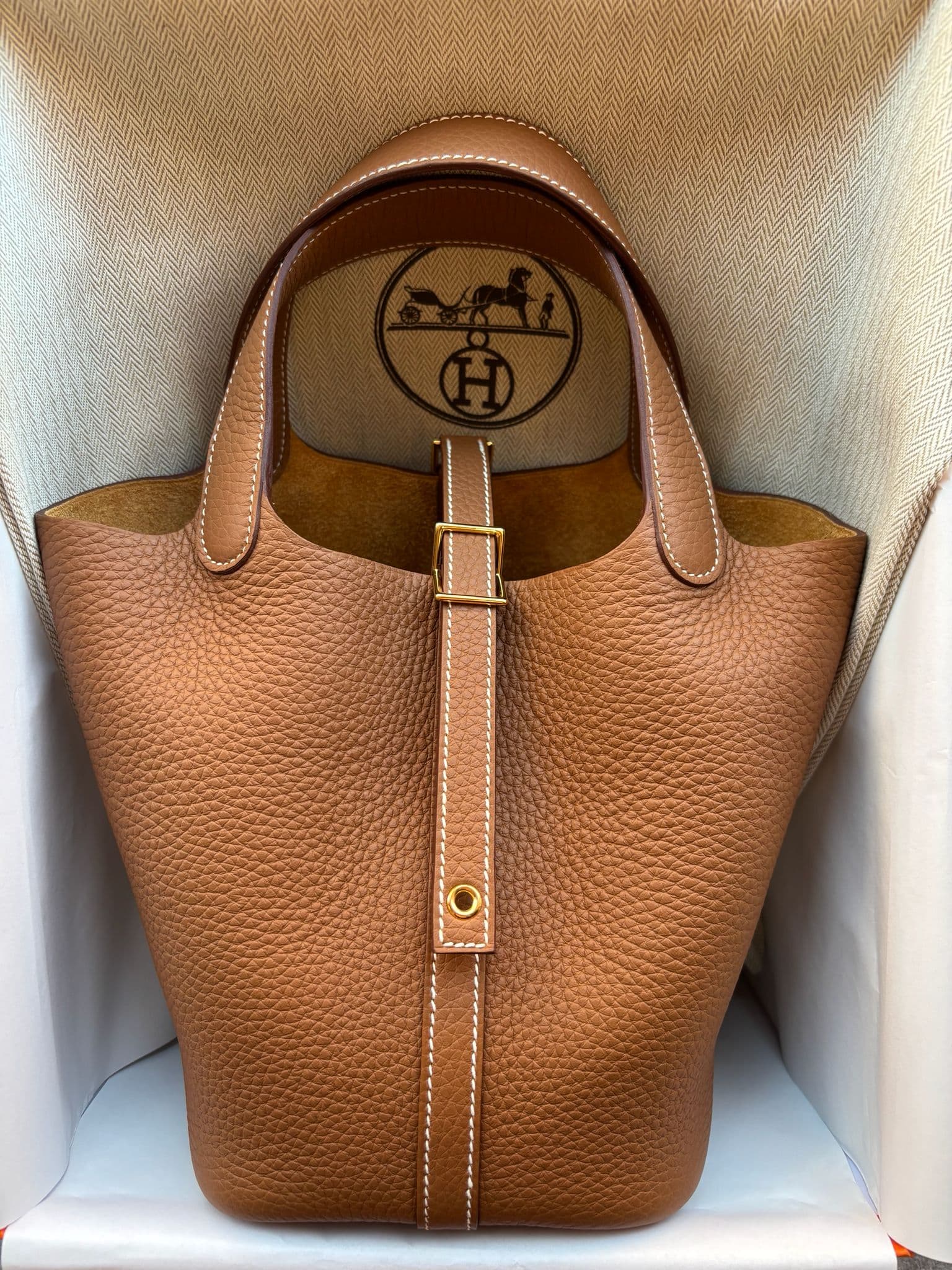
The auction catalogue is seductive: museum lighting, provenance notes, an estimate that undercuts the dealers. Sometimes the hammer even lands where the estimate promised. But comparing a hammer price to a dealer price is comparing two different products — and the differences are exactly where the money hides. Here is the honest ledger.
What auctions genuinely offer
Rarity and price discovery. The great houses surface pieces nobody's stock list holds — vintage Kellys with documented provenance, discontinued exotics, Himalayan-grade rarities — and a fair auction is the purest reading of what the market will pay on a given afternoon. For collectors hunting the unrepeatable, the salerooms are unskippable.
The costs the estimate hides
The hammer price is not the price. Buyer's premium adds roughly a quarter on top at the major houses; online-bid fees, VAT on the premium, shipping and — for overseas lots — import charges follow. A lot hammered at 14,000 pounds lands somewhere near 18,000 by the time it reaches your hall. The estimate that undercut the dealer usually does not survive the invoice.
Condition: as seen, as is
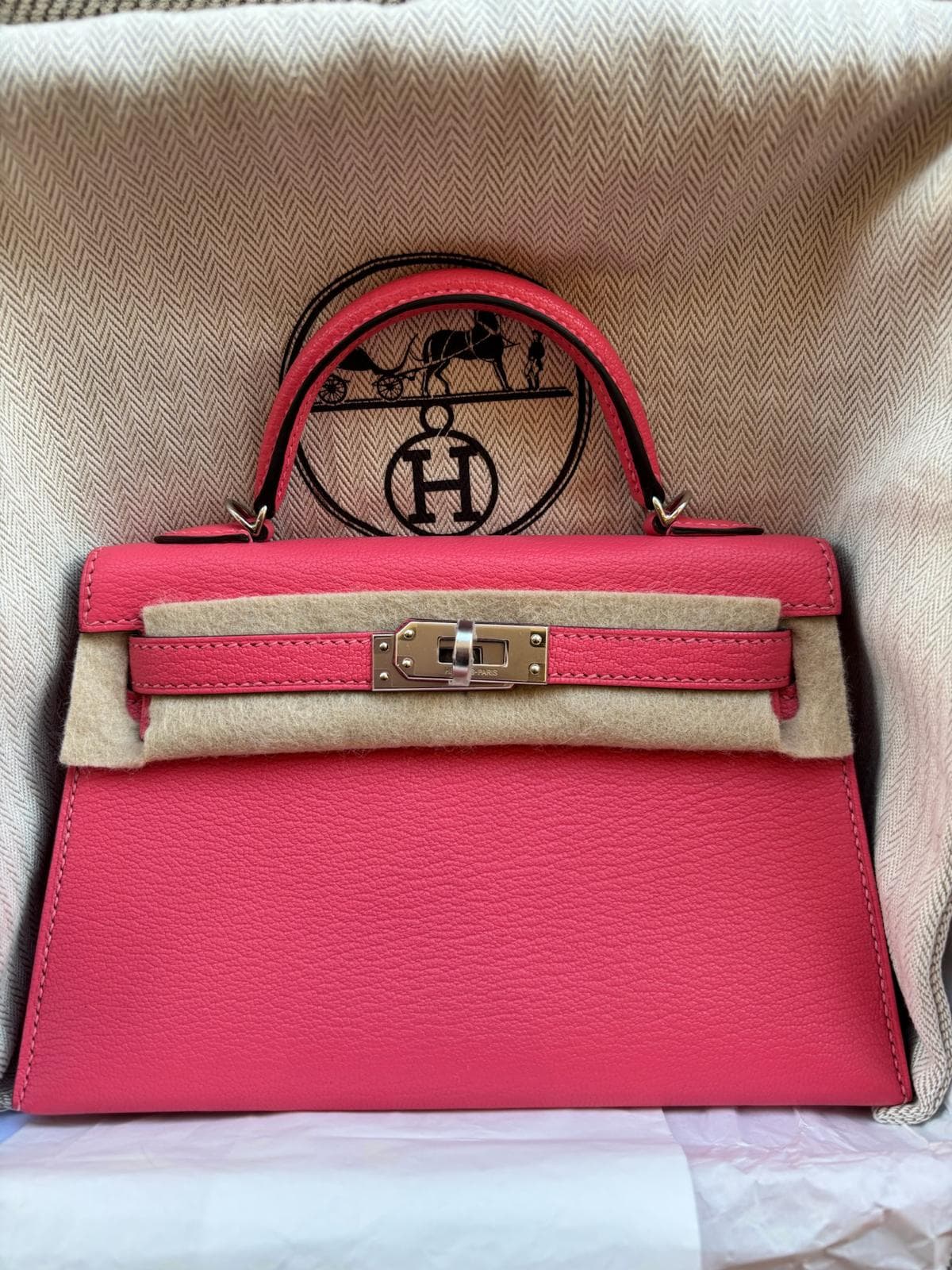
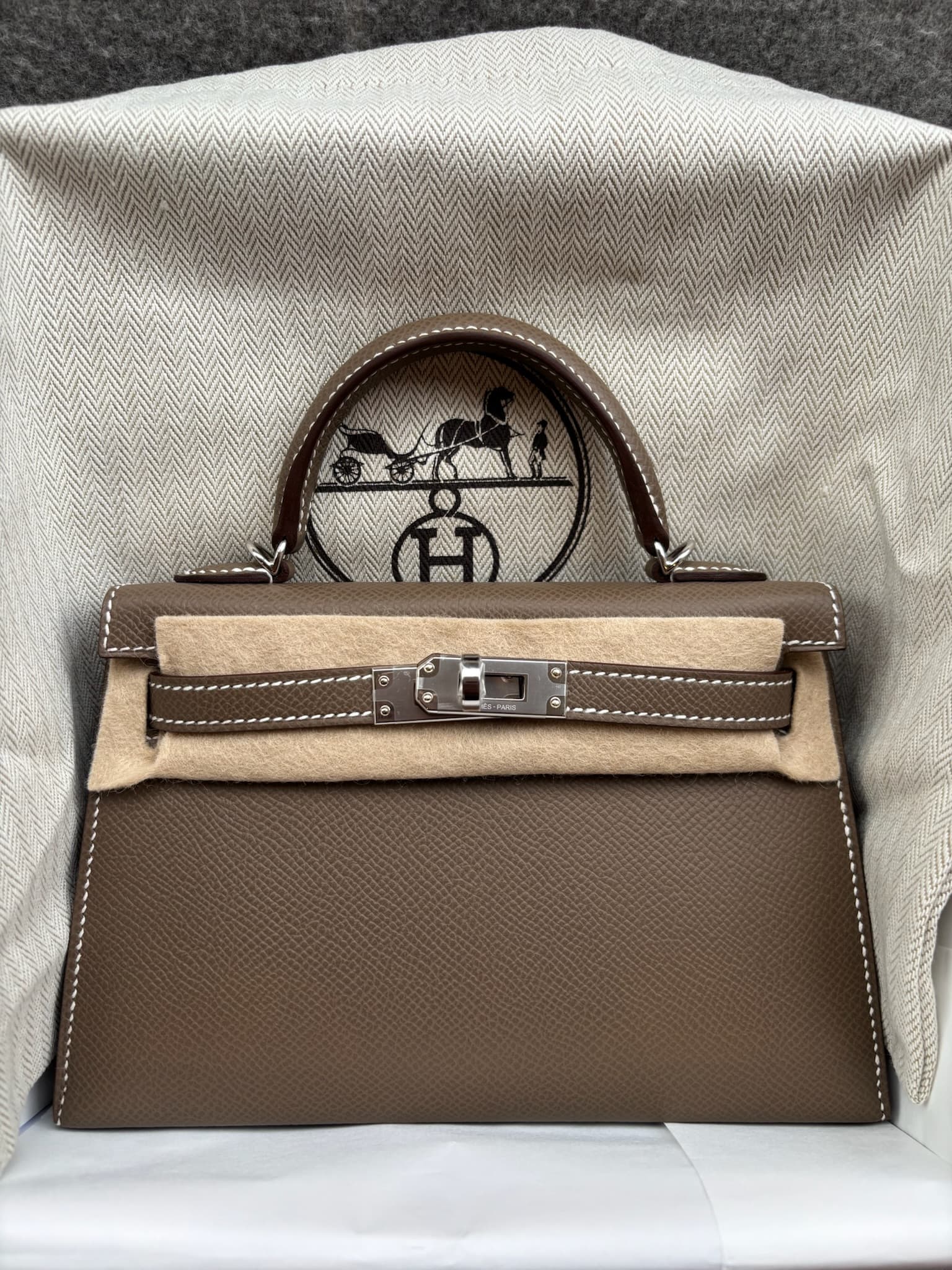
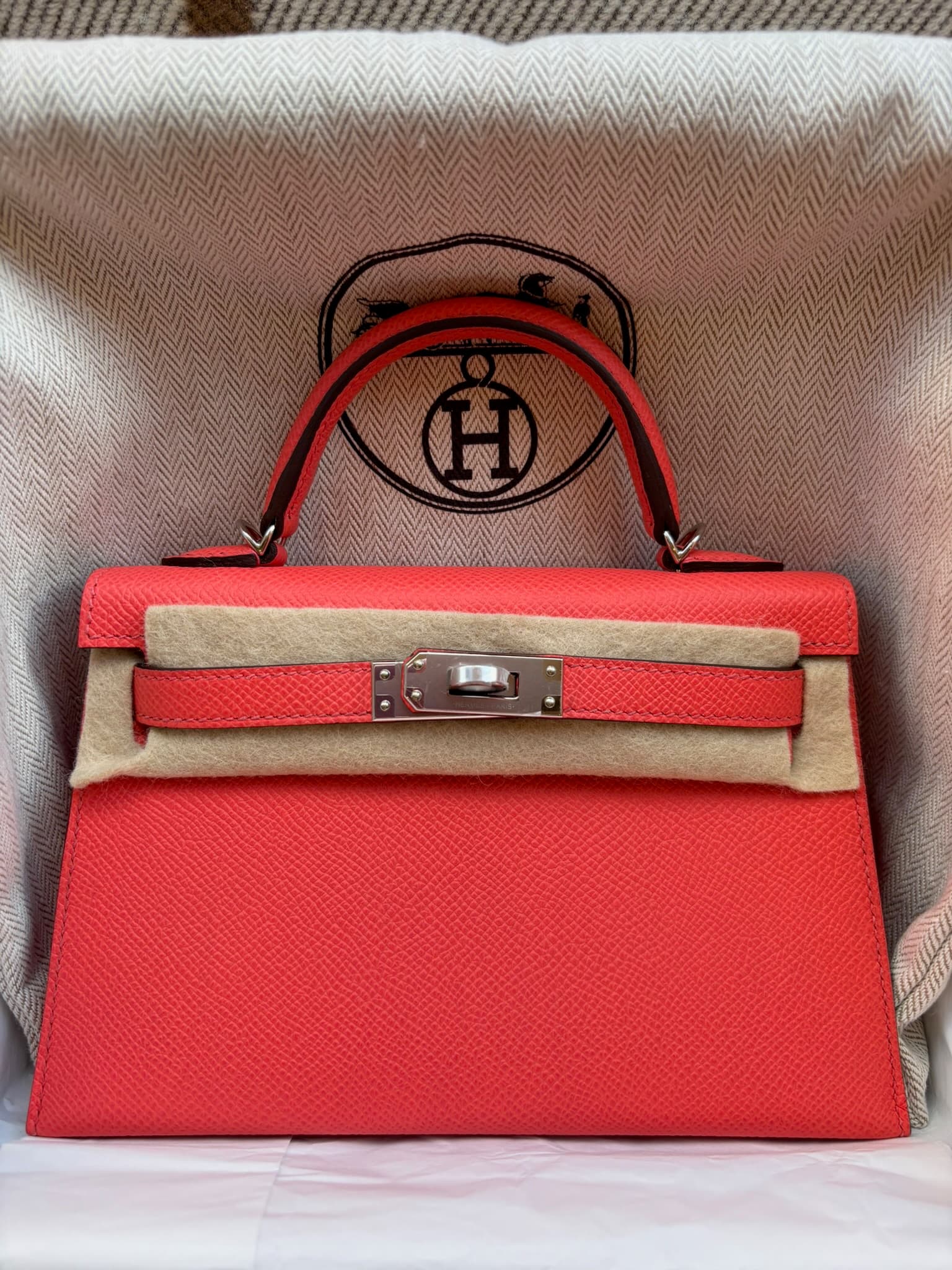
Auction lots sell as described, and descriptions compress: a condition report is a paragraph, not a return policy. Corners, odour, spa history, hardware wear — you inherit whatever the paragraph missed, with no recourse once the hammer falls. A specialist listing photographs the exact bag from every angle before you pay, and stands behind its authentication with a written guarantee: with us, proven inauthentic means refunded in full.
Time and certainty
An auction is a date and a maybe: you wait for the sale, you may be outbid, and the piece you researched belongs to someone else by teatime. The specialist market is an inventory: on byjull.com, over two hundred pieces are priced and available the moment you decide — Birkins, Kellys, exotics — reservable with a 25% deposit and delivered insured within days, not seasons.
There is a third route that the auction-versus-dealer debate usually skips: consignment with a specialist. You keep ownership until the sale, there is no buyer’s premium eating into what the bag can achieve, and at JULL the sum you receive is fixed in writing before the bag goes on the floor rather than calculated after a hammer price nobody controls. The terms are on Consign your Hermès with JULL.
The honest verdict
Buy at auction when the piece is genuinely unobtainable elsewhere and you can price the premium, the risk and the wait into your bid. Buy from a specialist when you want a specific, verified, guaranteed bag — this one, in this condition, now. Most collections end up using both; most first icons should come from the second.
Frequently asked questions
Is it cheaper to buy a Birkin at auction?
Sometimes at hammer, rarely at invoice. Add roughly 25% premium plus fees and shipping before comparing to a dealer price.
Are auction Hermès bags authenticated?
The major houses vet consignments, but the sale is as-seen and recourse after the hammer is limited. A specialist guarantee is written and survives the purchase.
Can I return an auction purchase?
Generally no — auction sales are final in a much harder sense than dealer final-sale policies, which at minimum guarantee authenticity.
When is auction the right call?
Documented vintage, discontinued exotics, provenance pieces — the unrepeatables. For current-range icons in strong condition, the specialist market is faster, safer and usually no dearer once fees are counted.