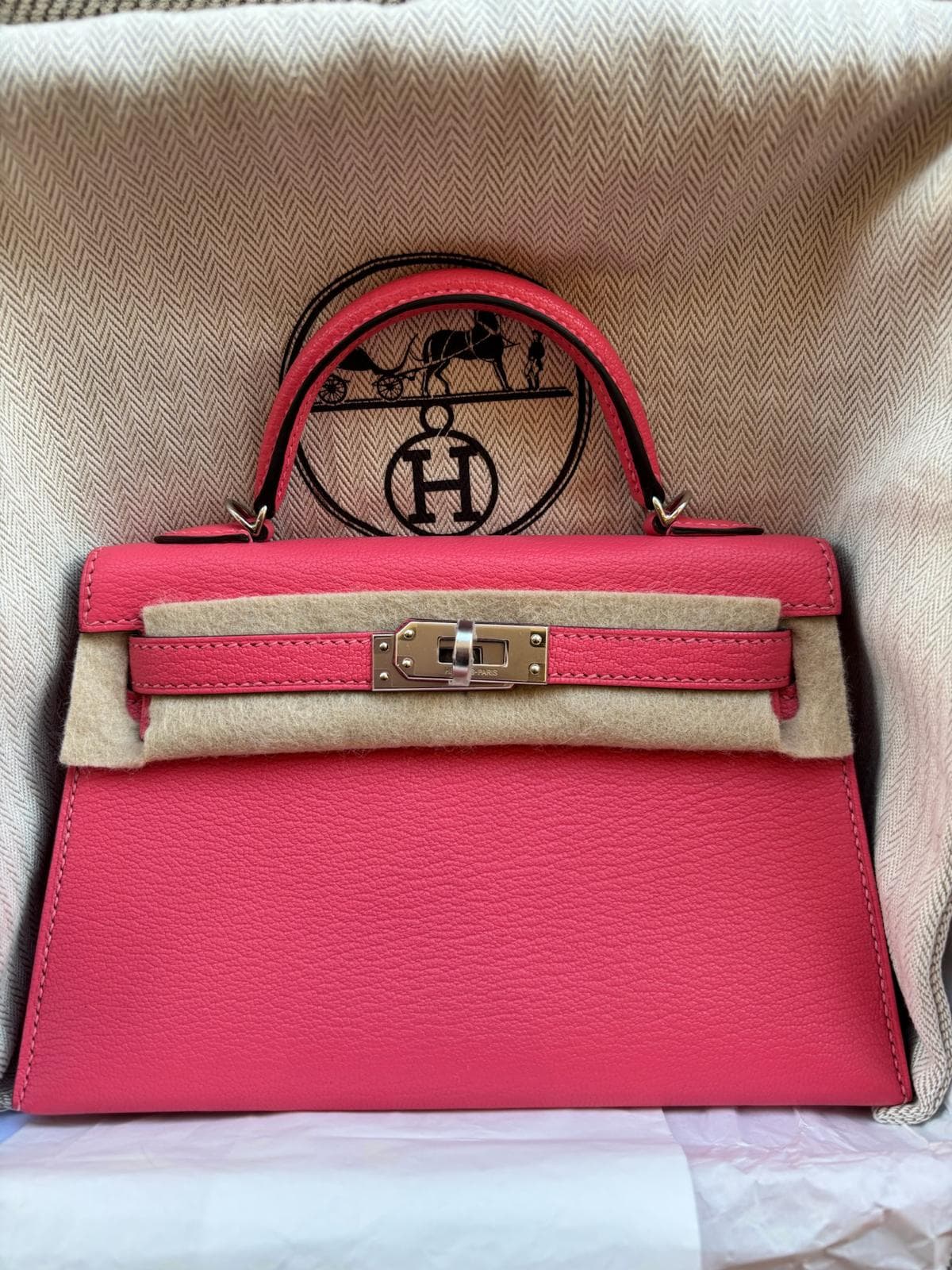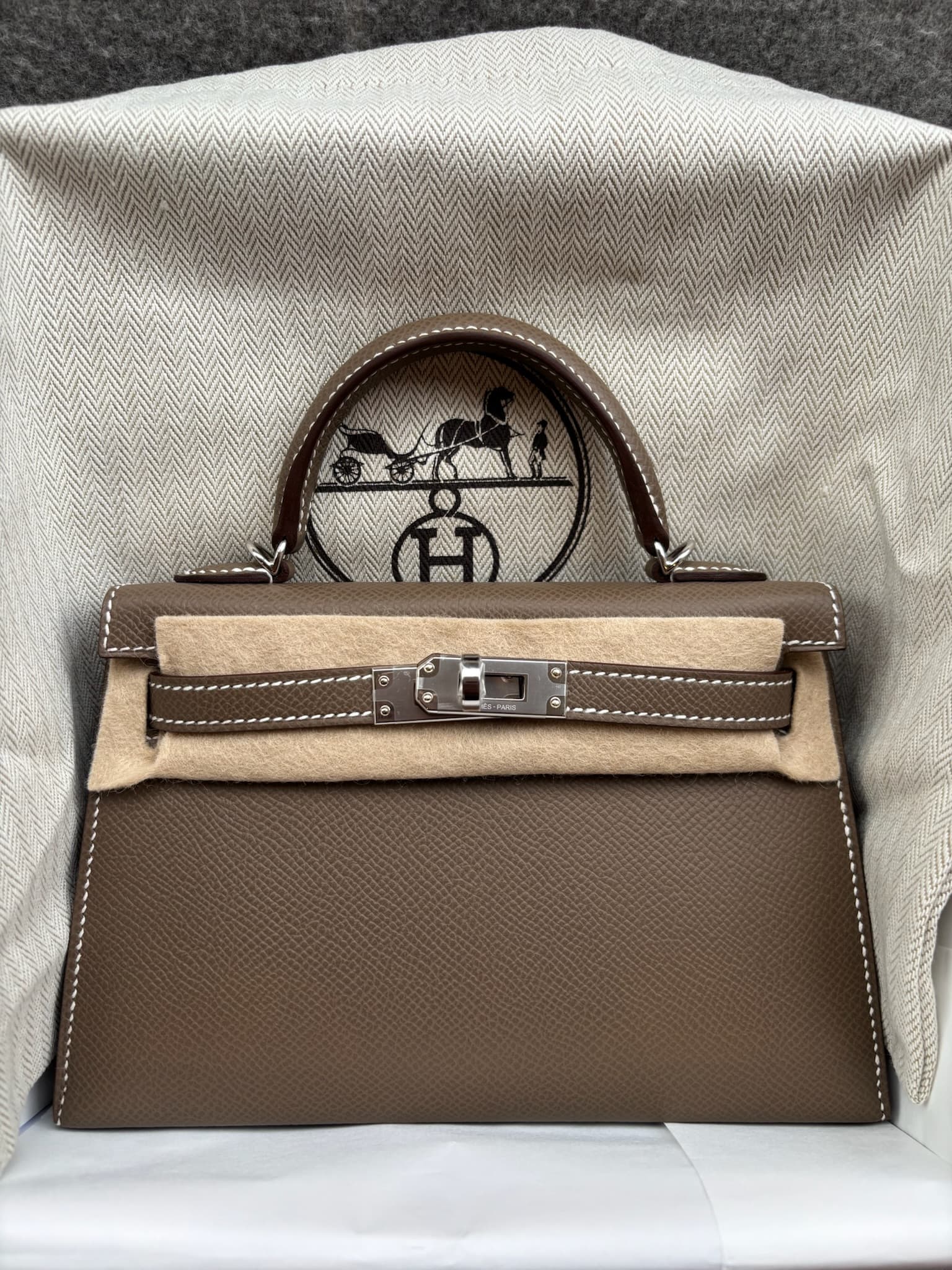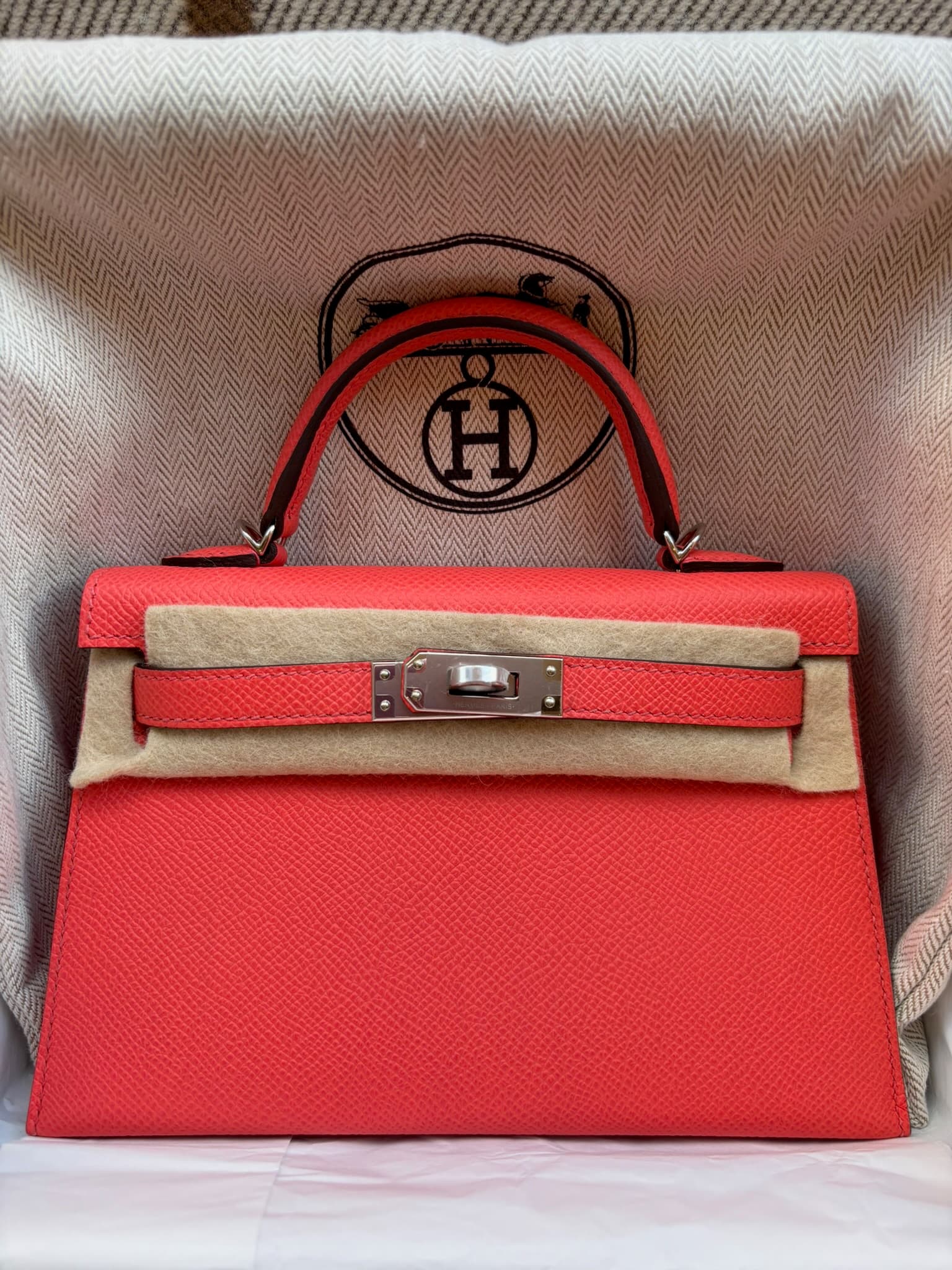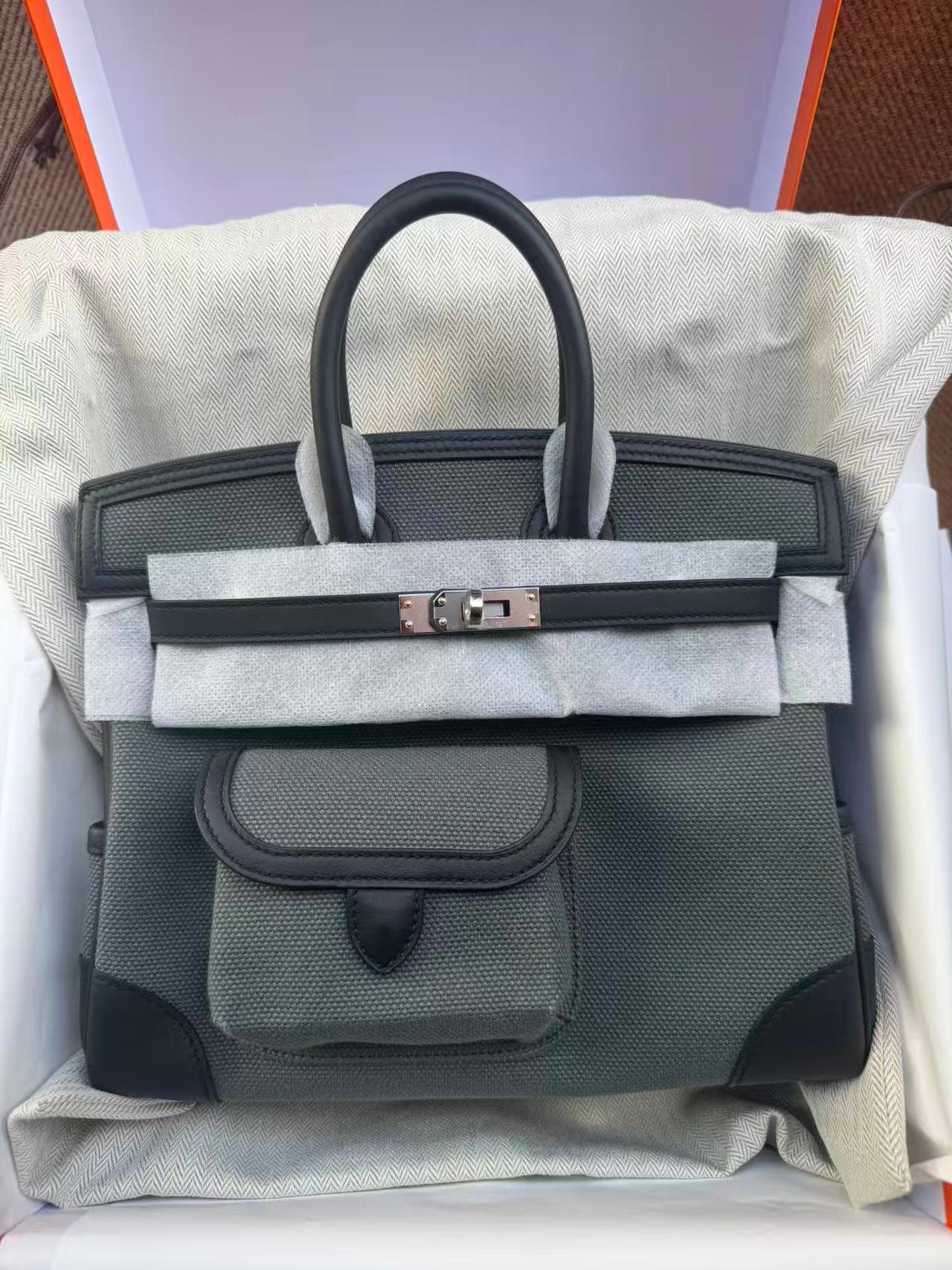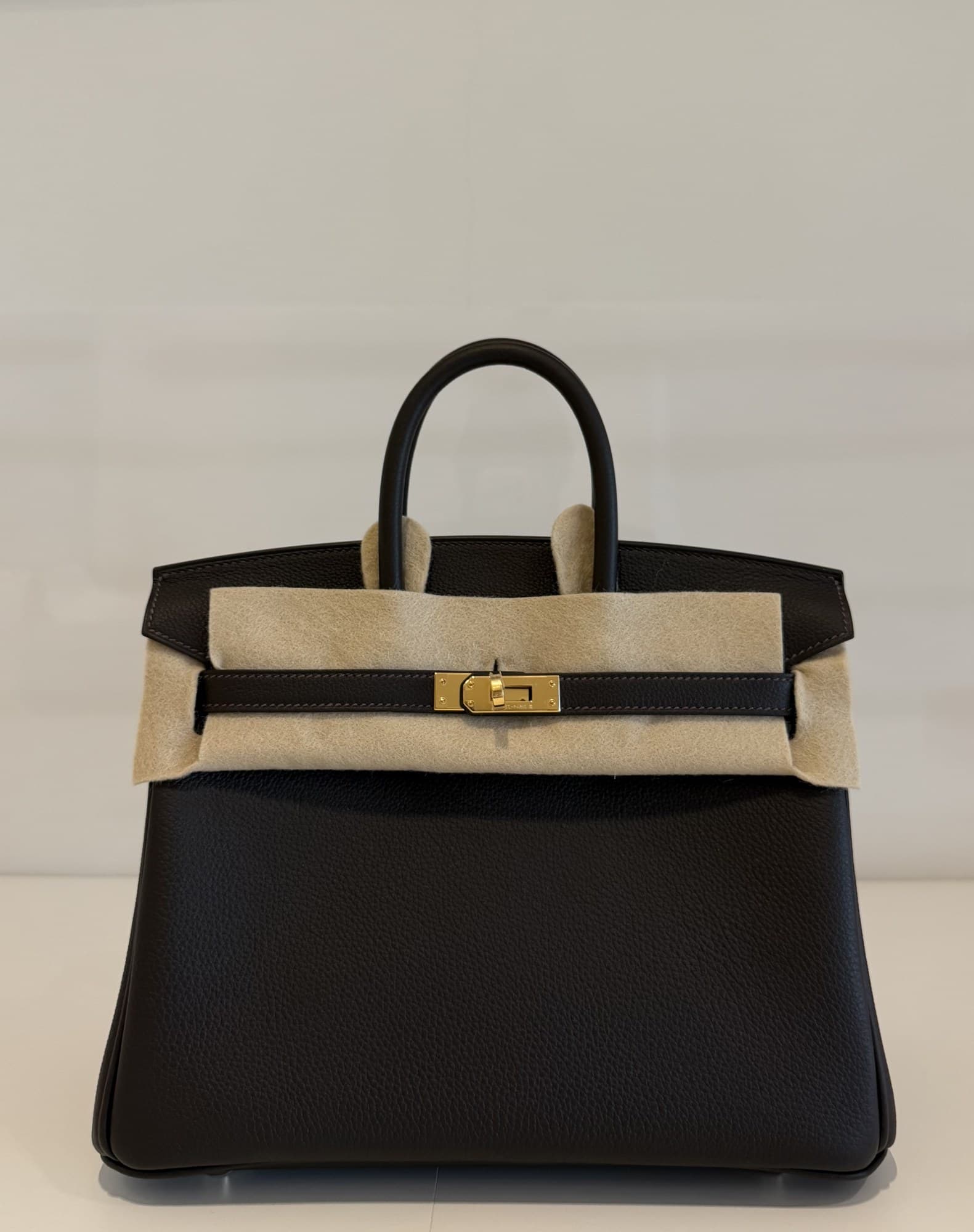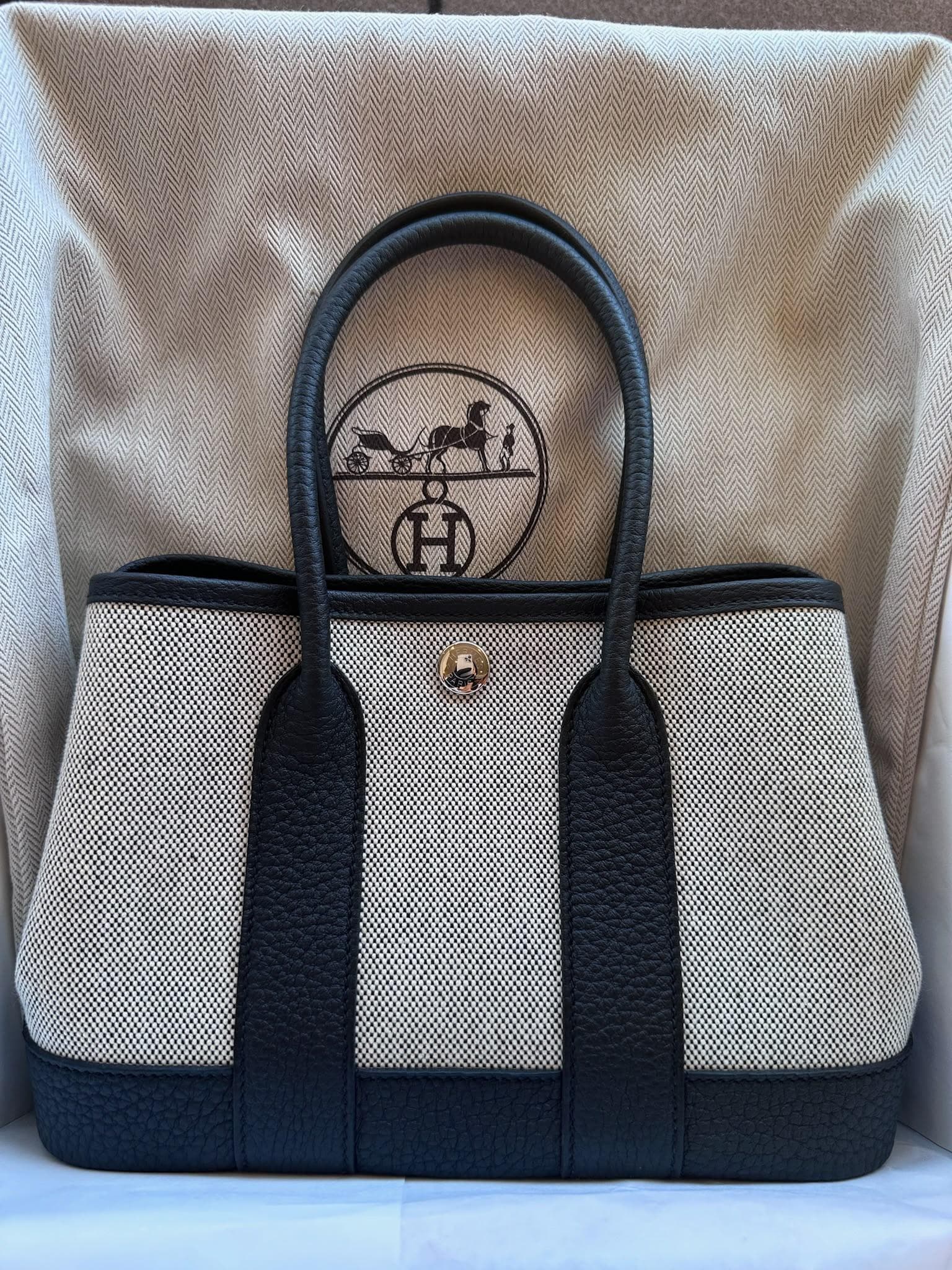
It is the question every serious Hermès buyer asks eventually, usually while planning a holiday: should I just buy it abroad? The folklore is well established. Paris is the motherland and "always cheapest." Dubai is tax-light and glamorous. London, since it scrapped tax-free shopping, is supposedly the worst value of the three.
Like most folklore, it contains a grain of truth wrapped in a great deal of outdated assumption. We are a London Hermès specialist, so you might expect us to argue for London — but our clients fly constantly between all three cities, and they deserve the real arithmetic. So here it is: the honest, number-by-number comparison for 2026, including the parts the folklore leaves out — VAT rules that changed, allocation realities that make the "cheapest" boutique price theoretical, and the scenarios where each city genuinely wins.
The Baseline: What Hermès Charges Where
Hermès operates regional pricing, adjusted at the January increase each year. After the January 2026 rise — which ran between roughly 4% and 10% across the range — the reference bag, a Birkin 25 in Togo leather, sits approximately here:
| Market | Boutique price (B25 Togo, 2026) | In pounds (approx.) |
|---|---|---|
| Eurozone (Paris) | €9,600 | ~£8,200 |
| UK (London) | c. £10,000 | £10,000 |
| UAE (Dubai) | c. AED 40,000–45,000 | ~£8,700–£9,700 |
| USA (for reference) | $13,500 | ~£10,500 |
Figures are approximate, based on reported 2026 pricing; exchange rates fluctuate daily and Hermès adjusts regional prices periodically.
At sticker level, then, the folklore holds: Paris is cheapest, Dubai close behind, London carries a premium, and America — whose buyers increasingly shop in Europe for exactly this reason — pays the most. If the analysis stopped here, you would book the Eurostar. It does not stop here.
The VAT Plot Twist: 2026 Is Not 2019
Paris. France still operates détaxe for non-EU residents: spend over €100, export the goods within three months, and reclaim VAT. On luxury goods the practical refund lands around 12% after processing fees. For a UK resident — since Brexit made Britons non-EU visitors — a €9,600 Birkin can effectively become roughly €8,450 (~£7,200). This is the strongest single number in the entire comparison, and it is why Paris keeps its crown on paper. Note the direction of travel, however: France has been steadily tightening détaxe administration, refunds are processed electronically via Pablo kiosks, and customs can and do inspect.
London. The UK withdrew the VAT Retail Export Scheme on 1 January 2021. Tourists can no longer reclaim the 20% VAT on goods they carry home, which at a stroke removed London's historic advantage for visiting buyers. One exception survives: the "shop and ship" direct-export route, where the retailer ships the purchase directly to a non-UK address and VAT is removed at source — but Hermès boutiques do not operate as a mail-order VAT-stripping service, so for practical purposes assume the sticker price is the price. British buyers, of course, pay VAT-inclusive prices in all three cities unless they emigrate; for us, London's sticker is simply what a Birkin costs.
Dubai. The UAE levies just 5% VAT, and tourists can reclaim most of it (around 85% of the VAT paid) through the airport refund scheme. But 5% of little is little: the refund on a Birkin is a few hundred pounds, not the four-figure swing Paris offers. Dubai's real historic draw was pricing set competitively against Europe plus an absence of the crowds — both of which have eroded as the Gulf became one of Hermès's strongest regions.
The Number Nobody Prints: Your Odds of Actually Buying the Bag
Here is where the folklore collapses entirely. Boutique price comparisons assume you can walk into the boutique and buy the bag. For quota bags — Birkins and Kellys — you almost certainly cannot.
In Paris, the Faubourg Saint-Honoré and George V boutiques run an appointment lottery for leather; visitors queue digitally at dawn for the chance to ask, and walk-in tourists are offered quota bags approximately never. The bags go to established clients with purchase history — the system we dissect in our allocation explainer. In Dubai, Mall of the Emirates and Dubai Mall boutiques hold no quota stock on the floor at all; allocation goes to resident clients whose spend histories are, by regional standards, formidable. London's Bond Street and Harrods operate identically.
So the true cost of the "cheap" Paris Birkin includes: flights and hotels for possibly multiple trips, thousands of euros of prespend on ancillary purchases to build a profile (money well spent only if you wanted the scarves and homeware anyway), months to years of relationship-building, and no guarantee of the spec — or the bag — at the end. The €1,000 saving against London assumes a purchase that, for a visitor, is close to a lottery win. As we put it to clients: the boutique discount is real, but it is denominated in a currency called patience, and the exchange rate is terrible.
The Secondary Market: Where the Three Cities Actually Compete
For the bag you want, in the spec you want, this month — the comparison that matters is between the three cities' secondary markets. And here the picture inverts.
London is quietly the best secondary market of the three for buyers. Deep stock from European collectors, professional authentication culture, consumer protection law with teeth, and — crucially — prices in a currency that has spent 2026 favouring dollar- and dirham-based buyers. At JULL our Birkin gallery and Kelly gallery show exactly what is in the Chelsea Harbour stock room today, priced, authenticated and available to view this week — a sentence no boutique in any of the three cities can say about quota bags.
Paris has a romantic vintage scene — the great consignment houses of the Marais — genuinely excellent for older and collectible pieces, less sharp on price for modern quota specs, where asking prices reflect the tourist premium.
Dubai has a fast-growing, energetic resale market with spectacular exotics — the region loves crocodile — but wider price dispersion and a caveat-emptor culture that makes authentication discipline essential. If you buy there, insist on in-person inspection and independent verification; our authentication guide sets out the checks, and the same checks apply wherever you shop.
The Full Cost Worksheet: What the "Cheap" Bag Really Costs
Because our clients keep asking us to run this arithmetic, here it is as a worksheet — the fully-loaded cost of a Birkin 25 Togo by route, for a London-based buyer, mid-2026:
| Route | Sticker | Adjustments | Realistic all-in | Timeline |
|---|---|---|---|---|
| Paris boutique | €9,600 (~£8,200) | –12% détaxe; +2–3 trips (~£1,500+); +prespend £5,000–£15,000 | £13,000–£23,000* | 1–3+ years, no guarantee |
| London boutique | ~£10,000 | +prespend £5,000–£15,000 | £15,000–£25,000* | 1–3+ years, no guarantee |
| Dubai boutique | ~AED 40–45k (~£9,200) | –~4% VAT refund; +flights/hotel; +prespend (resident-weighted allocation) | £14,000+* | Years; visitor odds poor |
| London secondary | market price | nothing hidden; bag inspected in person, same day | typically £11,500–£13,500 | this week |
*With the essential caveat that prespend buys real goods you keep — scarves, shoes, jewellery — so counting it fully against the bag is unfair if you wanted those things, and entirely fair if you didn't. That caveat is the honest crux of the whole comparison: the boutique route is a wonderful deal for people who love Hermès broadly, and an expensive obstacle course for people who want one specific bag.
Two further variables deserve a line each. Currency is the fourth city: the pound-euro and pound-dirham rates move several percent in a normal year — more than Dubai's entire VAT advantage — so for any cross-border purchase, the exchange rate on the day matters as much as the sticker. And customs is not optional: a UK resident bringing a Paris or Dubai bag home owes UK import VAT above the personal allowance; the détaxe saving shrinks materially once declared honestly, a detail the folklore always omits. (Undeclared is not a strategy we will ever recommend — penalties start at seizure.)
What About Tokyo, Hong Kong and New York?
The three-city question has classic answers further afield, worth a paragraph for completeness. Tokyo remains the connoisseur's tip when the yen is weak — pricing is competitive, boutique stock culture is unusually good, and the second-hand grade-A market (the great Ginza dealers) is the deepest on earth, though import VAT on return erodes the arbitrage. Hong Kong prices sit close to Europe with no sales tax, but allocation competition is the fiercest anywhere. New York, at $13,500 plus state sales tax for the reference bag, is now the most expensive major market in the world for Hermès — which is why American buyers dominate détaxe queues in Paris and, increasingly, the London secondary market, where their dollars stretch further than they have in years. Every route ultimately runs through the same bottleneck: not price, but allocation — the system we anatomise in our quota bag explainer.
The Verdict: Who Should Buy Where
Buy in Paris if: you are a non-EU resident, you already have (or are genuinely willing to build) a boutique relationship, you are patient, flexible on spec, and treat détaxe as a bonus rather than the plan. The 12% refund on non-quota purchases — silks, jewellery, shoes, the pieces you can actually buy on a first visit — is real money and makes Paris the best city in the world for starting an Hermès journey.
Buy in Dubai if: you live there — resident clients get allocations visitors never see — or you are hunting exotics on the secondary market and know your authentication. The VAT saving alone will not justify the trip.
Buy in London if: you want a specific quota bag, in a specific spec, without a multi-year campaign — which is to say, if you want the secondary market at its most professional. Post-Brexit sticker prices stung retail buyers, but they also pushed London's luxury trade to compete on what it could control: depth of stock, authentication rigour and service. For the visiting international buyer paying in dollars or dirhams, 2026 exchange rates have quietly made London pre-owned pricing more attractive than it has looked in years.
And the composite answer, for the buyer with no allegiance: start in Paris (profile, silks, détaxe), close in London (the actual bag, this week, verified). It is precisely the journey many of our clients make — often with us handling the London half as their personal shopper.
Three Client Journeys (Composite, and Instructive)
Abstractions convince nobody, so here are three journeys we see repeatedly, details blended for discretion.
The Paris romantic. A London client with family in France spends two years building a Faubourg profile — détaxe on every silk, a genuine friendship with her SA, real pleasure in the process. Year three: offered a Kelly 28, not the 25 she wanted, in a colour she'd never chosen. She accepted (correctly — see how allocation works), loves it now, and got her 25 fourteen months later. Fully-costed saving against London secondary: perhaps £1,500 across two bags. Her verdict: worth it for the story, not the spreadsheet.
The Dubai pragmatist. A Gulf-resident client with formidable boutique history buys quota bags at retail regularly — and still uses the London secondary market for discontinued colours and vintage, because no boutique on earth sells last decade's palette. His two channels answer different questions: retail for relationship bags, secondary for precision.
The time-poor Londoner. A City client wanted one bag — Birkin 25, black Togo, gold hardware — for a milestone birthday eight weeks away. No profile, no interest in building one. She viewed three examples in Chelsea Harbour on a Tuesday, chose one, and the entire journey from enquiry to carrying the bag took nine days. The premium over a theoretical retail price she was never going to be offered: irrelevant to her, and honestly to us. Different lives, different doors.
If you are selling rather than buying, see how JULL buys Hermès bags: a firm offer within 24 hours, outright or on consignment.
Frequently Asked Questions
Is Hermès cheaper in Paris than London in 2026? At boutique sticker level, yes: a Birkin 25 Togo retails around €9,600 (~£8,200) in Paris against roughly £10,000 in London, and non-EU visitors can reclaim around 12% via détaxe. In practice, quota bags are allocated to established clients, so the Paris discount is largely theoretical for visiting buyers.
Can tourists still claim VAT back on shopping in London? No. The UK ended tax-free shopping for visitors on 1 January 2021. The only surviving route is direct export — the retailer shipping goods to an overseas address VAT-free — which Hermès boutiques do not offer as standard practice.
Is it worth buying a Birkin in Dubai? UAE pricing is broadly comparable to Europe once the modest 5% VAT (mostly refundable to tourists) is accounted for, and quota bags are allocated to resident clients rather than kept in stock. Dubai's genuine strength is its secondary market in exotics — with appropriate authentication care.
Where is the cheapest place in the world to buy a Birkin? At retail: continental Europe, after détaxe, for non-EU residents — if you can secure an allocation. In reality, for a specific bag available immediately, a reputable secondary-market specialist is the honest answer, and price differences between London, Paris and Dubai resale stock are usually smaller than the differences in authentication standards and buyer protection.
Do I have to pay UK customs duty on a Birkin bought abroad? Yes — UK residents must declare goods above the personal allowance (£390 for most travellers) and pay import VAT at 20% on the full value. Declared honestly, this eliminates most of the Paris détaxe advantage on a Birkin-priced purchase. Non-declaration risks seizure of the bag and penalties — genuinely not worth it for a saving that was largely theoretical anyway.
Is Hermès cheaper in Tokyo or Hong Kong than in Europe? Sometimes — Tokyo when the yen is weak, Hong Kong through the absence of sales tax — but both advantages are usually smaller than currency movement over a few months, and both markets have ferocious allocation competition. Japan's real strength is its superb second-hand dealer culture rather than its boutiques.
Do Hermès prices go up every year? Effectively yes — January increases are near-ritual. The 2026 rise ran roughly 4–10% across the range. Every increase also lifts the value floor under well-kept pre-owned bags, which is one reason the resale market absorbs them so calmly. Our Hermès price guide tracks the full architecture.
---
JULL is a specialist Hermès personal shopping service in Chelsea Harbour, London. We source new, unworn and pre-owned Birkin, Kelly and other Hermès pieces through a private network across Europe and the Middle East — the bags, the specs and the honesty about pricing that boutiques cannot offer. Every piece is authenticated and available to view in person. Browse available bags or get in touch.