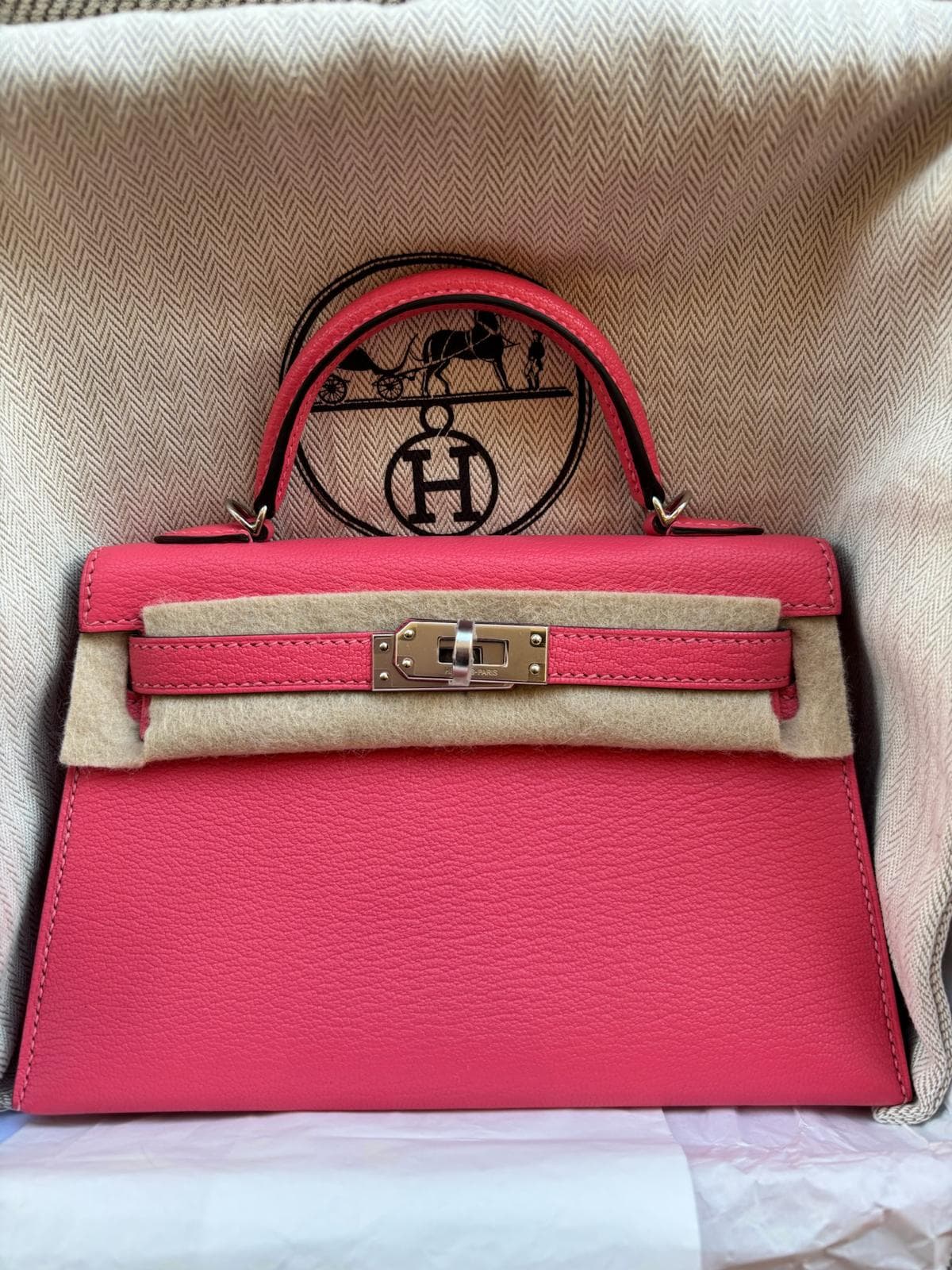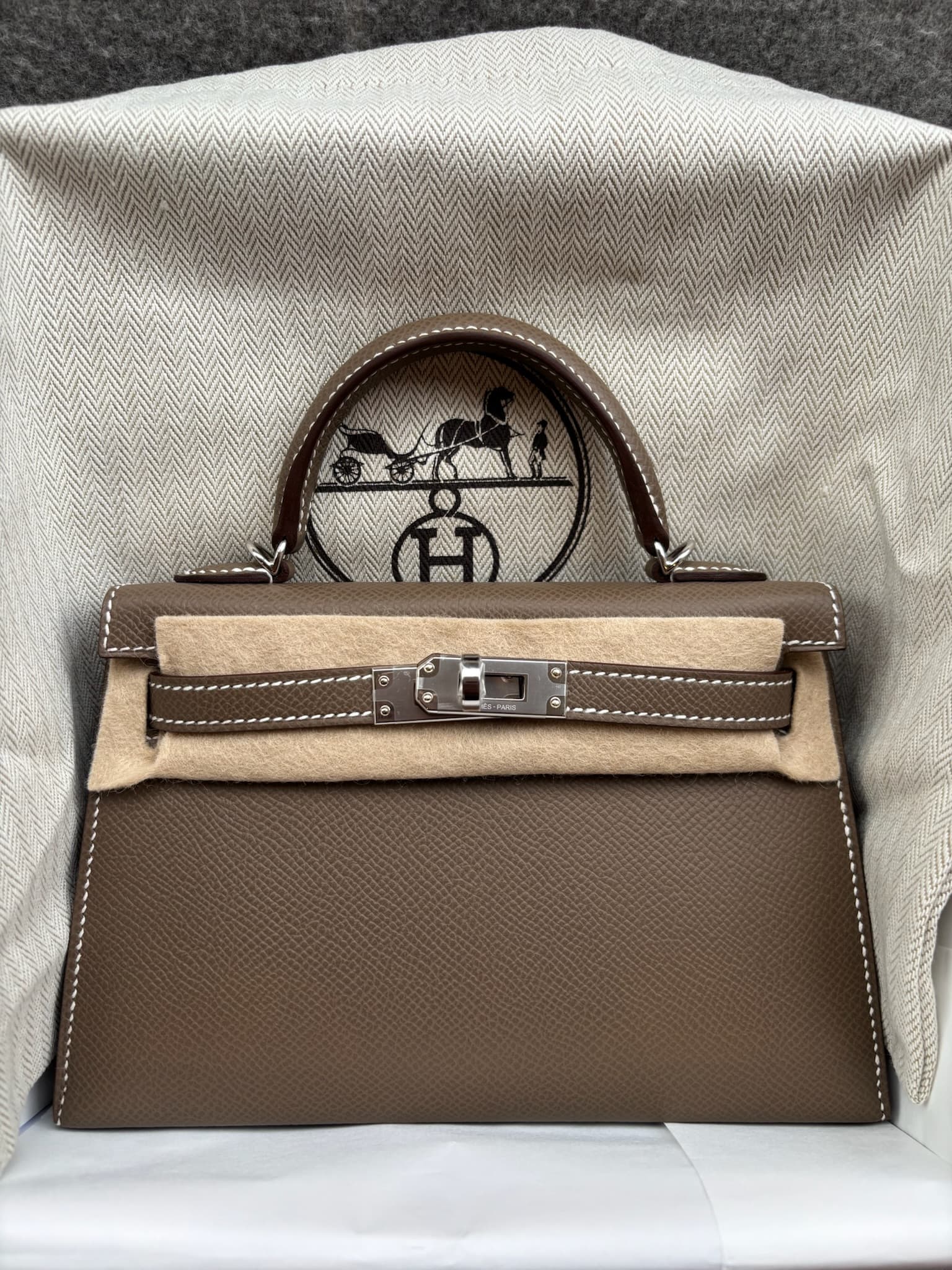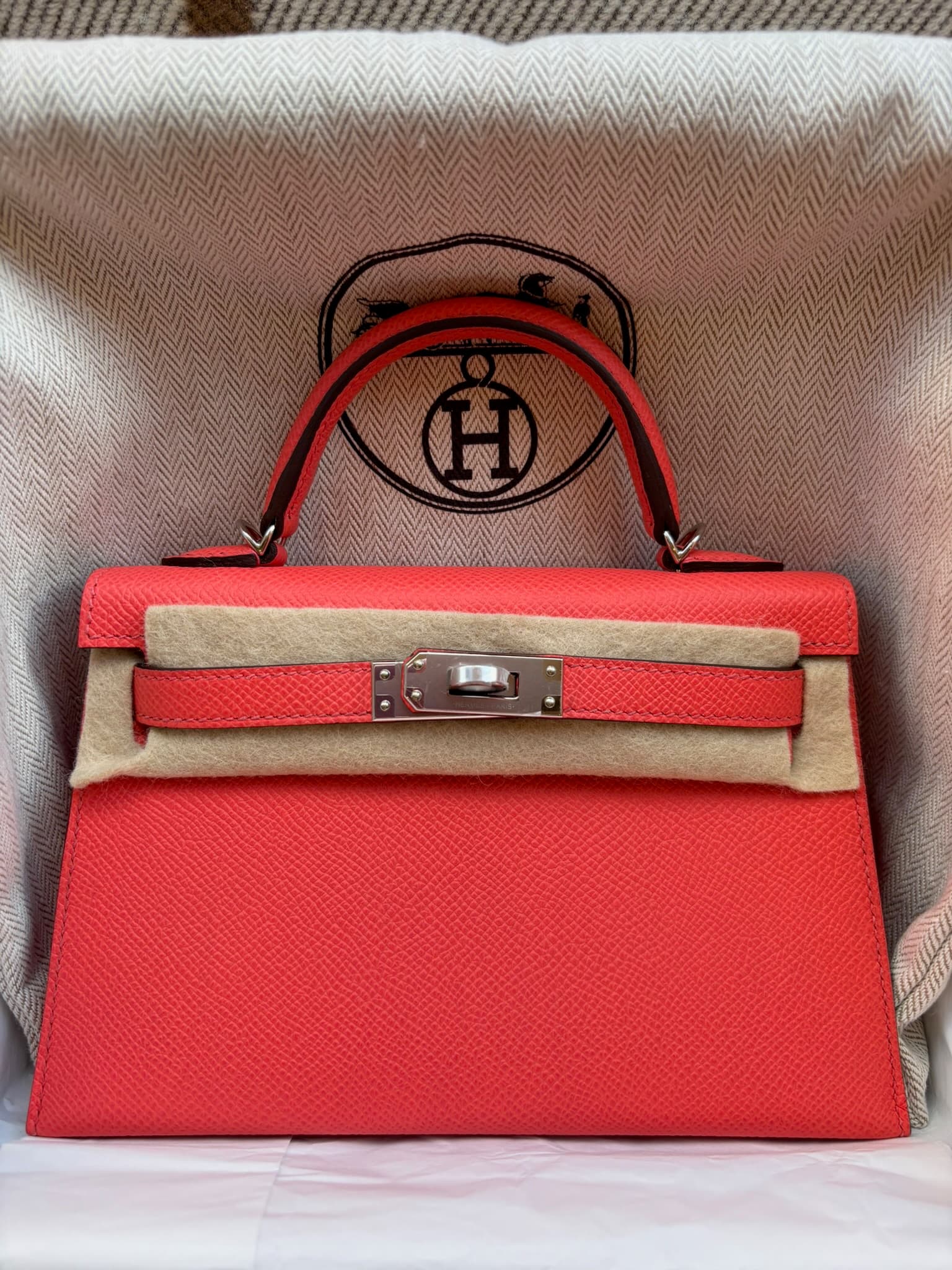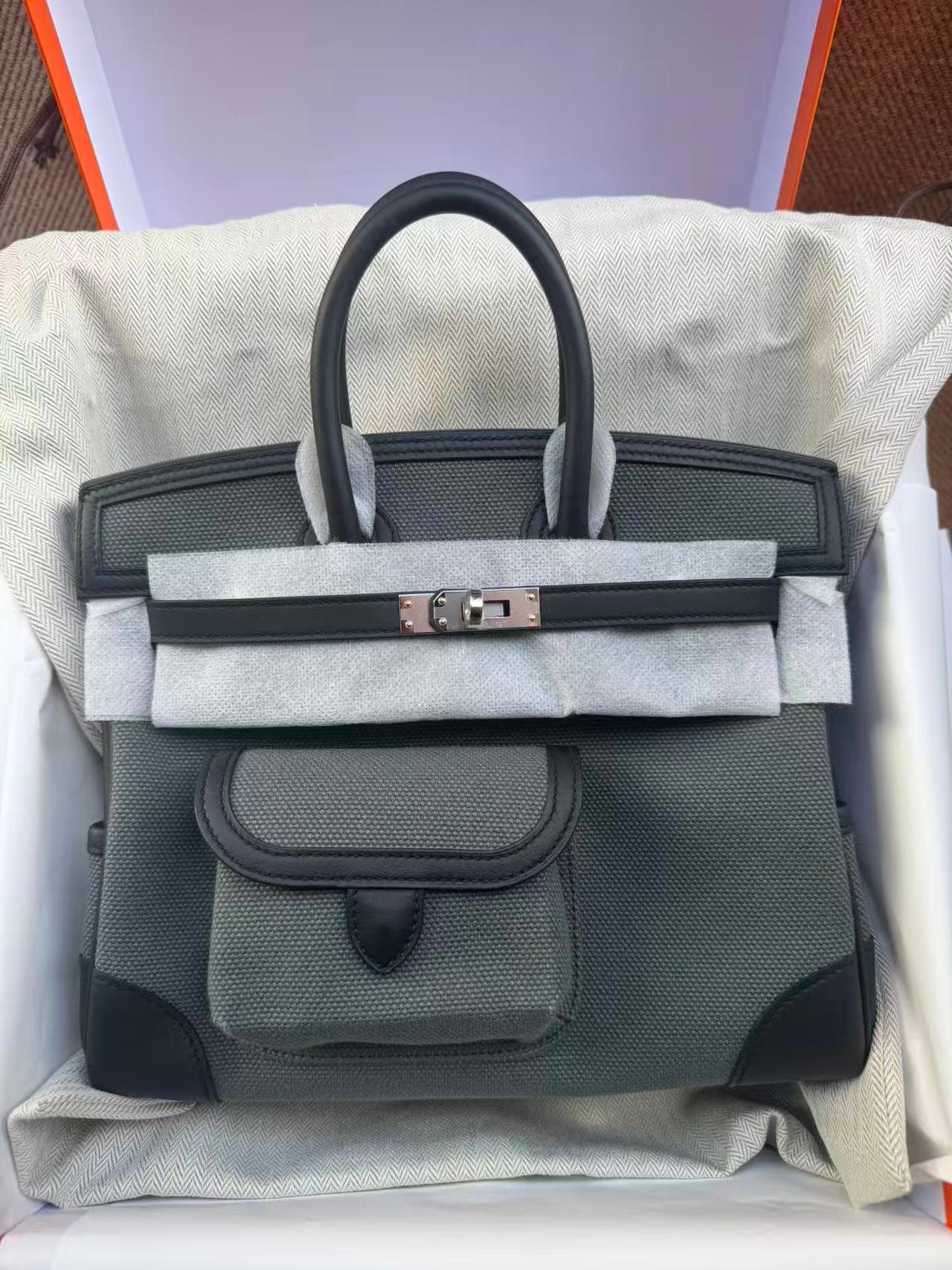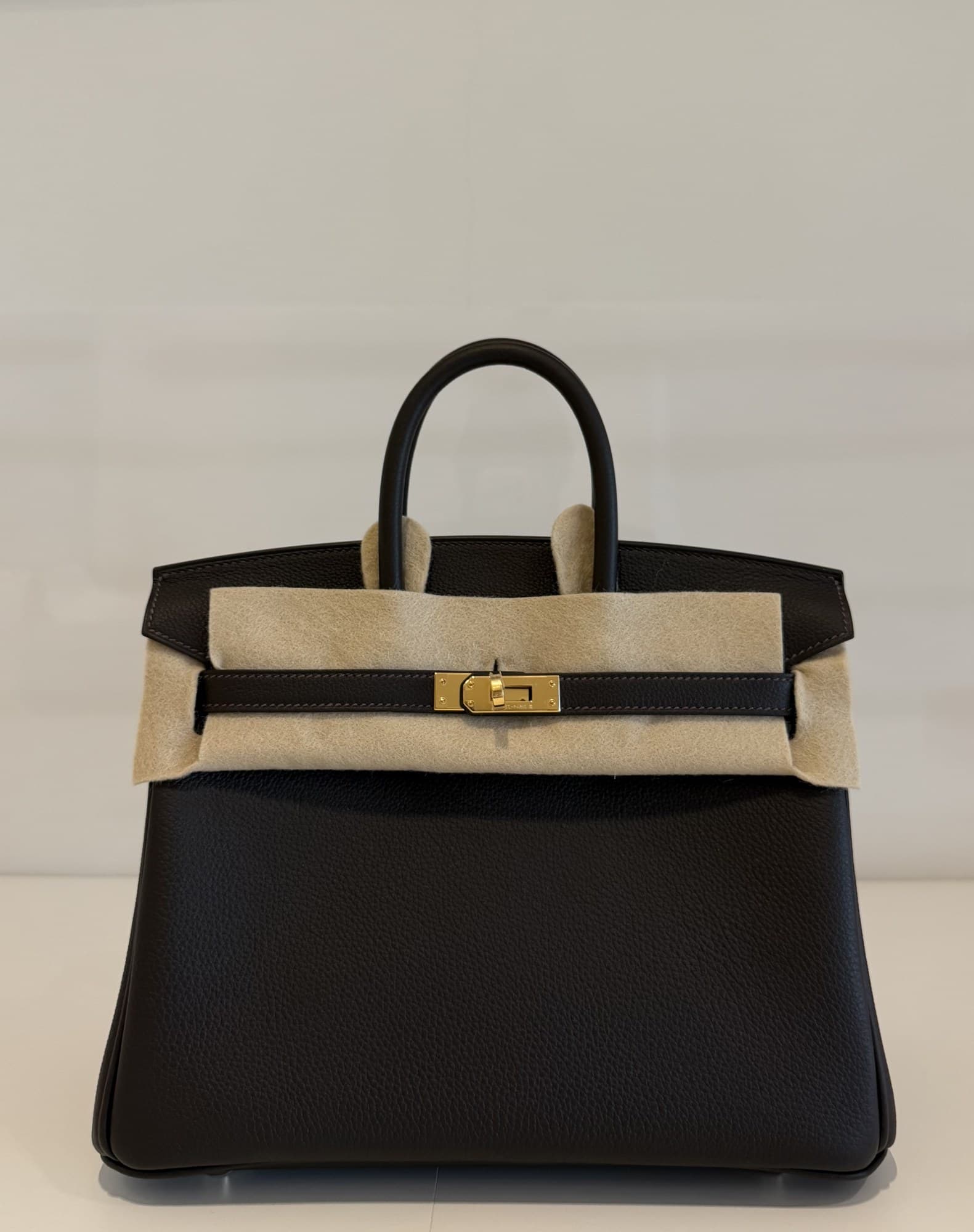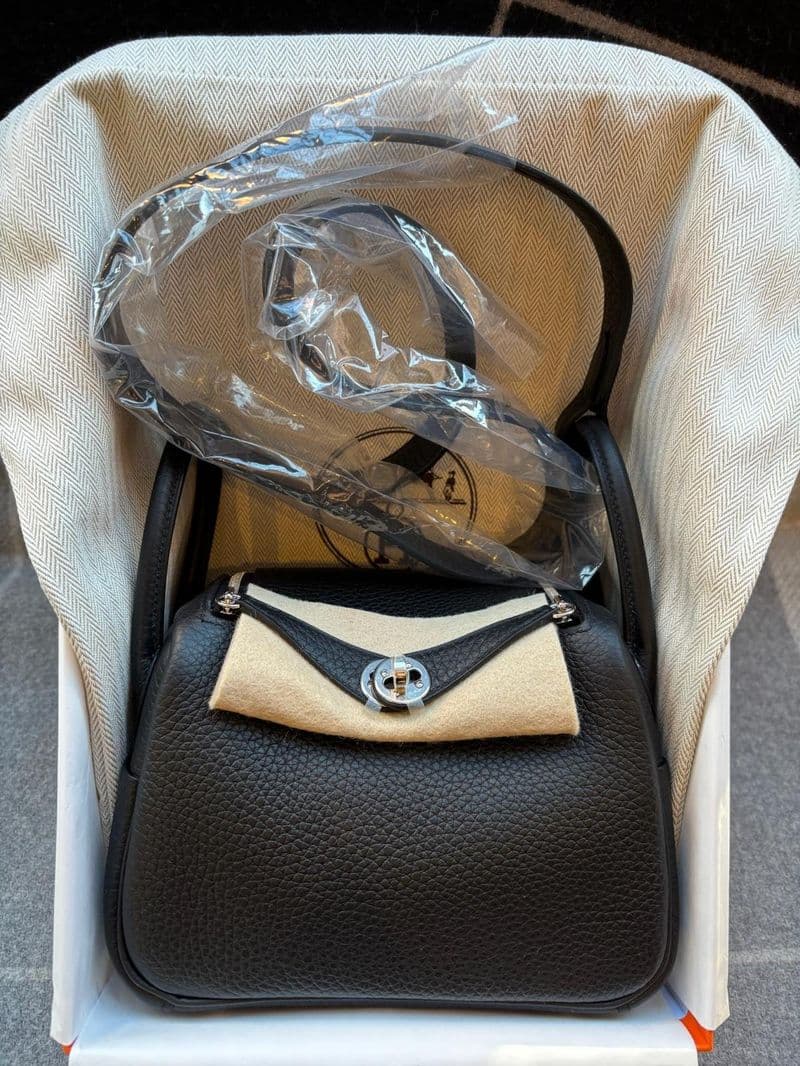
There is no waiting list for a Birkin. Let's begin there, because half of what the internet believes about buying Hermès rests on this single misconception. There is no list to join, no form to fill in, no queue that eventually reaches you. There is instead a system — opaque by design, administered boutique by boutique, client by client — that determines who is offered the bags everyone wants. Hermès almost never explains it. Sales associates are trained not to discuss it. And yet it governs the fate of every Birkin and Kelly that leaves a workshop in France.
We deal with the consequences of this system every working day at JULL — usually in the form of a client who has just discovered it exists. This is the full, honest anatomy of Hermès allocation in 2026: what a quota bag is, how the offer actually happens, what "building a profile" really costs, and when the sensible move is to stop playing entirely.
What Is a Quota Bag?
A "quota bag" is collector shorthand for the handful of models Hermès deliberately restricts: the Birkin and the Kelly, in their standard sizes. The name comes from the client-side limit — historically, a client could buy at most two quota bags per year, a ceiling Hermès has quietly tightened in some markets. (The mini Kelly II 20, the most fought-over allocation in the world right now, effectively operates under even scarcer maths — we covered that phenomenon in our Mini Kelly report.)
Everything else in the leather universe — Constance, Lindy, Evelyne, Picotin, Bolide, most HACs — is technically non-quota: still scarce, still allocated informally, but not subject to the same hard ceiling. The distinction matters because the two categories are bought completely differently. Non-quota bags can, on a good day, be bought by a stranger. Quota bags are given — in the sense that the boutique chooses the recipient.
The Machinery: How a Birkin Actually Finds Its Buyer
Twice a year, boutique directors travel to Paris for what the trade calls the podium — the ordering session where each boutique bids for its allocation of leather goods for the coming season. A boutique does not simply order "fifty Birkins"; it receives a finite allocation shaped by its sales performance, and its director makes choices about sizes, leathers and colours within it. This is why specific specs are so maddening to chase: the bag you want may simply never have been ordered by your boutique.
When the bags arrive, months later, they do not go on the shelf. Each is matched to a client by the boutique's leadership and sales associates. The matching logic is unwritten, but two decades of collective evidence agree on its inputs: the client's purchase history (depth, breadth and recency), the relationship with their sales associate, their conduct as a customer, and — bluntly — the boutique's judgment about whether the bag will be kept and worn rather than flipped. Resellers are the system's declared enemy; a suspected flip can end a client relationship permanently.
The offer itself is theatre of a particular kind: a quiet "I have something to show you" at the end of an appointment, a windowless room, a box opened without ceremony. You are not choosing a bag. A bag has chosen you, and the only decision left is yes or no. Declining is allowed — but each decline is remembered, and the next offer may be slower to come.
The Prespend Question: What a Profile Really Costs
The internet's favourite word for all this is "prespend" — the money spent on non-quota purchases to establish the history that precedes an offer. Boutiques deny any formal ratio exists; clients trade rumoured formulas like 1:1 or 2:1 (spend twice the bag's price to be offered it). The truth we observe from the client side is less mathematical and more human, but the sums are real: serious contenders in London or Paris typically have four-to-five-figure annual histories across silks, shoes, jewellery, homeware and ready-to-wear before the first quota conversation happens, and first offers are rarely the grail spec — expect a larger size or a bolder colour than you dreamed of, offered partly as a test of commitment.
Three honest observations from the other side of the counter. First, prespend is only "wasted" if you don't want the things — Hermès silks, jewellery and watches are magnificent objects, and a client who genuinely loves the house does better in the system than one grimly buying ashtrays toward a target. Second, the associate relationship is worth more than the spend total: consistency with one SA, at one boutique, over time, beats scattergun spending across three cities. Third, the system has become measurably harder in 2026: demand has broadened — the World Cup men's-Hermès wave added an entire new demographic — while production has not. More qualified profiles are now chasing the same number of bags than at any point in the brand's history.
The Timeline: A Realistic Campaign, Stage by Stage
For a newcomer starting today in a major boutique, a sober timeline looks like this. Months one to six: establish presence — regular visits, one SA, purchases you actually want, no Birkin talk (they know why you're there; everyone knows). Months six to eighteen: the relationship matures, wish lists are acknowledged, non-quota leather may be offered as a stepping stone — a Lindy, a Picotin, an Evelyne. Months twelve to thirty-six: the quota conversation becomes possible; an offer, when it comes, will test your flexibility on spec. Accepting graciously accelerates everything thereafter; the second bag comes faster than the first. Total elapsed time to a specific dream spec — say, a Kelly 25 Sellier in black Epsom with gold hardware: routinely three to five years, with no guarantee at any stage.
This is not a complaint. It is arguably the most brilliant scarcity machine in luxury, and it works precisely because it is genuinely, unfakeably slow. But it prices the boutique route in years, and not everyone's life has years to spend.
The Vocabulary: A Field Glossary
The allocation world runs on jargon that boutiques never define. The working glossary, as the trade actually uses it. Podium: the twice-yearly Paris ordering session where boutiques receive their allocations — the origin of every bag's journey and every spec's scarcity. SA: sales associate — the single most important human in your Hermès life; allocation flows through their advocacy. Profile: the file, formal and informal, a boutique holds on you — purchase history, preferences, conduct, wish list. Prespend: ancillary purchases made while building that profile. Wish list: the spec conversation with your SA; acknowledged, never promised. Offer: the moment a bag is presented — accept, or decline and recalibrate. Quota reset: the client-year rollover after which your allocation count refreshes. The other door: what we call the secondary market. For the wider house lexicon — leathers, stamps, hardware — our Hermès glossary runs to a hundred-plus terms.
Seven Mistakes That Kill Your Chances
Watching clients navigate boutiques for years, the same self-inflicted wounds recur. Asking for a Birkin on the first visit — everyone knows why you're there; saying it aloud on day one merely marks you as transactional. Spreading spend across boutiques — three thin profiles are worth less than one deep one; allocation is boutique-local. Buying joylessly — SAs can tell prespend-with-gritted-teeth from genuine enthusiasm, and the system is calibrated to reward the latter. Declining without grace — you may decline an offer, but how you decline is remembered longer than that you declined. Mentioning resale, ever — the fastest way to end a relationship; boutiques exist to place bags with keepers. Chasing rumoured formulas — spending to a rumoured ratio treats a human relationship as a vending machine, and it reads exactly that way across the counter. Impatience theatre — chasing, emailing, escalating; scarcity systems reward the clients who wear the wait well.
None of these are moral judgments — they are simply how the machine works. Play it warmly and honestly or don't play it at all; the half-hearted middle is where money goes to be wasted.
London, Paris, Dubai: The Same System, Three Accents
Allocation culture varies subtly by city, and knowing the accent helps. London (Bond Street, Harrods, Sloane Street) is relationship-formal: profiles build slowly, but the system is comparatively meritocratic and newcomers with consistent history do break through. Paris flagship culture adds the appointment lottery for visitors and an unapologetic hierarchy for locals — the hardest room in the world, and the one where patience is most ostentatiously tested. Dubai runs the steepest spend expectations anywhere — the regional client base sets a formidable baseline — but relationships, once made, are warm and fast-moving. The constant across all three: the visiting tourist hoping to charm a quota bag out of a strange boutique is playing the only strategy with a near-zero success rate on every continent — the arithmetic we ran city by city in our London vs Paris vs Dubai comparison.
The Other Door: What the Secondary Market Is Actually For
Every bag on the secondary market is a bag someone was allocated. That sentence explains the entire economics of our industry: the resale premium on a fresh quota bag is the market's price for skipping the system — for converting three years of campaigning into an afternoon in Chelsea Harbour.
Whether that premium is worth paying is a personal calculation, but consider what it buys: the exact spec (size, leather, colour, hardware) rather than the spec you were offered; immediate availability; and, through a specialist, verification the boutique never needs to provide — because on the secondary market authentication replaces allocation as the thing that matters most. A £2,000–£4,000 premium over retail on a standard Birkin spec, in a year when average resale premiums have compressed, is — measured against the fully-costed boutique campaign of prespend, trips and time — frequently the cheaper path. That arithmetic, more than any headline, is why the secondary market exists and grows.
Our approach at JULL is to run both doors honestly: we help clients who enjoy the boutique game play it well (it is a game, and it can be played well), and for everyone else our Birkin bags for sale and Kelly bags for sale show what is available to view in London this week — authenticated, priced transparently, no purchase history required.
How We Got Here: A Short History of the System
Allocation was not always a labyrinth. In the 1980s and much of the 1990s, Birkins sat on shelves; the bag was expensive, admired and purchasable, and stories survive of clients buying two on a whim before lunch. The 2000s brought the waiting list era — the famous "two-year wait" of a thousand magazine profiles — until the lists grew so long, and so game-able, that they became a customer-relations liability; Hermès quietly abolished them around the turn of the 2010s. What replaced them is the modern discretionary system: no list, no promise, no paper trail — just the profile, the relationship and the offer. Each tightening tracked the same underlying force: demand compounding against production that Hermès, alone in luxury, refuses to scale at demand's pace. Artisans train for years; bags take dozens of hours; the house adds workshops on its own schedule. The scarcity is real, which is precisely why the system built on it works. The 2020s added the digital appointment layer (Paris's lottery being the sharpest example) and — the newest pressure — an entire additional demographic of male buyers arriving after the 2026 World Cup summer. The machine has never been under more load than it is this year.
Does the System Ever Bend?
Every client eventually asks. The honest answers, quickly. Celebrity bends it less than assumed — boutiques answer to the same allocations, and plenty of famous names buy pre-owned for exactly the reasons everyone else does. Money alone bends it slowly — a first-visit fortune reads as flipping risk, not devotion; the system prices time and consistency, which cannot be bought retroactively. Connections bend it occasionally — a warm introduction from a valued client to their SA is worth more than any single purchase, and is the one genuine shortcut we ever see work. Charity auctions and brand events occasionally place bags outside the machinery, at prices that make the secondary market look frugal. And the special-order programme sits above the whole game — the reward for those who played it longest. The system, in other words, bends toward exactly one thing: being a genuinely good, genuinely patient client. Everything else is folklore.
Frequently Asked Questions
What is a quota bag at Hermès? A Birkin or Kelly in standard sizes — the models Hermès restricts per client, historically to two per year. They are never on open display and are offered selectively to clients chosen by the boutique.
Is there a waiting list for a Birkin? No. Formal waiting lists were abolished years ago. Allocation is discretionary: boutiques match arriving bags to clients based on purchase history, relationship and judgment. "I'll put you on the list" is politeness, not process.
How much do you need to spend at Hermès before being offered a Birkin? No official figure exists. Observed reality in major cities suggests meaningful, sustained history — commonly rumoured at one to two times the bag's price in ancillary purchases — built with one sales associate over months to years. Demand growth in 2026 has pushed effective thresholds higher.
Can you just walk into Hermès and buy a Birkin? As a practical matter, no — not in London, Paris, Dubai or anywhere else with a functioning boutique. Quota bags are pre-matched to clients before they ever reach the floor. Walk-in luck is essentially confined to non-quota models.
Is it better to buy a Birkin from the boutique or the secondary market? Boutique wins on price and the pleasure of the journey — if you have the years and enjoy the game. The secondary market wins on speed, spec precision and certainty. With resale premiums at multi-year lows in 2026, the fully-costed gap between the two routes has never been narrower.
---
JULL is a specialist Hermès personal shopping service in Chelsea Harbour, London. We source new, unworn and pre-owned Birkin, Kelly and other Hermès pieces directly from a private network of collectors and boutique clients — the other door, run honestly. Every bag is authenticated and available to view at our Chelsea Harbour showroom. Browse available bags or get in touch.