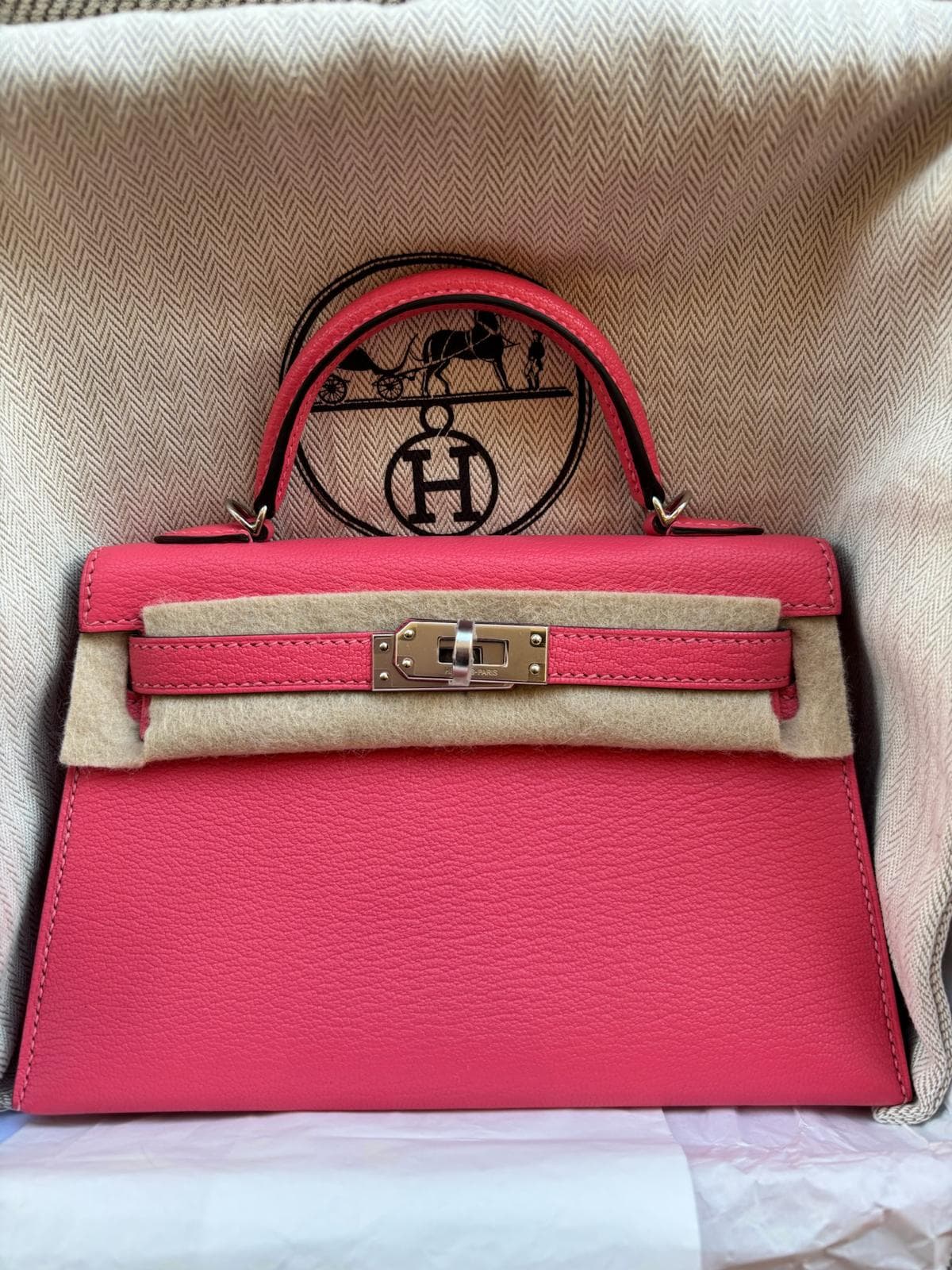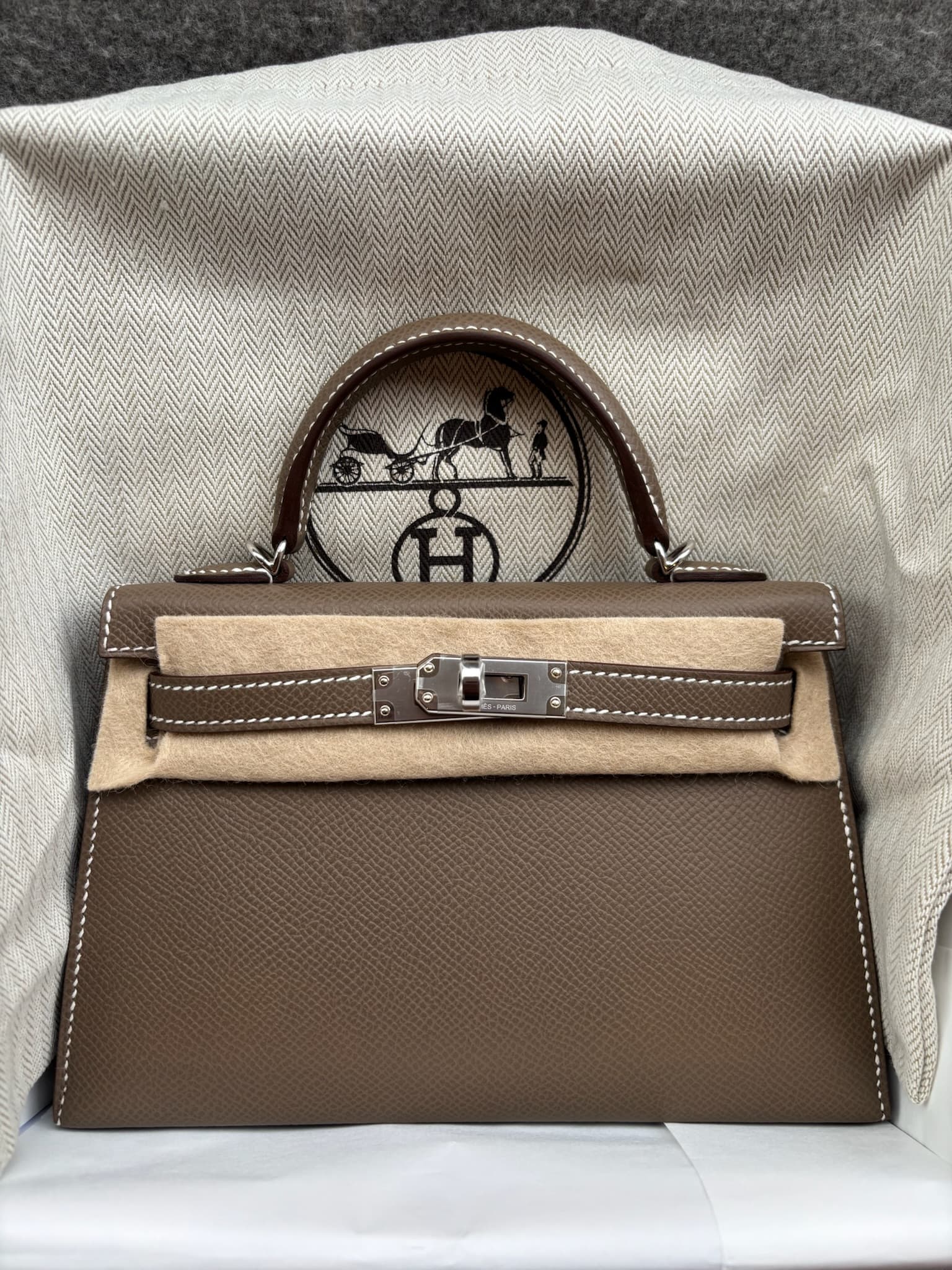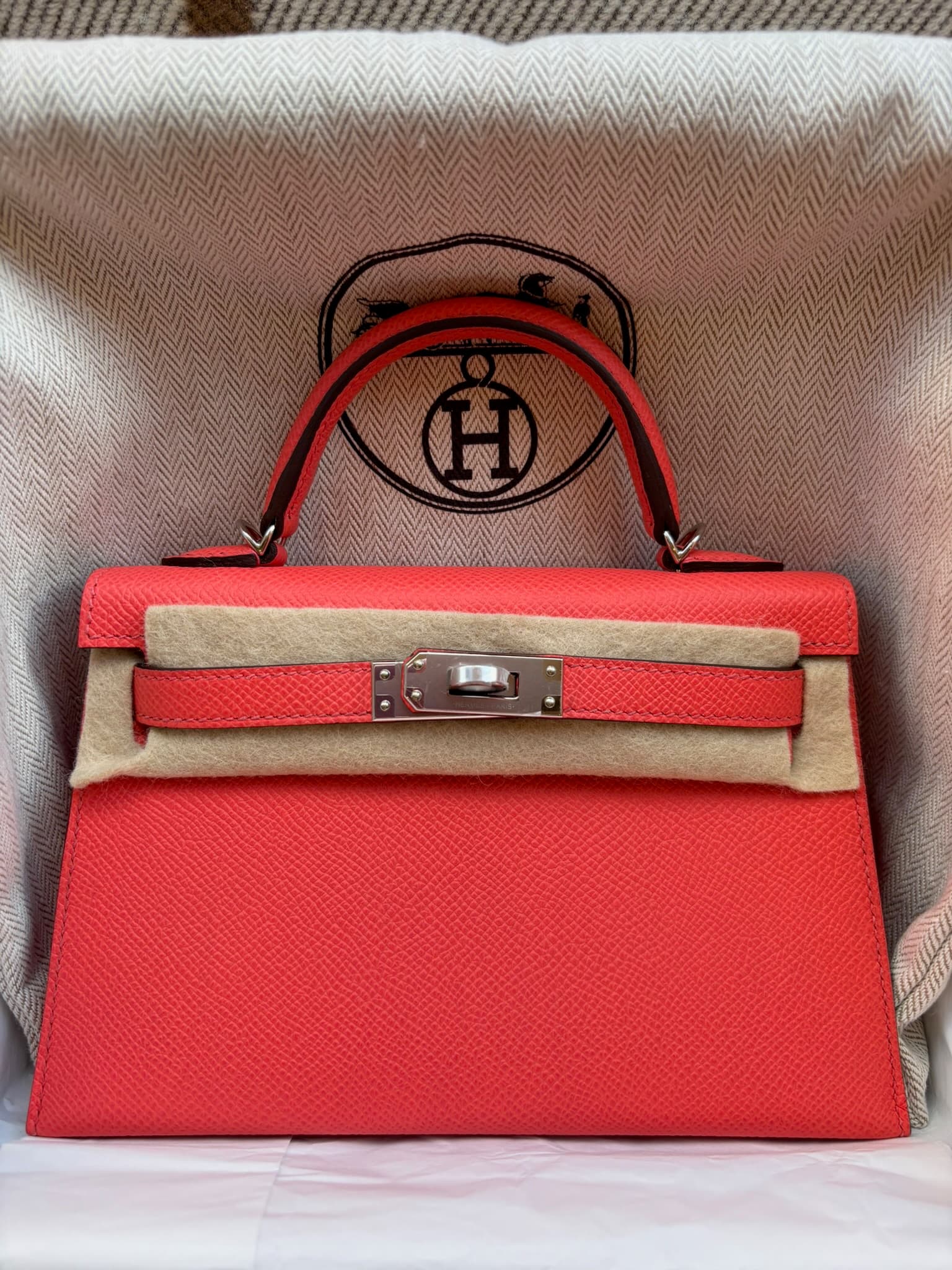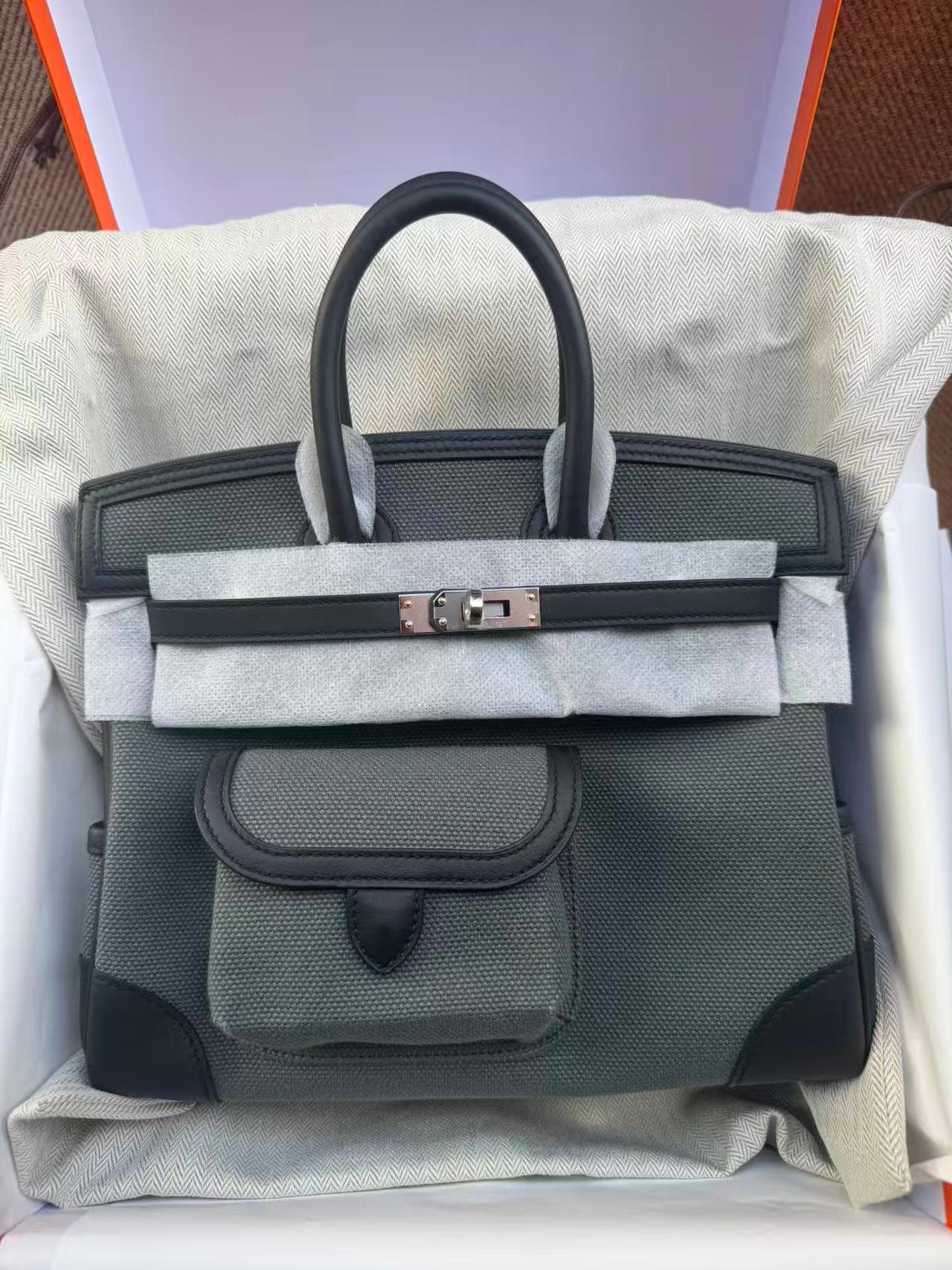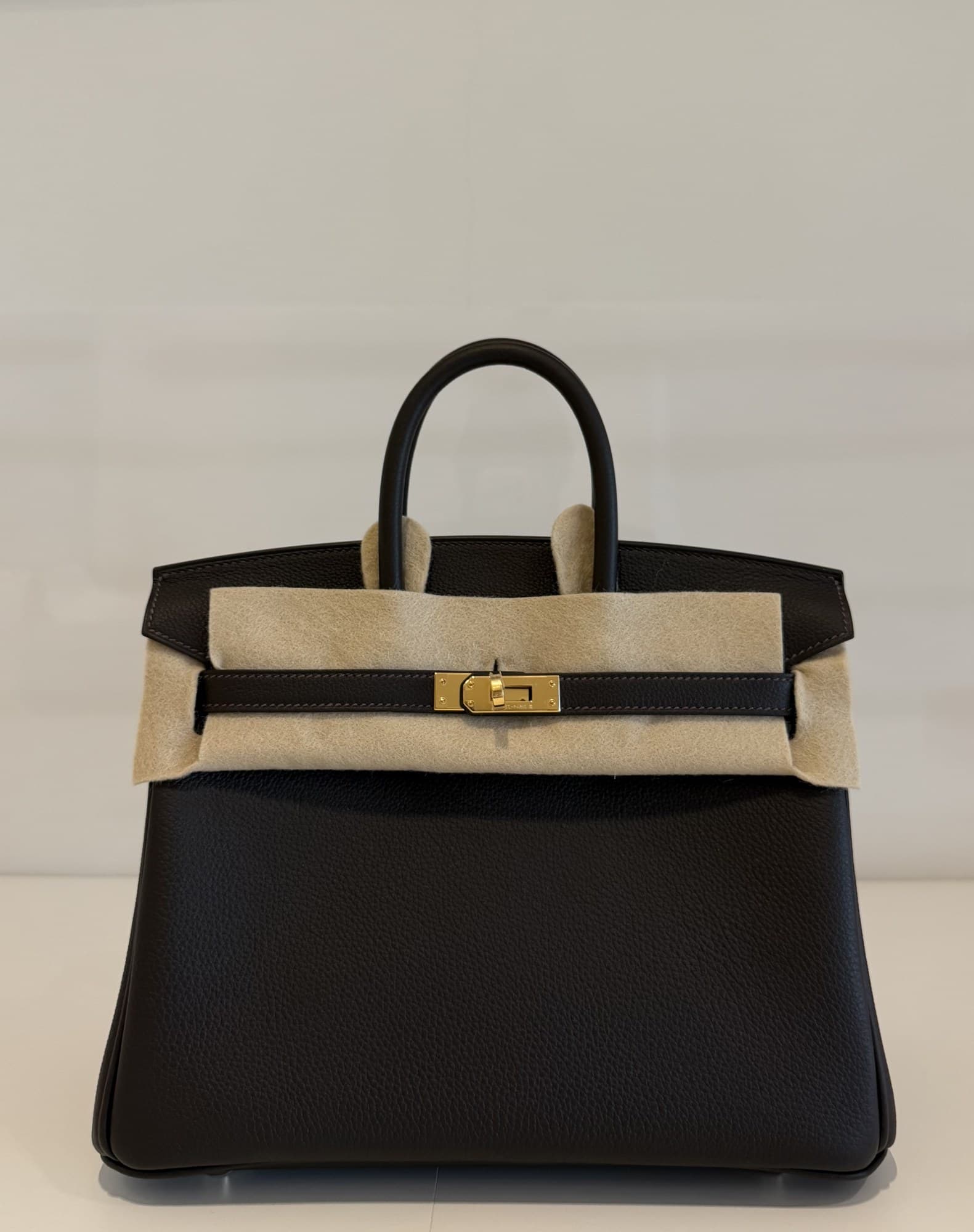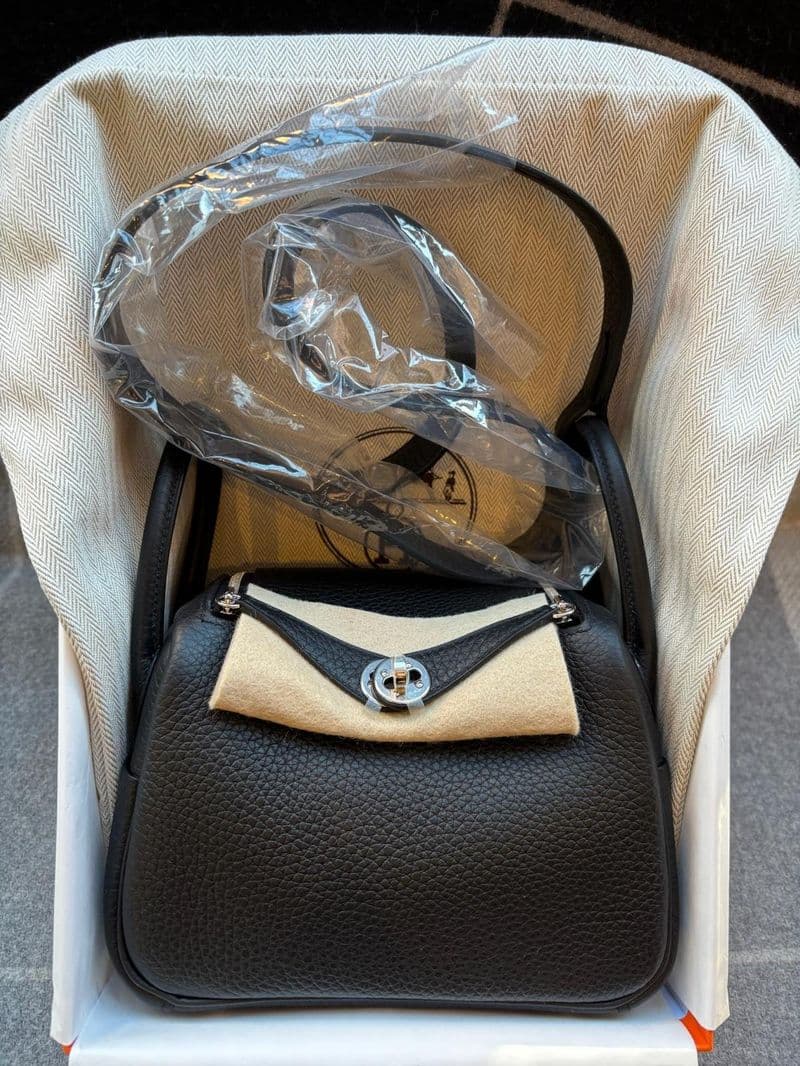
Somewhere in Paris, a bag that has lived twenty hard years is being taken apart by the same kind of hands that built it — edges re-inked, stitching renewed, leather fed back to suppleness. Owners call it the spa; Hermès calls it what it has always been, the atelier’s repair service; and it is one of the most underrated things about owning a piece from the house. Here is how it works, what it can and cannot do, what it costs, and when to use it — from a London house that deals with spa’d bags constantly.
What the spa actually is
Every Hermès bag is built to be maintained — that is the saddler’s heritage speaking. The spa is the house’s own refurbishment service, accessed through boutiques, where bags return to trained craftspeople for anything from a professional clean to structural resurrection. It is not a marketing programme, it long predates the Birkin frenzy, and it embodies the most honest thing about Hermès pricing: you are buying an object designed to be repaired for generations, not replaced. A bag with a spa history is not damaged goods — it is a bag that has been properly kept.
What it can do
The menu, in rough order of frequency. Cleaning and conditioning: the standard treatment — professional surface cleaning, re-moisturising, minor scuff work; most bags need nothing more. Edge and corner work: re-inking worn edge paint, rebuilding rubbed corners — transformative on Selliers, whose exposed edges take life first, as our Sellier vs Retourne guide explains. Stitching: renewing worn or broken saddle stitches with the correct thread and angle. Hardware: tightening, re-fixing and in some cases re-plating locks and feet; replacing a lost clochette or keys. Interior work: relining and pocket repair. Structural restoration: reshaping slumped bags, addressing handle wear, major panel work — the deep end, quoted case by case. The craftspeople will also honestly refuse work they judge wrong for the bag, which tells you everything about the culture.
What it will not do
Equally important. The spa will not change a bag’s colour — re-dyeing to a new shade is not offered; the house restores, it does not customise. It will not remove every scar of a hard life — deep ink, chemical damage and leather burns may be improved, not erased. It will not work on bags it judges inauthentic — of which more below, because that refusal is quietly the most useful fact in this article. And it will not be hurried: the atelier works to its own calendar, and the queue is the queue.
What it costs and how long it takes
Ranges, because every job is quoted individually after inspection. A standard clean and condition typically runs in the low-to-mid hundreds of pounds; edge, corner and stitching work climbs from there; full restorations of neglected pieces can reach four figures — and are usually still excellent value against the bag’s worth. Time is the real price: straightforward treatments commonly take several weeks to a few months, and complex restorations longer, since some work travels to specialist ateliers. Plan around it — a bag wanted for a wedding in June should meet the spa in January, a rhythm our wedding guide touches on.
How to send your bag
The route runs through any Hermès boutique: bring the bag to the leather department, where it is inspected, the work discussed and a quote raised; you approve, the bag travels, the boutique calls when it returns. You do not need to be the original purchaser, and the bag needs no receipt — the object is assessed on itself. London’s boutiques handle this routinely and courteously; owners outside the capital can use any boutique nationally. One practical note: demand for spa services has grown with the resale boom, so book the drop-off rather than walking in cold, and expect the quote to take a little time on busy weeks.
The quiet authentication angle
Here is the fact collectors prize: the spa works only on genuine Hermès pieces. Acceptance is not a formal certificate — the house famously declines to authenticate as a service, as our authenticity cards explainer covers — but a bag that has been through the atelier has, in practice, been handled and worked on by the people best qualified on earth to know. This is why completed spa work features in provenance stories on the secondary market, and why a documented spa visit gently supports a piece’s standing. It is corroboration, not certification — but it is the best corroboration there is.
The spa and resale value
Should you spa a bag before selling it? Sometimes. A professional clean and edge refresh on a tired but sound bag can repay itself several times over in the sale price — presentation is pricing, as our how to sell guide argues. But the calculus has limits: on a heavily worn piece, buyers at the next tier down will happily price the wear themselves, and months of spa queue can cost more in market timing than the refresh returns. When owners bring us bags to buy or consign, we advise piece by piece — often the honest answer is to sell as-is and let us handle presentation. Message photographs to WhatsApp +44 7704 870249 for that conversation.
Spa versus independent restorers
A thriving independent restoration trade exists, some of it excellent, and for out-of-scope work — colour changes, unconventional repairs — it is the only route. But weigh the trade-off honestly: non-Hermès restoration, however skilled, writes a paragraph into the bag’s story that the atelier never would, and purist buyers read that paragraph at valuation time. Our standing advice for significant pieces: house work for house bags wherever the spa’s menu covers the need; independents for the jobs the house declines, undertaken knowingly. For everyday maintenance between professional visits, the regimen in our care guide keeps most bags out of anyone’s workshop for years.
What this means for buyers
Two practical conclusions when shopping pre-owned. First, recently-spa’d in a listing is genuinely meaningful — it signals both condition and, softly, authenticity — but verify it like any claim: ask when and what was done. Second, do not fear honest wear on an otherwise sound piece: the existence of the spa means a well-priced bag with tired edges is often the shrewdest buy on the shelf, refreshed for hundreds into a bag worth thousands more. Every piece we list is photographed exactly as it stands, spa history noted where documented — the facts first, as always.
What actually gets sent, leather by leather
A field report from the bags that pass through our hands. Togo and Clemence owners send the least — the grained workhorses genuinely shrug off years, and a clean-and-condition every few years keeps them honest. Epsom arrives for edges: the embossed leather itself endures, but the crisp construction it usually dresses — Selliers above all — wears its edge paint as a visible diary, and re-inking is the spa’s bread and butter. Box calf is the spa’s oldest customer: the glorious mirror surface scratches if you look at it wrongly, and the atelier’s ability to coax the shine back is close to alchemy — though deep scratches become part of the patina story, not erased but softened. Exotics travel for hydration above all: crocodile and alligator scales want professional feeding on a cycle, and a well-kept exotic that visits the atelier decennially will outlive its owner. Suede and doblis, rarest of all, are the hardest cases — improvable, never restorable to new.
The London logistics, in detail
For UK owners the practical sequence: call or visit a London boutique’s leather department and book the assessment — walk-ins are received politely but appointments move faster in the resale-boom era. Bring the bag as it lives; there is no need to pre-clean, and the assessors prefer seeing the honest state. The quote arrives after inspection — sometimes on the spot for standard work, sometimes after a week or two of atelier consultation for complex jobs — and nothing proceeds without your approval. Payment is taken by the boutique; the bag travels insured within the house’s own channels; collection is from the same counter, with the work documented. Owners outside London can use any UK boutique on the same terms. Total calendar honesty: from drop-off to collection, budget a season for anything beyond a clean.
Three spa myths, retired
Myth one: the spa is only for bags bought at that boutique. False — any genuine piece is welcome regardless of where or when it was bought, first-hand or pre-owned. Myth two: spa work devalues a bag by admitting it needed help. Backwards — house maintenance is the best provenance a used bag can carry, and the market prices it accordingly. Myth three: the spa can make any bag new again. It cannot and does not try; the atelier’s philosophy is restoration within the bag’s own history — a twenty-year Kelly leaves looking like a magnificently kept twenty-year Kelly, which connoisseurs will tell you is a better look than new. The house even has a name for the ideal: a bag in belle patine, beautifully aged. That phrase, more than anything, explains what the spa is for.
One Kelly through the spa: a worked timeline
A composite case from pieces we have handled, to make the calendar real. Week zero: a fifteen-year Retourne Kelly 28 in Togo — sound bones, tired edges, one loose stitch at the handle base, hardware dulled — is taken to a London boutique and assessed; the quote arrives within days: clean and condition, edge work, stitch repair, hardware attention, a sum in the mid-hundreds. Week one: approved, and the bag enters the house’s channels. Weeks two through ten or so: silence — normal, and the boutique answers status calls kindly. Around the season mark: the call; collection; and the bag that returns is the same bag with fifteen years of fatigue lifted — not new, better than new in the way the house intends: belle patine, structurally renewed. Total cost, a fraction of one percent of the bag’s value; total effect at resale, several multiples of the spend; total effect on the owner, usually a decision not to sell after all. Budget a season, spend the hundreds, and the bag repays the patience for another decade.
The last word
The spa is the house keeping its oldest promise: that a saddle-stitched object, properly kept, outlives its first owner and deserves to. Use it without fear, budget it a season, and let it turn honest wear back into belle patine — your bag, and whoever inherits it, will thank you. Questions about a specific piece, before or after the atelier: WhatsApp +44 7704 870249, photographs welcome.
Frequently asked questions
Can I book the spa without visiting a boutique?
The assessment itself happens at the counter — the bag must be inspected in person before any quote. Call ahead to book the drop-off.
Is there a bag too old for the spa?
Almost never — the atelier restores pieces from every decade of production, and vintage restorations are among its proudest work. Condition, not age, decides what is possible.
How much does the Hermès spa cost?
From the low hundreds of pounds for a clean and condition to four figures for full restoration — every job is individually quoted after inspection at a boutique.
How long does the Hermès spa take?
Commonly several weeks to a few months for standard work; longer for complex restoration. Build it into any deadline.
Can I send a bag I bought second-hand to the spa?
Yes — ownership history and receipts are irrelevant. The bag is assessed on itself at any boutique.
Will the spa change my bag’s colour?
No. The atelier restores original condition; it does not re-dye to new shades or customise.
Does the spa authenticate bags?
Not formally — but it works only on genuine pieces, which makes completed spa work the market’s favourite soft corroboration of authenticity.
Should I spa my bag before selling it?
If it is sound but tired, often yes — presentation pays. If wear is heavy or timing matters, frequently no. We advise honestly on photographs: WhatsApp +44 7704 870249.
Does spa work hurt a bag’s value?
The opposite — house maintenance is provenance. It is undisclosed third-party restoration that costs money at valuation.