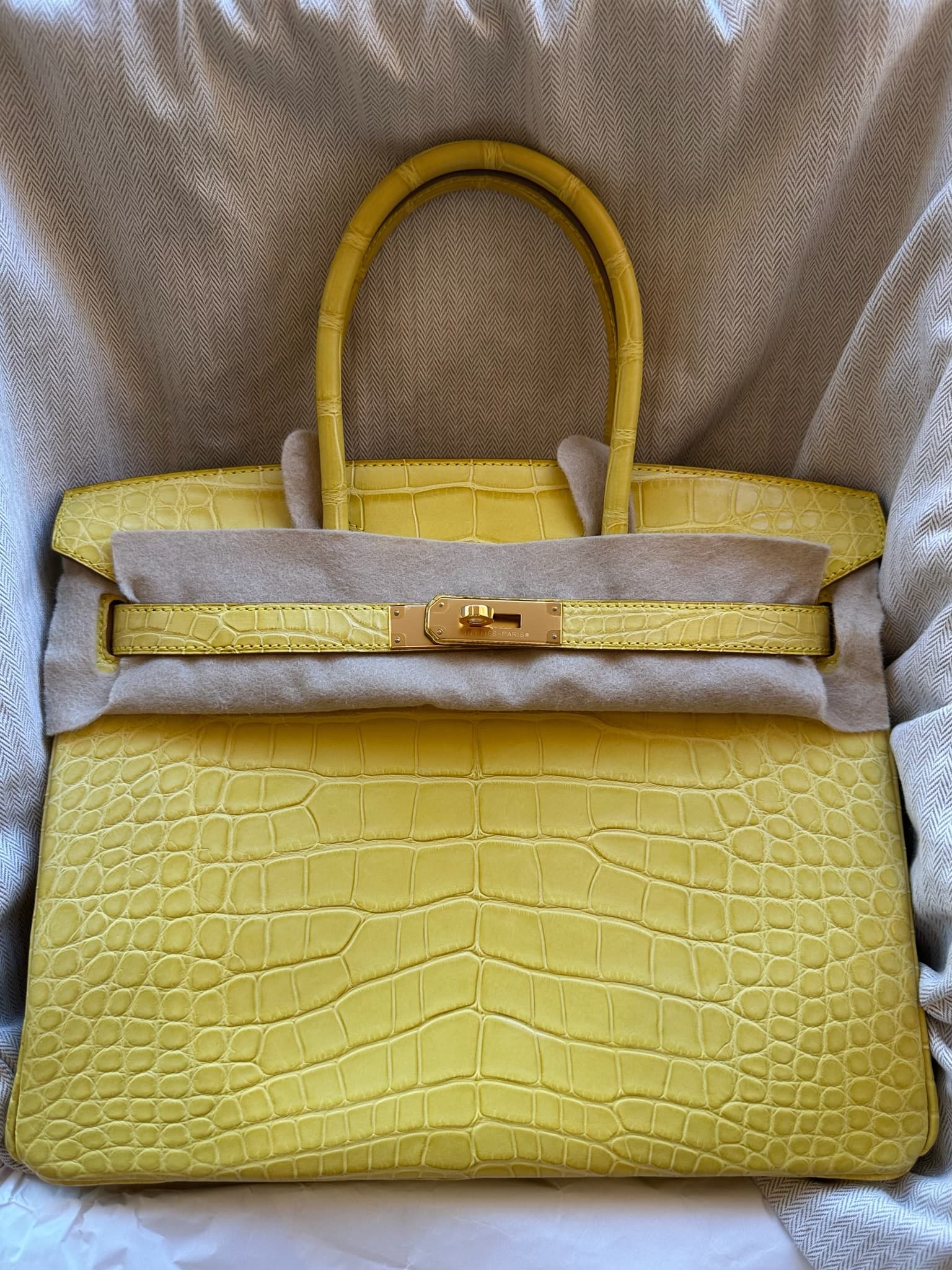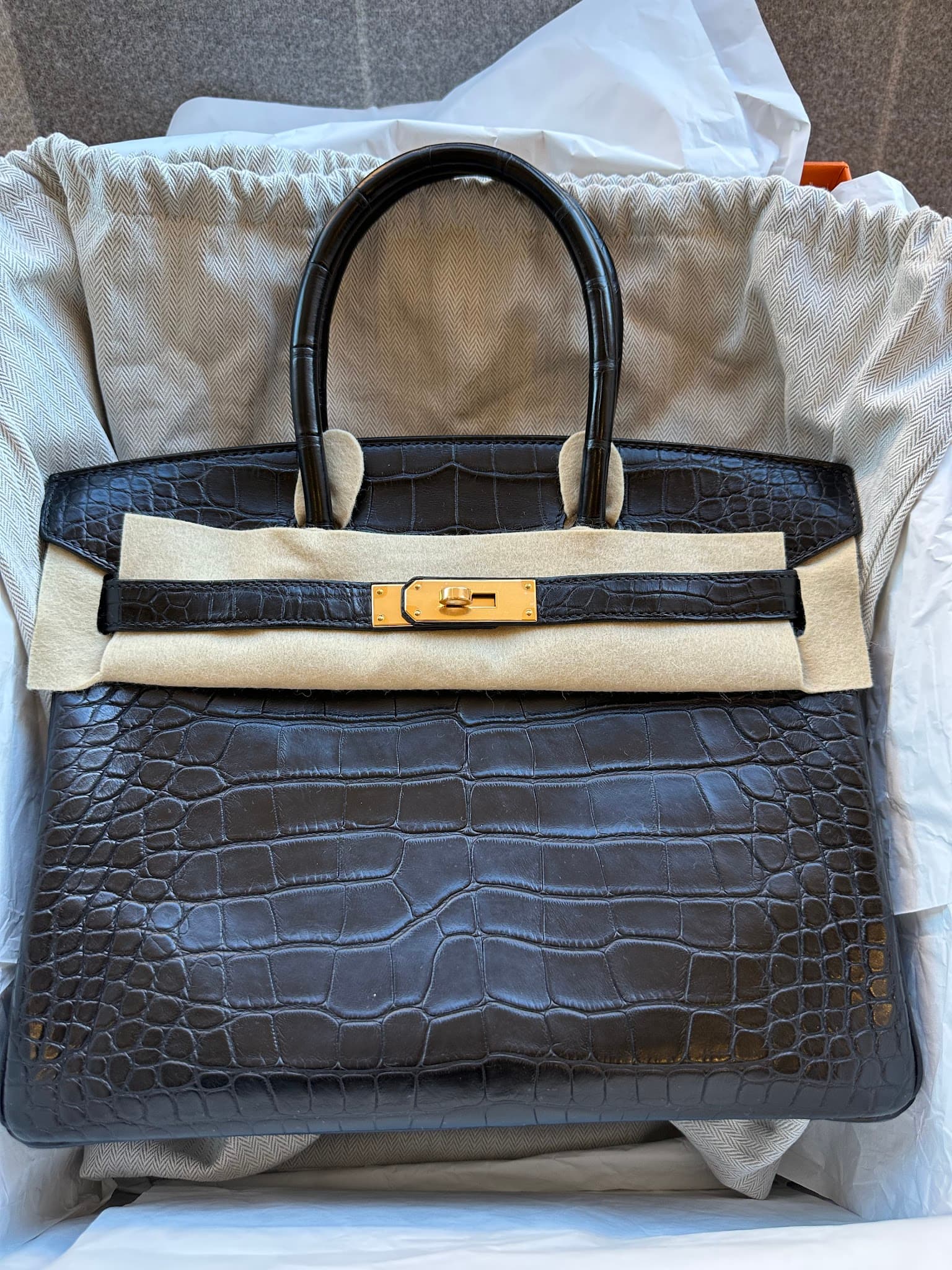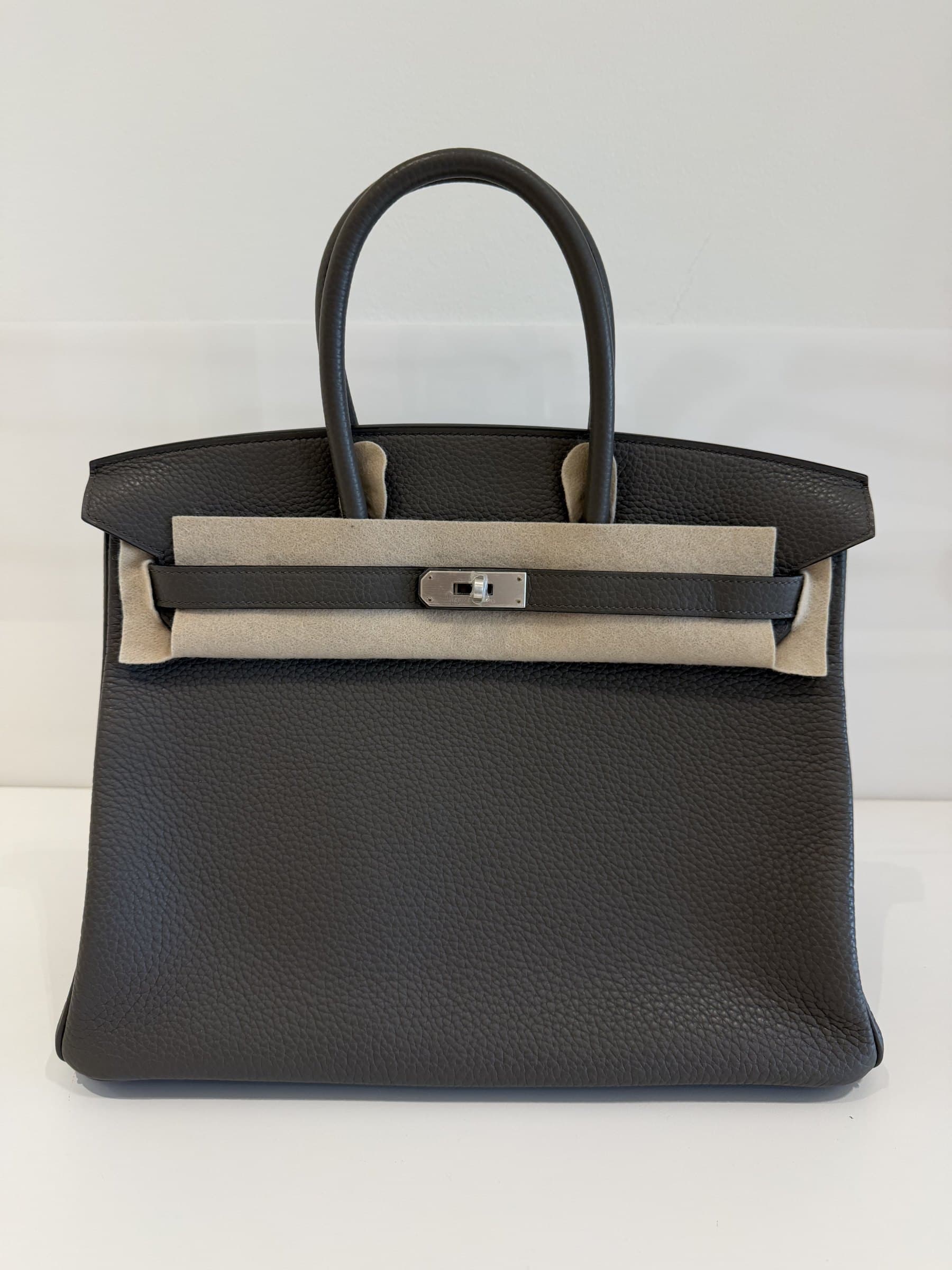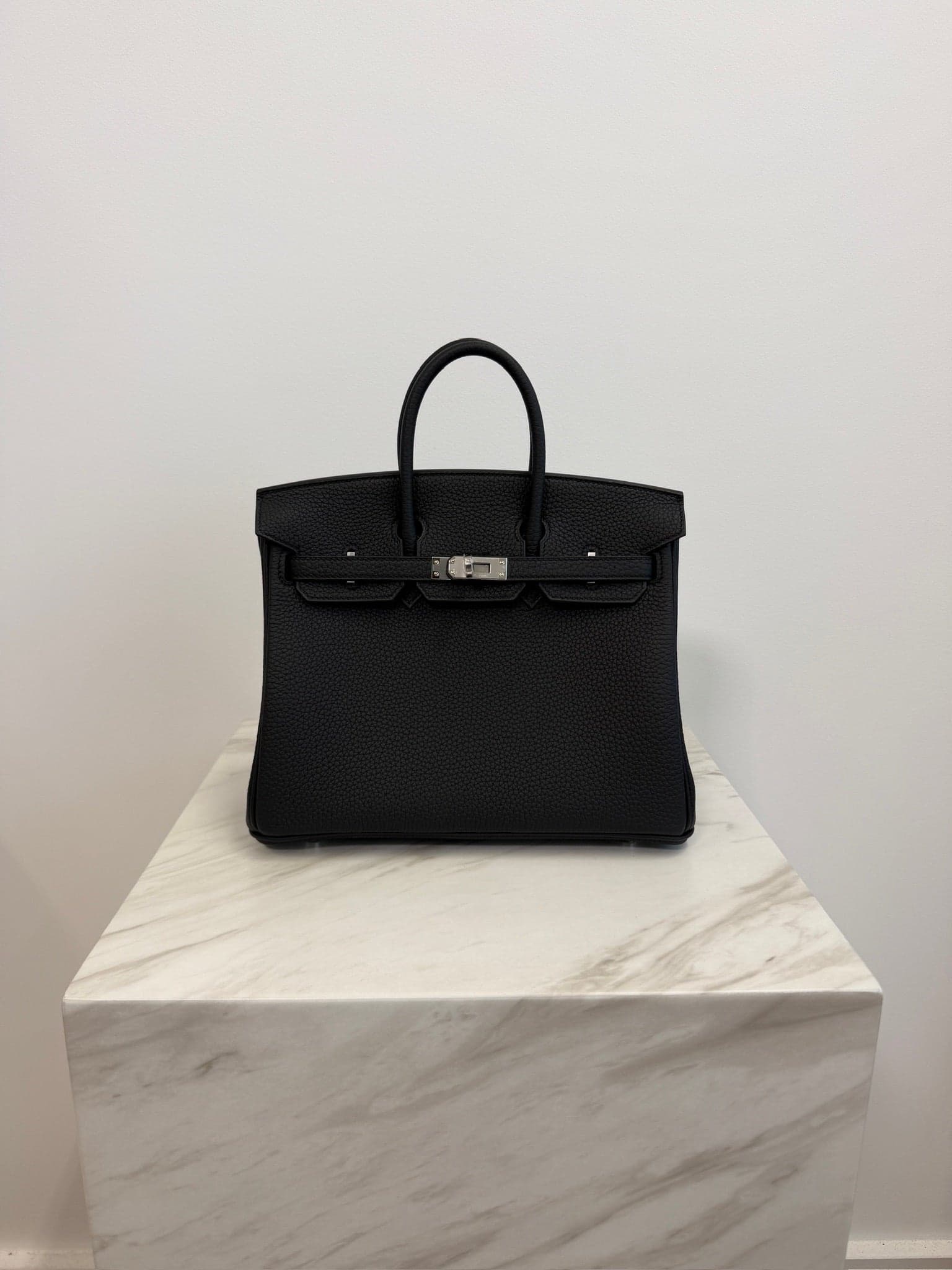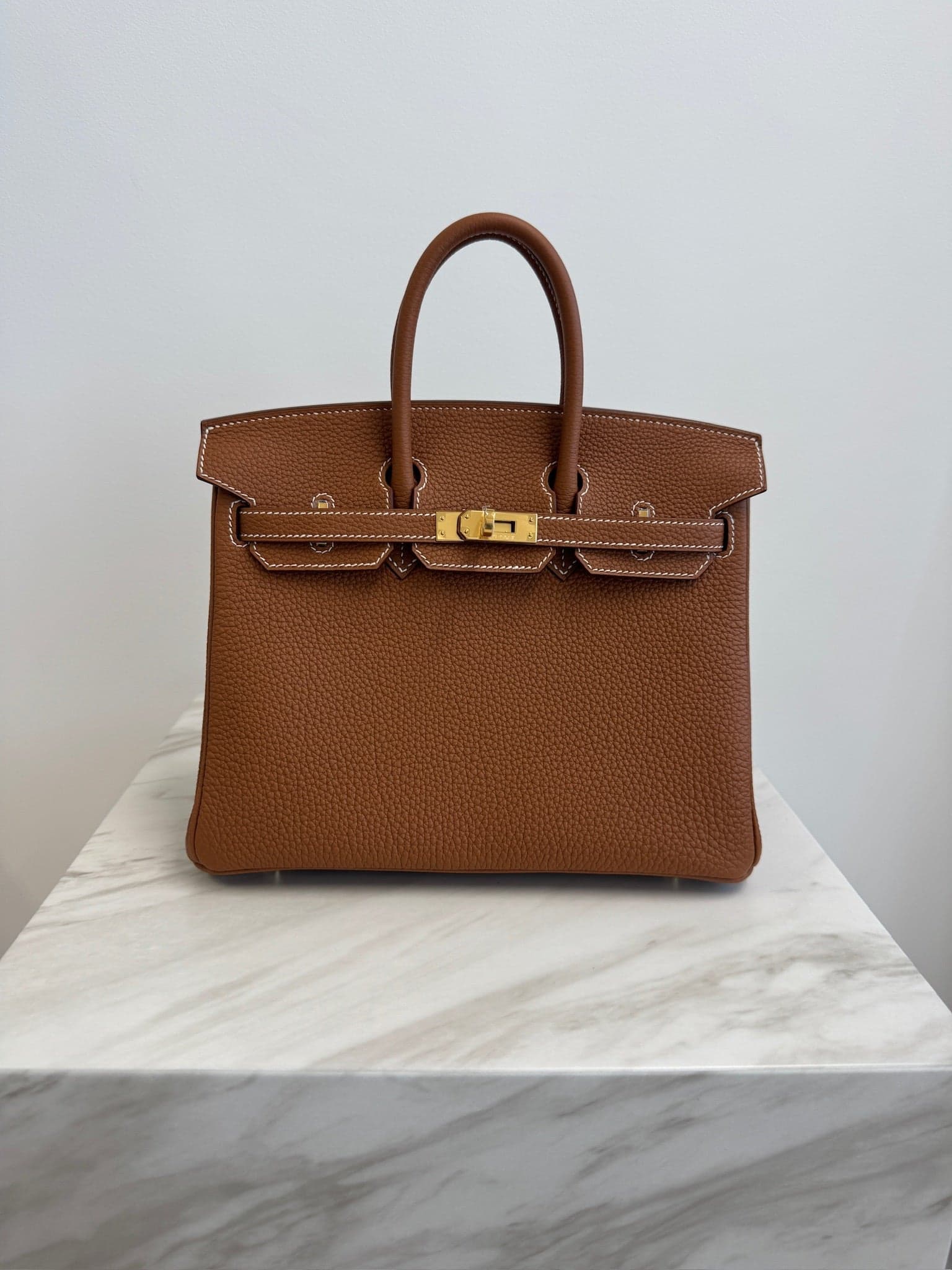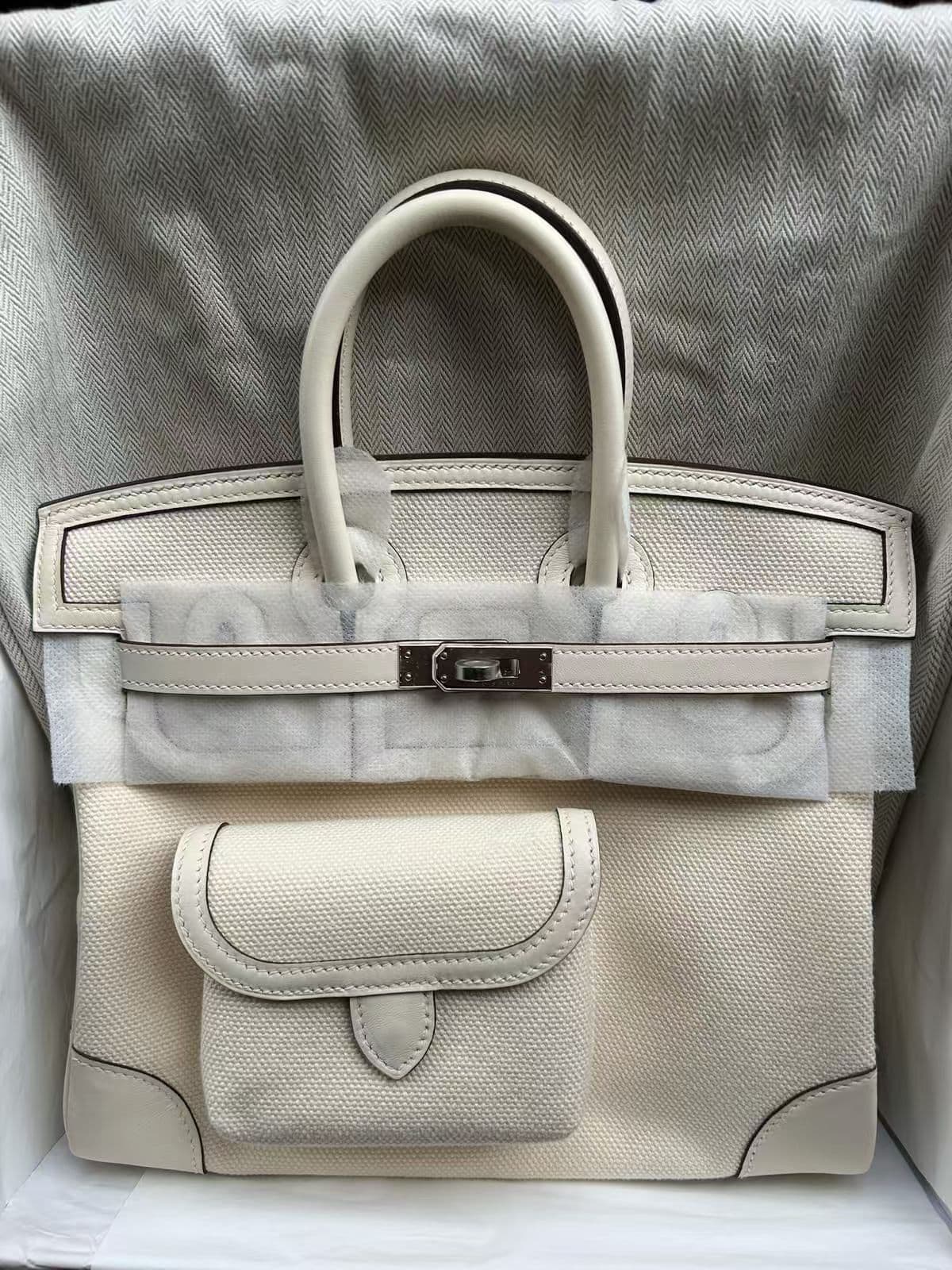
Type the Birkin question into Google from anywhere in Britain and the results split into two camps. On one side, boutique mythology: waitlists, quotas, the theatre of the ask. On the other, shop grids that list bags without telling you anything about how this market actually works. Neither answers the question you are really asking — not where a Birkin can theoretically be bought, but how a sensible person in the UK in 2026 actually gets one: at what price, on what timeline, and with what certainty that the bag is real. Browse the Birkin gallery or ask us to source a specific piece.
We buy and sell Hermès every week from our London workroom, which means we see this market from both sides of the table. Here is the complete picture — all four routes in, with the numbers and trade-offs the sales pages leave out.
The four routes, in one minute
The Hermès boutique is the cheapest way to own a Birkin and by far the slowest: retail price, but months to years of purchase history before an offer, and you do not choose the exact bag.
A specialist dealer is the fastest: the precise size, leather and colour you want, inspected in hand, yours this week — at a market premium over retail that reflects what a Birkin genuinely trades for.
The auction room surfaces rare and vintage pieces that appear nowhere else, at the cost of roughly a quarter on top of the hammer price, fixed sale calendars and very limited recourse.
Online marketplaces offer breadth and price competition, but authentication depth varies by platform, you cannot hold the bag before paying, and anything shipped from outside the UK lands with import charges on top of the sticker.
Everything below is the detail behind those four sentences.
Route one — the boutique: the best price, if you can get the call
Hermès sells the Birkin at retail — as a rough guide in 2026, a standard-leather 25 or 30 sits in the £9,000–£11,000 region, with exotics several times that. (Our full breakdown is in How much does a Birkin cost in 2026.) That is dramatically below what the same bag trades for the day it leaves the shop, which is exactly why the boutique does not simply sell one to whoever walks in.
There is no formal waitlist in the UK and there never has been. What exists instead is an offer system. You build a relationship with a sales associate, you buy across the categories the maison actually wants to move — silk, shoes, homeware, jewellery, small leather goods — and at some point your name is attached to a wishlist: in European boutiques, typically one style, one leather, one hardware and up to three colours. When a bag roughly matching that profile reaches the store, you may get the call. Hermès never publishes the rules, but the pattern London clients report is consistent: meaningful spend across a year or more — commonly somewhere between £15,000 and £40,000 — before a first quota-bag offer, a limit of two quota bags per client per year, and a first offer that is usually a 30 or 35 in a colour you did not ask for. Exotics are almost never a first bag. The mechanics of why are in our guide to the Hermès quota system.
London gives you more boutiques to build that relationship in than anywhere else in the country — New Bond Street, Sloane Street, the Royal Exchange in the City, and the concession inside Harrods. The arithmetic, though, is the same in all of them: by the time you add the ancillary spending to the retail price, the boutique route is less of a bargain than it first appears — and you still have not chosen your own bag.
Right for you if: you genuinely enjoy the maison, the ritual and the years. Wrong if: you want a specific Birkin, in a specific spec, at a date you control.
Route two — a specialist dealer: the exact bag, this week
The secondary market exists because Hermès rations supply, and the premium over retail is not a mark-up on a whim — it is the open-market price of a bag the boutique will not sell you today. In the UK in 2026, a new or unworn Birkin 25 in a standard leather typically trades between £18,000 and £26,000. A 30 usually sits a little beneath a comparable 25 — smaller has commanded more for several years now. Neutrals in Togo and Epsom hold the strongest prices; exotics start around £40,000 and climb quickly, with the Himalaya deep into six figures. Prices move with the market — what we currently have on the floor shows live UK pricing rather than last season's.
What actually separates a serious dealer from a listing with good photography is process, and you can test it with five questions before any money moves:
1. Can I see the bag in person before completing? A dealer holding real stock will say yes to a viewing. A dropshipper cannot. 2. Who inspected it, and what exactly was checked? The answer should be specific: heat stamp typography, blind stamp against the stated year, hardware stampings, stitch geometry — not the word "authenticated" doing all the work. 3. What comes with it? Condition notes at minimum; original receipts and full sets where they exist. 4. How does payment protect me? A card authorisation that is only captured once the bag is confirmed protects you. A same-day bank transfer to an account you have never dealt with protects nobody. 5. How does it reach me? Fully insured, tracked, next-day — or it is not a serious operation.
That checklist is, not coincidentally, a description of how we run JULL. Every piece is inspected by hand in our London workroom before it is listed. You can book a private viewing in Chelsea Harbour, or buy online with a card hold — no money moves until a specialist has confirmed the exact piece in hand — and delivery anywhere in the UK is insured and next-day. Browse the Birkin collection, or go straight to the 25 and 30 if you already know your size.
Right for you if: you want a specific bag, verified, on your own timeline. Wrong if: paying retail matters more to you than choosing the bag.
Route three — the auction room
Sotheby's, Christie's and Bonhams all run dedicated handbag sales in London and online, and for certain bags — vintage from the eighties and nineties, discontinued exotics, pieces with documented provenance — the auction room is genuinely the only place they surface. Two numbers to hold onto before you register a paddle: the buyer's premium, which adds roughly a quarter on top of the hammer price, and the sale calendar, which means the bag you want appears when it appears, not when you want it. Condition is disclosed through reports and photography rather than your own hands, sales are typically final, and a contested lot can sail past its estimate in seconds. For a collector who knows exactly what a 1992 box-calf HAC should look like, auctions are a hunting ground. For a first Birkin, they are the hard way.
Route four — online marketplaces
Farfetch, Vestiaire Collective, 1stDibs and the authenticity-guarantee tier of eBay have made the global Birkin supply searchable, and for breadth nothing beats them. The trade-offs are structural. Authentication is usually a photo review or a brief hub check — real, but not the same depth as a specialist taking the bag apart under a lamp. You cannot view before you pay. Seller quality inside a single platform ranges from excellent boutiques to one-time consignors. And the cross-border arithmetic catches people out constantly: a bag shipped from Paris, New York or Tokyo arrives in Britain with 20 per cent import VAT, possible duty and courier brokerage fees on top of the checkout price — the "cheaper" bag abroad frequently is not. If you use the marketplaces, the rule is simple: prefer UK-located stock, from sellers who will let you view in person, and price the landed cost, not the sticker.
How to be certain the bag is real
The Birkin is the most counterfeited handbag on earth, and the top tier of fakes — the so-called superfakes — will comfortably fool a casual eye and a quick photo review. The warning signs are behavioural before they are technical: a price meaningfully under the market, no option to view in person, photography that looks borrowed, pressure to pay by bank transfer today, receipts "available on request".
A proper inspection is physical. Heat stamp typography and depth. The blind stamp checked against the stated year of production. Engravings on the hardware, and the weight and plating of it. The angle and rhythm of the saddle stitching. The way the leather itself hands and smells. We published exactly what to look for in our authentication guide, and a full decoder of date letters in Hermès blind stamps explained. If a seller cannot walk you through those points on the specific bag in front of you, walk away — there will always be another bag, and at these prices there does not need to be a second mistake.
Buying from Manchester, Birmingham, Edinburgh — anywhere that is not London
None of this requires a London postcode. Clients across the UK buy from us without setting foot in Chelsea Harbour: a live video walk-through of the exact bag — stamps, corners, hardware, up close — then a card hold, then fully insured next-day delivery to your door anywhere in the UK. If you would rather see it in person first, viewings are by appointment and the bag will be waiting. And if part of the plan is trading in a bag you already own, we buy as well — one conversation covers both sides.
Questions buyers ask us every week
The short version first: yes, you can buy a Birkin in London this week — every piece we list is in stock, authenticated in our own workroom and shown by appointment in Chelsea Harbour.
Can I walk into Harrods or New Bond Street and buy a Birkin today? Realistically, no. Birkins are not on the open shelves; they are offered to established clients through the system described above. A walk-in with no history will be shown many beautiful things — none of them a Birkin.
How long does the boutique route take in 2026? There is no official number, because there is no official list. The pattern clients describe in London is one to three years of consistent history before a first offer, faster for high spenders, slower if you are holding out for a specific spec.
Why does a Birkin cost more second-hand than new? Because retail is not the market price — it is a rationed price available only to selected clients. The secondary market is what the bag is worth when anyone can buy it today.
Is buying from a dealer or reseller legitimate? Entirely. Once Hermès sells a bag, the owner may resell it freely. What matters is not the legality but the verification — which is the whole of the section above.
Will I pay import duty? Not on UK-located stock — our prices include VAT and there is nothing to add. Import charges only arise when a bag ships to you from outside the UK.
Can I reserve a bag while I decide? Yes — a deposit holds a piece, and a card authorisation at checkout moves no money until a specialist confirms the bag in hand. Either way you are not wiring five figures to a stranger on day one.
The honest bottom line
If time is cheap, spec is negotiable and you enjoy the ritual, build the boutique relationship — the retail price is real, even if the years are too. If you want a specific Birkin, verified in hand, on a date you choose, buy it from a specialist who will let you look them in the eye while you do it. Auctions are for collectors who know their vintage; marketplaces are for buyers who can run their own inspection and their own landed-cost maths.
The Birkin collection on our floor is live, priced against the current UK market, and every piece has been through the workroom. Book a viewing, ask for a video walk-through, or write to hello@byjull.com — a specialist replies the same day.