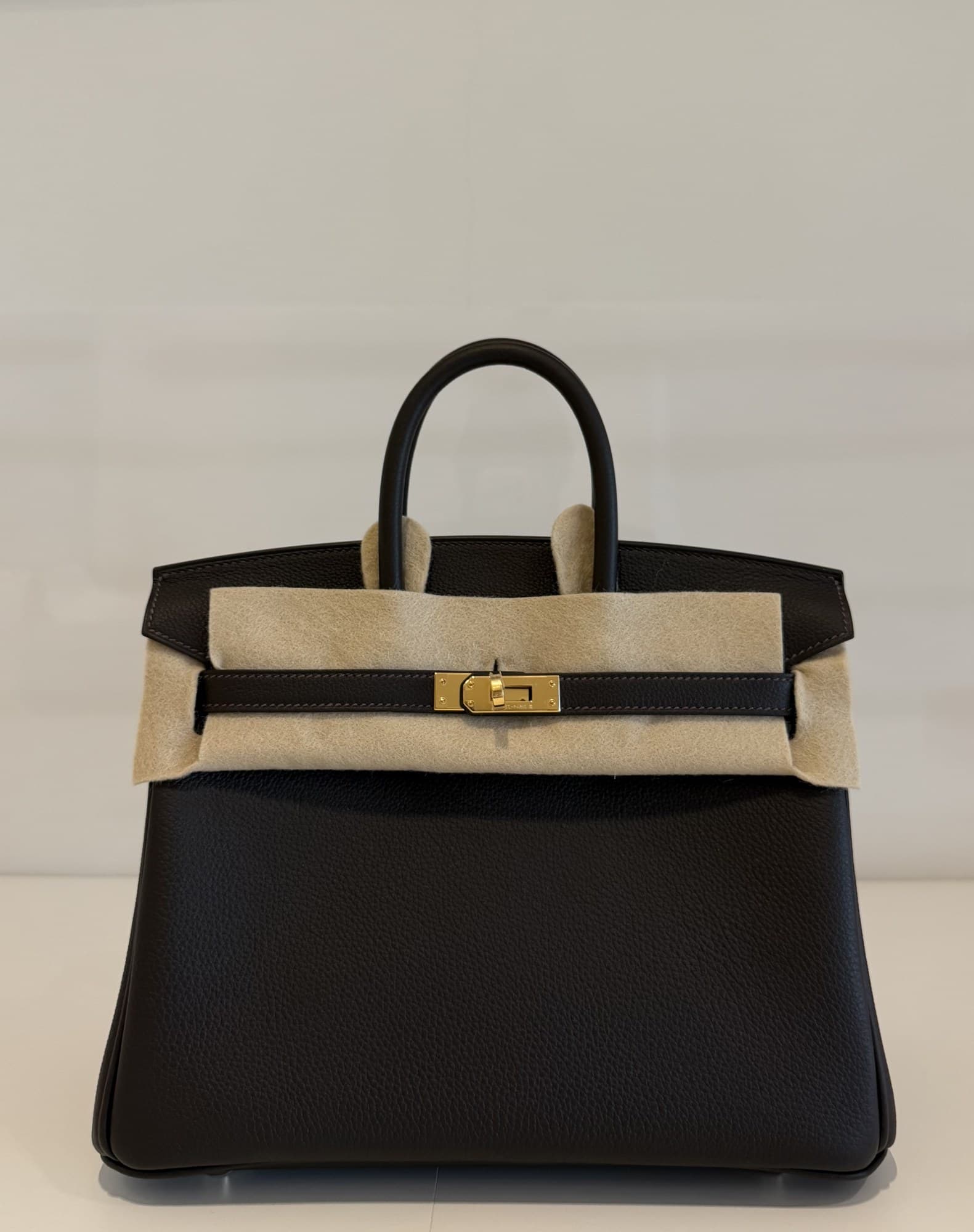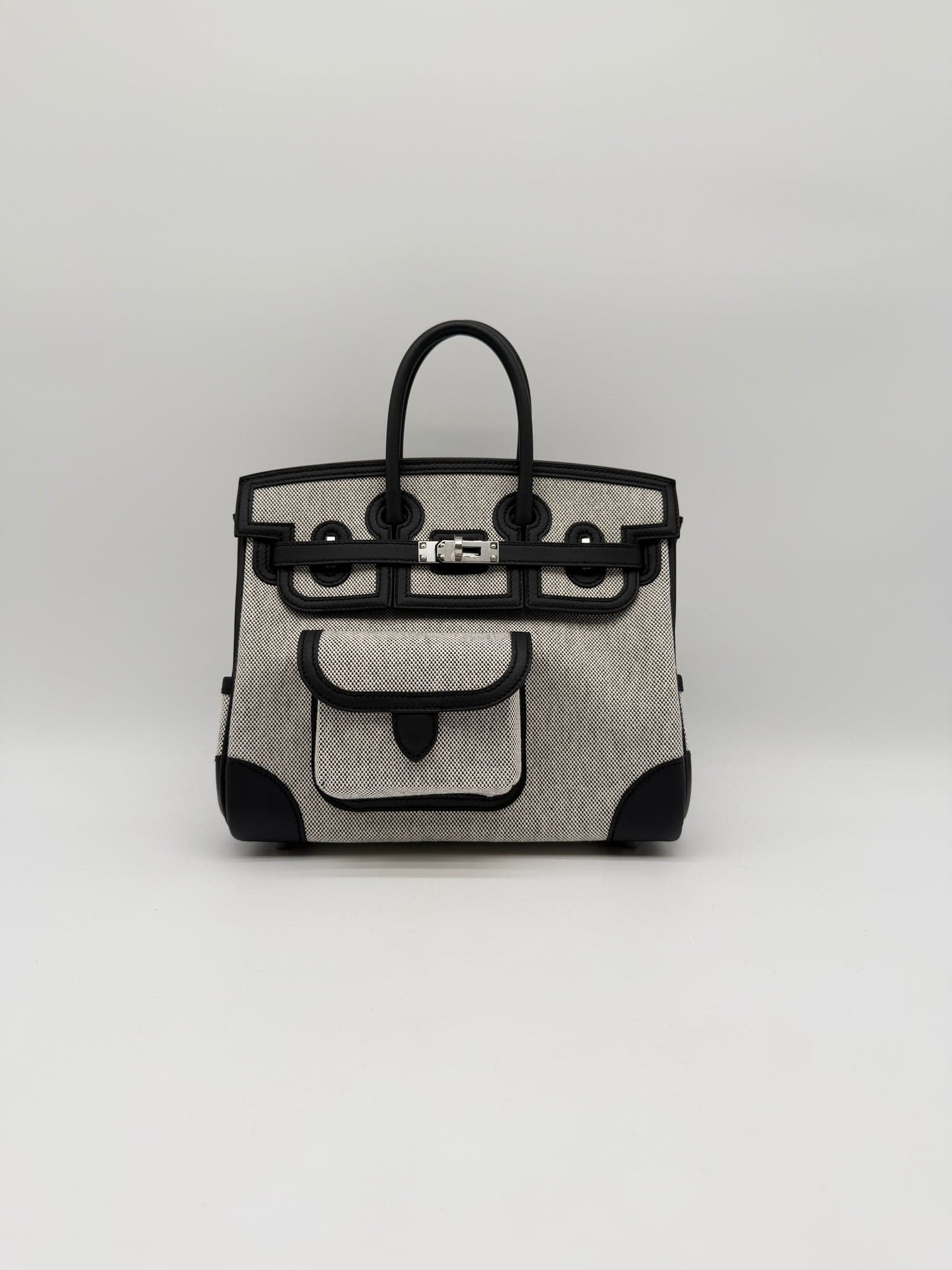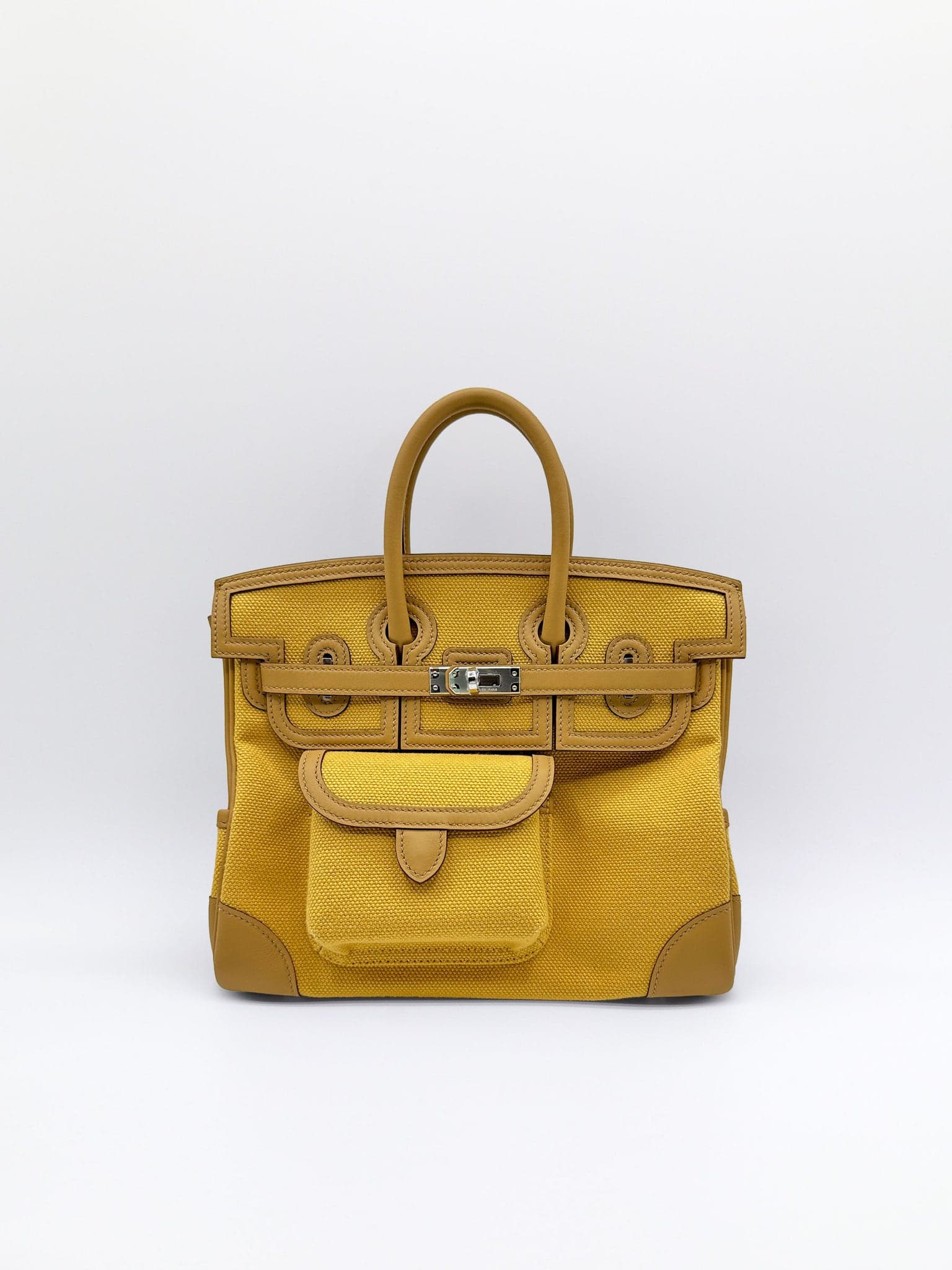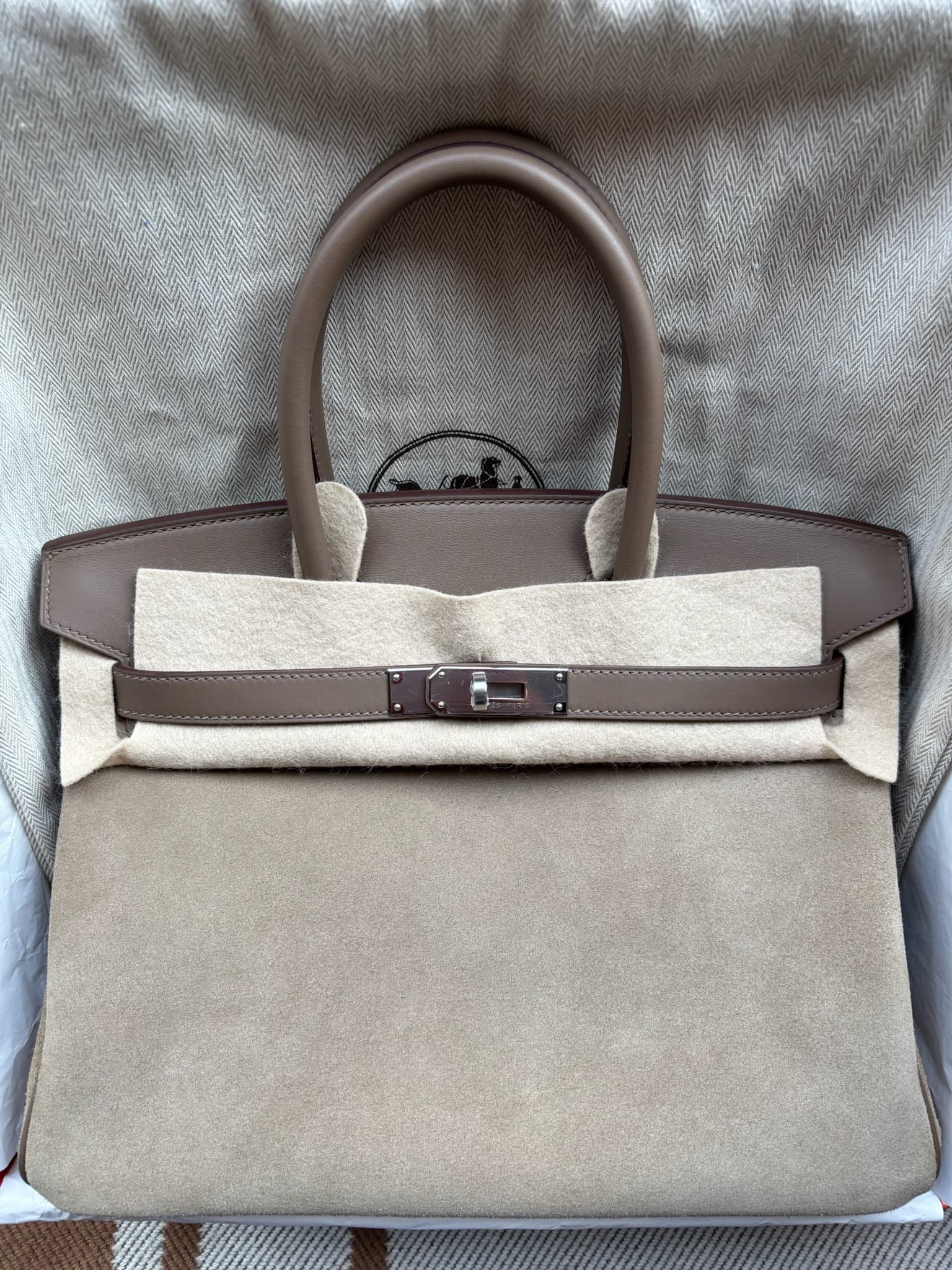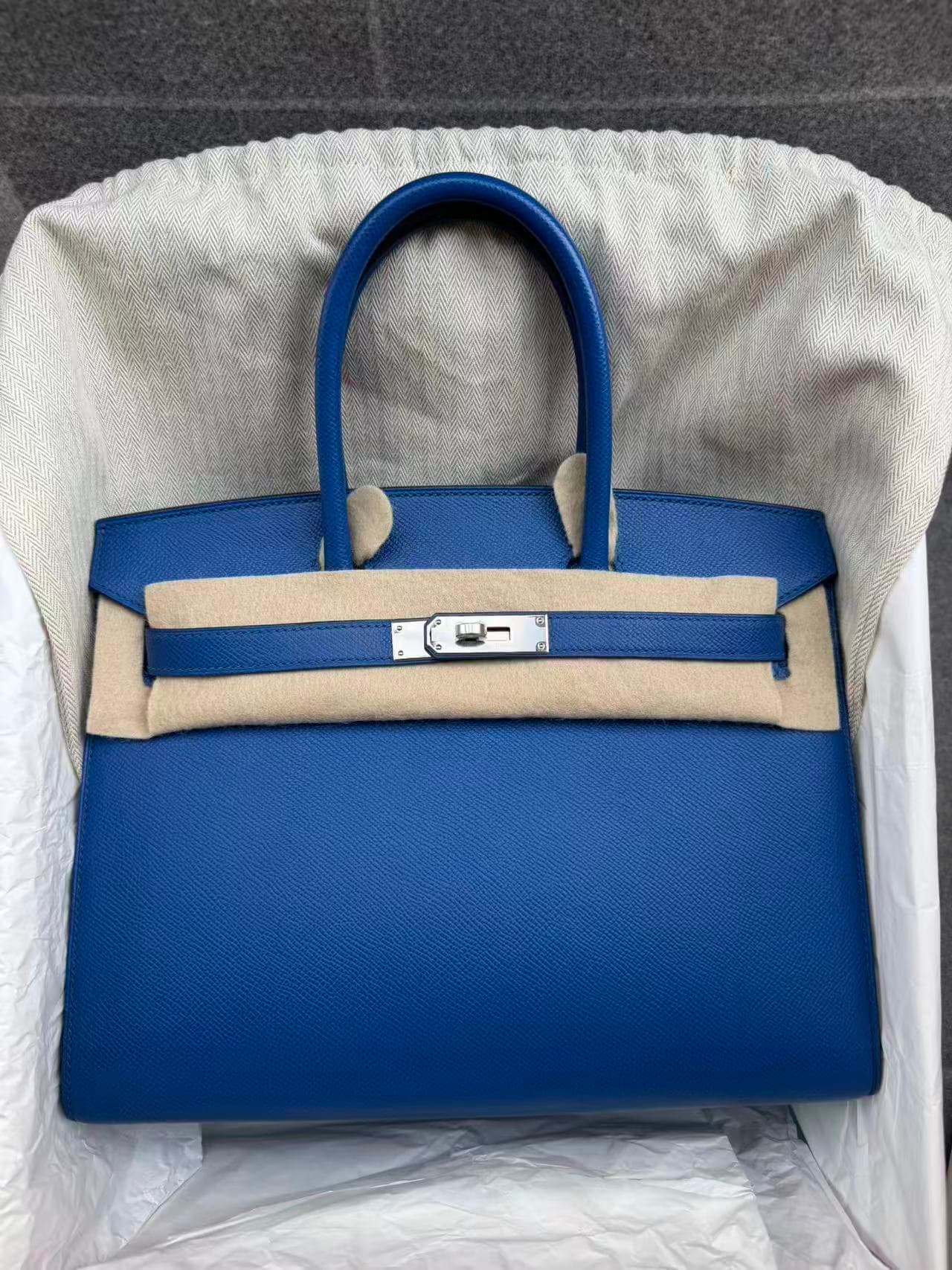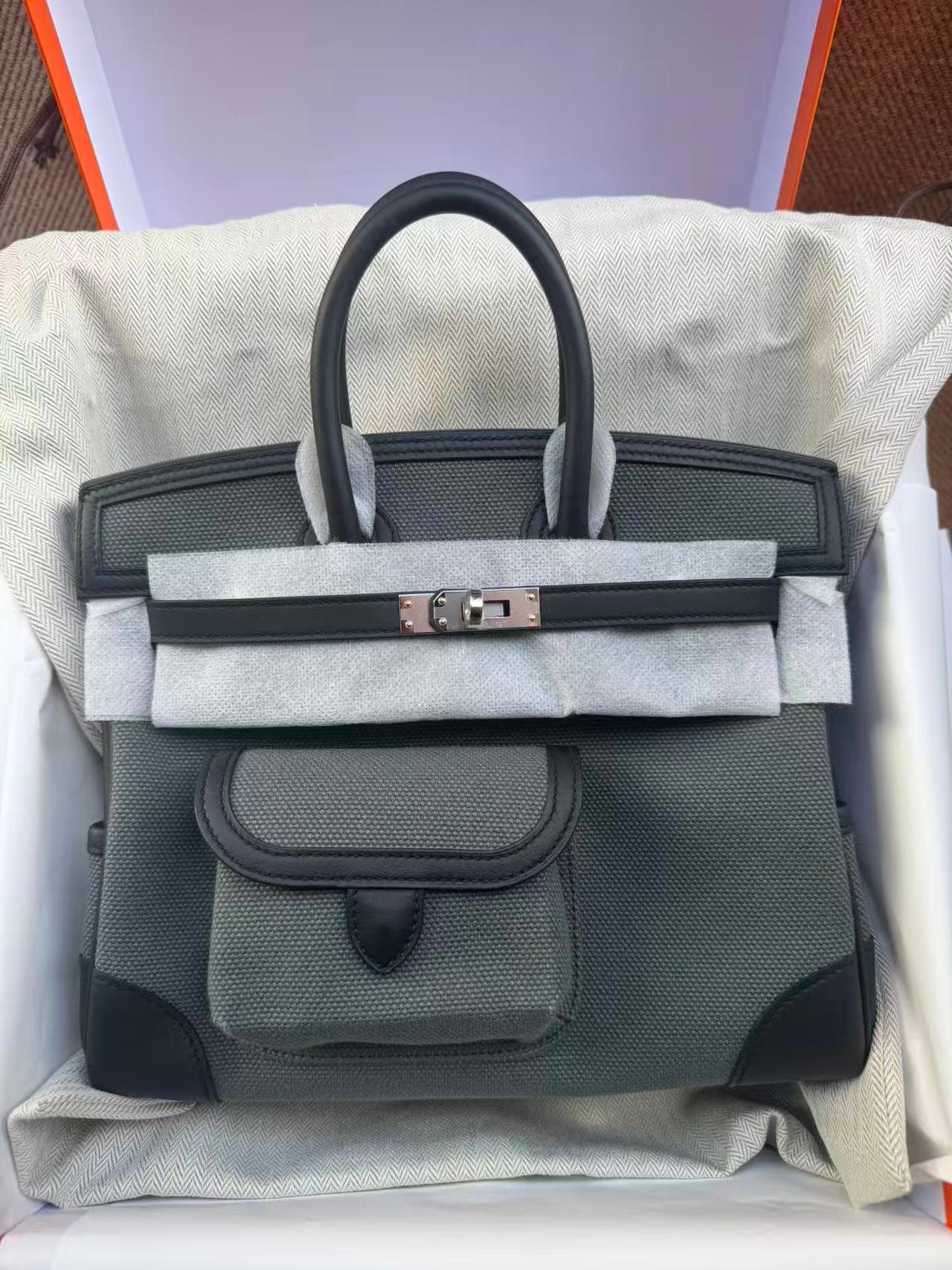
One year ago this month, in a saleroom in Paris, a scuffed, sticker-marked, well-travelled black leather bag — nail clippings on the strap, decades of use in its creases — sold for $10.1 million. It was, of course, not any bag. It was the original Birkin: the 1985 prototype Hermès made for Jane Birkin herself, the bag from which every Birkin since has descended. In roughly ten minutes of bidding at Sotheby's, it became the most expensive handbag ever sold, obliterating the previous record — the $513,040 paid in 2021 for a White Himalaya Niloticus Crocodile Diamond Retourné Kelly 28 — by a factor of nearly twenty.
Twelve months on, with the anniversary upon us, the question every Hermès owner quietly asked that week deserves a proper answer: what did the $10 million Birkin actually do to the value of yours?
The honest answer — and at JULL we prefer honest answers to convenient ones — is: two very different things at once. The record sale poured rocket fuel on one half of the market and did almost nothing for the other. Understanding which half your bag sits in is the single most useful thing you can take from this article.
The Sale Itself: Ten Minutes That Rewrote the Ceiling
A brief reconstruction, because the details matter to what followed. The bag Sotheby's offered in July 2025 was not merely "a Birkin owned by Jane Birkin." It was the ur-Birkin — the one Jean-Louis Dumas had made after sketching the design on an Air France sick bag next to the actress in 1984. It carried her initials, the marks of hard daily use, and provenance that no other handbag on earth could match.
Estimates ahead of the sale were coy. The previous handbag record was half a million dollars; even bullish observers whispered low single-digit millions. When the hammer finally fell, the price — €8.6 million, $10.1 million with fees — placed a handbag in the same value territory as important paintings, vintage Ferraris and blue diamonds.
And it wasn't a one-off spasm. Five months later, in December 2025, Le Birkin Voyageur — one of only four Birkins Hermès gifted to Jane Birkin during her lifetime — sold in Abu Dhabi for $2.9 million. Two of the five most expensive handbags ever sold changed hands within six months of each other. A new asset class had, quite publicly, announced itself: the provenance Birkin.
What Happened Next: The Numbers
The twelve months since have produced the most dramatic — and most misread — data the handbag market has ever generated. Here is what actually happened, laid out plainly.
Auction volume exploded. Sotheby's reported Hermès bag sales up roughly 44% in 2025 versus 2024, with Birkin sales specifically up more than 70% year on year and up 95% against 2023. Average resale prices achieved at Sotheby's rose approximately 35% in 2025 alone. The record sale didn't just set a price; it recruited an audience. Collectors who had never considered a handbag a serious asset watched a bag outsell most Impressionist paintings that week, and a meaningful number of them decided they wanted in.
Retail kept climbing. Hermès raised boutique prices again in January 2026 — between roughly 4% and 10% depending on the model and market. A Birkin 25 in Togo now retails at $13,500 in the United States (up from $12,700) and €9,600 in Europe (up from €8,950, a 7.3% rise). The ten-year picture is remorseless: the same bag retailed at around $9,400 in 2016. Hermès has never needed the auction market's permission to raise prices, but a $10 million headline does make a 7% increase feel almost modest.
And yet — average resale premiums compressed. Here is the part the celebratory coverage skipped. Across the broad secondary market, the average Birkin resale premium fell from roughly 2.2 times retail to about 1.4 times over the same period. More bags came to market as owners decided the moment had come to sell; pandemic-era speculative money continued to unwind; and aspirational buyers, squeezed by the wider economy, pulled back from the entry end of the market.
Read those three facts together and the story becomes clear. The market did not rise or fall. It split.
The Great Bifurcation: Trophy Bags and Everything Else
What the $10 million Birkin actually did was draw a bright line through the Hermès secondary market.
Above the line: bags with a story. Rare leathers, discontinued colours, limited editions, special orders, exceptional vintage, anything with documented provenance — this half of the market has had the best year in its history. When the ceiling moves from $500,000 to $10 million, everything underneath it gets re-priced in the imagination of collectors. Auction houses report fierce competition precisely at the top: Himalayas, HSS pieces, first-generation stamps, bags connected to notable owners. If the World Cup summer taught us anything — as we covered in our piece on Haaland's Hermès collection — it's that scarcity with a narrative now trades like art.
Below the line: the commodity Birkin. A five-year-old Birkin 30 in Étoupe Togo with palladium hardware remains a wonderful bag — but there are many of them, and the resale premium on such pieces has genuinely softened. They still sell above retail, which makes the Birkin nearly unique among consumer goods, but the froth of 2021-2023, when any Birkin flipped instantly at 2x, is gone. The market has matured: it now prices individual bags, not the word "Birkin."
This bifurcation is not bad news. It is the sign of a market growing up — behaving less like a sneaker drop and more like the art market, where masterpieces and mid-career works have always moved on different curves. Our Birkin investment analysis covers the long-run numbers in depth.
So What Is Your Bag Worth Now? A Practical Framework
Strip away the headlines and your Hermès sits somewhere on this ladder. We use a version of this framework in every valuation we do at JULL.
Tier 1 — Provenance and grails. Himalayas, exotics in rare colours, HSS special orders, limited editions (Endless Road, Faubourg, Picnic), first-owner documented pieces, anything pre-1990 in fine condition. Values up meaningfully over the last twelve months; auction is genuinely worth considering for the best of these, and we advise clients candidly when a bag belongs in a saleroom rather than a showroom.
Tier 2 — The strong middle. Sought-after specs in excellent condition: Birkin 25s, Kelly 25s and 28s, black/gold/étoupe in Togo or Epsom, gold hardware, full sets with receipts. Holding firm and quietly appreciating, helped by every retail increase. The 2026 boutique price rise alone lifted the floor under these bags by several hundred pounds. Our resale colour index shows which shades carry the premium.
Tier 3 — The honest rest. Larger sizes in common neutrals, well-worn examples, unfashionable colours. Still liquid, still above or near retail, but no longer riding a rising tide. For these bags, condition and presentation do more for the final price than the market does — our care guide is, in a very real sense, an investment document.
If you're selling: the bifurcation means timing and channel matter more than ever. A Tier 1 bag deserves patience and the right buyer; a Tier 3 bag benefits from selling before supply grows further. We buy outright and take consignments at our Chelsea Harbour showroom, and we'll tell you frankly which tier you're holding — start with a valuation. For the seasonal picture, see when to sell.
If you're buying: compressed premiums in the middle market are, bluntly, a gift. The gap between boutique price (if you could get the call, which is its own saga — see our allocation explainer) and secondary price is the narrowest it has been in years for standard specs. Buyers in 2026 are getting more bag for their money than at any point this decade. The current selection is in our Birkin gallery.
A Decade of Birkin Money: The Reference Table
To see how unusual the past twelve months were, it helps to put them against the ten-year backdrop. The boutique price of the reference bag — a Birkin 25 in Togo — has moved like this:
| Year | US retail (B25 Togo) | Note |
|---|---|---|
| 2016 | ~$9,400 | The quiet years — resale premium modest |
| 2019 | ~$10,300 | Steady 2–3% annual increases |
| 2021 | ~$10,900 | Pandemic money arrives; resale premiums peak near 2x+ |
| 2023 | ~$11,600 | Sharpest run of retail increases begins |
| 2025 | $12,700 | July: the $10.1M record resets the ceiling |
| 2026 | $13,500 | January increase of 6.3%; Europe up 7.3% to €9,600 |
Two things stand out. First, retail has risen ~44% in a decade — brisk, but nothing like the headlines suggest. The spectacular returns in Hermès have never come from retail inflation; they come from the gap between allocation and demand, which is exactly what the auction market now prices openly. Second, the events of 2025–26 didn't accelerate the retail curve at all — Hermès raised prices in 2026 by roughly what it raised them in 2024. The revolution happened entirely on the secondary side, in which bags the money now chases.
The Auction Machine Has Been Rebuilt Around Bags
One structural change of the past year will outlast every price movement: the auction industry re-organised itself around handbags. Sotheby's — having banked the record and watched Hermès sales grow 44% in a year — expanded its dedicated handbag operation across Paris, New York and Hong Kong; Christie's responded in kind; both houses now run bags as a year-round category with the marketing muscle previously reserved for watches and jewels.
For owners, this matters practically. Five years ago, selling a rare bag meant dealer networks or taking your chances online; auction was an afterthought for all but museum pieces. Today a genuinely rare bag — an exotic, an HSS special order, a discontinued colour in exceptional condition — has a credible auction route with global bidding. The trade-off remains what it always was: auction takes months, costs 15–25% in fees across both sides, and carries estimate risk. For Tier 1 bags the reach can justify it; for everything else, the private route — dealer or specialist — remains faster, quieter and frequently nets more. We advise clients case by case, and candour occasionally means telling someone their bag deserves a saleroom rather than our stock room.
The Anniversary Question: Could It Happen Again?
Is there another $10 million bag out there? Almost certainly — but not many. The remaining three Birkins from Jane Birkin's personal quartet are now, by extension, seven-figure objects (Le Birkin Voyageur's $2.9 million result proved it within months). Beyond that charmed circle, the candidates are the great Himalayas, unique HSS pieces, and bags with genuinely historic ownership. The record's real legacy isn't the number itself; it's that serious money now watches this market. Sotheby's and Christie's have expanded their handbag departments accordingly, and every major auction week now includes bags as a matter of course.
For the rest of us, the lesson of the last twelve months is quieter and more useful: the market now rewards exactly the things Hermès itself has always stood for — rarity, condition, story, and patience. Buy the best example you can find of the most distinctive bag you love, keep it beautifully, keep every piece of paper, and the market will take care of the rest.
The Spillover: What the Year Did to Kelly, Constance and the HAC
The record was a Birkin, but the money it summoned did not stay in one silhouette. The Kelly — structurally scarcer than the Birkin at most boutiques — tracked the same bifurcation with, if anything, firmer results at the top: Sellier Kellys in fresh condition became arguably the strongest standard-spec performers of the year, and the Mini Kelly's allocation frenzy continued entirely unbothered by premium compression elsewhere. The Constance held steady in its quiet, chic corner. And the HAC — a footnote in most price guides eighteen months ago — became the year's genuine outlier for a reason nobody predicted: a Norwegian striker walked one down aeroplane steps at the World Cup, and men's Hermès demand arrived as an entirely new bid under large sizes. If the auction record moved the ceiling, the football summer widened the floor. A market that gained new buyers at both ends in twelve months is not one to bet against.
The Next Twelve Months: Three Honest Scenarios
Nobody prints forecasts they'll be held to; we will. Base case (most likely): the bifurcation matures — rare and provenance pieces keep appreciating on auction-house momentum, standard specs stabilise at today's premiums as post-record supply is absorbed, and January 2027 brings the ritual 4–8% retail increase that lifts every floor again. Bull case: another headline sale — a remaining Jane Birkin bag, a museum-grade Himalaya — reignites the cycle, and the men's segment keeps compounding; middle-market premiums re-expand toward 1.6–1.8x. Bear case: a broader luxury downturn thins aspirational demand further; common-spec premiums touch parity with retail in soft months — at which point, history suggests, the smartest buyers of the following decade will be quietly filling their shelves. In every scenario the same specs sit safest: 25cm quota bags, classic neutrals, exotics with paperwork, special orders. Which is to say: the record year changed the weather, not the climate.
Frequently Asked Questions
How much did Jane Birkin's original Birkin sell for? $10.1 million (€8.6 million including fees) at Sotheby's Paris in July 2025 — the highest price ever paid for a handbag, nearly twenty times the previous record of $513,040 set by a Himalaya Diamond Kelly 28 in 2021.
Did the record sale increase the value of ordinary Birkins? Indirectly and unevenly. Auction volumes and prices for rare and provenance pieces rose sharply — Sotheby's average resale prices were up around 35% in 2025 — but average resale premiums on common-spec Birkins actually compressed from about 2.2x to 1.4x retail as more supply came to market. Rare bags rose; ordinary bags normalised.
Are Birkins still a good investment in 2026? The best specs — 25cm sizes, classic neutrals, gold hardware, exotics, special orders — continue to appreciate and comfortably outperform most consumer assets. The middle of the market still trades above retail but with slimmer premiums than the pandemic years. Buy for love first, spec second, speculation a distant third.
Why did Birkin resale premiums fall if demand is so strong? Because supply responded: record headlines brought thousands of ordinary bags to market as owners chose to sell, while pandemic-era speculative buying continued unwinding. Demand concentrated on rare pieces; common specs met more competition from each other. Strong market, thinner froth — a healthy correction, uncomfortable only for flippers.
Should I sell my Birkin at auction or privately? Auction suits genuinely rare bags — exotics, special orders, provenance pieces — where global bidding can exceed any private offer, at the cost of months of lead time and combined fees of 15–25%. Standard-spec bags almost always net more, faster, through a specialist sale or consignment. An honest valuer will tell you which side of that line your bag sits on.
How do I find out what my Hermès bag is worth now? Condition, size, leather, colour, hardware, year and paperwork all move the number materially — more than ever in a bifurcated market. JULL offers honest valuations from our Chelsea Harbour showroom, whether you're selling outright, consigning, or simply curious. Get in touch.
---
JULL is a specialist Hermès personal shopping service in Chelsea Harbour, London. We source, authenticate, buy and sell new, unworn and pre-owned Birkin, Kelly and other Hermès pieces — from daily-wear classics to collection-grade rarities. Every bag can be viewed in person at our Chelsea Harbour showroom. Browse available bags or request a valuation.