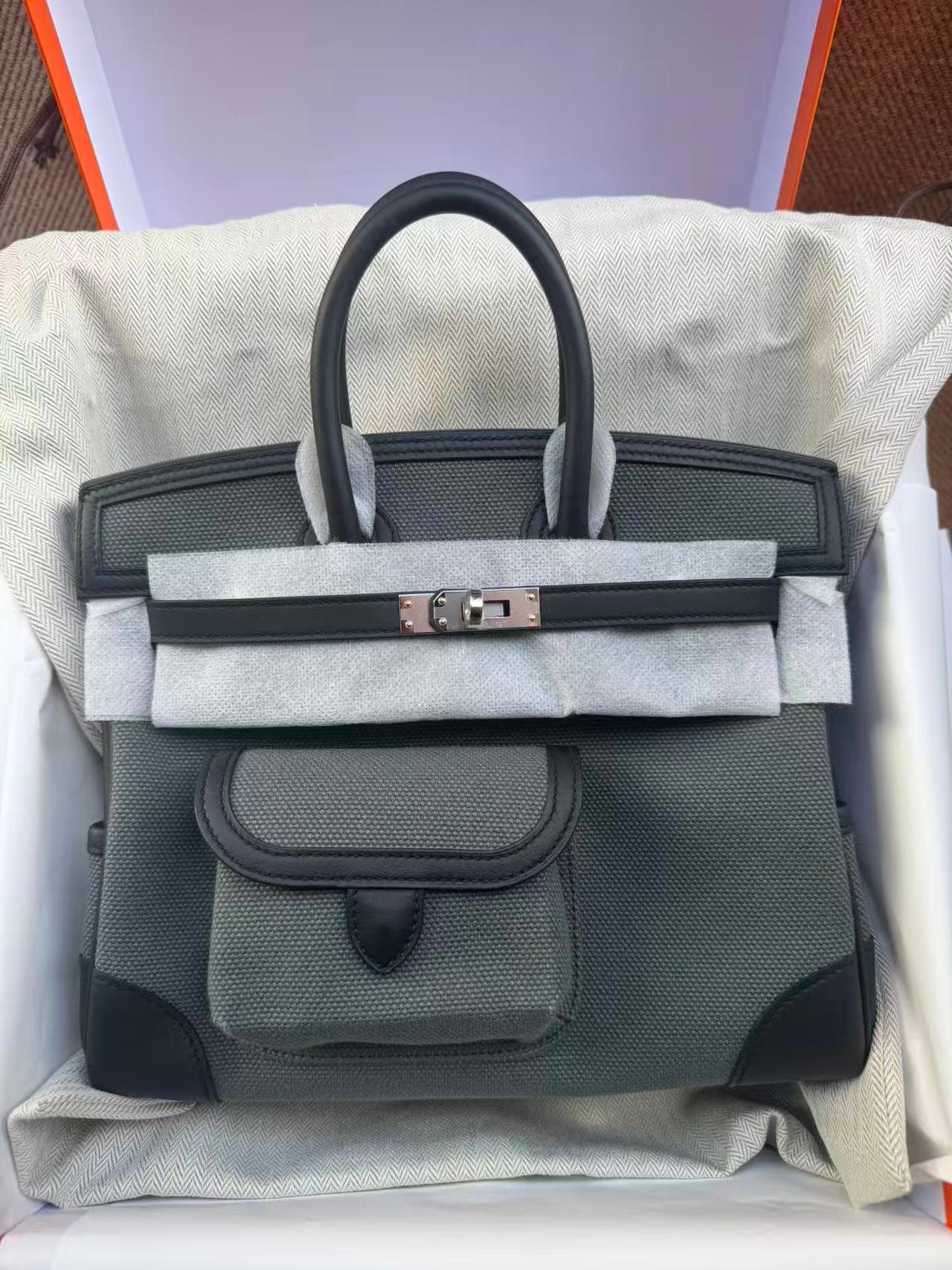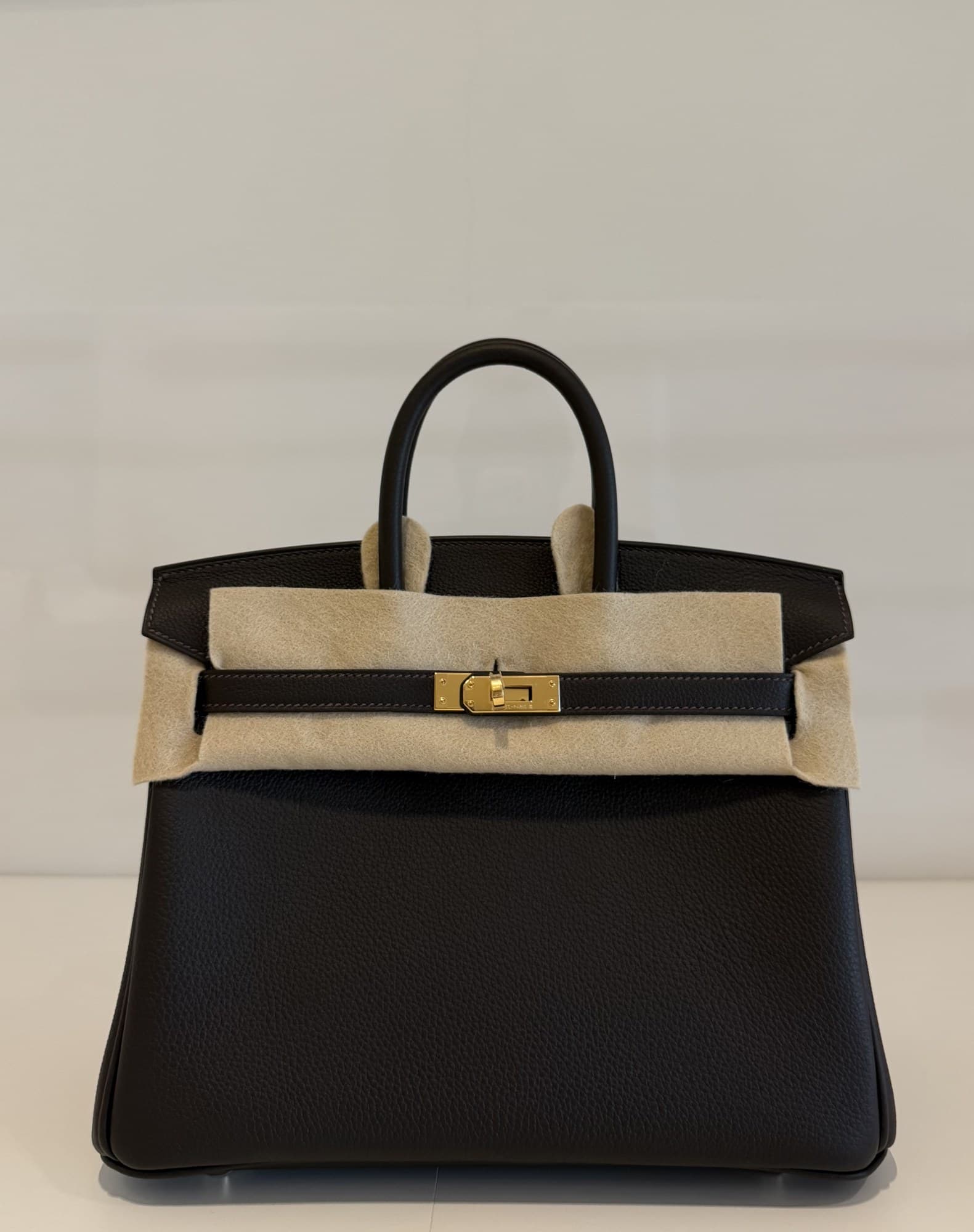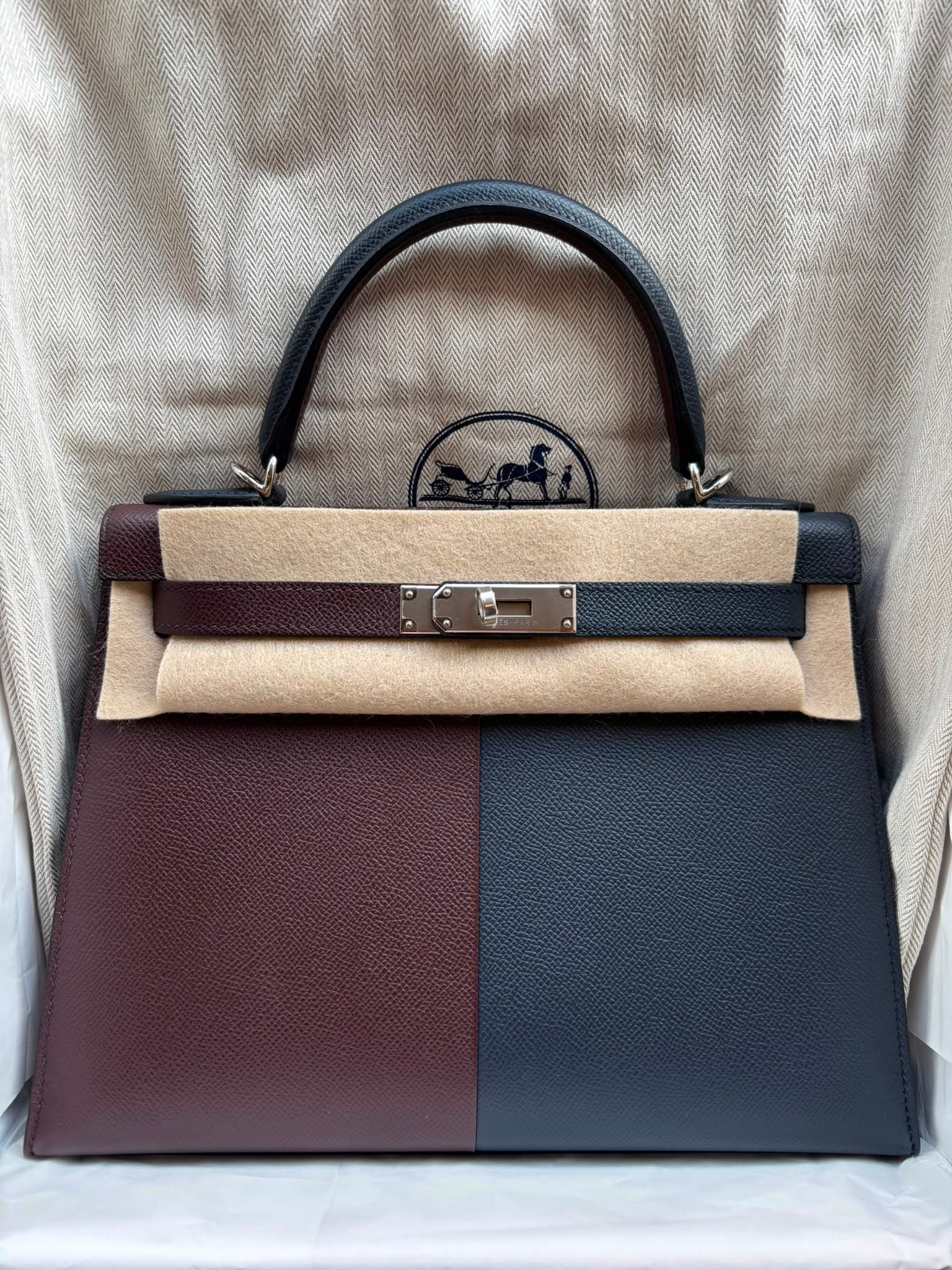
Two ways to buy a Birkin: the boutique, at retail, if and when Hermès offers you one; or the specialist market, today, at a premium. Neither is wrong, and anyone who tells you one of them is a scam is selling the other. Here is an honest, detailed account of both routes — from a house that lives on one of them.
What the boutique gives you
Start with the genuine advantages, because they are real. Retail price sits meaningfully below the open market for quota bags — often by half or more. The ceremony is unmatched: the appointment, the orange box carried out of the flagship, the knowledge that your bag has had exactly one owner. A matured relationship brings privileges money cannot directly buy elsewhere — special orders in your own colour combination, first refusal on new lines, invitations. And for everything that is not a quota bag — silk, tableware, belts, most small leather goods, many of the workhorse bags — the boutique is simply the natural place to shop, no strategy required.
How allocation actually works
The icons are allocated, not sold. Ask a sales associate for a Birkin as a new customer and the answer — delivered kindly — is that none are available; what is meant is that none are available to you, yet. Bags are offered to established clients on the strength of purchase history: sustained spending across the house’s other categories, relationship with a specific associate, patience measured in years. The mechanism, unofficial spend ratios and all, is unpacked in the quota system explained. Three consequences matter for this comparison. The history itself costs real money — spent on things you may or may not have wanted. The timeline is open-ended: a year for some, several for many, never for walk-ins who do not commit to the game. And the endpoint is one offer, of one bag, in a configuration you did not choose — decline it and you may wait long for the next.
What the specialist gives you
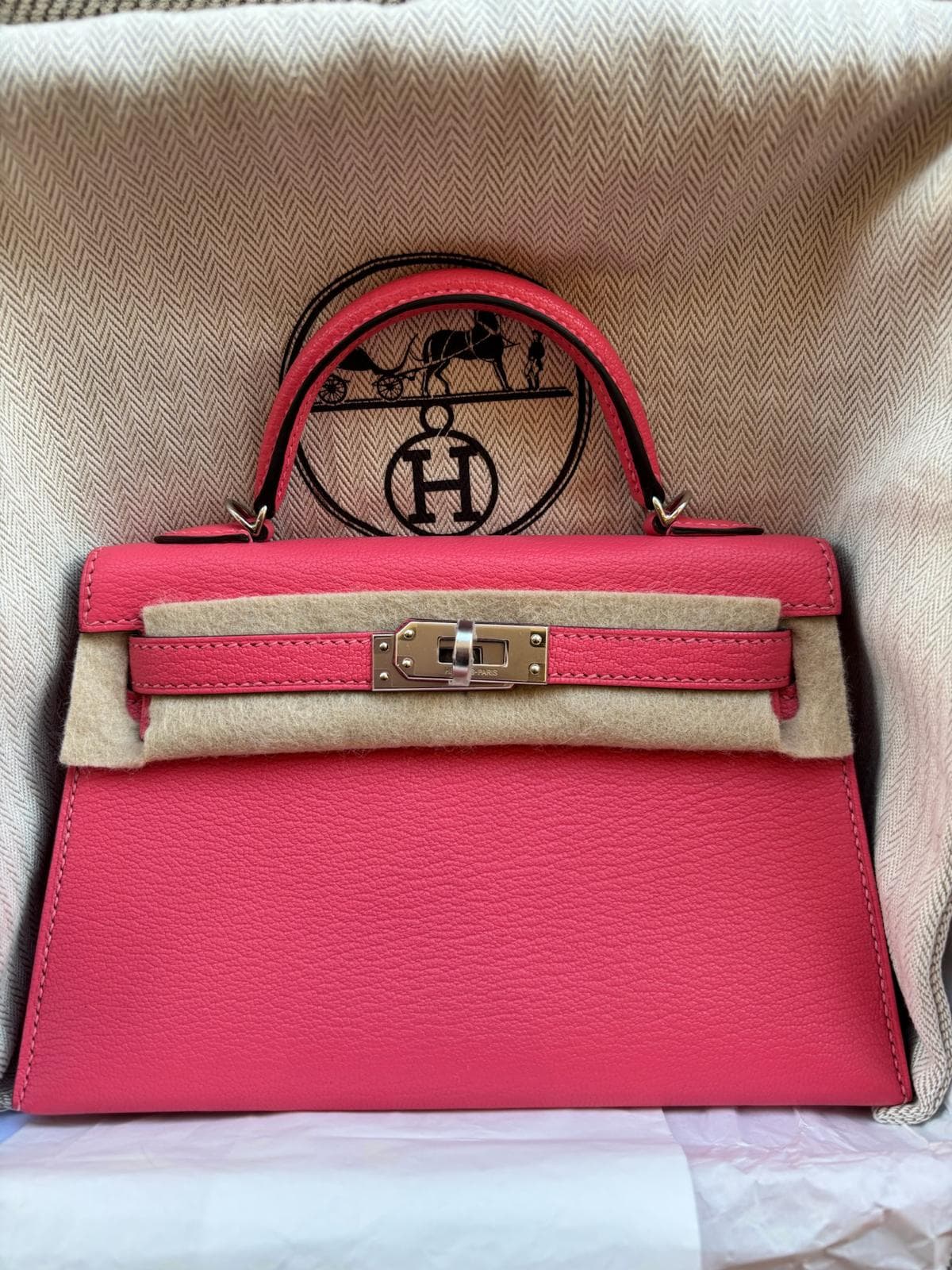
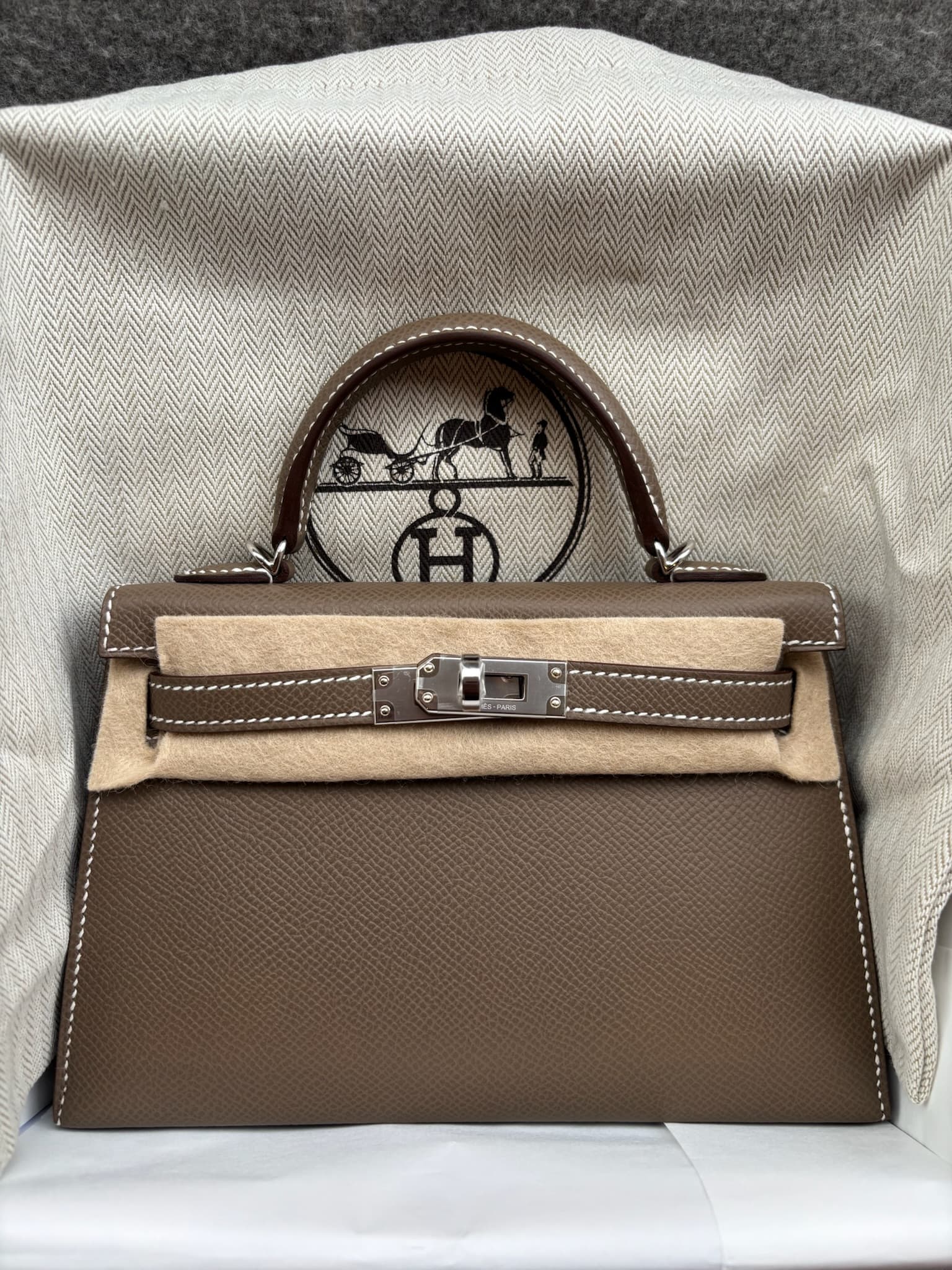
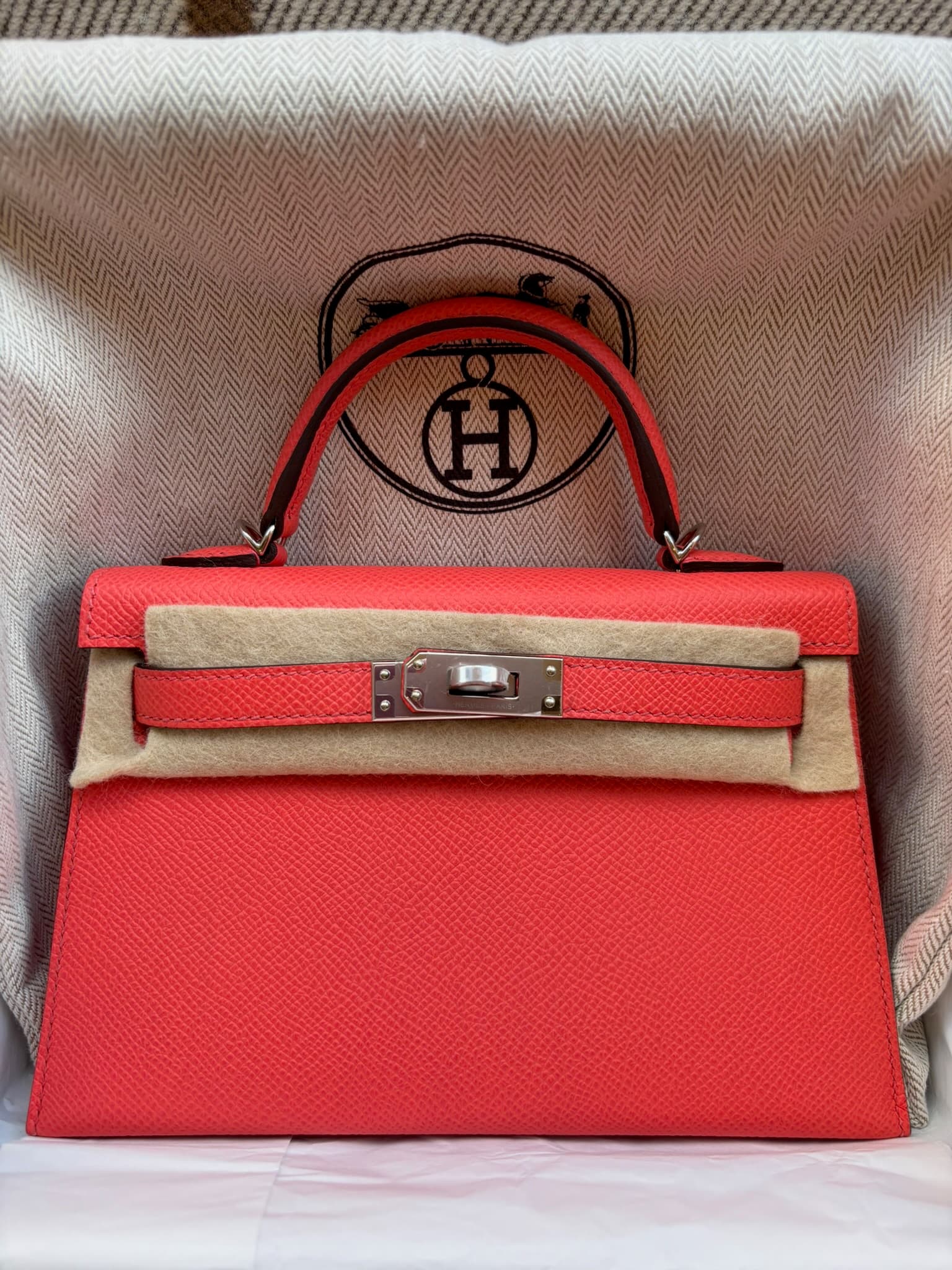
Choice and immediacy — which sounds thin until you price what they replace. On byjull.com more than two hundred pieces are on the page right now: Birkins from around 16,500 pounds, Kellys from 17,800, the largest Mini Kelly selection in London, Constance, exotics, special orders. You choose the size, the colour, the leather and the hardware, rather than accepting the single configuration retail happened to offer. Each listing photographs the exact item — corners, hardware, stamp — so condition is a fact you inspect, not a promise. New, unworn and pre-owned sit side by side, priced accordingly. And the transaction takes an afternoon, not an era.
The price difference, priced honestly
A quota bag on the open market costs more than its retail sticker — sometimes half as much again, sometimes multiples for the rarest configurations. That premium is not conjured: it is what a rationed supply meets when demand is unrationed, the economics we set out in why Hermès is so expensive. But the retail figure is not the true cost of the boutique route either. Add the purchase history built to earn the offer — spending that can approach the bag’s own price — the years of waiting, and the risk that the offered bag is not the wanted bag. Counted that way, the two routes stand far closer than the stickers suggest; for a buyer who wants a specific configuration, the specialist route is frequently the cheaper of the two in real terms.
Condition, risk and guarantees
The boutique sells factory-fresh, full stop — no argument there. The specialist market answers with verification: at JULL every piece is authenticated in-house before listing, photographed as the exact item, and covered by a written policy under which a piece proven inauthentic is refunded in full. What you lose in factory ribbon you gain in choice of condition and price — an unworn piece with plastic on the hardware, or a gently carried example thousands below it. The diligence rules for choosing a trustworthy specialist are in our reseller guide and is it safe to buy Hermès online.
So which should you choose?
Cultivate the boutique if you have years, patience, genuine appetite for the house’s other categories, and flexibility about the final bag — the rituals are part of the pleasure, and the retail delta is real if the game plays out. Go to the specialist when you want a specific bag, this season, in the configuration you actually want — or when the bag is discontinued, exotic or special-order and retail never had it to sell. In practice the sophisticated answer is both: many of our clients keep a boutique relationship for the love of it and come to JULL for the bag itself. The two routes are complements, not rivals.
How buying from JULL works
Reserve any piece online with a 25% deposit — the first 3,000 pounds placed instantly on the product page — then settle by bank transfer or secure pay-by-bank link; how deposits work has the detail. Private viewings in London by appointment; insured tracked delivery anywhere in the UK, typically next working day. Questions answered same-day on WhatsApp at +44 7704 870249.
A worked example: one bag, both routes
Make it concrete with a Birkin 25 in a neutral Togo — the most requested configuration in the world. Route one, the boutique: a sticker in the low five figures, reachable after purchase history that clients commonly describe as comparable to the bag's own price, accumulated over one to several years, with the final colour and hardware chosen by the house, not by you. Route two, the specialist: from 20,500 pounds on our current Birkin 25 shelf, this afternoon, in the exact configuration you searched for. If you genuinely want the house's other categories — the silk, the tableware, the jewellery — the boutique route's side-spending is consumption, not cost, and retail wins on pure cash. If you do not, the honest ledger reads differently: the specialist premium buys back years, eliminates the configuration lottery, and skips five figures of spending you never wanted. Neither answer is universal; the arithmetic is personal, and now it is explicit.
The half-way houses, briefly
Between the two clean routes sit hybrids worth naming. Auction houses surface rarities but sell as-seen with a quarter added in premium — the full comparison is in auction vs specialist. Peer-to-peer marketplaces run cheaper stickers against materially higher counterfeit and misdescription risk — the vetting rules in is it safe to buy Hermès online apply double there. And consignment stores split the difference in price and in accountability. The pattern across all of them: every pound saved off the specialist price is paid for in verification burden shifted onto you. Decide what your time and certainty are worth before deciding a marketplace bargain is one.
Ten questions to ask whoever you buy from
Wherever you land, the interrogation is the same, and a good seller enjoys answering it. Which registered company am I paying, and where is its number published? Are these photographs of the exact item? Who authenticated it, and in-house or outsourced? What exactly does the guarantee cover, in writing? What is the deposit, and what are its terms? How does the balance get paid — and is the account name the company's? How is delivery insured, and for how much? What condition grade is this piece, and what does that grade exclude? Has it been to the Hermès spa, and is there paperwork? What happens if I raise a concern the day it arrives? At JULL the answers are on the site before you ask — policies, deposits, authentication — which is itself the tell that matters most.
Where specialist stock actually comes from
A fair question deserves a plain answer: the open market exists because bags flow out of the allocation system as well as into it. Established boutique clients are offered more bags than they keep, and the surplus is sold on. Collections get edited — tastes change, sizes change, estates settle. Buyers who won the configuration lottery discover the colour was wrong for them after all. That outflow is the specialist market's supply, and it is why the shelf at byjull.com can hold thirty Mini Kellys while the boutique down the road displays none: we aggregate what a thousand allocation outcomes released. Every piece is then authenticated in-house before listing regardless of source — provenance is a story, verification is a process, and only the second one protects you.
And if you are reading this as an owner rather than a buyer, with a bag that has stopped earning its place, the specialist route runs the other way too. JULL takes Hermès on consignment at a payout figure agreed in pounds before listing, or buys outright for payment on the day; the comparison is on Consign your Hermès with JULL.
Starting each route this week
If the boutique route is yours, begin properly: choose one boutique and stay loyal to it, introduce yourself to a specific sales associate, buy what you genuinely love from the wider house, and state your wishlist plainly — vagueness earns nothing. Expect the relationship to be pleasant, unhurried and measured in seasons. If the specialist route is yours, the first step is an afternoon's reading: the live collection to calibrate prices, how deposits work for the mechanics, and the exact-item photographs of anything that tempts you. Then one message to WhatsApp +44 7704 870249 — what you want, what you would spend — and the search is running the same day. And if the honest answer is both routes at once, start both this week: they do not compete, and the boutique history you begin building today will still be maturing long after the specialist bag is on your shoulder.
Frequently asked questions
Does buying from a reseller hurt my boutique relationship?
No. The house neither tracks nor punishes open-market purchases — plenty of its best boutique clients are also the specialist market's best customers.
Can I sell my boutique allocation to JULL?
If you were offered a bag that is not quite you, yes — that outflow is exactly how the market works. How to sell covers valuation and payment.
Is it cheaper to buy from Hermès directly?
On sticker price, yes — but quota bags are allocated, not sold on request, and the purchase history needed to be offered one carries its own cost in money and years.
How long is the wait for a Birkin at the boutique?
There is no formal waitlist to join. Established clients may be offered a bag after one to several years of history; new walk-ins are rarely offered one at all.
Why do resellers charge over retail?
Rationed supply, unrationed demand. The premium is the market price of immediacy and choice — and it is remarkably stable because Hermès controls production at source.
Is a reseller bag “as good” as a boutique bag?
It is frequently the same bag, one transaction later. Condition is disclosed and photographed; unworn examples with protective plastic intact pass through our stock weekly.
Do reseller bags hold their value?
Quota bags bought at fair market prices have historically held value well — see the Birkin market review — though no bag should be bought as a guaranteed investment.
Can I do both — boutique and specialist?
Most serious collectors do exactly that: the relationship at the boutique for the pleasure and the special orders, the specialist for the specific bags retail will not produce on demand.