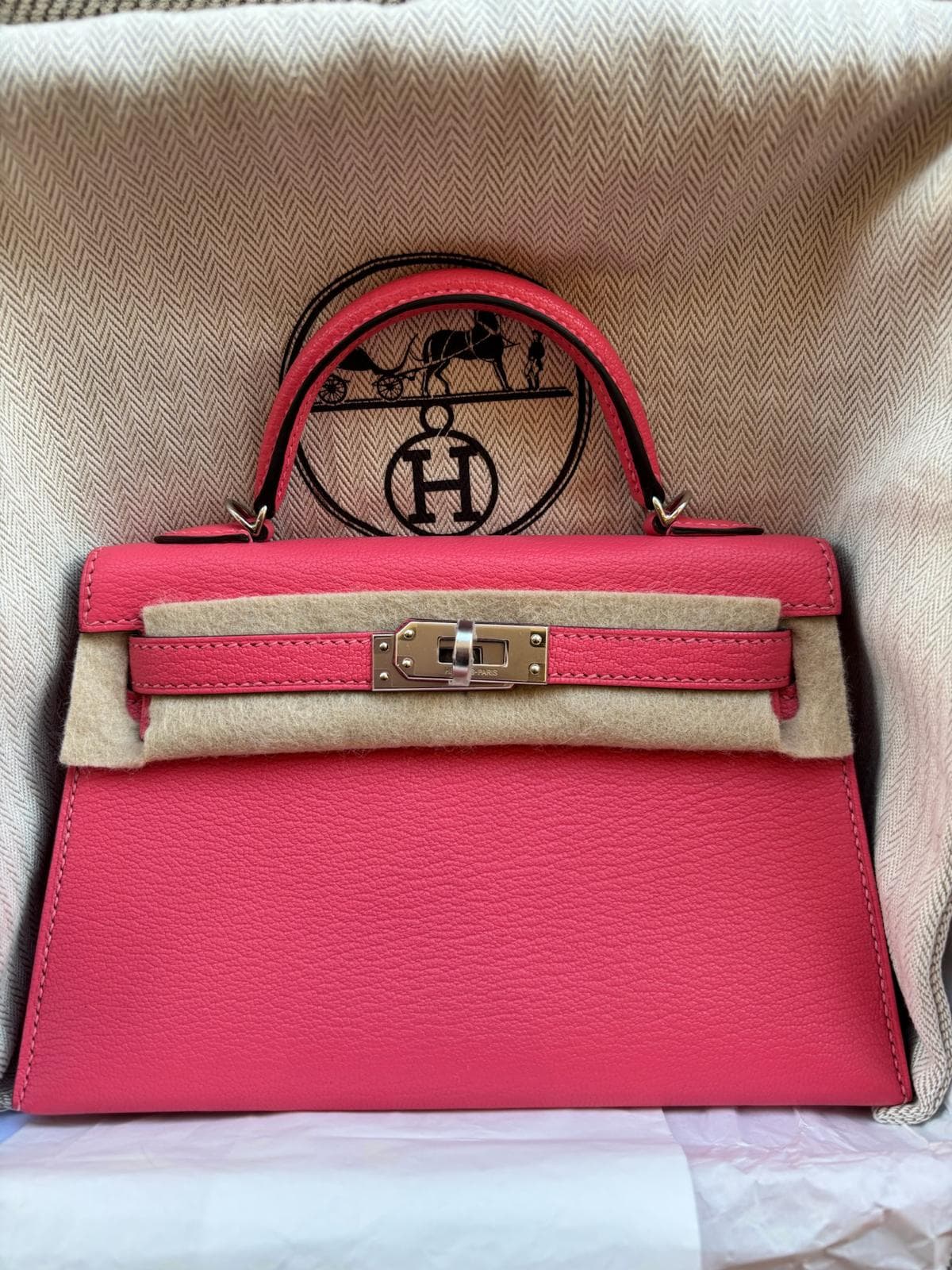
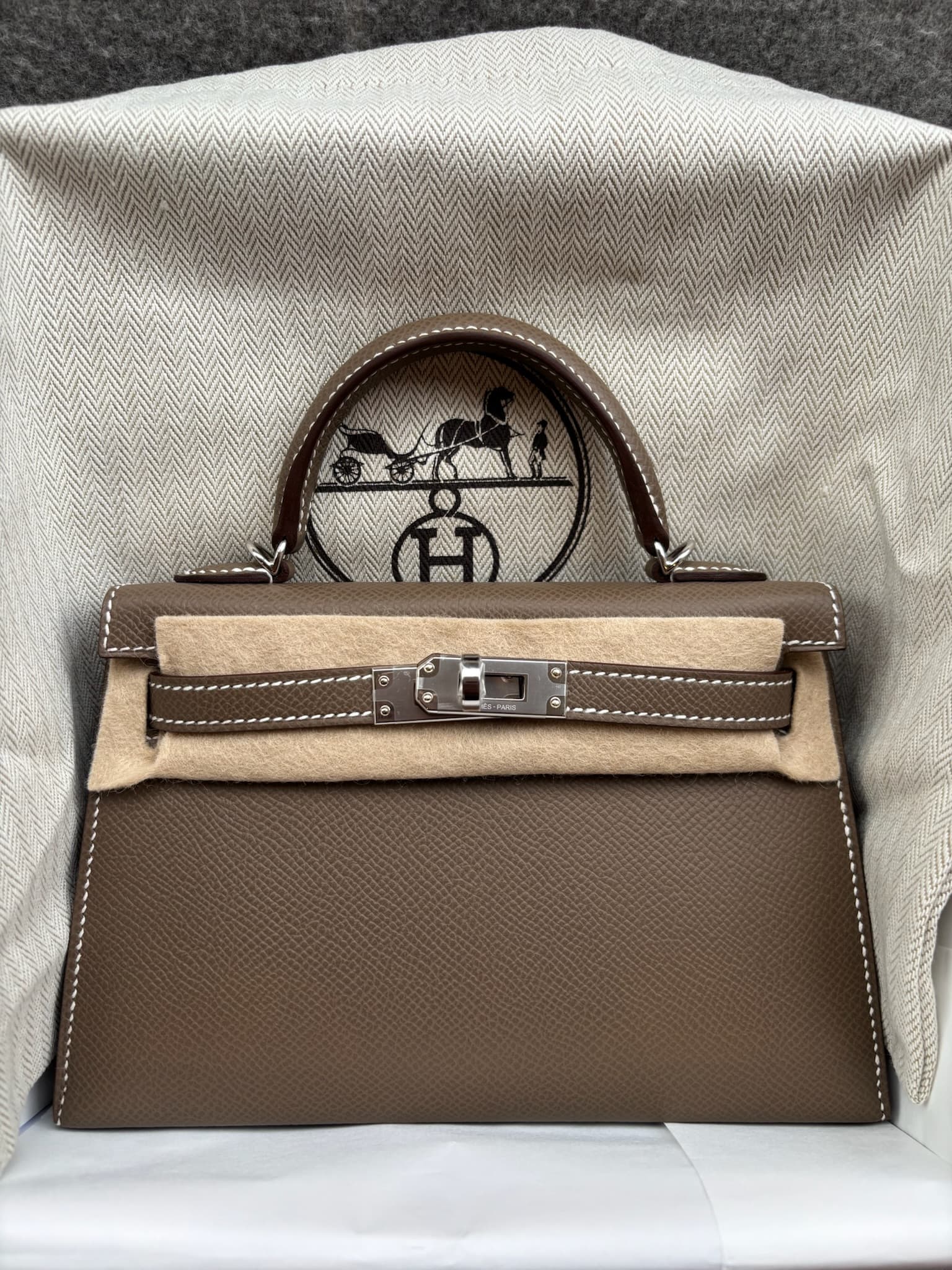
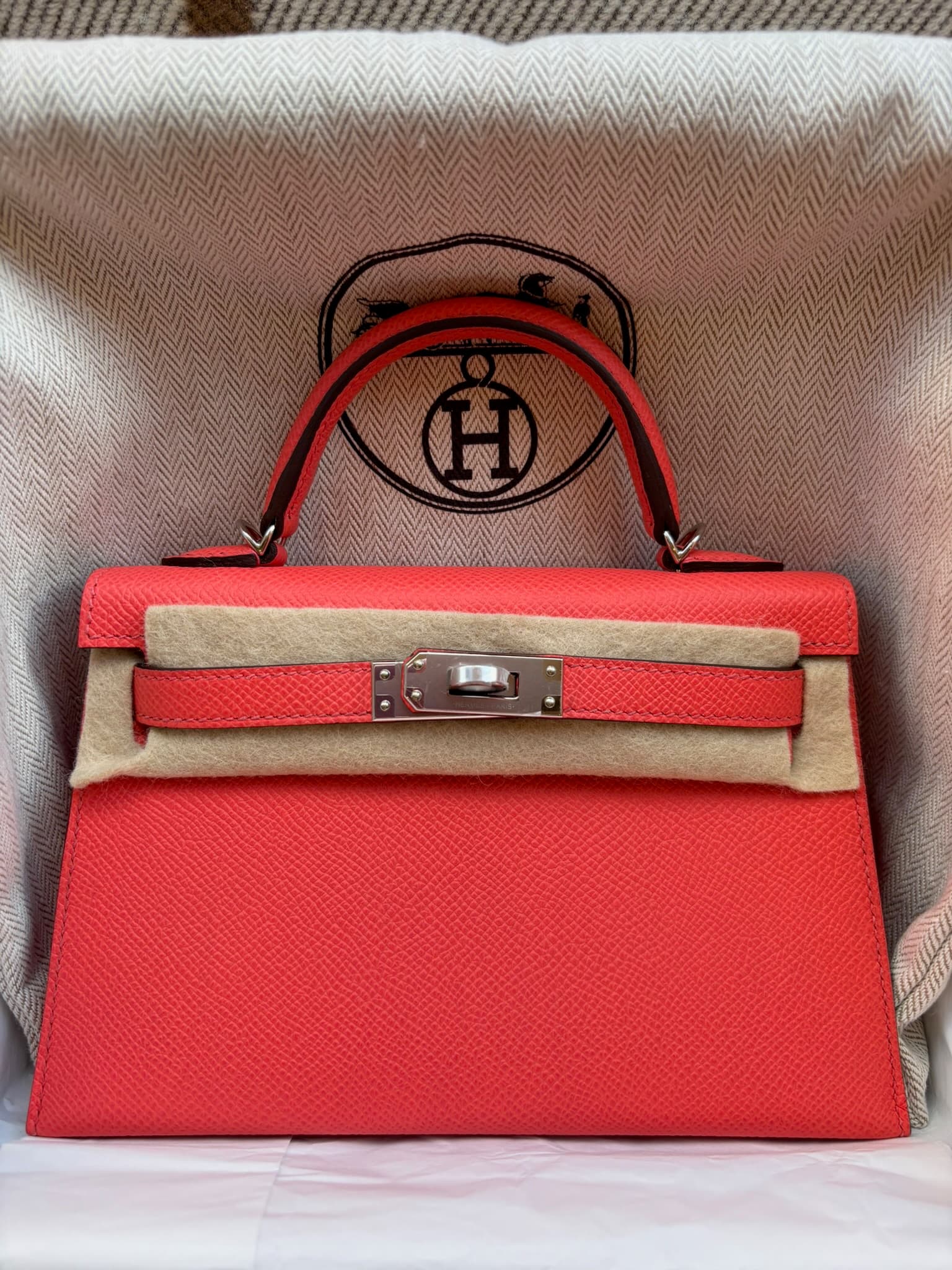
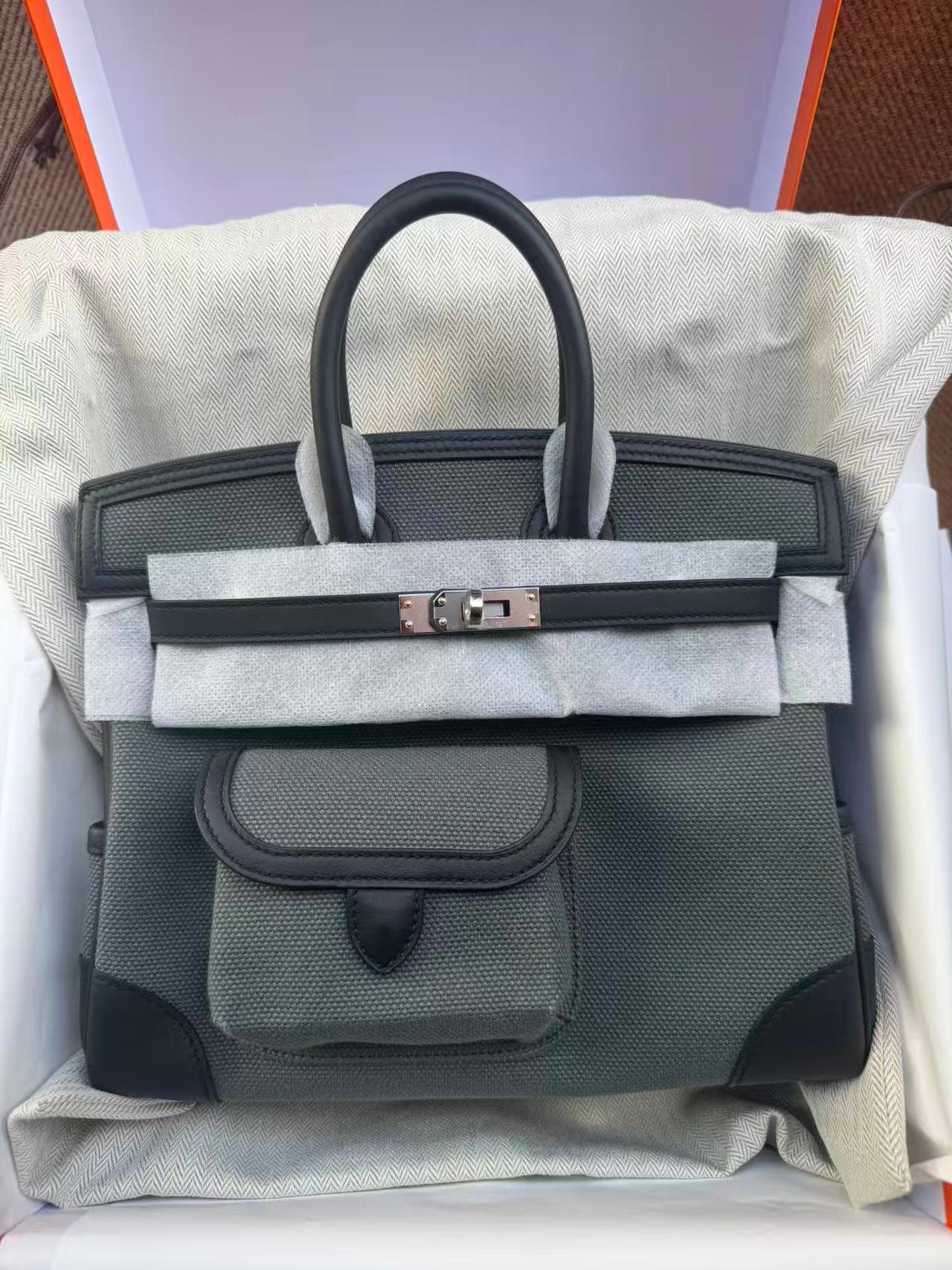
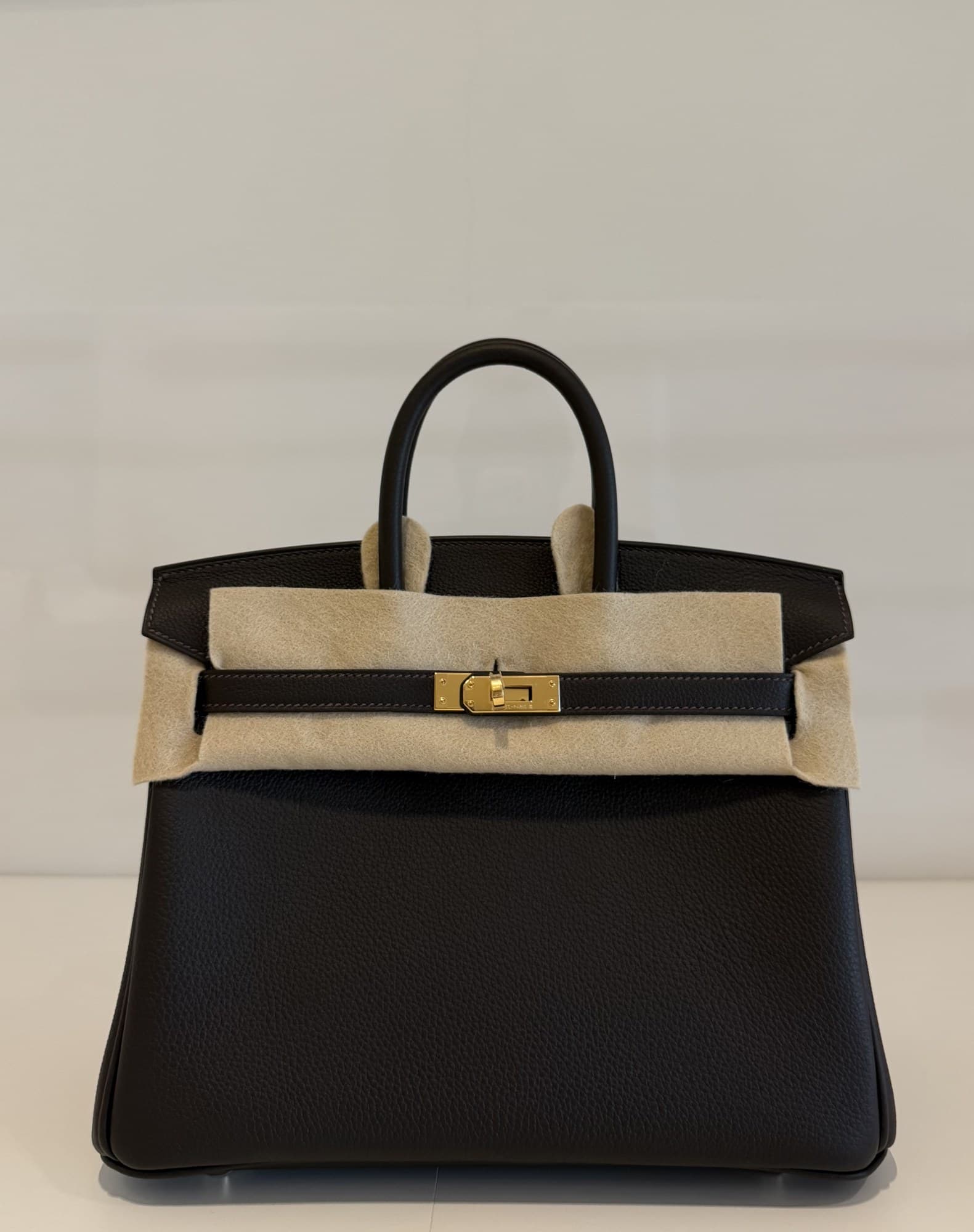
Hermès does not publish a menu, and boutique allocation means the bag you want is rarely the bag you are offered. The specialist market is simpler: everything is priced, photographed and available today. Here is what each budget realistically buys in 2026, drawn from the live JULL collection in London — more than 250 pieces at the time of writing, every one authenticated in-house before listing.
A note on how to read the numbers. Hermès value is set by four levers — model, size, leather and colour — and the same bag can double in price when the levers move. Every figure below is a live floor from our current stock, not an annual estimate: stock turns weekly, so treat these as the shape of the market rather than a fixed tariff, and check the collection pages for today's exact pieces.
Under £2,000: the house in miniature
This is where most Hermès stories start, and the house takes the tier seriously. Wallets, card holders, Calvi cases and belts sit well under 2,000 pounds and are made in the same leathers, by the same hands, as the icons — an Epsom card holder is a Birkin you can afford this afternoon. Silk is the other classic entry: scarves and Twillies bring the house's printed art to any bag or wrist, and a Twilly around the handle of a future bag is a tradition worth starting early. Enamel and leather bracelets round out the tier — the single most-given Hermès item we see at gifting season, covered in our gift guide.
£2,000 to £5,000: real bags begin
Three doors open here. Hermès watches start around 3,000 pounds — the Heure H and Cape Cod carry more design history than most Swiss pieces at the price, as our watch guide argues. The jewellery selection deepens — silver Chaîne d'Ancre especially. And at the top of the tier sits the first true bag: the Picotin 14 and 18 from about 4,200 pounds, the open bucket tote with the same saddle-stitching as a six-figure Kelly and none of its formality. If the question is the most Hermès bag for the least money, the Picotin is the standing answer.
£5,000 to £10,000: the serious first piece
The sweet spot, and the most contested tier in our stock. The Kelly To Go — the full-height Kelly wallet on a chain strap — starts at 5,550 pounds and reads as a Kelly across a dinner table; our Kelly To Go guide explains why it became a phenomenon. The Evelyne — the perforated-H crossbody Hermès staff carry on their days off — and larger Picotins fill the middle of the tier. At its top, the Mini Lindy at 9,900 pounds: the slouchy double-handle piece that sells within days of listing, every time.
£10,000 to £16,000: between the workhorses and the icons
Here the choice becomes strategic. The Lindy 26 at 10,300 pounds is the most relaxed daily bag the house makes in a full size. Exotic Picotins reach 12,500 — crocodile at a four-figure entry. The Bolide and Constance both live here in their accessible configurations — and the Constance matters, because boutiques allocate it nearly as sparingly as Birkins: on the open market you simply pick one. Spend the tier here, or hold six more weeks of budget and reach the icons — the honest answer depends on whether you want a bag now or the bag.
£16,000 to £20,000: the icons open
The most important 4,000 pounds in the price ladder. In current stock the Birkin 35 opens at 16,500 pounds, the Kelly Elan at 16,500, the Kelly 25 at 17,800, the Birkin 30 at 18,300 and the Kelly 28 at 19,000 — all in classic Togo and Epsom neutrals at those floors. This is where a first icon is bought intelligently: the 30 and 35 Birkins and the Kelly 28 carry the definitive silhouettes at the lowest entry, precisely because fashion's current obsession is with the smaller sizes. Taste moves in cycles; the classic sizes never left.
£20,000 to £30,000: the most wanted sizes
The Birkin 25 — the most requested bag in the world right now — runs from 20,500 pounds; the Mini Kelly 20 from 20,800, and we keep the largest Mini Kelly selection in London, over thirty pieces at the time of writing. Through the mid-twenties the levers start moving: rarer colours, box calf, special-order pieces with the horseshoe stamp. This tier buys not just the bag but the configuration — the colour you actually wanted, the hardware you chose.
£30,000 and beyond: exotics and the unrepeatables
Above thirty thousand the house changes register. Crocodile and alligator Kellys and Birkins run from the forty-thousands in our stock to 160,500 pounds for the rarest examples; ostrich sits below crocodile, lizard appears in the small pieces, and the full exotic hierarchy is its own study. Here provenance, spa history and CITES paperwork matter as much as condition — all of which our team documents piece by piece. This is also the tier where the Himalayan conversation begins, though examples surface rarely and sell privately more often than publicly.
Does value hold differently by tier?
Broadly: quota bags — Birkins, Kellys, Constances — have historically held value hardest, because supply is rationed at source; neutral colours in classic leathers hold hardest of all, per our resale colour study. The workhorse bags trade more like fine goods than assets — bought to be used, worth owning for exactly that reason. And exotics are the connoisseur's market: thinner, slower, but deepest at the top. No tier is a guaranteed investment, and none should be bought as one — the Birkin market review covers the honest numbers.
Three rules that apply at every budget
First, buy the piece, not the model: condition, colour and leather move value more than the name on the box, and every JULL listing photographs the exact item you receive — corners, hardware, stamp. Second, neutrals first, colour second: gold, etoupe, black and craie carry with everything and resell hardest. Third, treat every number in this guide as a floor, not a tariff — the market moves weekly and the collection pages are the live truth.
How buying works at JULL
Every piece is authenticated in-house before it is listed. Reserve online with a 25% deposit — the first 3,000 pounds placed instantly on the product page — and settle the balance by bank transfer or secure pay-by-bank link. Collection in London by appointment, or insured tracked delivery anywhere in the UK, typically next working day. For a shortlist to your exact budget, message WhatsApp +44 7704 870249 — we answer the same day.
What we would pick at each tier
Asked to spend the tier perfectly, here is where our own team lands. Under 2,000: an Epsom card holder and a Twilly — daily use, zero anxiety. Under 5,000: the Picotin 18 in gold Clemence, the single most recommendable first bag in the house. Under 10,000: the Kelly To Go in a neutral — maximum recognition per pound — unless your life is casual, in which case the Mini Lindy. Under 16,000: the Constance, because allocation makes it the hardest of the workhorses to source and the open market erases that problem. Under 20,000: the Birkin 30 in black Togo — the definitive configuration of the definitive bag. Above 20,000: the exact Birkin 25 or Mini Kelly you actually want, because at this tier compromise is the only real mistake. Above 30,000: buy the skin, not the trend — a matte alligator Kelly outlasts every fashion cycle.
Trading up: how the ladder actually works
A first Hermès is rarely a last Hermès, and the tiers are connected by a working resale market. A Picotin bought sensibly holds a meaningful share of its price; a quota bag in a neutral classic can hold most or all of it. That changes the arithmetic of the whole guide: the 4,200-pound Picotin is not spent, it is parked — and when the Birkin moment arrives, selling through us converts the old tier into the new one in about a week. Many of our best clients climbed exactly this way: silk to Picotin to Kelly To Go to Kelly 28 to Birkin 25, each step partly funded by the last. The house rewards patience unusually well for a luxury brand — the best time to sell guide covers when to make each jump.
The mistakes each budget makes
Every tier has its signature error, and we see them weekly. The entry tiers overthink authenticity on 300-pound silk and underthink it on 4,000-pound bags — reverse that instinct. The middle tiers buy the loud colour first and regret it by spring: the resale colour data is unambiguous about neutrals. The icon tiers chase the Birkin 25 because the feed does, when the 30 at two thousand less fits their actual life better. And the exotic tier sometimes forgets paperwork: a crocodile piece without its CITES documentation is a problem, not a bargain — every exotic we sell ships with its papers, and the exotic skins guide explains what to demand elsewhere. The meta-mistake at every level is buying from a photograph of a similar bag rather than the exact item: insist on the actual piece, always — the rest of the buying mistakes list is worth ten minutes before any purchase.
A word on Chanel at these budgets
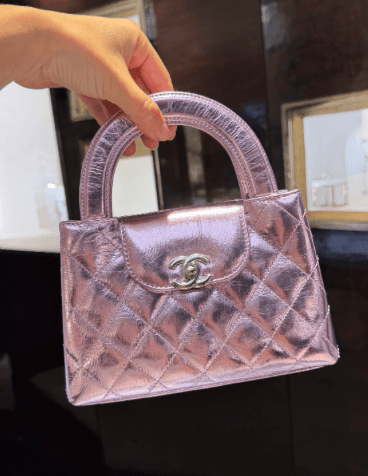
We are an Hermès house first, but the Chanel pieces that pass through our collection answer a real question at the middle tiers: the Classic Flap and the minaudieres live in the 5,000-to-12,000 band where Hermès offers workhorses rather than icons. Our Hermès vs Chanel value study runs the numbers on how the two houses hold value — short version: Hermès quota bags lead, Chanel classics follow, and both beat nearly everything else in fashion.
Reading condition like a professional
At every tier, condition is the lever the photographs let you pull. Learn the vocabulary once: corners first — the earliest wear point on any structured bag; hardware next — plating wear on the turnlock tells you about the previous life honestly; then the stamp, the stitching and the interior. A pre-owned piece graded honestly and priced accordingly is frequently the intelligent buy — the same silhouette, a meaningful saving, and in grained leathers a difference invisible across a room. This is why every JULL listing photographs the actual item at every angle: the grade is yours to verify, not ours to assert. Two pieces of the same model can deserve prices thousands apart, and the photographs are where you learn why.
Frequently asked questions
What is the best Hermès bag under £3,000?
Not a bag — at that line the strong buys are watches, jewellery and small leather goods. Stretch to about 4,200 pounds and the Picotin opens the true bag market.
Are older Hermès bags cheaper?
Often, in the workhorse families — an earlier-stamp Picotin or Evelyne trades below a current one. In the icons, age matters less than condition and colour; vintage classics can exceed new prices.
What is the best Hermès bag under £5,000?
The Picotin 14 or 18. Full Hermès construction, effortless to use, and the most accessible true bag in the range from about 4,200 pounds.
What is the best Hermès bag under £10,000?
The Kelly To Go if you want the Kelly look on a strap; the Mini Lindy if you want the softest everyday piece; the Evelyne if you want the one the insiders carry.
Can I get a real Birkin for under £20,000?
Yes — Birkin 30s and 35s in classic leathers open in the sixteen-to-eighteen-thousand range on the current market. The Birkin 25 commands more because fashion currently favours it.
Which tier holds value best?
Quota bags in neutral classics — Birkin, Kelly, Constance in black, gold or etoupe Togo and Epsom. Rationed supply does the work.
Why are specialist prices above boutique retail?
Because retail is rationed: boutiques allocate the icons to established clients rather than selling them on request. The premium buys immediacy and choice — the quota system explained covers the mechanics.
Do prices include authentication?
Yes. Every piece is verified by our in-house team before it is ever listed, at no extra cost, and our policy is plain: proven inauthentic means refunded in full.